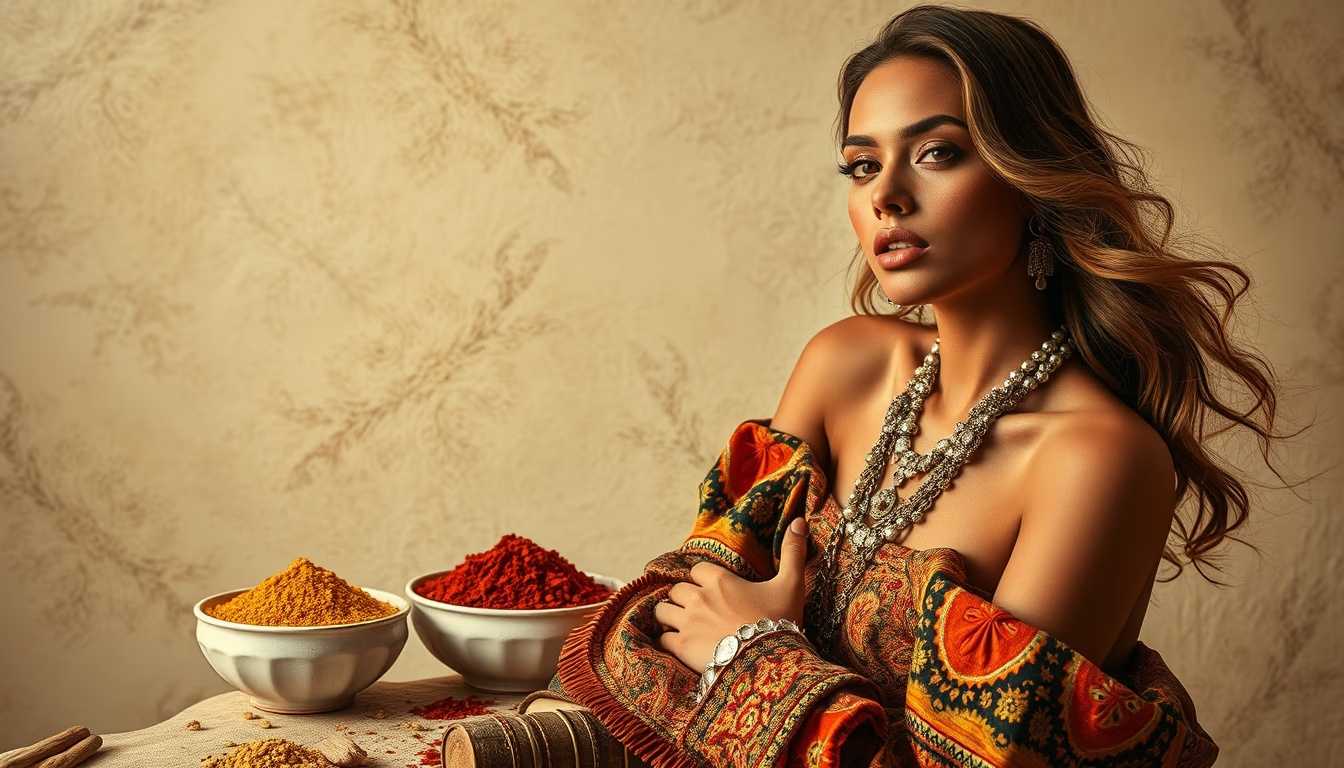
Silk road spices arrayed
1344×768 · AVIF · CC BY 4.0
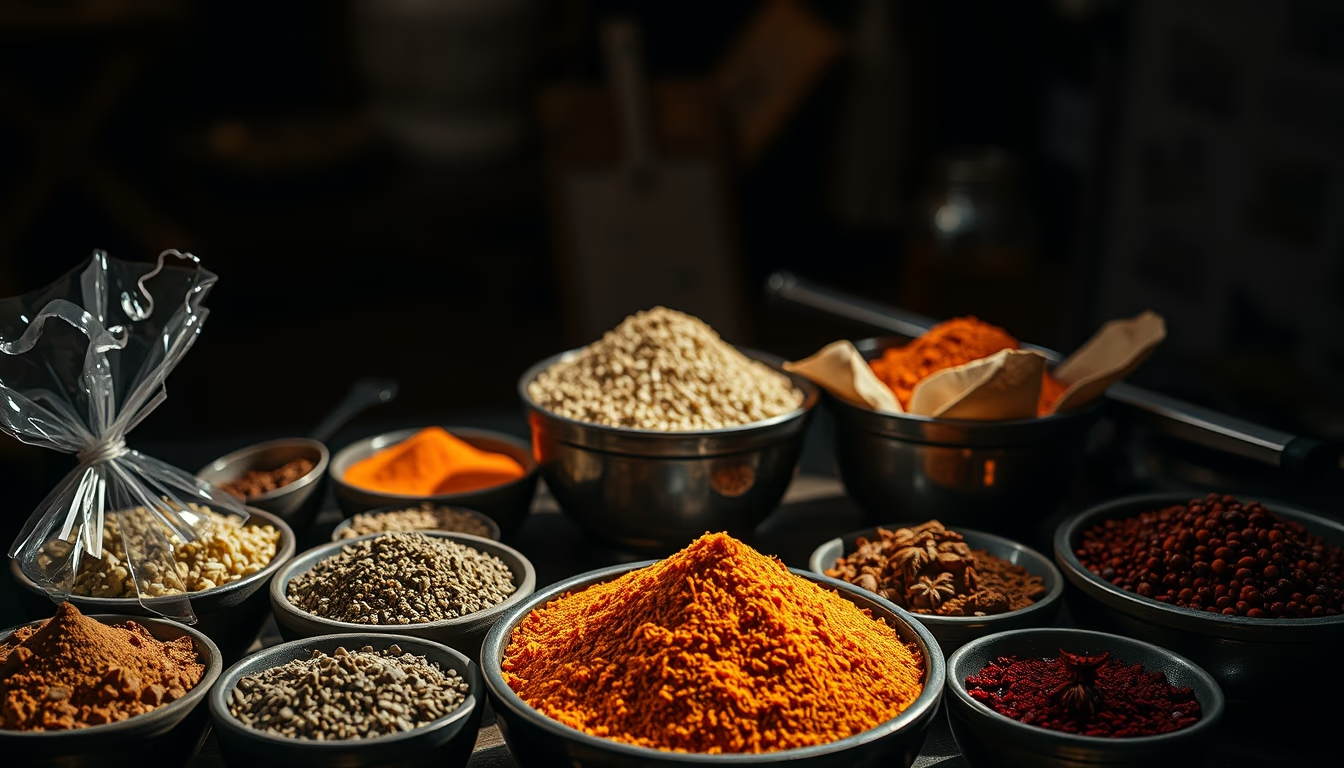
Silk Road spices such as cinnamon, pepper, and cloves shaped global trade for centuries, driving exploration and cultural exchange.
About this subject
The Silk Road, a network of trade routes flourishing from the 2nd century BCE to the 15th century CE, connected East and West. Among the most valuable goods traded were spices, primarily from India, Southeast Asia, and China. Cinnamon, black pepper, ginger, cloves, nutmeg, and saffron were luxury items used not only for flavoring food but also as preservatives, medicines, and in religious rituals. The high cost and demand for these spices motivated maritime and overland expeditions, such as those of Marco Polo and Vasco da Gama, who sought direct routes to the sources of production.
The spice trade was extremely profitable. A pound of nutmeg, for instance, could cost the equivalent of seven oxen in medieval Europe. The monopoly on the spice trade was initially held by Arab and Venetian merchants, but with the Age of Discovery, Portuguese and Spanish traders took control. The quest for spices was a major driver of the Age of Exploration, leading to the colonization of regions like the Moluccas, known as the Spice Islands.
Beyond economic value, spices had profound cultural and technological impacts. They influenced global cuisine, traditional medicine (such as Ayurveda and Chinese medicine), and even food preservation before refrigeration. The trade also fostered the exchange of botanical knowledge, cultivation methods, and navigation techniques. The Silk Road was not merely a route for goods but a channel for the diffusion of ideas, religions, and innovations, with spices playing a central role.
Frequently Asked Questions
Which spices were most commonly traded on the Silk Road?
Key spices included cinnamon, black pepper, ginger, cloves, nutmeg, and saffron, originating from India, Southeast Asia, and China.
Why were spices so valuable in ancient times?
Spices were used for flavoring, preserving meat, making medicines, and in religious rituals. Their long and hazardous transport made them expensive and a status symbol.
How did the spice trade influence the Age of Discovery?
The search for direct trade routes to spice sources drove Portuguese and Spanish expeditions, leading to the discovery of new lands and colonization of regions like the Moluccas and Brazil.
Direct URL
https://pub-c7d6a6ea828543ac903a74a341ccb2e1.r2.dev/imagens/silk-road-spices-arrayed-rembrandt-lighting-dramatic-shadows-fresh6.avifHow to credit
Include a visible link back to UtilizAí. Copy one of the snippets below:
<a href="https://xn--utiliza-eza.com/en/midia/imagens/silk-road-spices-arrayed-rembrandt-lighting-dramatic-shadows-fresh6">Silk road spices arrayed</a> by <a href="https://xn--utiliza-eza.com">UtilizAí</a>, licensed under <a href="https://creativecommons.org/licenses/by/4.0/">CC BY 4.0</a>.
[Silk road spices arrayed](https://xn--utiliza-eza.com/en/midia/imagens/silk-road-spices-arrayed-rembrandt-lighting-dramatic-shadows-fresh6) by [UtilizAí](https://xn--utiliza-eza.com), CC BY 4.0
License: CC-BY-4.0