Silk road spices arrayed
1344×768 · AVIF · CC BY 4.0
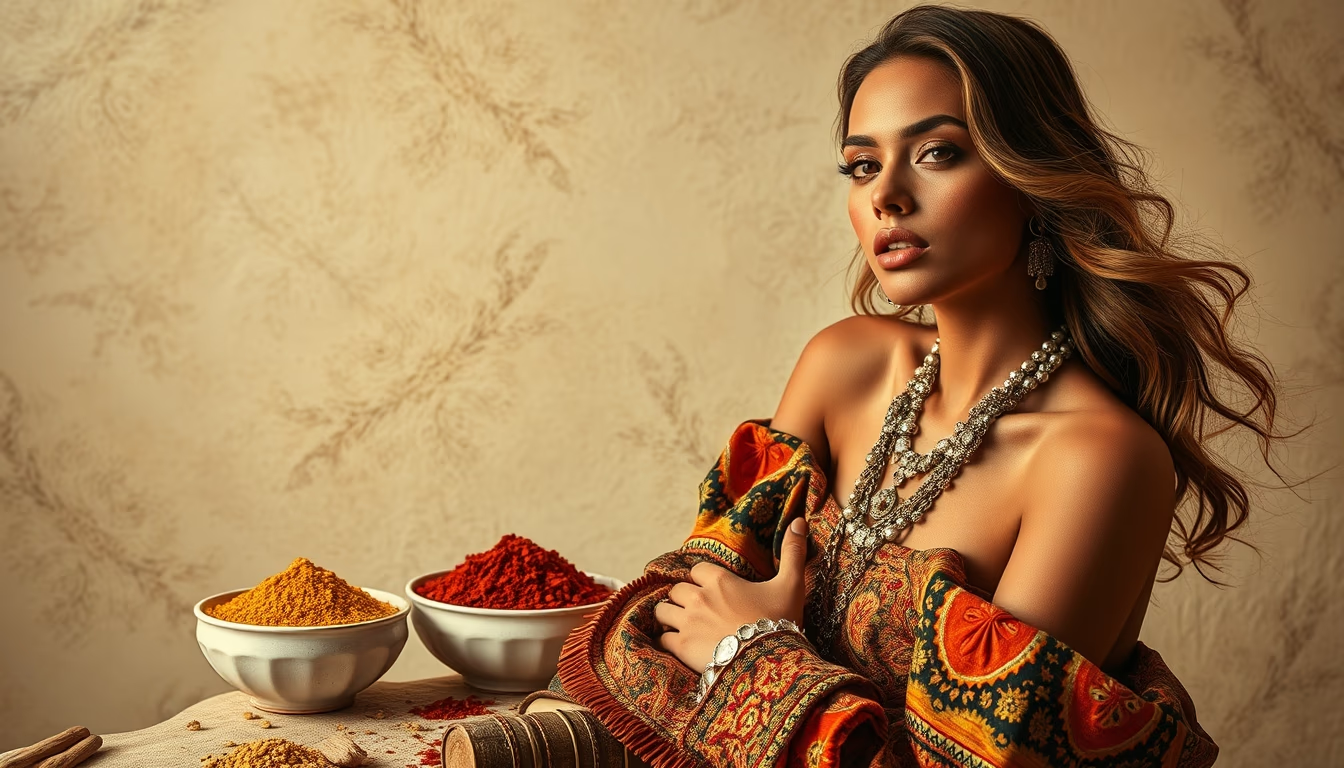
Spices like cinnamon, black pepper, and saffron traveled the Silk Road for centuries, shaping economies and cultures.
About this subject
Spices were among the most valuable goods traded along the Silk Road, a network of land and sea routes that connected East and West for over 1,500 years. The demand for these exotic seasonings not only drove international trade but also sparked geographical explorations and rivalries among empires. Products like cinnamon (from Sri Lanka), black pepper (from India), and saffron (from Persia) traveled thousands of kilometers, often exchanged for silk, gold, and precious stones.
Cinnamon, for instance, was so coveted that its trade was kept secret by producers to control prices. Black pepper, known as "black gold," was used not only as a seasoning but also to preserve meat in cold climates due to its antimicrobial properties. Saffron, extracted from the stigma of the Crocus sativus flower, was prized for its medicinal and dyeing properties, as well as for adding color and flavor to royal dishes.
The Silk Road was not a single path but a complex web of routes crossing deserts, mountains, and seas. Merchants faced dangers such as bandits, storms, and disease, and spices were often mixed with dirt or bark to adulterate weight, leading to the development of purity verification techniques. Cities like Samarkand, Baghdad, and Constantinople became spice trade hubs where cultural influences blended.
Interestingly, the spice trade along the Silk Road also influenced traditional medicine. In Europe, cloves and nutmeg were used against the Black Death, albeit with limited effectiveness. In China, black pepper was employed to treat digestive issues. The legacy of these exchanges persists in global cuisine: dishes like Indian curry, Spanish paella, and Mexican mole have roots in the spices that traveled this ancient route.
Frequently Asked Questions
Which spices were most valued on the Silk Road?
Cinnamon, black pepper, cloves, nutmeg, and saffron were the most valued, some worth more than gold.
How were spices transported along the Silk Road?
They were carried by camel caravans on land routes and by ships on the China Sea and Indian Ocean, stored in cloth sacks or ceramic pots.
What impact did Silk Road spices have on Europe?
The demand for spices spurred the Age of Exploration, with European powers seeking direct routes to bypass Ottoman and Venetian intermediaries.
Direct URL
https://pub-c7d6a6ea828543ac903a74a341ccb2e1.r2.dev/imagens/silk-road-spices-arrayed-high-fashion-editorial-fresh17.avifHow to credit
Include a visible link back to UtilizAí. Copy one of the snippets below:
<a href="https://xn--utiliza-eza.com/en/midia/imagens/silk-road-spices-arrayed-high-fashion-editorial-fresh17">Silk road spices arrayed</a> by <a href="https://xn--utiliza-eza.com">UtilizAí</a>, licensed under <a href="https://creativecommons.org/licenses/by/4.0/">CC BY 4.0</a>.
[Silk road spices arrayed](https://xn--utiliza-eza.com/en/midia/imagens/silk-road-spices-arrayed-high-fashion-editorial-fresh17) by [UtilizAí](https://xn--utiliza-eza.com), CC BY 4.0
License: CC-BY-4.0