Silk road spices arrayed
1344×768 · AVIF · CC BY 4.0
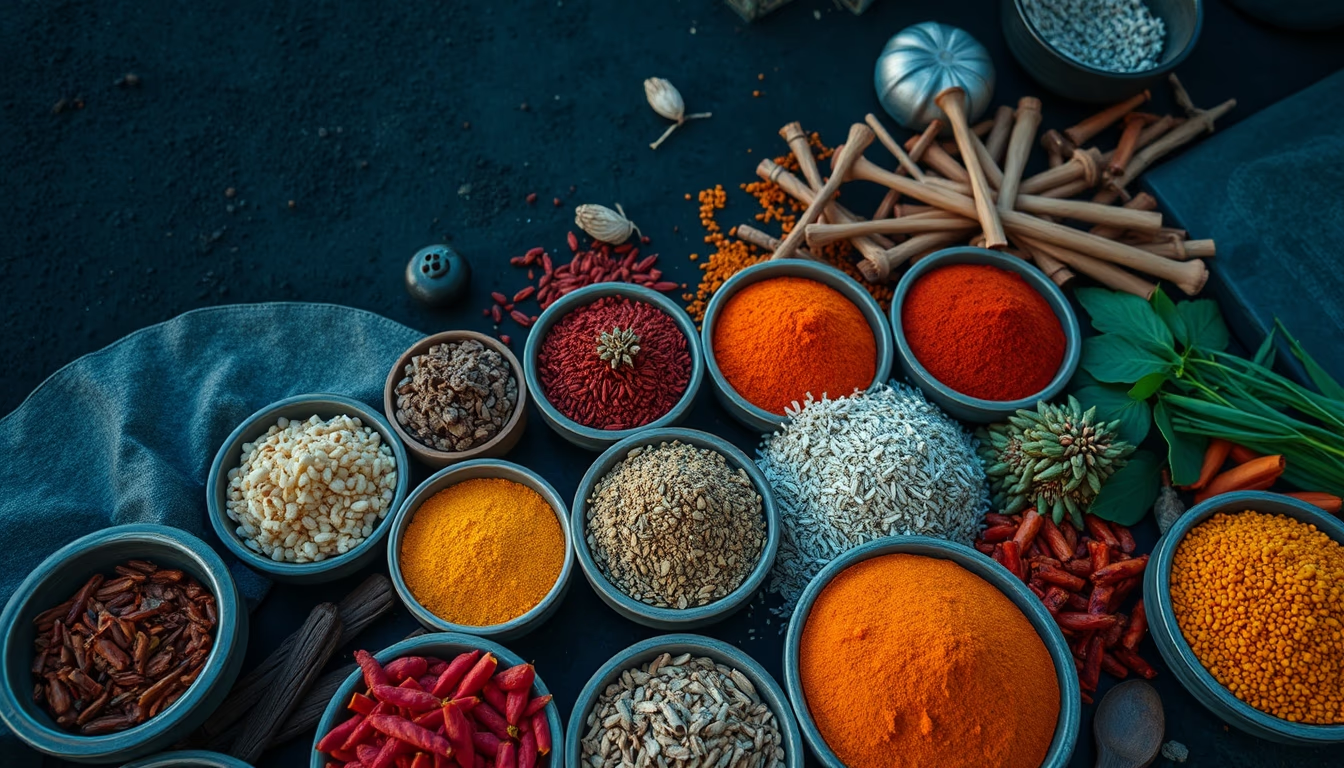
An array of spices that traveled the Silk Road, each with distinct origins and stories linked to millennia-old trade between East and West.
About this subject
Spices were among the most valuable commodities traded along the Silk Road, a network of routes connecting China to the Mediterranean from 130 BCE to 1453 CE. Items such as cinnamon, cloves, black pepper, and nutmeg were carried by caravans across deserts and mountains, passing through regions like Persia, India, and Central Asia. These products were not merely flavorings but also preservatives, medicines, and status symbols. The European demand for spices in the Middle Ages fueled maritime exploration in the 15th and 16th centuries, as Portuguese and Spanish navigators sought direct routes to bypass intermediaries. Cinnamon was so prized that ancient Egyptians used it in embalming rituals, while cloves originated from the Maluku Islands in Indonesia, known as the 'Spice Islands'. Black pepper, native to southern India, was called 'black gold' in Europe and even used to pay taxes. Each spice carries a unique geography and history: cardamom from South Asia, ginger from China, saffron from Persia. The array displayed here reflects the diversity of routes and cultures that the Silk Road integrated, transforming culinary and economic habits worldwide.
Frequently Asked Questions
Which spices were most traded on the Silk Road?
The most traded spices included cinnamon (from Sri Lanka), cloves (from the Maluku Islands), black pepper (from India), nutmeg (from the Banda Islands), cardamom (from South Asia), ginger (from China), and saffron (from Persia). These products traveled thousands of kilometers to European markets.
Why were spices so valuable?
They were valued for preserving food, masking spoiled flavors, and medicinal properties. They also served as status symbols and even currency. Black pepper, for instance, was used to pay taxes in medieval Europe.
How did spices reach Europe before maritime routes?
They arrived overland via the Silk Road, passing through a chain of intermediaries: Indian, Persian, Arab, and Venetian merchants controlled the trade, driving up prices. Direct maritime routes discovered by Portuguese and Spanish explorers reduced costs and increased access.
Direct URL
https://pub-c7d6a6ea828543ac903a74a341ccb2e1.r2.dev/imagens/silk-road-spices-arrayed-aerial-drone-shot-fresh10.avifHow to credit
Include a visible link back to UtilizAí. Copy one of the snippets below:
<a href="https://xn--utiliza-eza.com/en/midia/imagens/silk-road-spices-arrayed-aerial-drone-shot-fresh10">Silk road spices arrayed</a> by <a href="https://xn--utiliza-eza.com">UtilizAí</a>, licensed under <a href="https://creativecommons.org/licenses/by/4.0/">CC BY 4.0</a>.
[Silk road spices arrayed](https://xn--utiliza-eza.com/en/midia/imagens/silk-road-spices-arrayed-aerial-drone-shot-fresh10) by [UtilizAí](https://xn--utiliza-eza.com), CC BY 4.0
License: CC-BY-4.0