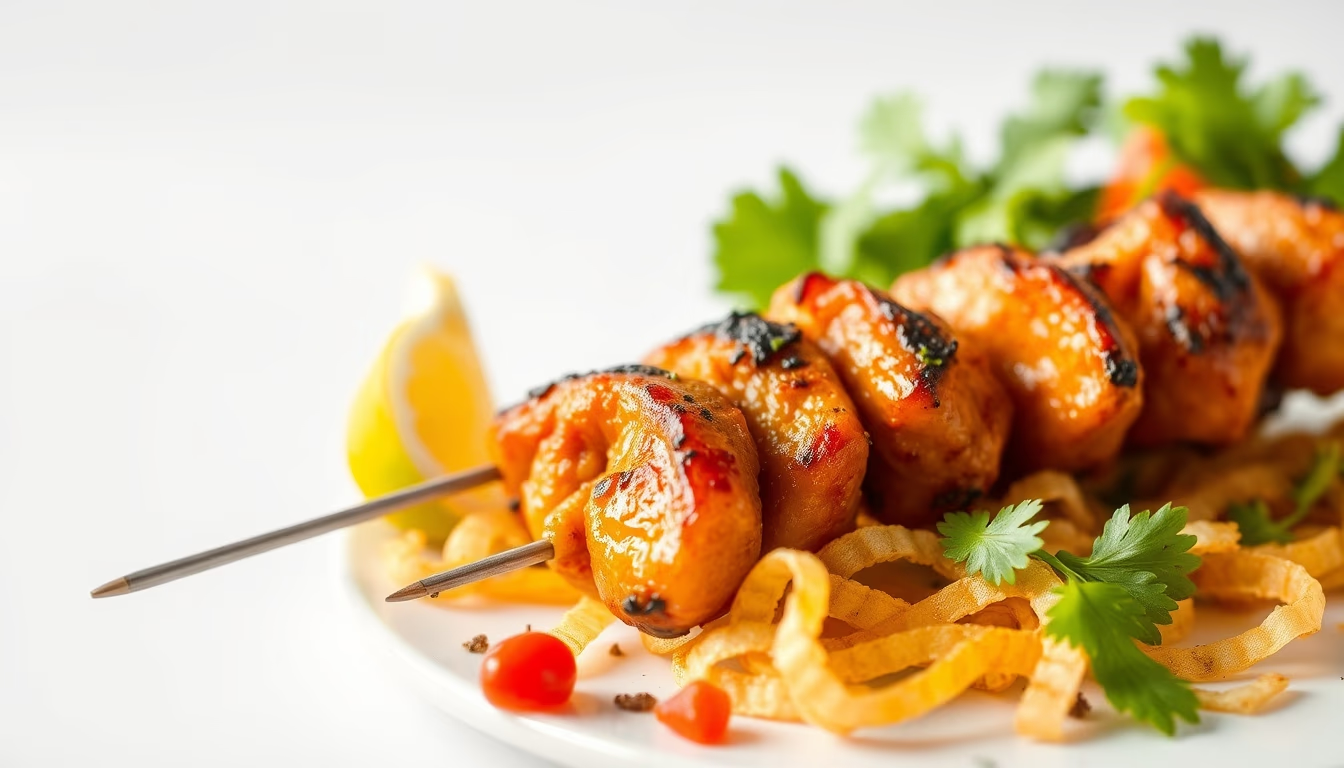
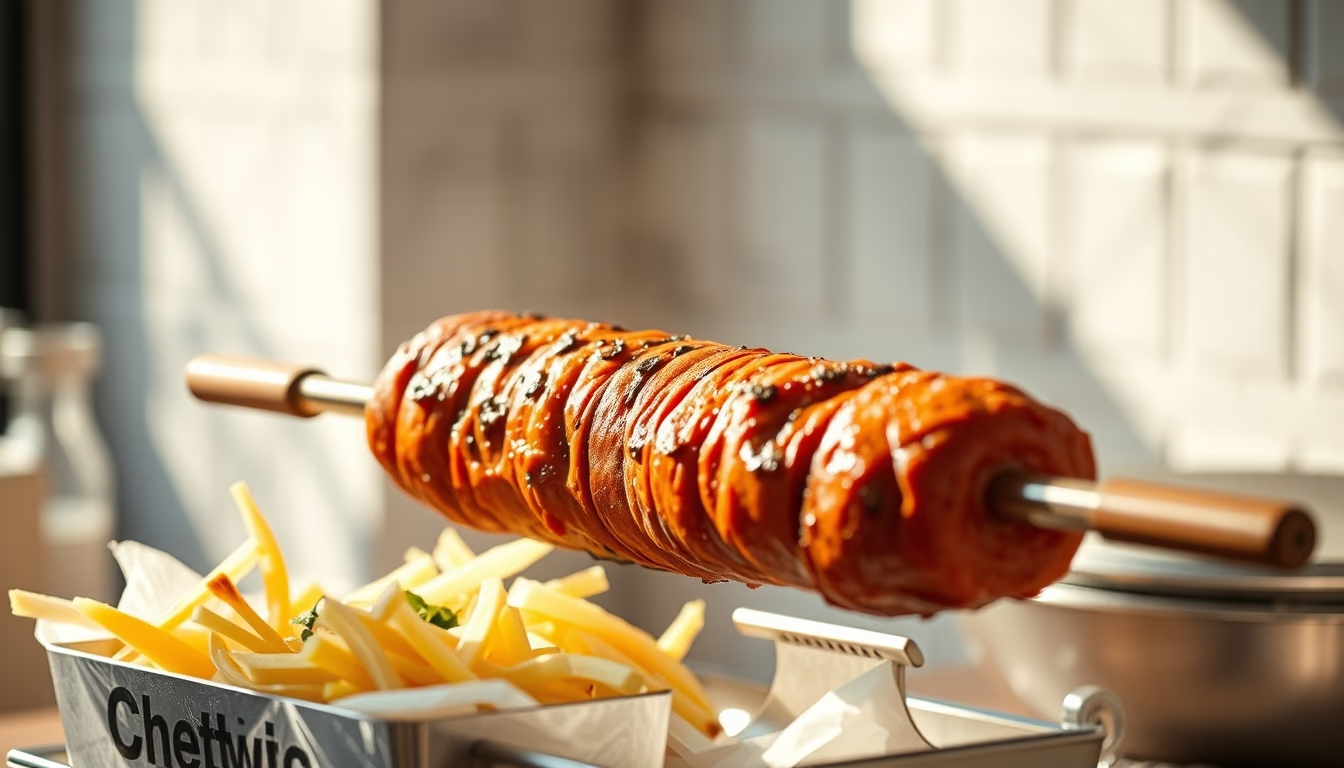
Shawarma vertical spit
1344×768 · AVIF · CC BY 4.0
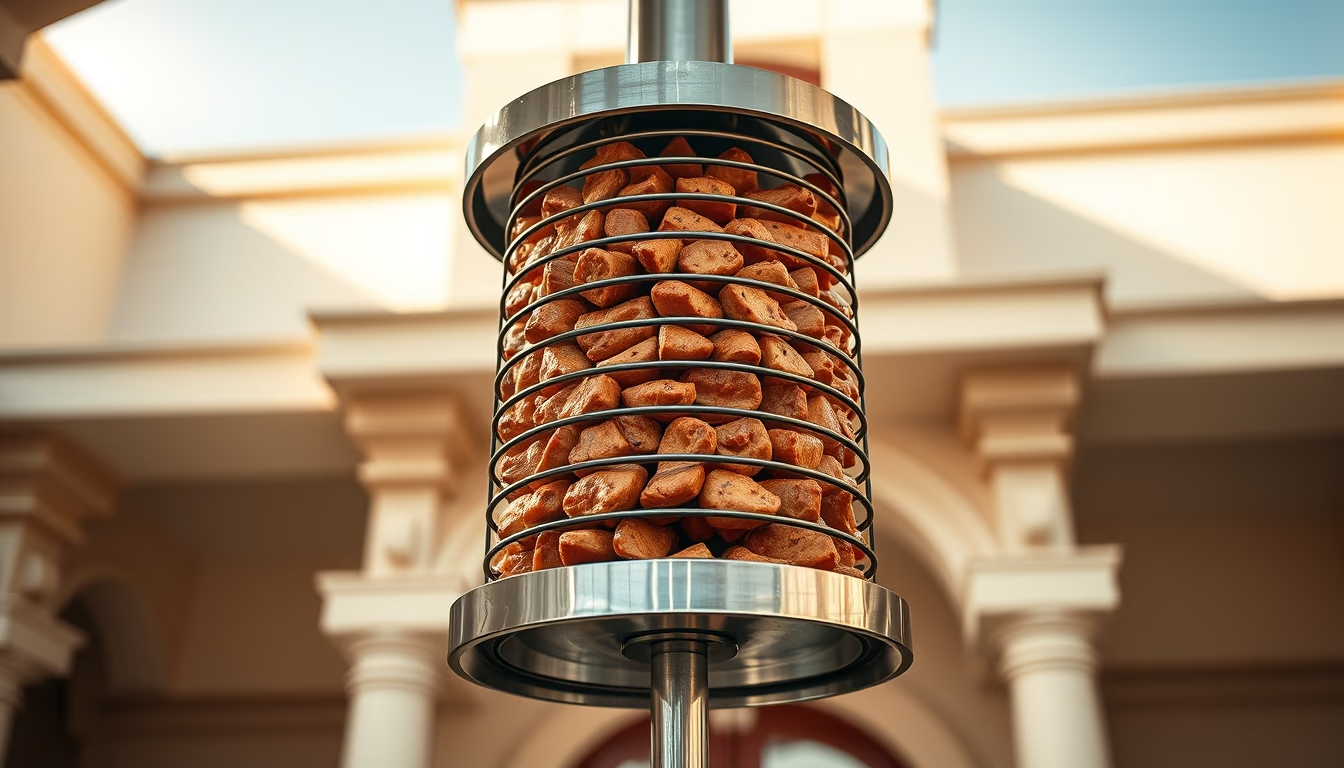
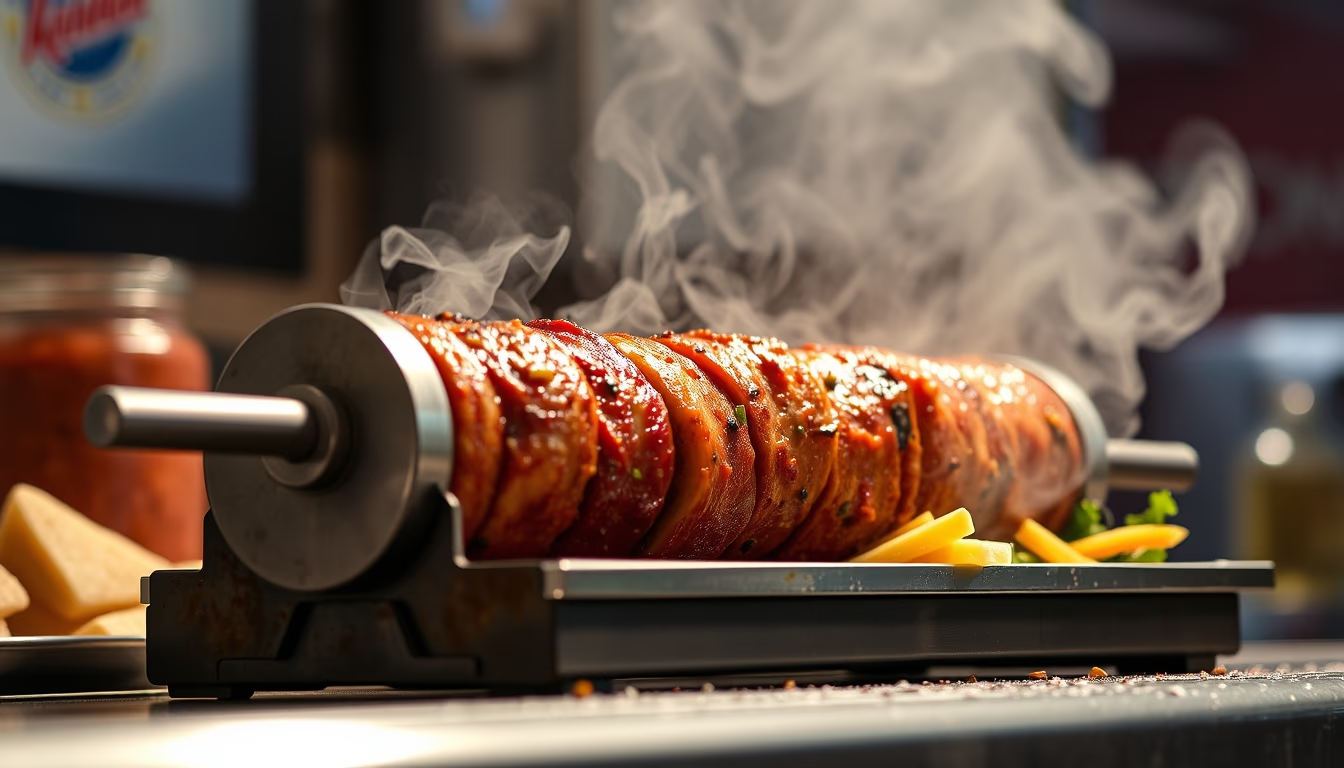
The vertical spit for shawarma is an iconic piece of Middle Eastern culinary equipment, used to roast layers of seasoned meat that are shaved thin and served in bread.
About this subject
The vertical spit for shawarma, also known simply as a 'spit', is one of the most recognizable symbols of Middle Eastern street food. Invented in 19th-century Turkey, this cooking system consists of a vertical metal rod onto which layers of meat, typically lamb, chicken, or beef, are stacked with interspersed fat and spices. As the spit slowly rotates in front of a heat source (charcoal, gas, or electric element), the outer layer of meat roasts. The cook uses a long knife to shave off thin slices from the cooked surface, which fall onto a plate or pita bread. This process ensures each serving is fresh, juicy, and caramelized.
The origin of shawarma traces back to Turkish döner kebab, which was adapted across Arab countries with variations in spices and accompaniments. In Brazil, shawarma gained popularity within Arab communities, especially in São Paulo and Rio de Janeiro, where it is served in restaurants and street stalls. The Brazilian version often uses chicken or beef seasoned with cumin, coriander, paprika, and lime, wrapped in pita bread with lettuce, tomato, onion, and yogurt or tahini sauce.
Beyond its culinary role, the vertical spit holds aesthetic and cultural significance. The image of a cone of meat slowly rotating is almost hypnotic and appears frequently in travel photography and street food documentaries. The technique of roasting meat on a vertical spit has also inspired other dishes, such as Greek gyros and Mexican tacos al pastor, demonstrating the global influence of Middle Eastern cuisine. Notably, the design of the spit was patented in Turkey in 1873 by İskender Efendi, and has since spread worldwide.
Frequently Asked Questions
What is the difference between shawarma, kebab, and gyros?
Shawarma, kebab, and gyros are variations of the same concept of meat roasted on a vertical spit. Shawarma is typical of the Arab world, döner kebab is Turkish, and gyros is Greek. The main differences lie in the spices, sauces, and accompaniments.
How is the meat assembled on a vertical spit?
The assembly starts with a base of fat or bone at the bottom of the spit for flavor. Then thin layers of seasoned meat are stacked, interspersed with fat (such as lamb or chicken skin). The meat is compressed into a firm cone and then placed by the heat source.
Why is shawarma cut into thin slices?
Cutting into thin slices allows the meat to cook evenly and quickly on the surface, keeping the inside juicy. Additionally, thin slices are easier to eat in sandwiches and absorb sauces and seasonings better.
Direct URL
https://pub-c7d6a6ea828543ac903a74a341ccb2e1.r2.dev/imagens/shawarma-vertical-spit-architectural-photography-fresh2.avifHow to credit
Include a visible link back to UtilizAí. Copy one of the snippets below:
<a href="https://xn--utiliza-eza.com/en/midia/imagens/shawarma-vertical-spit-architectural-photography-fresh2">Shawarma vertical spit</a> by <a href="https://xn--utiliza-eza.com">UtilizAí</a>, licensed under <a href="https://creativecommons.org/licenses/by/4.0/">CC BY 4.0</a>.
[Shawarma vertical spit](https://xn--utiliza-eza.com/en/midia/imagens/shawarma-vertical-spit-architectural-photography-fresh2) by [UtilizAí](https://xn--utiliza-eza.com), CC BY 4.0
License: CC-BY-4.0