Scorpion uv glow
1344×768 · AVIF · CC BY 4.0
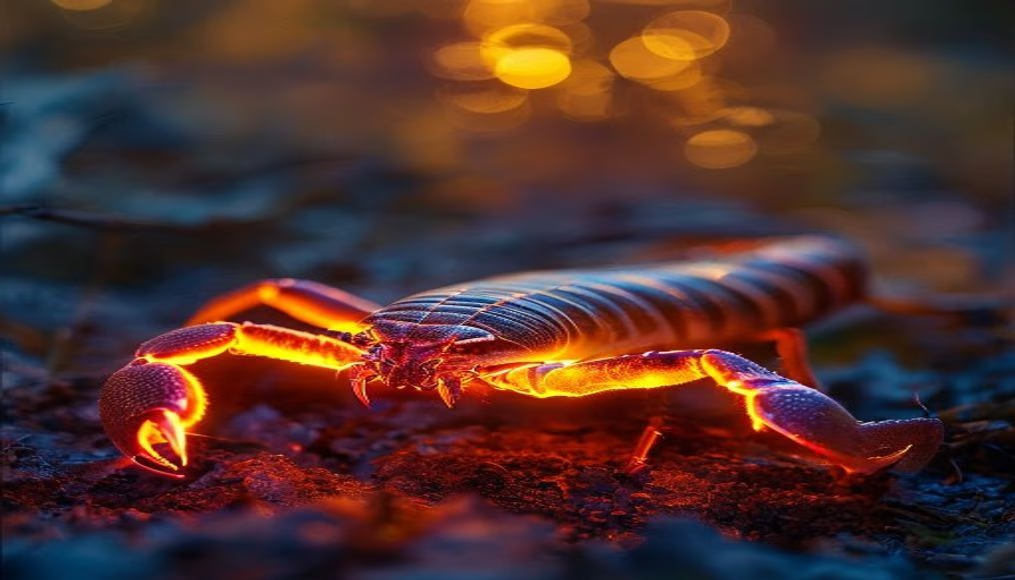
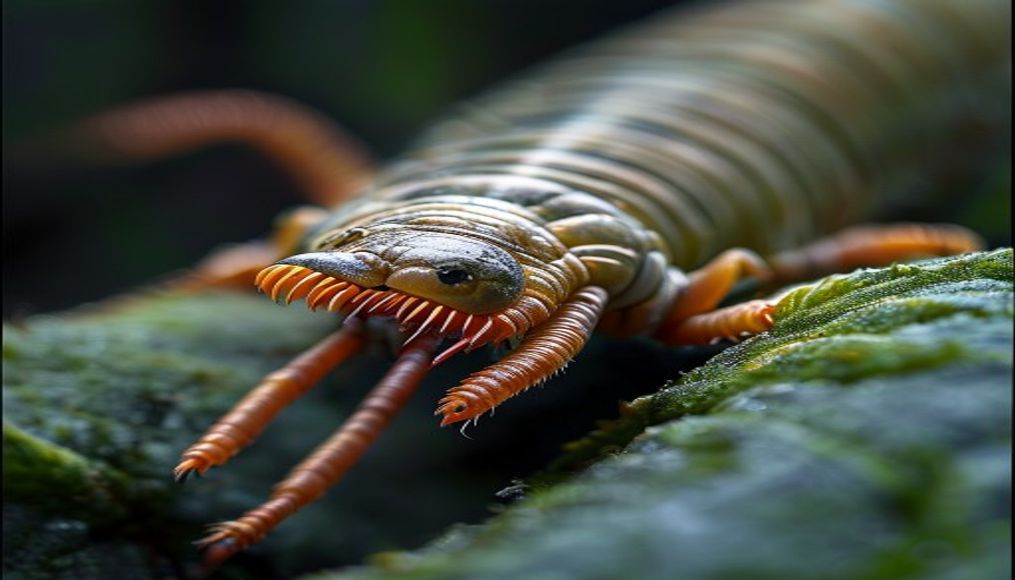
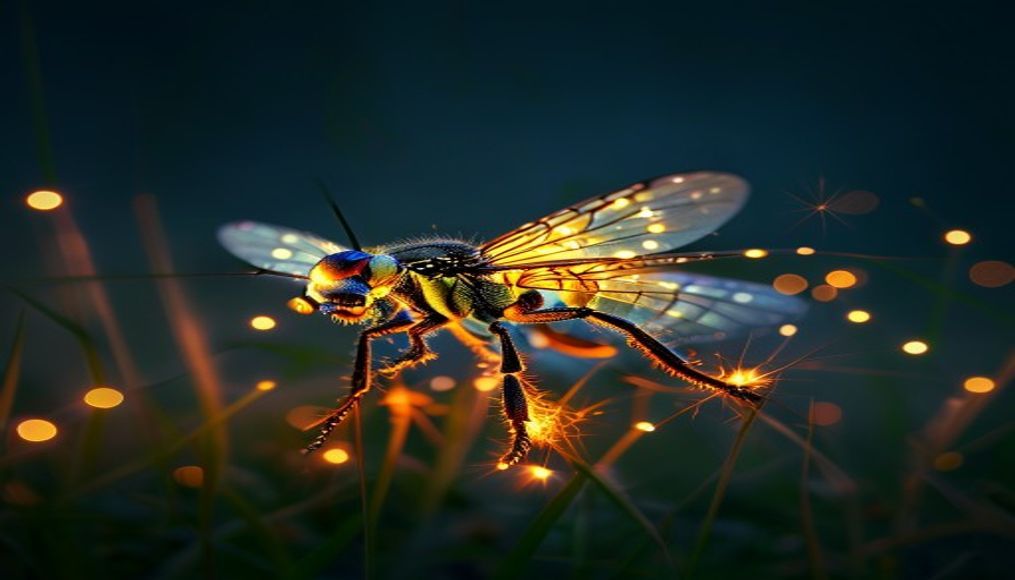
Scorpions glow under ultraviolet light due to fluorescent substances in their exoskeleton, a phenomenon used for nighttime studies and collection.
About this subject
Scorpions are arachnids that have inhabited Earth for over 400 million years, with about 2,500 described species. One of their most fascinating features is fluorescence under ultraviolet (UV) light. When exposed to UV light, they emit a blue-green or yellowish glow, visible in low-light conditions. This phenomenon occurs due to substances like hyaline and beta-carbolines in the cuticle of the exoskeleton, which absorb UV radiation and re-emit it at visible wavelengths. The evolutionary function of this glow is still debated: it may help the scorpion detect light, attract prey, or be a byproduct of the cuticle hardening process.
Fluorescence is particularly useful for researchers and nature enthusiasts. During night expeditions, UV flashlights allow easy spotting of scorpions as they stand out in the dark environment. This has facilitated studies on distribution and behavior, especially in desert regions like the southern United States, Mexico, and Brazil (Caatinga and Cerrado). In Brazil, species of the genus Tityus are common and some have dangerous venom to humans. Fluorescence is not exclusive to scorpions: other arthropods, such as some crustaceans and millipedes, also exhibit similar properties.
Culturally, scorpions are symbols of danger and power, present in mythologies like Greek (the constellation Scorpius) and in astrology (the sign of Scorpio). Despite their reputation, only about 25 species have venom capable of killing humans. The UV glow is lost after molting the exoskeleton but returns when the new cuticle hardens. Interestingly, the glow can vary between species and even among individuals, making it a useful character in taxonomy. In urban environments, scorpions can be found in debris, pipes, and dark places, and UV light is a tool for pest control.
Frequently Asked Questions
Why do scorpions glow under ultraviolet light?
The glow is due to fluorescent substances in the exoskeleton, such as hyaline and beta-carbolines, which absorb UV radiation and re-emit it as visible light.
Are all scorpions venomous?
Yes, all scorpions have venom, but only about 25 species have venom lethal to humans. Most cause only local pain or mild reactions.
Where can I find scorpions that glow in the dark?
They are found in tropical, subtropical, and desert regions, such as in Brazil (Caatinga, Cerrado), Mexico, and the southern US. They prefer dark, moist places like under rocks, logs, or debris.
Direct URL
https://pub-c7d6a6ea828543ac903a74a341ccb2e1.r2.dev/imagens/scorpion-uv-glow-travel-photography-p2.avifHow to credit
Include a visible link back to UtilizAí. Copy one of the snippets below:
<a href="https://xn--utiliza-eza.com/en/midia/imagens/scorpion-uv-glow-travel-photography-p2">Scorpion uv glow</a> by <a href="https://xn--utiliza-eza.com">UtilizAí</a>, licensed under <a href="https://creativecommons.org/licenses/by/4.0/">CC BY 4.0</a>.
[Scorpion uv glow](https://xn--utiliza-eza.com/en/midia/imagens/scorpion-uv-glow-travel-photography-p2) by [UtilizAí](https://xn--utiliza-eza.com), CC BY 4.0
License: CC-BY-4.0