Scorpion uv glow
1344×768 · AVIF · CC BY 4.0
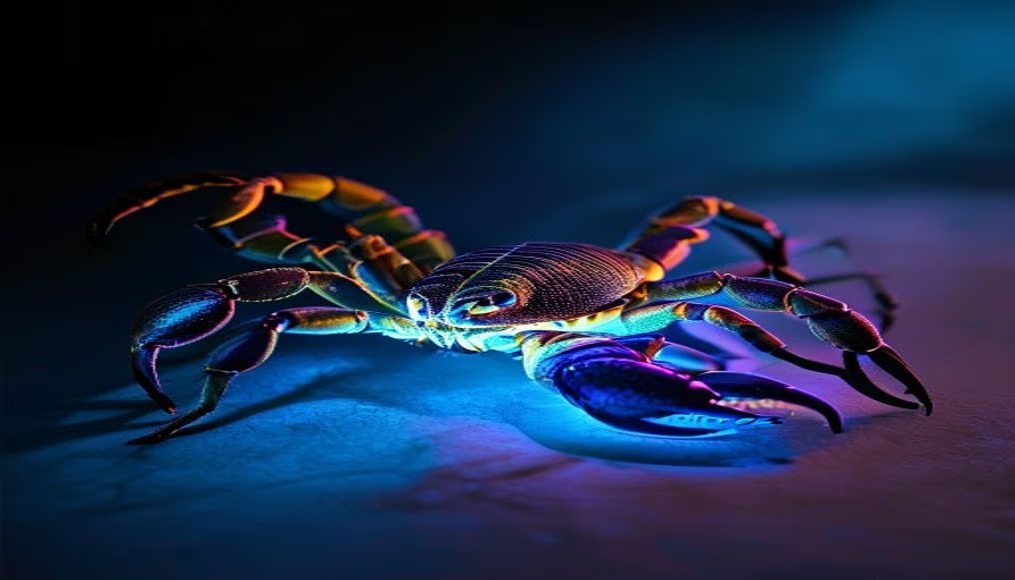
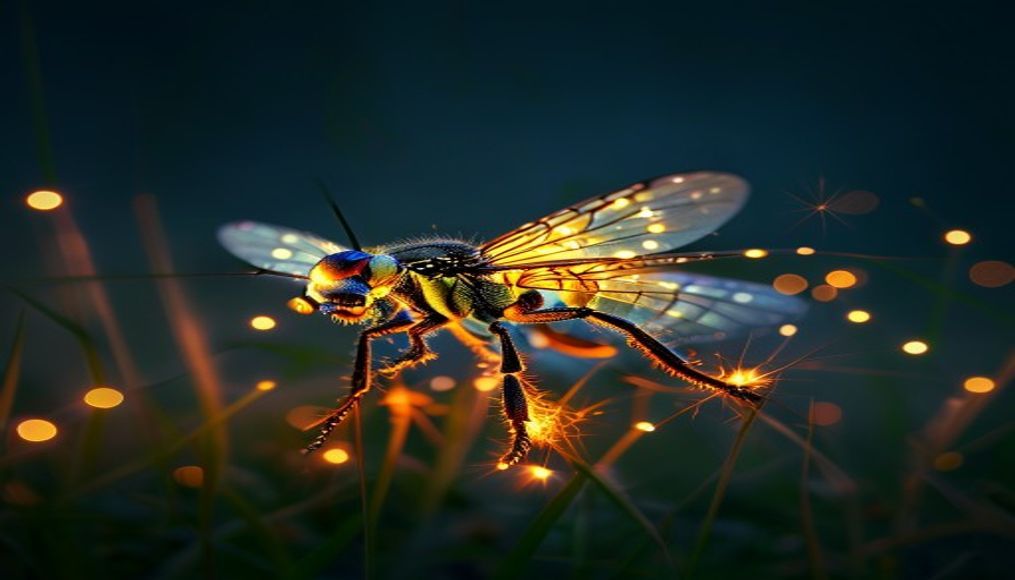
Scorpions glow under ultraviolet light due to chemical substances in their exoskeleton, a phenomenon that intrigues scientists and nature enthusiasts.
About this subject
Scorpions are arachnids of the order Scorpiones, renowned for their ability to fluoresce under ultraviolet (UV) light. This luminescence is caused by substances in the chitinous exoskeleton, such as beta-carbolines and proteins that react to UV energy, emitting a blue-green visible glow. The exact function of this glow is still debated: some hypotheses suggest it aids in communication between individuals, attracting prey, or camouflage in low-light environments. Studies indicate that fluorescence can vary by age, species, and even the scorpion's health status.
The phenomenon is most noticeable in nocturnal species, as many are active at night and have thicker cuticles that retain fluorescent compounds. Desert species, like the emperor scorpion (Pandinus imperator), display intense glow under UV, while others may have more subtle fluorescence. Interestingly, fossilized scorpions can also exhibit residual luminescence when exposed to UV light, aiding paleontologists in identifying fossils.
Culturally, scorpions are often linked to danger and mystery, but the fluorescence adds a layer of visual fascination. In nocturnal expeditions, researchers use UV flashlights to locate and study scorpions in their natural habitats, facilitating data collection on distribution and behavior. The glow also attracts public interest in zoos and science exhibitions.
The chemical basis of fluorescence involves compounds like beta-carboline, which are naturally fluorescent. Prolonged exposure to UV light can degrade these substances, but under normal conditions, the glow persists throughout the animal's life. Recent studies suggest that fluorescence may have evolved as a defense mechanism against nocturnal predators, as the glow patterns could confuse or warn potential threats.
Frequently Asked Questions
Why do scorpions glow in the dark under UV light?
The glow is caused by fluorescent substances in the exoskeleton, such as beta-carbolines, which absorb UV light and emit visible blue-green light. The exact function is still studied, but it may involve communication or camouflage.
Do all scorpions fluoresce under ultraviolet light?
Yes, all known scorpion species exhibit some degree of fluorescence under UV, though intensity varies. Nocturnal or desert species tend to glow more intensely.
Can the fluorescence of scorpions be harmful to them?
Prolonged exposure to UV light can degrade the fluorescent compounds, but under natural conditions, the glow does not cause harm. It is an adaptive trait that may aid survival.
Direct URL
https://pub-c7d6a6ea828543ac903a74a341ccb2e1.r2.dev/imagens/scorpion-uv-glow-magazine-editorial-p0.avifHow to credit
Include a visible link back to UtilizAí. Copy one of the snippets below:
<a href="https://xn--utiliza-eza.com/en/midia/imagens/scorpion-uv-glow-magazine-editorial-p0">Scorpion uv glow</a> by <a href="https://xn--utiliza-eza.com">UtilizAí</a>, licensed under <a href="https://creativecommons.org/licenses/by/4.0/">CC BY 4.0</a>.
[Scorpion uv glow](https://xn--utiliza-eza.com/en/midia/imagens/scorpion-uv-glow-magazine-editorial-p0) by [UtilizAí](https://xn--utiliza-eza.com), CC BY 4.0
License: CC-BY-4.0