Saxophone gold detail closeup
1344×768 · AVIF · CC BY 4.0
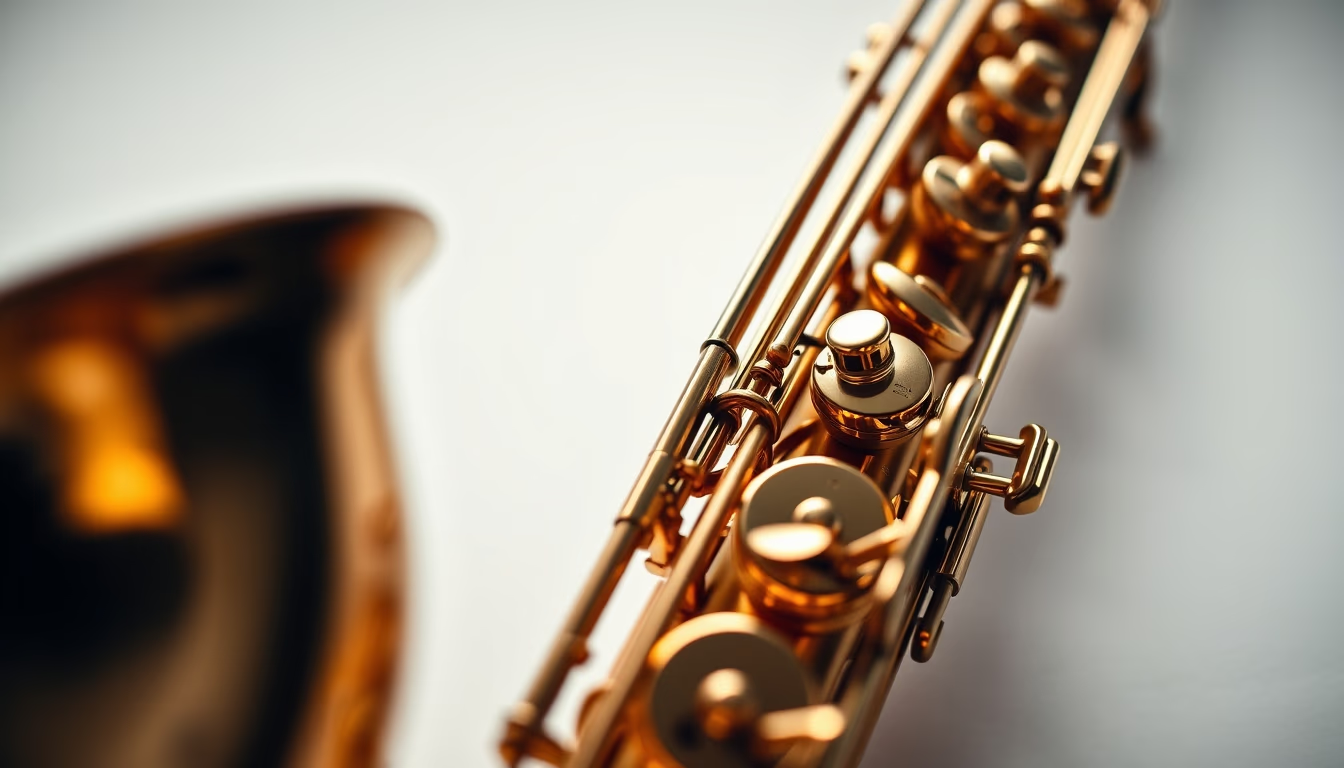
Gold details of the saxophone reveal the handcrafted engineering and design that define this classic instrument.
About this subject
The saxophone, invented by Belgian Adolphe Sax in 1840, combines the projection of a brass instrument with the flexibility of a woodwind. Its gold details, such as keys, screws, and trims, are not merely decorative: each part is machined with precision to ensure perfect sealing and tactile response for the musician. Real gold or gold plating was common on luxury models from the early 20th century, especially on Selmer (Paris) and Conn (USA) saxophones, prized for corrosion resistance and an aesthetic warmth that many believe enhances the tone.
During manufacturing, gold keys are often made of solid brass with 24-karat gold plating applied through galvanic processes. The ergonomic design of these mechanisms has been refined over decades: key placement allows fast, comfortable fingering essential for virtuosic passages in jazz and classical music. A professional tenor saxophone, for example, contains over 600 moving parts, all hand-adjusted by specialized artisans.
Culturally, the gold saxophone evokes the glamour of 1940s big bands and 1950s bebop. Musicians like Charlie Parker, John Coltrane, and Stan Getz played instruments with gold details that became visual icons of jazz. Today, gold finish remains an option on modern models, preserving aesthetic tradition while manufacturing technology evolves with metal alloys and surface treatments.
Fun fact: gold plating does not significantly alter sound but offers superior durability compared to other finishes. A 0.5-micron gold plating can last decades with proper maintenance. The choice of gold details often reflects the player's personality and connection to the instrument's history.
Frequently Asked Questions
Why do some saxophones have gold details?
Gold details, such as keys and trims, are applied for aesthetic and durability reasons. Gold resists corrosion and provides a classic look associated with high-quality instruments since the early 20th century.
Does gold plating improve saxophone sound?
There is no scientific consensus that gold plating significantly alters sound. Any perceived improvement in tone is minimal or nonexistent; it may come from the more careful adjustment of keys on luxury instruments.
How to care for a saxophone with gold details?
Avoid abrasive cleaners and wipe with a soft dry cloth after use. Gold plating can wear from sweat and humidity; some musicians recommend cotton gloves while playing to preserve the finish.
Direct URL
https://pub-c7d6a6ea828543ac903a74a341ccb2e1.r2.dev/imagens/saxophone-gold-detail-closeup-commercial-product-photography-p0.avifHow to credit
Include a visible link back to UtilizAí. Copy one of the snippets below:
<a href="https://xn--utiliza-eza.com/en/midia/imagens/saxophone-gold-detail-closeup-commercial-product-photography-p0">Saxophone gold detail closeup</a> by <a href="https://xn--utiliza-eza.com">UtilizAí</a>, licensed under <a href="https://creativecommons.org/licenses/by/4.0/">CC BY 4.0</a>.
[Saxophone gold detail closeup](https://xn--utiliza-eza.com/en/midia/imagens/saxophone-gold-detail-closeup-commercial-product-photography-p0) by [UtilizAí](https://xn--utiliza-eza.com), CC BY 4.0
License: CC-BY-4.0