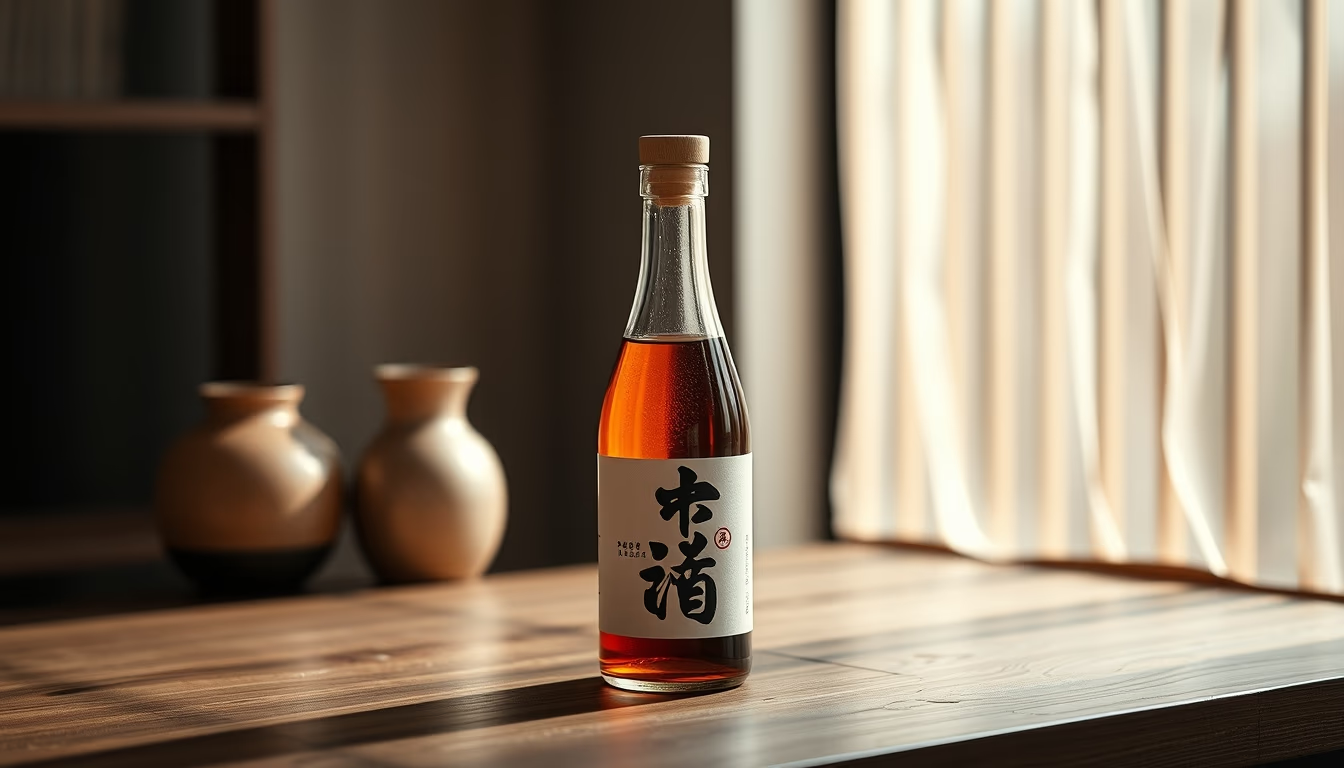
Sake bottle traditional
1344×768 · AVIF · CC BY 4.0
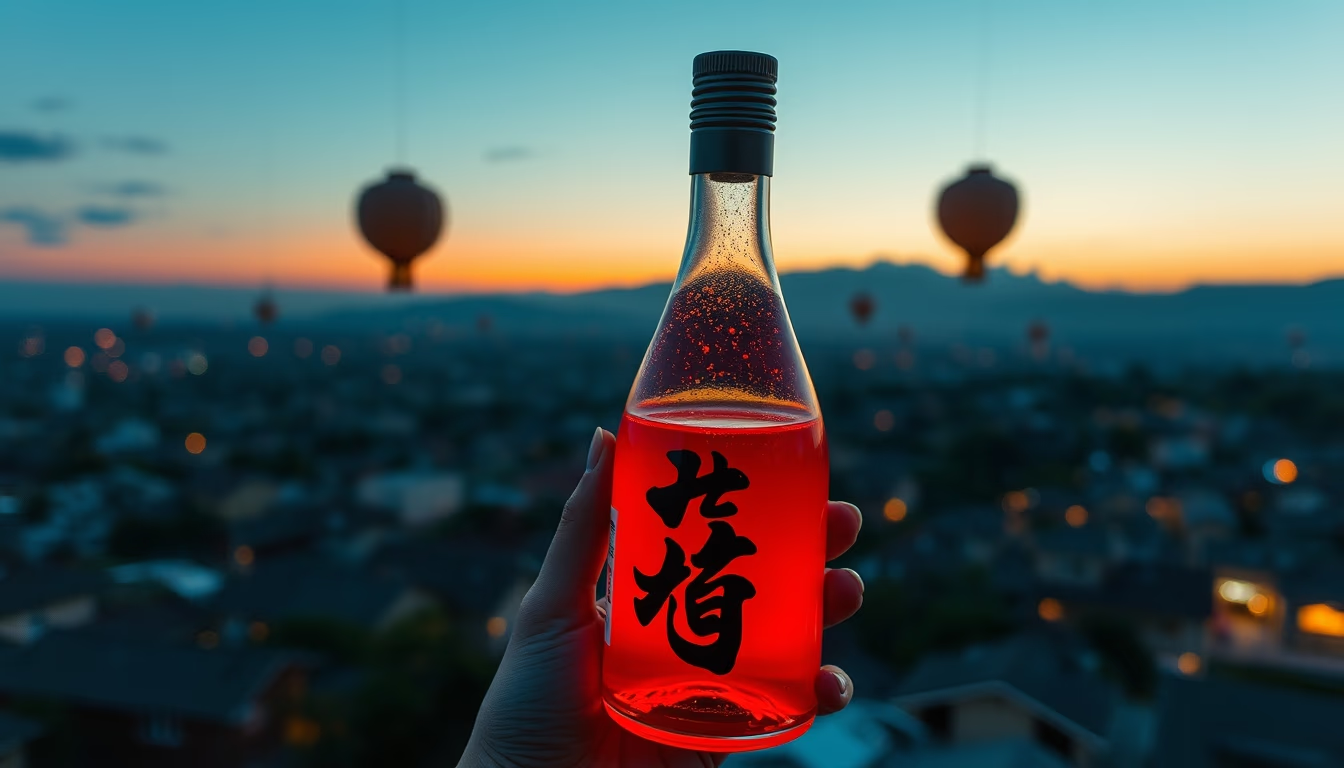
The traditional sake bottle, known as tokkuri, is an icon of Japanese culture, typically made of ceramic or porcelain and used to serve the fermented rice beverage.
About this subject
The traditional sake bottle, known as tokkuri, is a key element in the sake-drinking ceremony. Usually made of ceramic or porcelain, its elongated shape and narrow neck help preserve the aroma and temperature of the sake. It is accompanied by small cups called choko or guinomi.
The origin of tokkuri dates back to the Heian period (794-1185), when sake production became established in Japan. Initially simple and utilitarian, over time the bottles were decorated with glazes, seasonal patterns, and nature motifs, reflecting Japanese aesthetics. During the Edo period (1603-1868), pottery from regions like Seto and Arita became famous for producing tokkuri.
In the serving ritual, the bottle is heated in a water bath for warm sake or kept at room temperature for premium varieties. The act of pouring is considered a form of courtesy, where the host holds the tokkuri with both hands and fills the guest's cup until it slightly overflows, symbolizing generosity. Moreover, different shapes of tokkuri are used for specific sake types, such as karakuchi (dry) or amakuchi (sweet).
Today, tokkuri is also appreciated by collectors and designers, who create modern versions in glass or metal. The piece remains a symbol of Japanese hospitality and the art of enjoying sake.
Frequently Asked Questions
What is the difference between tokkuri and choshi?
Tokkuri is the most common name for the traditional sake bottle, usually made of ceramic. Choshi is a more generic term that can refer to containers for serving liquids, including sake, but it is also used for metal or wooden pitchers in ceremonial contexts.
How does the tokkuri influence the flavor of sake?
The ceramic material of the tokkuri helps maintain the sake's temperature longer. Additionally, the porous surface of some ceramics can smooth the texture of the drink. The narrow neck also concentrates aromas, enhancing the sensory experience.
What are common decoration types on tokkuri?
Decorations include wave patterns (seigaiha), cherry blossoms (sakura), pine trees (matsu), and seasonal motifs. Techniques such as glazing, hand-painting, and relief work are common, reflecting the region of production and the time of year.
Direct URL
https://pub-c7d6a6ea828543ac903a74a341ccb2e1.r2.dev/imagens/sake-bottle-traditional-aerial-drone-shot-p4.avifHow to credit
Include a visible link back to UtilizAí. Copy one of the snippets below:
<a href="https://xn--utiliza-eza.com/en/midia/imagens/sake-bottle-traditional-aerial-drone-shot-p4">Sake bottle traditional</a> by <a href="https://xn--utiliza-eza.com">UtilizAí</a>, licensed under <a href="https://creativecommons.org/licenses/by/4.0/">CC BY 4.0</a>.
[Sake bottle traditional](https://xn--utiliza-eza.com/en/midia/imagens/sake-bottle-traditional-aerial-drone-shot-p4) by [UtilizAí](https://xn--utiliza-eza.com), CC BY 4.0
License: CC-BY-4.0