Running track empty sunrise
1344×768 · AVIF · CC BY 4.0
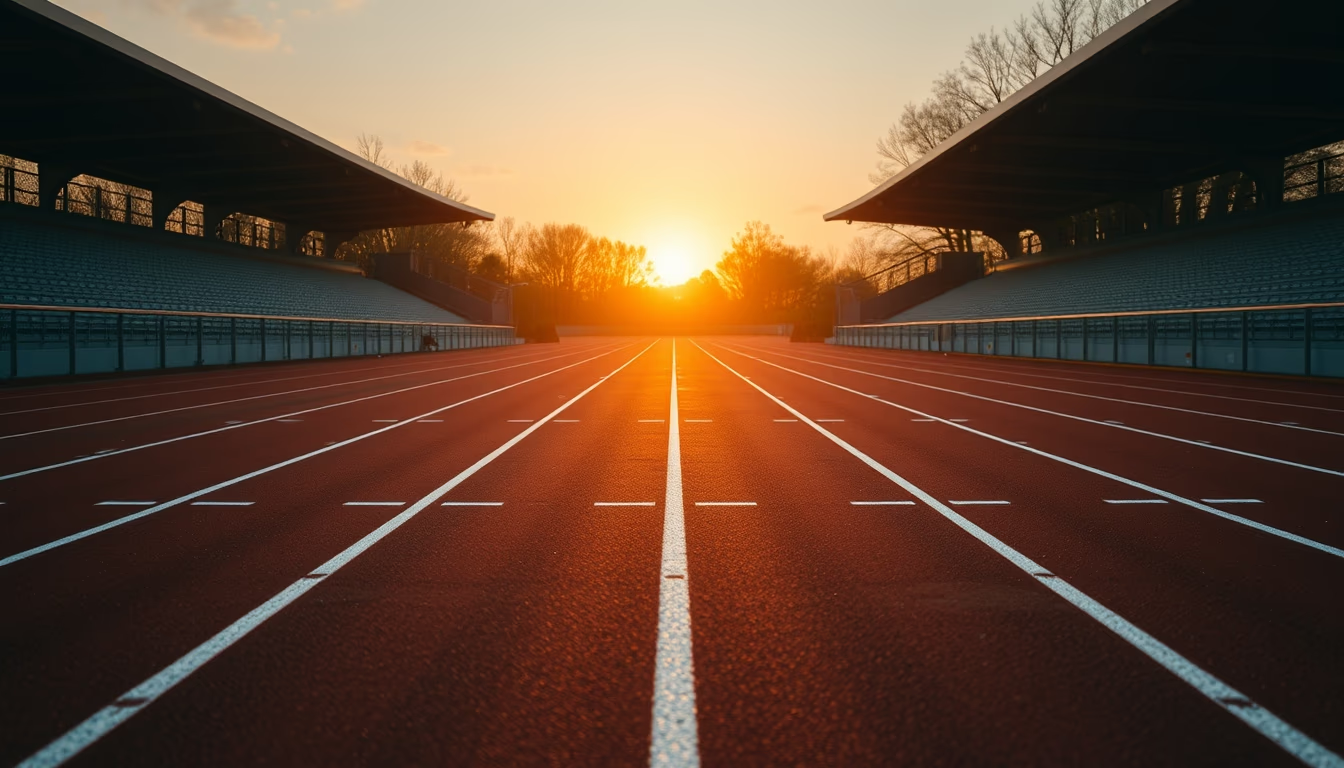
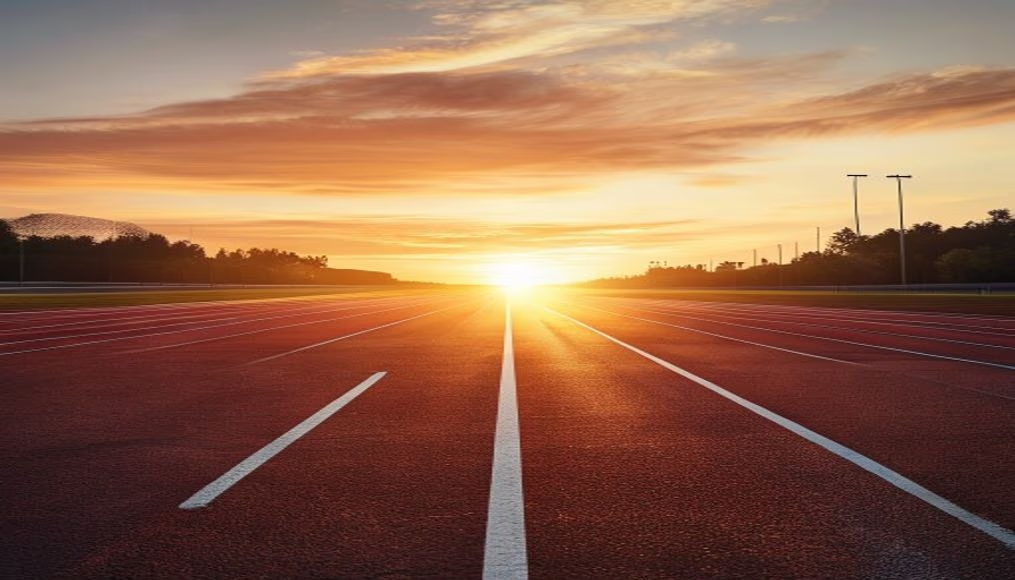
Empty running track at sunrise, symbolizing the start of new athletic challenges.
About this subject
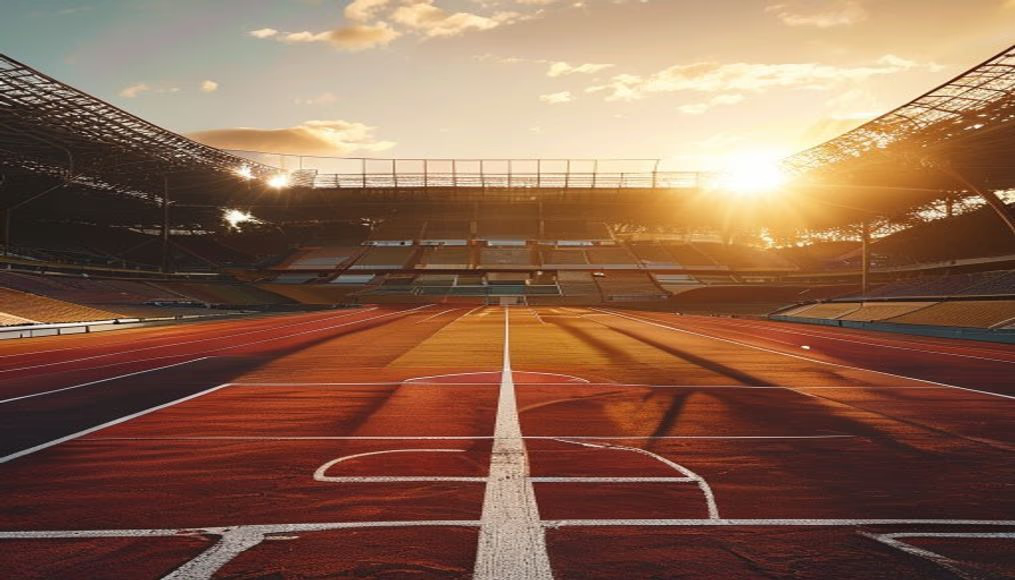
A running track is a key infrastructure in athletic competitions and training, designed for sprints and long-distance races. At sunrise, the environment takes on a unique energy, with sunlight creating contrast between the dark asphalt and orange skies. This time of day is favored by professional and amateur athletes for its cooler temperatures and fewer crowds. The first modern tracks appeared in the late 19th century during the 1896 Olympics, standardized at 400 meters. Interestingly, the white markings on tracks are made from hydrated lime, a bright and durable material. The combination of sunlight and an empty track is also common in editorial photography to convey themes of freedom and preparation for achievements.
Frequently Asked Questions
When is it most common to use a running track at sunrise?
Athletes train at sunrise to exploit cooler temperatures and avoid crowds, especially in warm climates.
What is the standard measurement for a running track?
The standardized circumference is 400 meters, established in the 1896 modern Olympics.
Why is sunrise lighting significant in track photography?
Golden hour creates chromatic contrast and symbolizes new beginnings, common in editorial projects.
Direct URL
https://pub-c7d6a6ea828543ac903a74a341ccb2e1.r2.dev/imagens/running-track-empty-sunrise-magazine-editorial-v8.avifHow to credit
Include a visible link back to UtilizAí. Copy one of the snippets below:
<a href="https://xn--utiliza-eza.com/en/midia/imagens/running-track-empty-sunrise-magazine-editorial-v8">Running track empty sunrise</a> by <a href="https://xn--utiliza-eza.com">UtilizAí</a>, licensed under <a href="https://creativecommons.org/licenses/by/4.0/">CC BY 4.0</a>.
[Running track empty sunrise](https://xn--utiliza-eza.com/en/midia/imagens/running-track-empty-sunrise-magazine-editorial-v8) by [UtilizAí](https://xn--utiliza-eza.com), CC BY 4.0
License: CC-BY-4.0