Rum aged in barrel
1344×768 · AVIF · CC BY 4.0
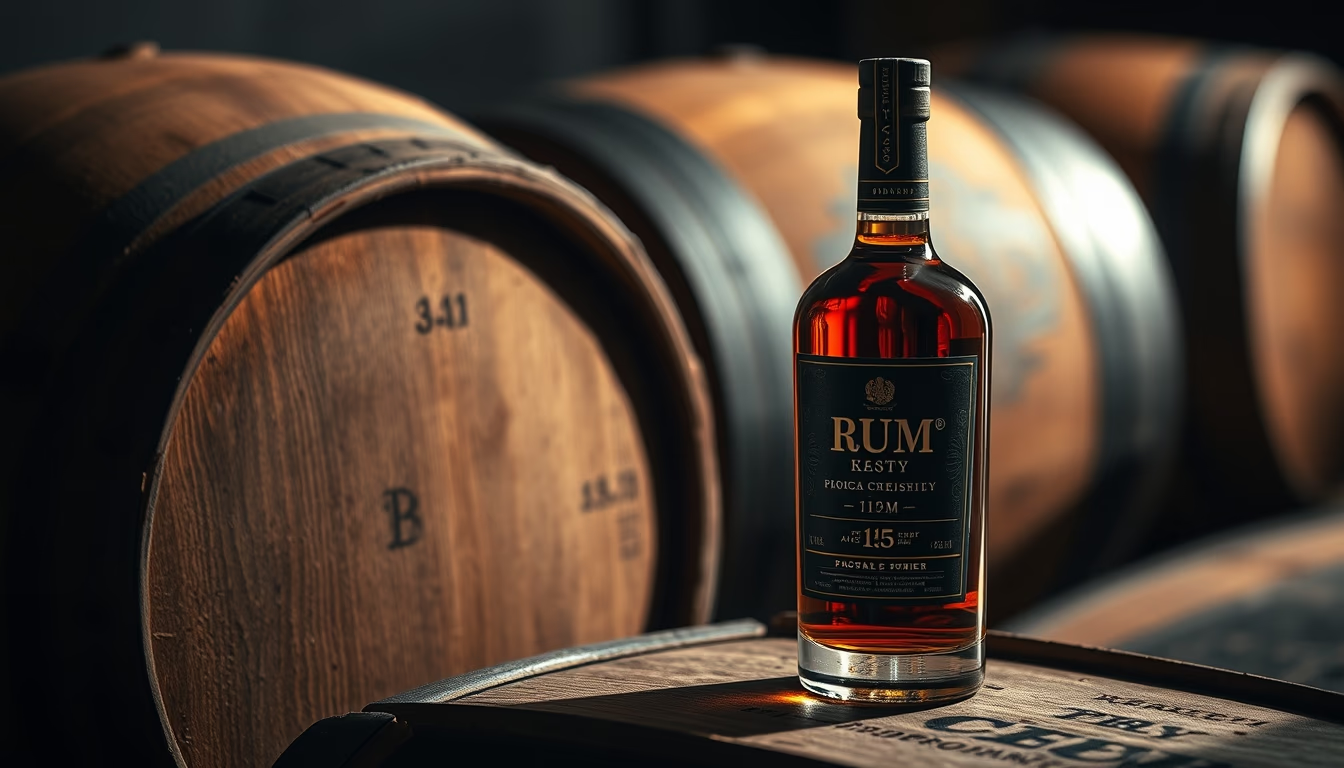
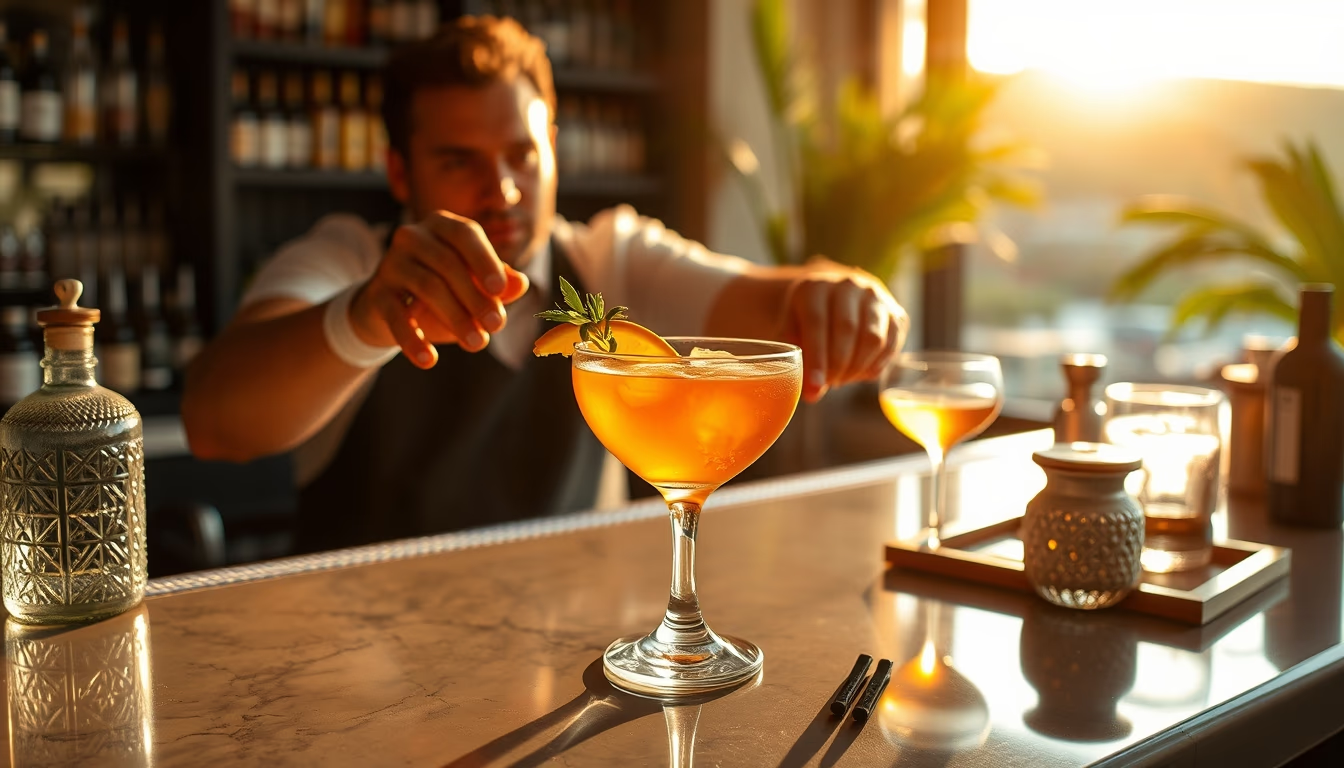
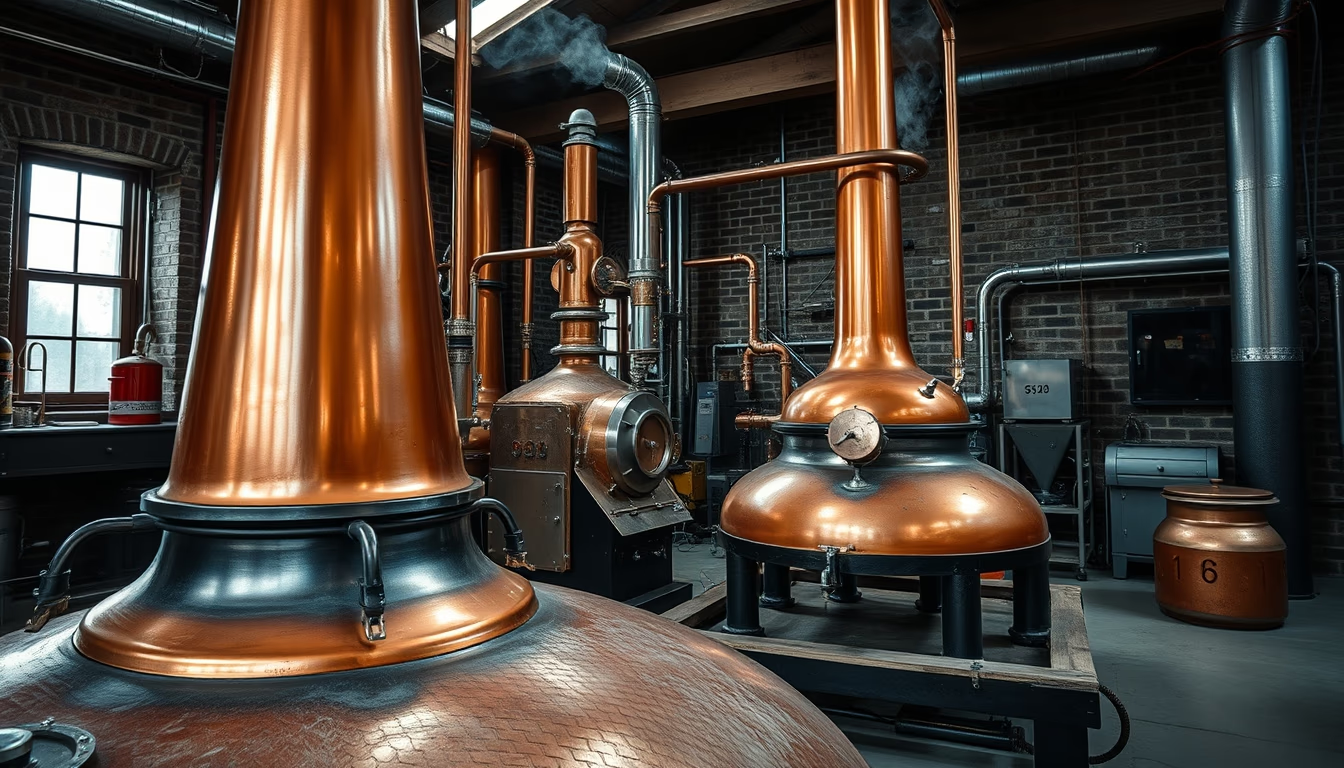
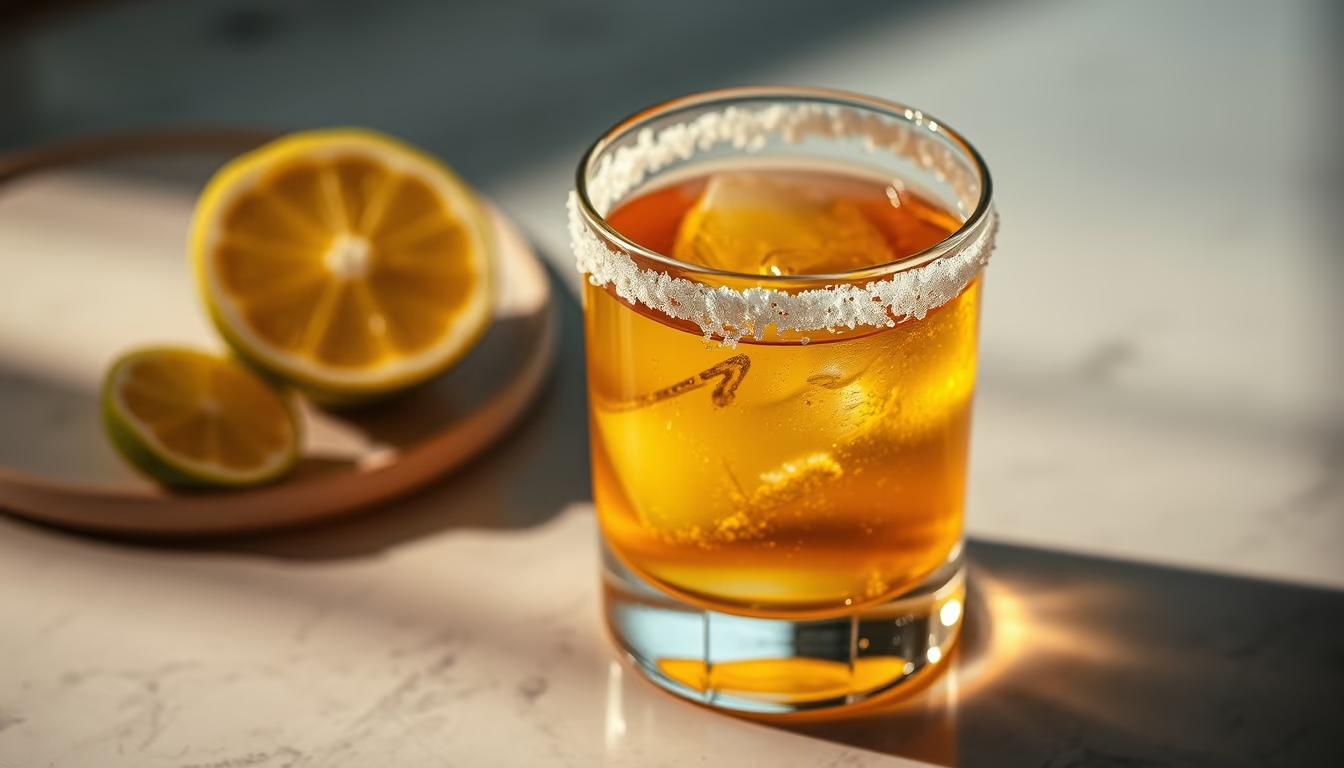
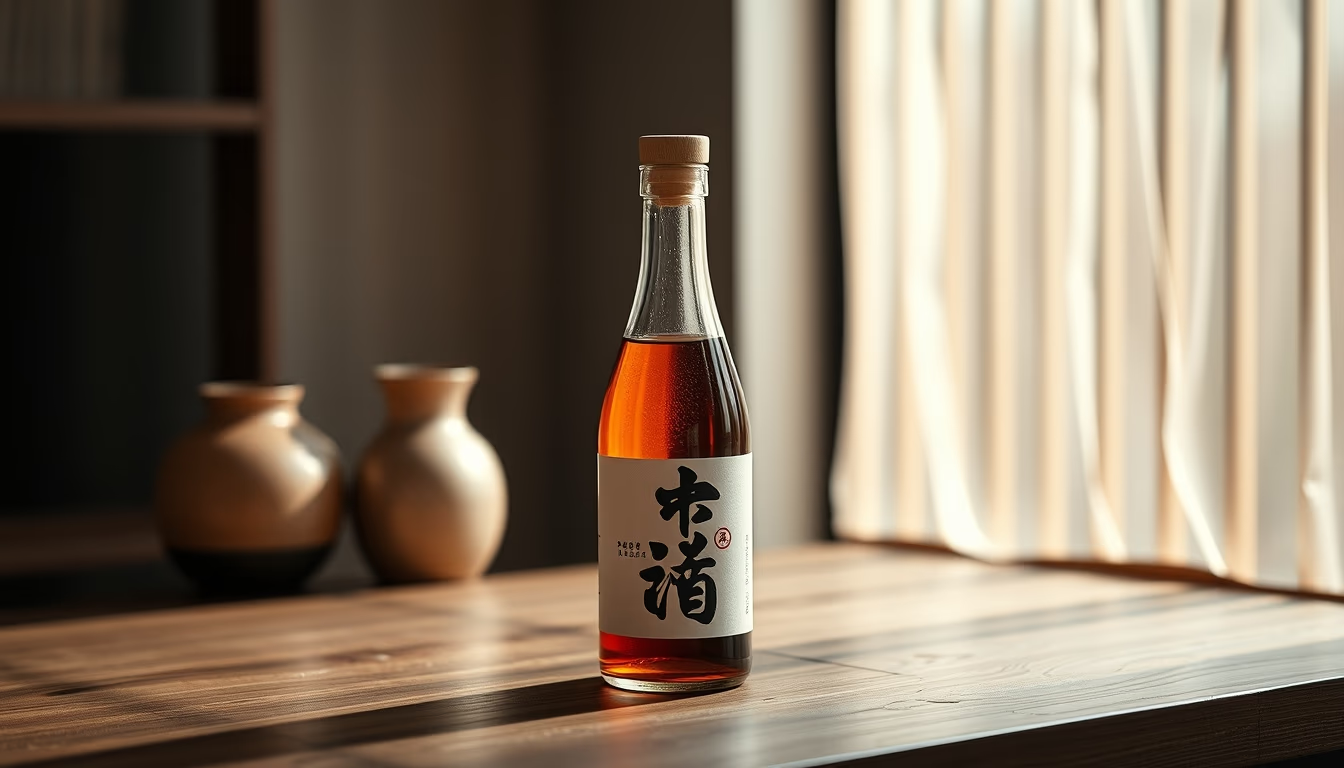
Barrel-aged rum develops color, flavor, and aroma, a crucial step in crafting premium spirits.
About this subject
Barrel aging is a critical step in rum production, especially for premium expressions. Traditionally, rum is aged in oak barrels, often from bourbon or American whiskey, which have been used before. This reuse is not just economical: it allows the rum to pick up vanilla, caramel, and spice notes without overwhelming woodiness. The tropical climate of producing countries like Jamaica, Cuba, and Brazil accelerates aging, as higher temperature and humidity cause the liquid to interact faster with the wood. This means a three-year-old rum in the tropics can be as complex as a ten-year-old one in a temperate climate.
The aging process does more than impart color: it smoothens the spirit, integrating volatile compounds and reducing the harshness of alcohol. Barrels also allow micro-oxygenation, which contributes to the development of esters and fruity aromas. Many producers use the solera system, common in Spanish-style rums, where different vintages are blended over time to maintain consistency. In contrast, English-style rums often have an age statement, such as 8 or 12 years, indicating the youngest rum in the blend. Regulations vary globally: in the European Union, an aged rum must spend at least one year in barrel, while in the United States, there is no minimum requirement for the category.
The history of barrel-aged rum dates back to the 17th century in the Caribbean, when producers noticed that contact with oak wood improved flavor. American white oak (Quercus alba) barrels became the most common due to their sealing ability and flavor contribution. Today, craft producers experiment with French oak, chestnut, or even ex-port wine barrels, creating unique profiles. Aging is not just a technique: it is an art that requires knowledge of climate, barrel type, and the necessary time for each batch.
Frequently Asked Questions
What is the difference between aged and unaged rum?
Aged rum spends time in wooden barrels, developing color, aroma, and complex flavors along with a smoother texture. Unaged rum (white) is usually filtered and bottled soon after distillation, resulting in a more neutral flavor and clear appearance.
What type of barrel is most commonly used for aging rum?
American oak (Quercus alba) barrels, especially ex-bourbon, are most common. They impart vanilla, caramel, and spice notes. Producers also use French oak, chestnut, or ex-port wine barrels for unique profiles.
Does aging time determine rum quality?
Not necessarily. Tropical climate accelerates maturation, so a 3-year-old rum can be as complex as a 10-year-old in a temperate climate. Quality also depends on barrel type, base distillate, and artisanal production methods.
Direct URL
https://pub-c7d6a6ea828543ac903a74a341ccb2e1.r2.dev/imagens/rum-aged-in-barrel-magazine-editorial-p5.avifHow to credit
Include a visible link back to UtilizAí. Copy one of the snippets below:
<a href="https://xn--utiliza-eza.com/en/midia/imagens/rum-aged-in-barrel-magazine-editorial-p5">Rum aged in barrel</a> by <a href="https://xn--utiliza-eza.com">UtilizAí</a>, licensed under <a href="https://creativecommons.org/licenses/by/4.0/">CC BY 4.0</a>.
[Rum aged in barrel](https://xn--utiliza-eza.com/en/midia/imagens/rum-aged-in-barrel-magazine-editorial-p5) by [UtilizAí](https://xn--utiliza-eza.com), CC BY 4.0
License: CC-BY-4.0