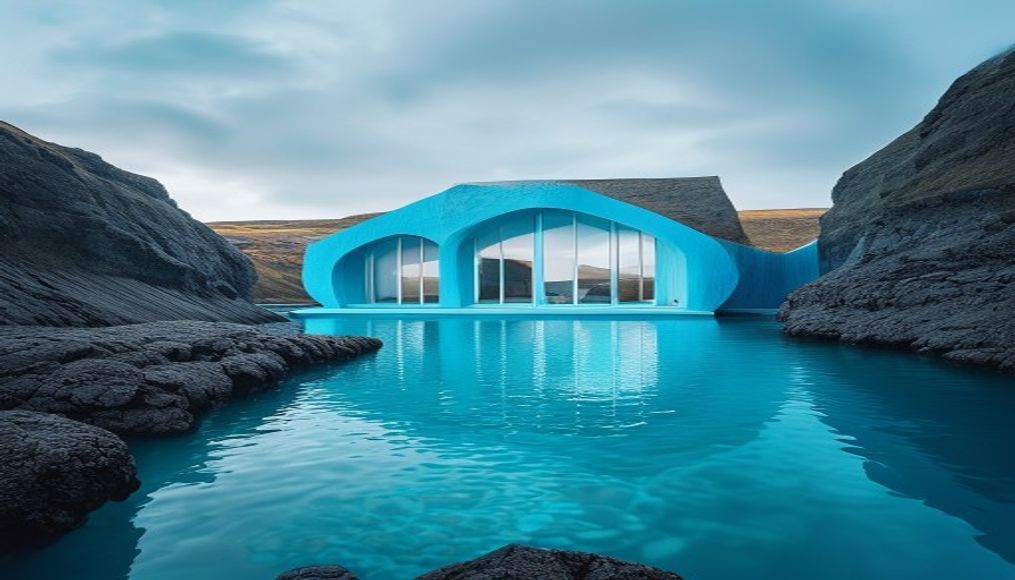
Rotorua geothermal nz
1344×768 · AVIF · CC BY 4.0
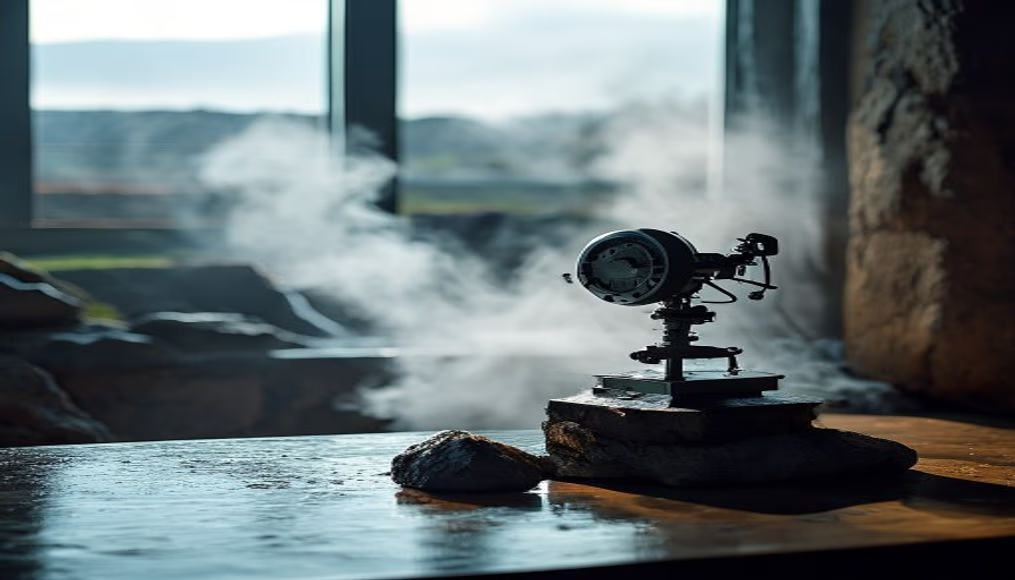
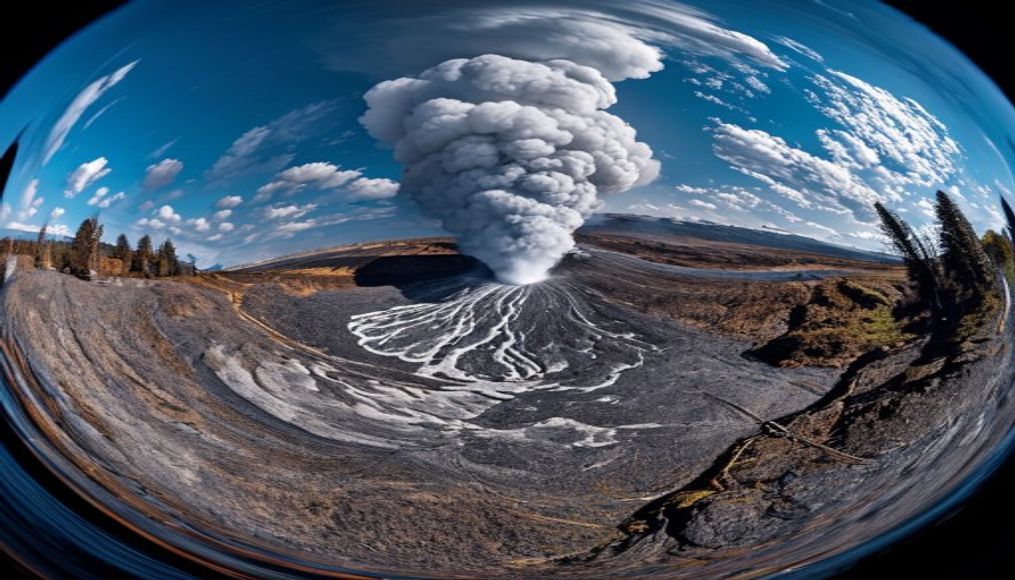
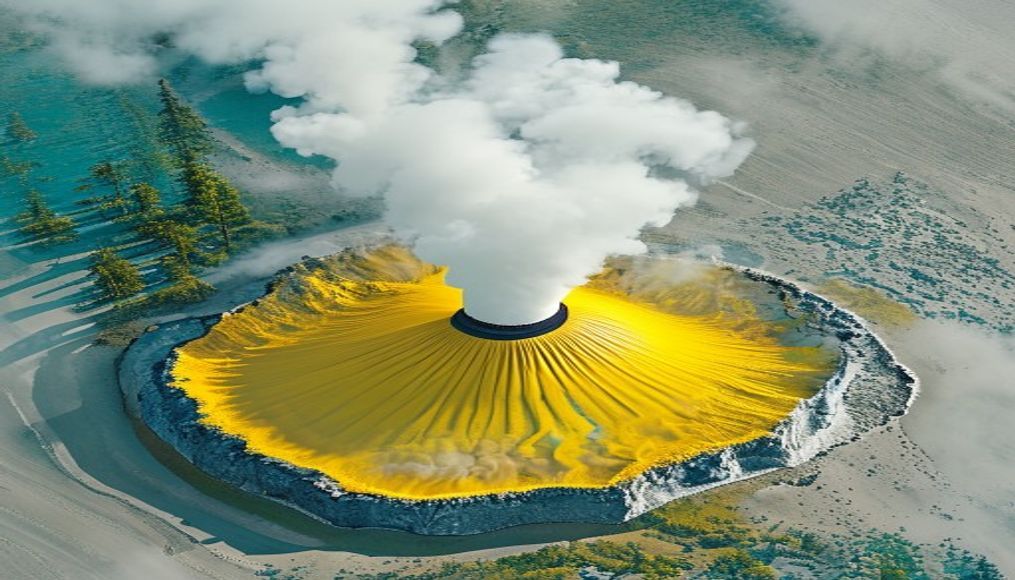
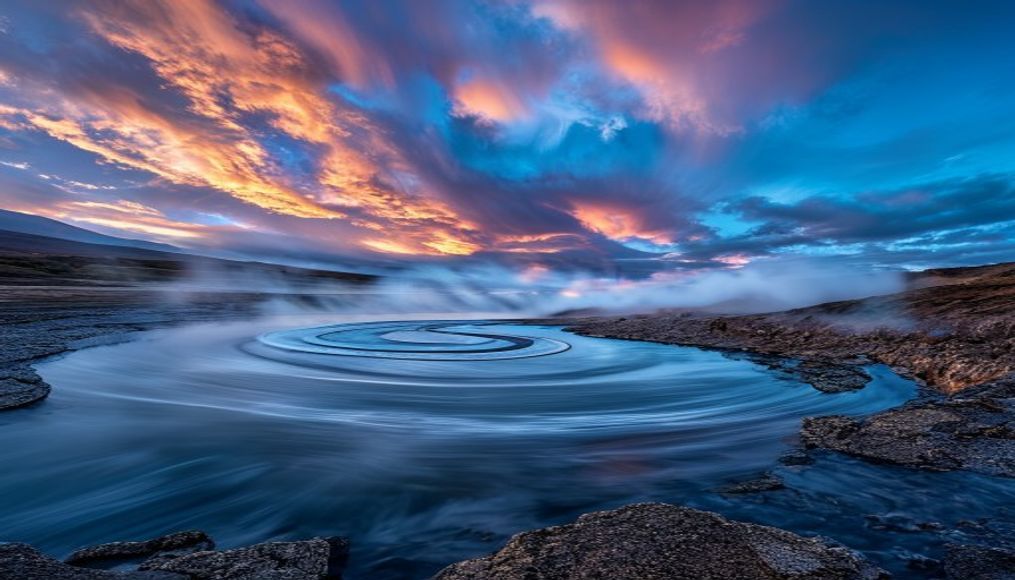
Rotorua, New Zealand, is one of the world's most impressive geothermal destinations, featuring geysers, boiling mud pools, and hot springs.
About this subject
Rotorua is located in the Taupo Volcanic Zone, a geologically active region on New Zealand's North Island. The area boasts an exceptional concentration of geothermal features, including the famous Pohutu Geyser, which erupts several times daily, reaching heights of up to 30 meters. Boiling mud pools, such as those at Hell's Gate, are formed by volcanic acids dissolving rocks, creating mineral-rich mud used in spa treatments.
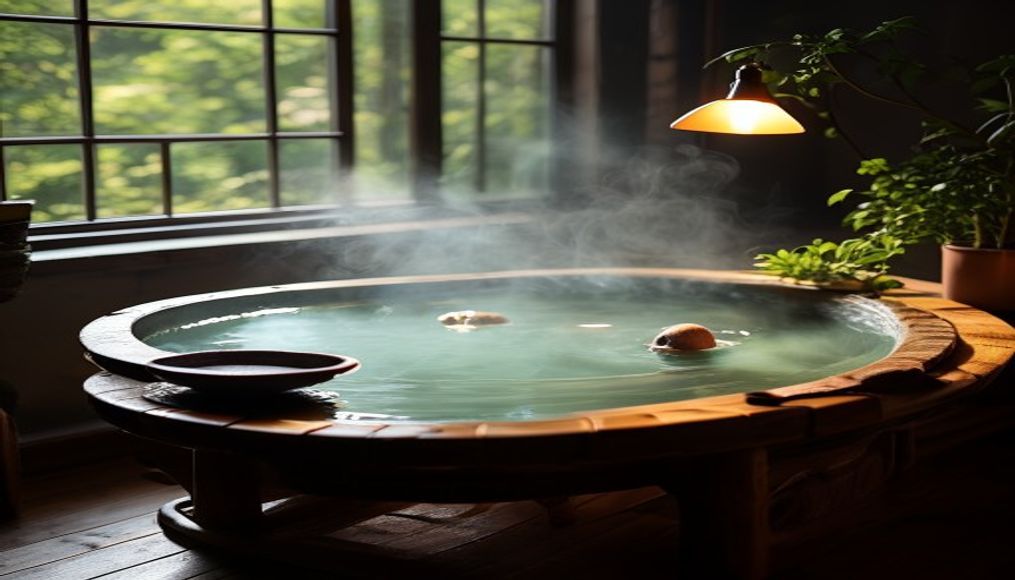
For the Maori people, especially the Te Arawa tribe, the geothermal landscape holds deep cultural and spiritual significance. Hot springs have been used for centuries for cooking, heating, and healing. The Whakarewarewa geothermal valley is a major tourist site where Maori guides explain traditions and the science behind the phenomena. The region is also a premier wellness destination, with thermal baths like Polynesian Spa, using waters rich in silica and sulfate.
Rotorua's geothermal activity results from a shallow magma chamber near the surface. Rainwater seeps into the ground, is heated by magma, and returns to the surface as steam and hot water. Temperatures can reach 200°C at depth. Besides geysers, there are colorful silica terraces, such as the lost Pink and White Terraces (submerged after the 1886 Mount Tarawera eruption), but smaller formations remain scattered. The city has a distinct sulfur smell due to hydrogen sulfide gas.
Rotorua attracts about 3.5 million visitors annually, making it one of New Zealand's most popular destinations. Geothermal tourism is complemented by activities like mountain biking and lake fishing. Conservation is crucial: thermal areas are fragile, and some features change with earthquakes or seasonal variations. The city also harnesses geothermal energy for electricity generation, contributing to New Zealand's renewable energy mix.
Frequently Asked Questions
What causes the rotten egg smell in Rotorua?
The distinctive smell is from hydrogen sulfide gas (H₂S), naturally released by hot springs and geysers. Although strong, it is harmless at low concentrations and is part of the geothermal experience.
Do Rotorua geysers erupt at predictable times?
The Pohutu Geyser erupts about every one to two hours, but not at fixed times. Visitor centers provide forecasts to help you catch the spectacle.
Is it safe to swim in Rotorua's hot springs?
Yes, in designated areas like Polynesian Spa or public baths. However, unmarked natural springs may have extreme temperatures or high acidity, making them dangerous. Always follow local guidance.
Direct URL
https://pub-c7d6a6ea828543ac903a74a341ccb2e1.r2.dev/imagens/rotorua-geothermal-nz-studio-still-life-p3.avifHow to credit
Include a visible link back to UtilizAí. Copy one of the snippets below:
<a href="https://xn--utiliza-eza.com/en/midia/imagens/rotorua-geothermal-nz-studio-still-life-p3">Rotorua geothermal nz</a> by <a href="https://xn--utiliza-eza.com">UtilizAí</a>, licensed under <a href="https://creativecommons.org/licenses/by/4.0/">CC BY 4.0</a>.
[Rotorua geothermal nz](https://xn--utiliza-eza.com/en/midia/imagens/rotorua-geothermal-nz-studio-still-life-p3) by [UtilizAí](https://xn--utiliza-eza.com), CC BY 4.0
License: CC-BY-4.0