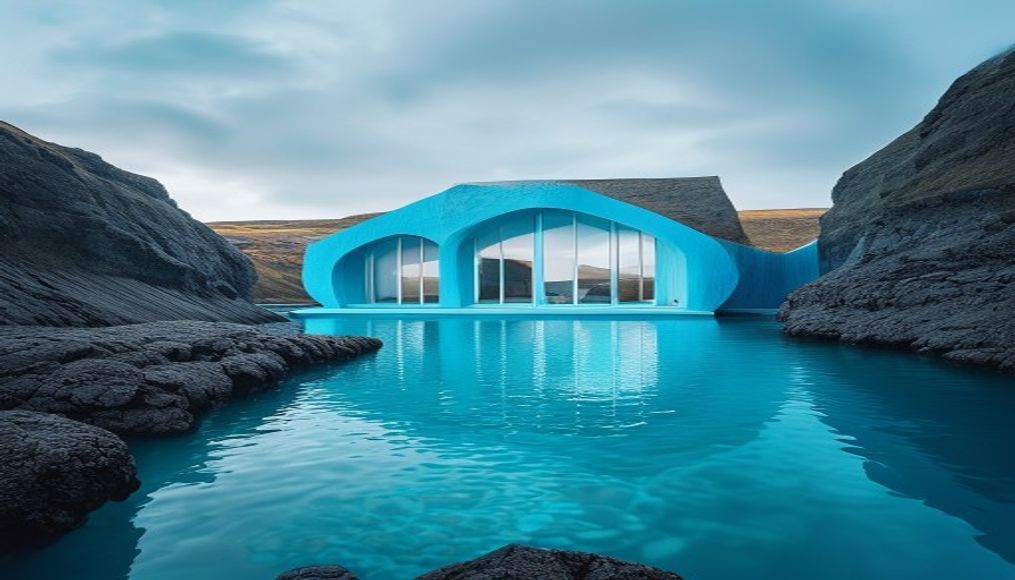
Rotorua geothermal nz
1344×768 · AVIF · CC BY 4.0
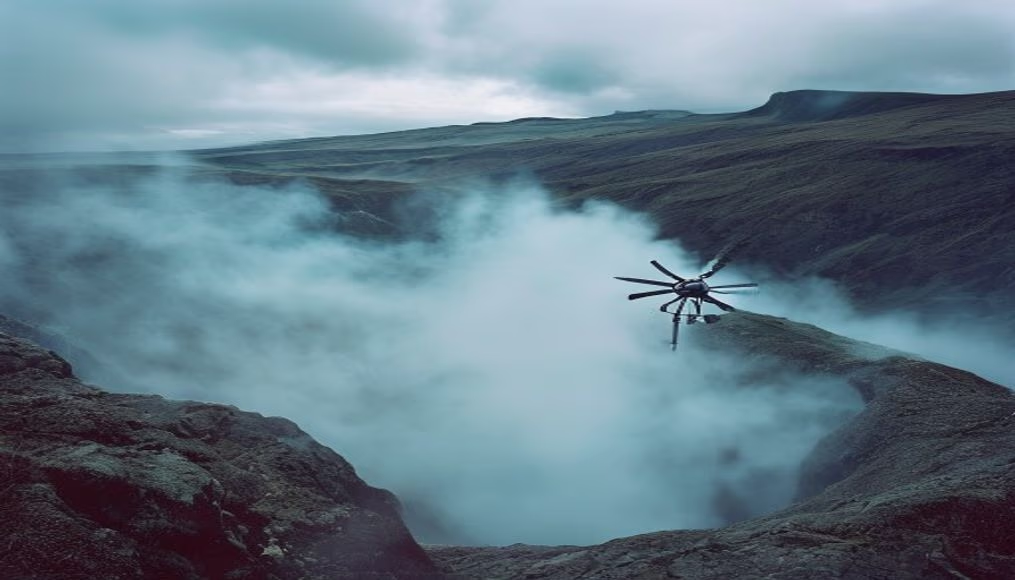
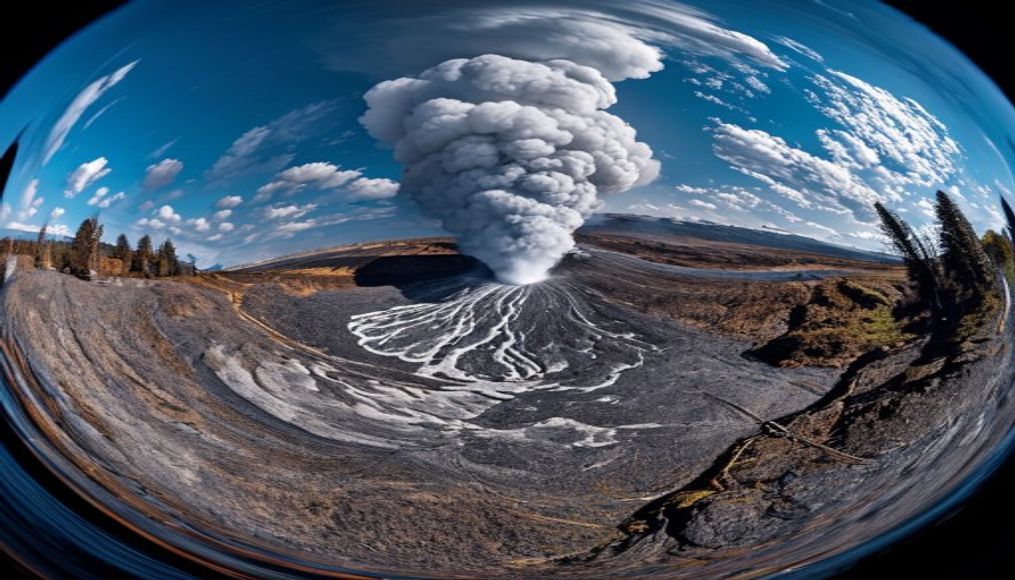
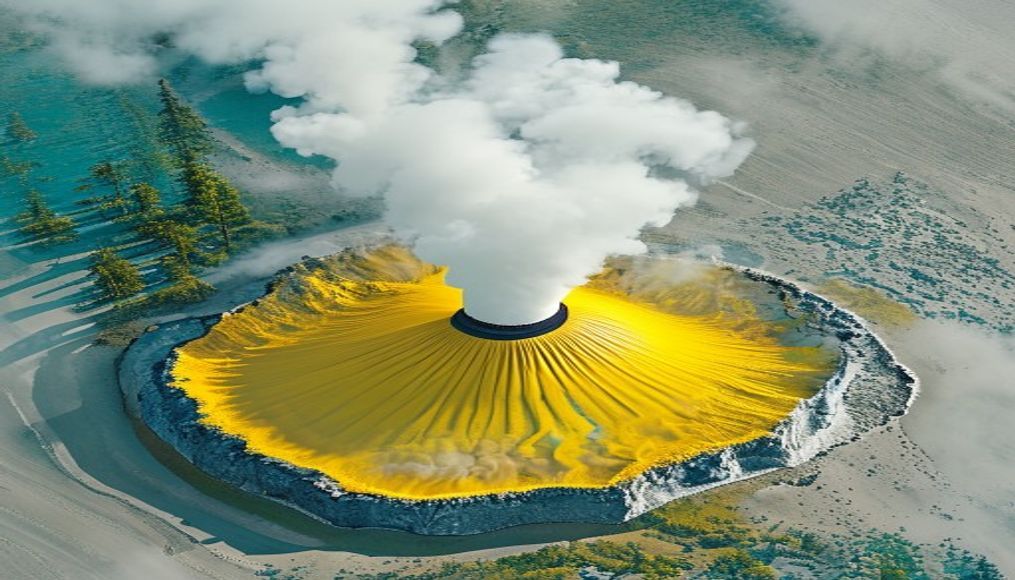
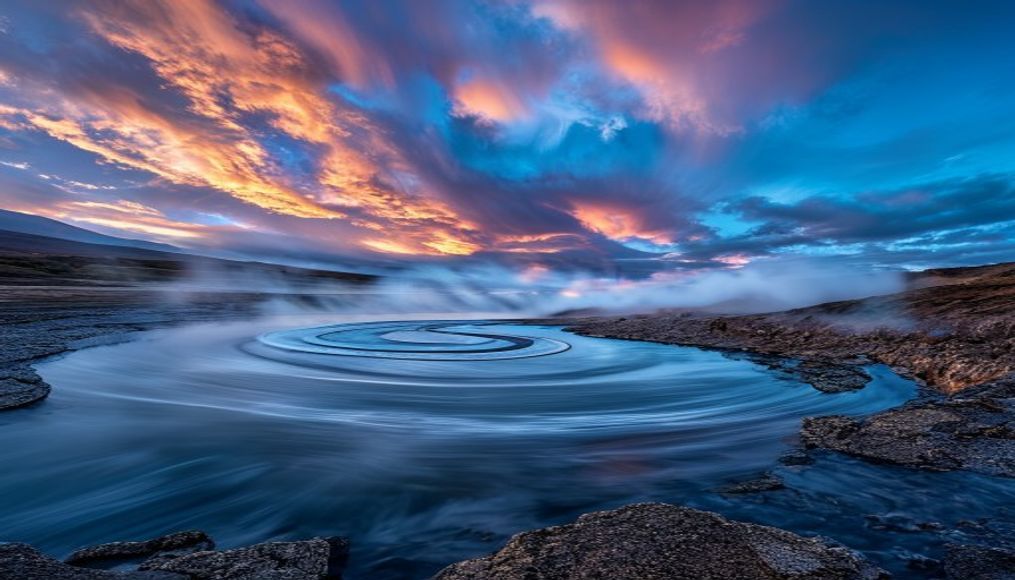
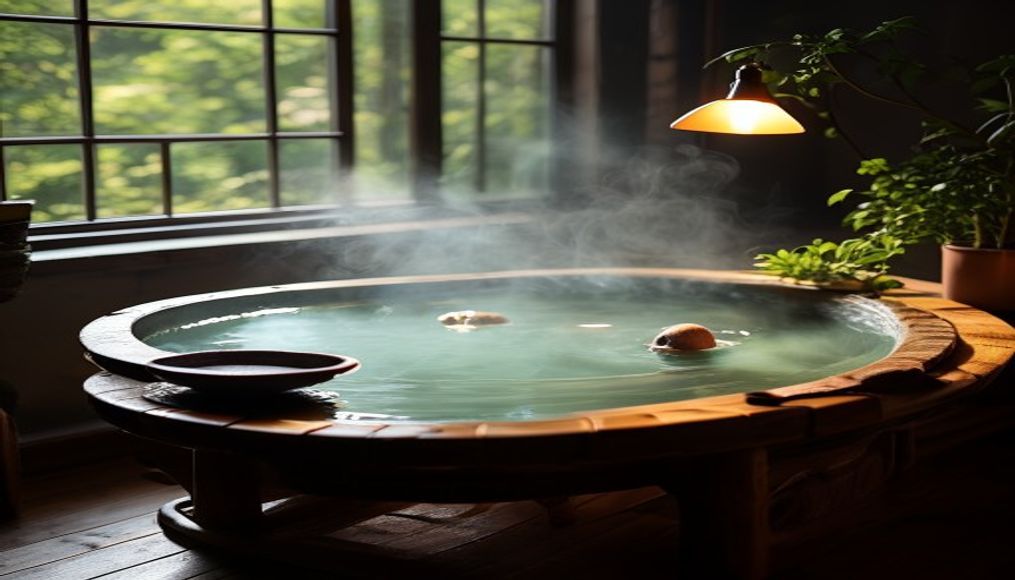
Rotorua, on New Zealand's North Island, hosts one of the world's most active geothermal fields, with geysers, mud pools, and hot springs.
About this subject
Rotorua is a city in the Bay of Plenty region on New Zealand's North Island, situated atop the Taupo Volcanic Zone, an area of intense geothermal activity. This activity results from the movement of the Pacific and Australian tectonic plates, generating heat and pressure underground. The region features numerous geysers, such as Pohutu, which erupts several times a day, along with bubbling mud pools and mineral-rich hot springs.
For the Māori people, who have inhabited the area for centuries, the hot springs hold great cultural and practical significance. They use geothermal heat to cook food in underground ovens called hangi, and the warm waters are used for medicinal baths and ceremonies. The name Rotorua means 'second lake' in Māori, referring to Lake Rotorua, which occupies a volcanic caldera.
Tourism is a central economic activity in the region. Parks like Te Puia and Wai-O-Tapu offer guided tours to observe geothermal formations, including colorful silica terraces and volcanic craters. The characteristic smell of sulfur is omnipresent, resulting from the release of gases like hydrogen sulfide. While a tourist attraction, the area requires constant monitoring due to volcanic hazards and landscape changes.
Interestingly, Rotorua is also known for its Tudor-style Edwardian architecture, built in the early 20th century, which contrasts with the natural environment. The city recovered from a devastating volcanic eruption in 1886, the Mount Tarawera eruption, which destroyed villages and formed new craters. Today, geothermal energy is harnessed to generate electricity and heat homes, making Rotorua an example of sustainable resource use.
Frequently Asked Questions
What causes the geothermal activity in Rotorua?
The geothermal activity is caused by the movement of the Pacific and Australian tectonic plates, generating intense heat underground. The region lies on the Taupo Volcanic Zone, an area of high volcanic activity.
Why is the sulfur smell so strong in Rotorua?
The sulfur smell comes from the release of hydrogen sulfide and other gases from hot springs and geysers. It is a characteristic odor of the local geothermal activity.
What are the main geothermal tourist attractions in Rotorua?
Key attractions include Te Puia (with the Pohutu geyser and Māori arts school), Wai-O-Tapu (with colorful silica terraces), and Hell's Gate Geothermal Park.
Direct URL
https://pub-c7d6a6ea828543ac903a74a341ccb2e1.r2.dev/imagens/rotorua-geothermal-nz-film-grain-authentic-p1.avifHow to credit
Include a visible link back to UtilizAí. Copy one of the snippets below:
<a href="https://xn--utiliza-eza.com/en/midia/imagens/rotorua-geothermal-nz-film-grain-authentic-p1">Rotorua geothermal nz</a> by <a href="https://xn--utiliza-eza.com">UtilizAí</a>, licensed under <a href="https://creativecommons.org/licenses/by/4.0/">CC BY 4.0</a>.
[Rotorua geothermal nz](https://xn--utiliza-eza.com/en/midia/imagens/rotorua-geothermal-nz-film-grain-authentic-p1) by [UtilizAí](https://xn--utiliza-eza.com), CC BY 4.0
License: CC-BY-4.0