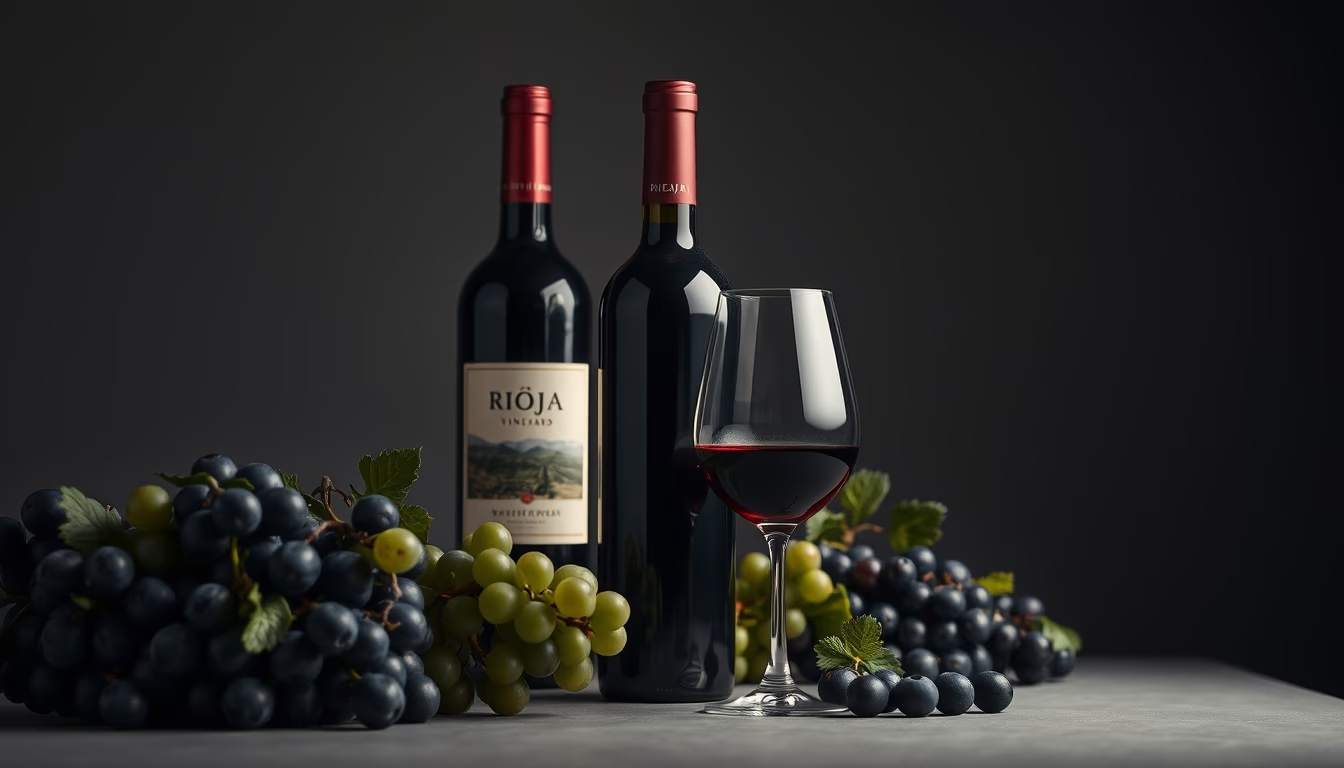
Rioja spain vineyards
1344×768 · AVIF · CC BY 4.0
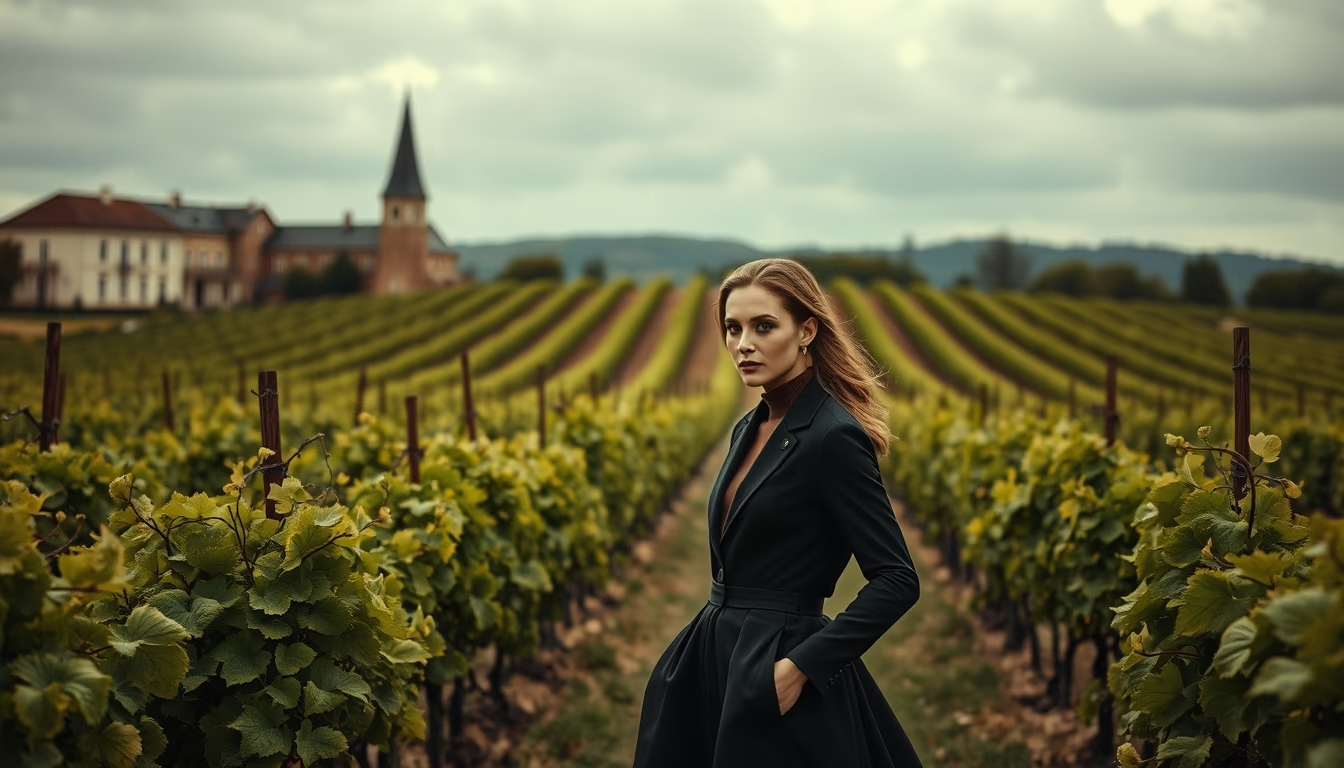
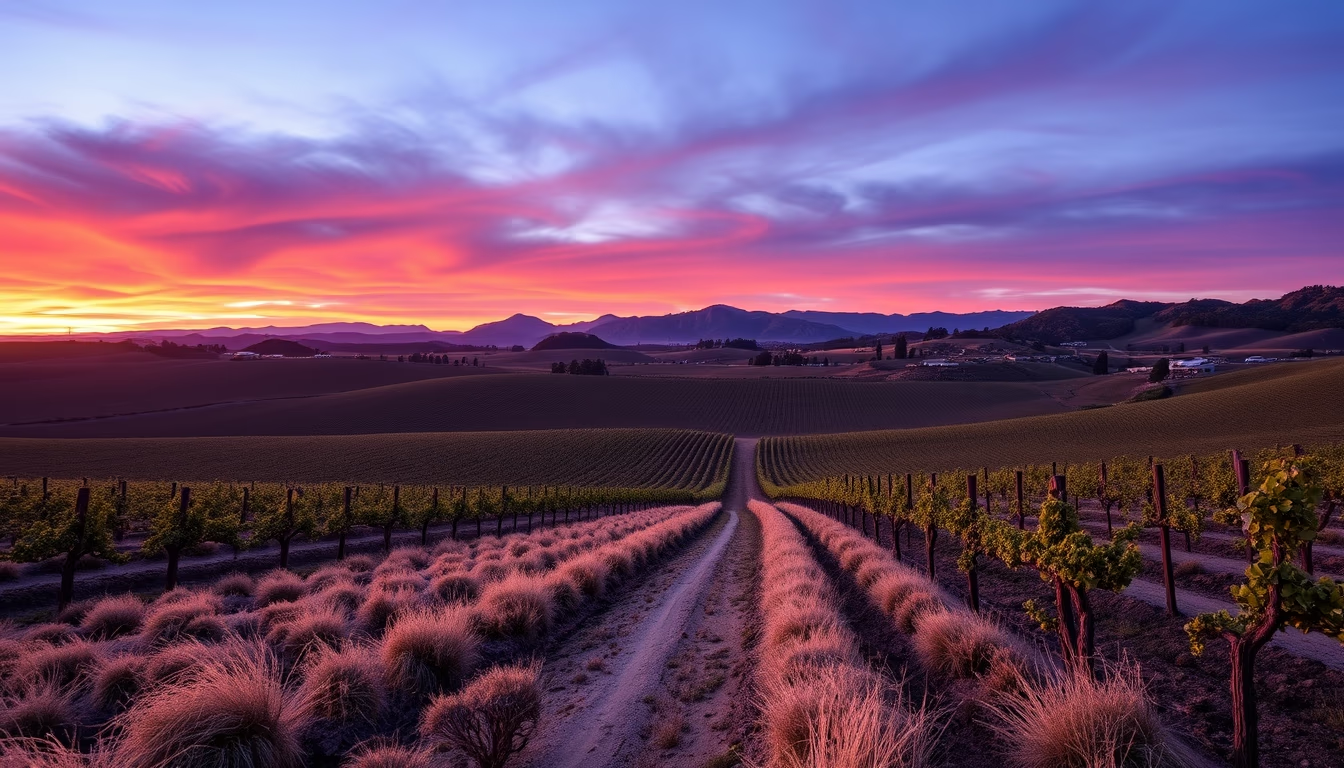
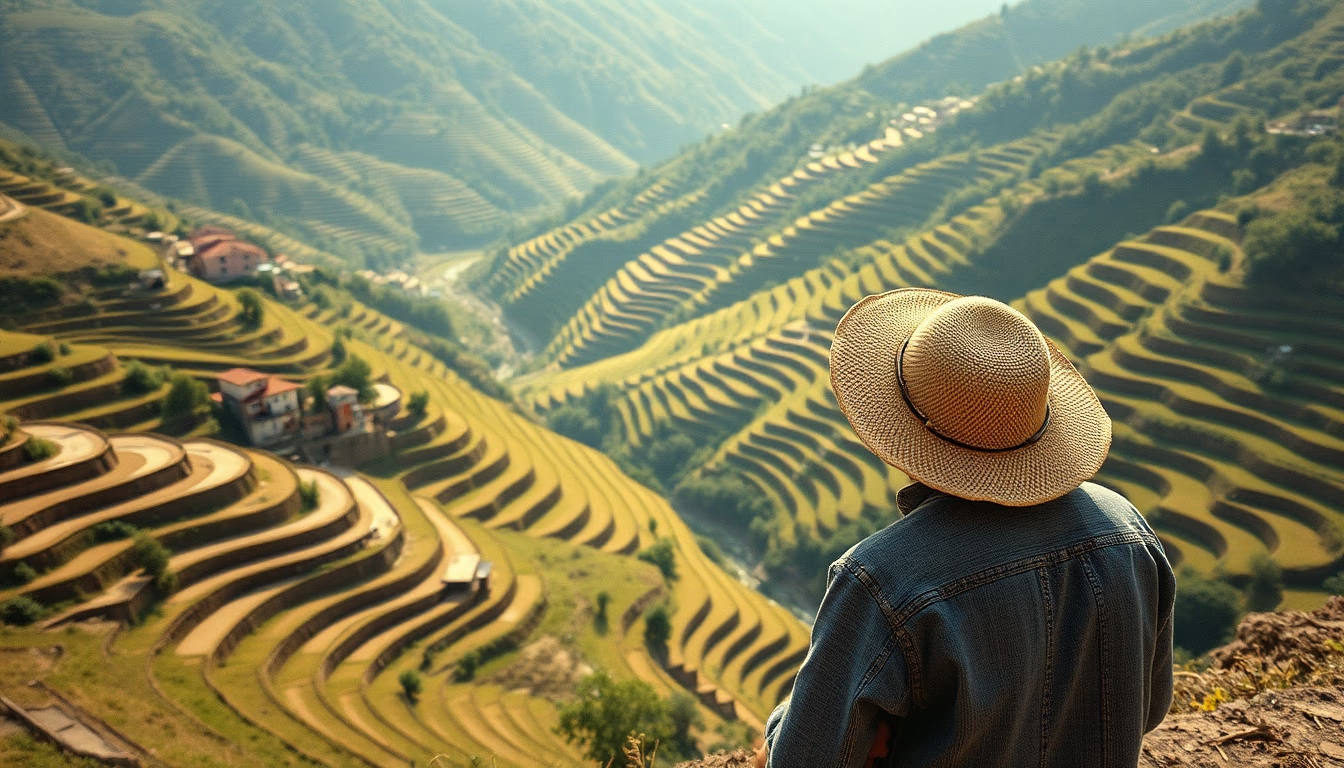
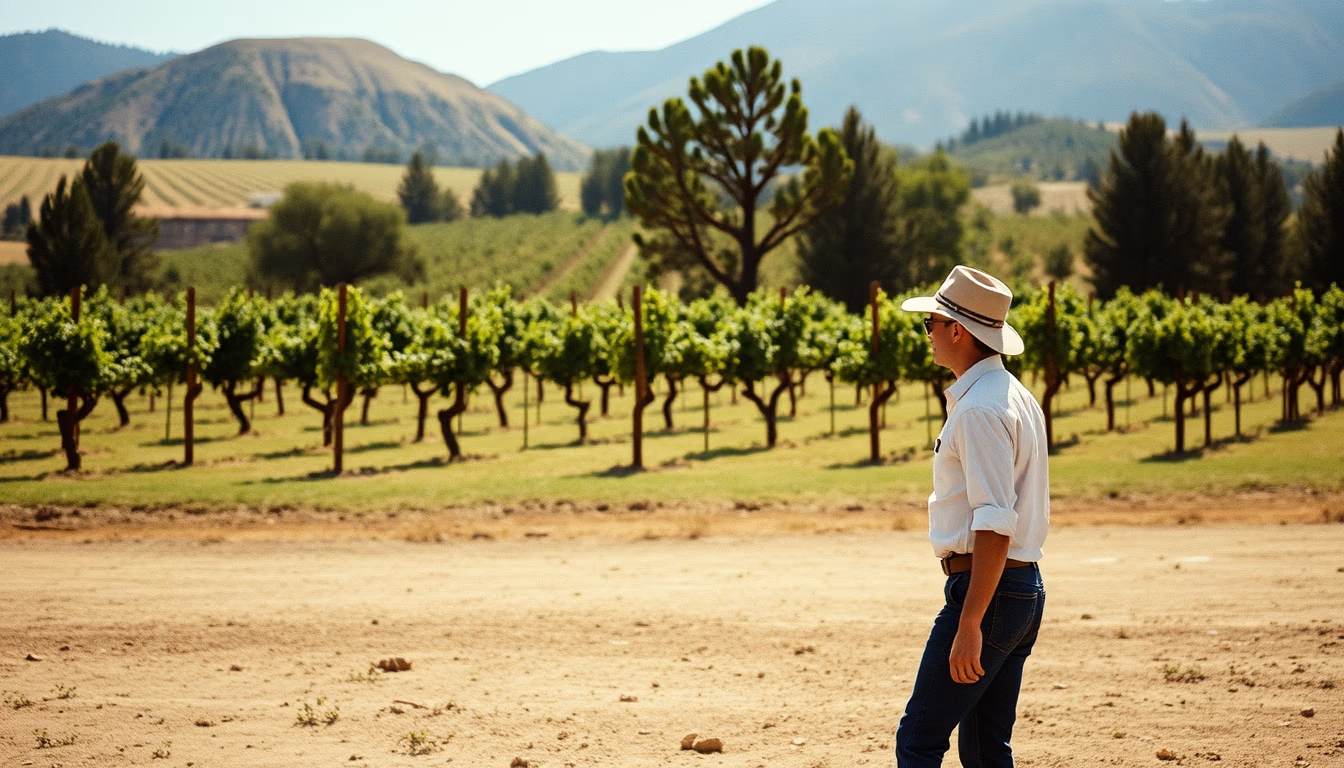
Rioja vineyards in Spain, one of the world's most prestigious wine regions, renowned for its age-worthy red wines.
About this subject
Rioja is a qualified designation of origin (DOCa) located in northern Spain, spanning the autonomous communities of La Rioja, Basque Country (Álava), and Navarre. Its vineyards stretch along the Ebro River, in a valley protected by the Cantabrian and Demanda mountain ranges. The climate blends Atlantic and Mediterranean influences, with warm summers and mild winters, ideal for growing Tempranillo, the region's main grape variety.
Viticulture in Rioja dates back to Roman times, but it gained international fame in the 19th century when Bordeaux winemakers, fleeing phylloxera, settled there and introduced modern aging techniques in oak barrels. Today, Rioja wines are classified by aging time: Crianza, Reserva, and Gran Reserva, with Gran Reserva spending at least two years in barrel and three in bottle. The region also produces whites and rosés, but reds are its main glory.
Rioja is divided into three subzones: Rioja Alta, Rioja Alavesa, and Rioja Oriental (formerly Rioja Baja). Each contributes distinct characteristics. Rioja Alta produces elegant, complex wines; Alavesa yields fuller-bodied, tannic wines; and Oriental produces fruitier wines with higher alcohol content. The tradition of using American oak for aging is a hallmark, though French oak is also used. The vineyards, many on slopes, display a mosaic of plots dating back centuries.
Beyond wine, the region is known for its cuisine, including sheep cheese and piquillo peppers. Wineries open for enotourism, offering guided tours and tastings. The Camino de Santiago also passes through Rioja, and pilgrims often stop to taste local wines. The DOCa status was granted in 1991, and Rioja is one of only two such designations in Spain, alongside Priorat.
Frequently Asked Questions
What are the main grape varieties used in Rioja wines?
The primary red grape is Tempranillo, complemented by Garnacha, Graciano, and Mazuelo. For whites, Viura, Malvasia, and Garnacha Blanca are prominent.
What is the difference between Rioja Alta, Alavesa, and Oriental?
Rioja Alta produces elegant, complex wines; Rioja Alavesa yields fuller-bodied, tannic wines; Rioja Oriental produces fruitier, higher-alcohol wines. Each subzone has distinct soil and microclimate.
What do the classifications Crianza, Reserva, and Gran Reserva mean?
Crianza: minimum 2 years aging (1 in barrel). Reserva: 3 years (1 in barrel). Gran Reserva: 5 years (2 in barrel and 3 in bottle).
Direct URL
https://pub-c7d6a6ea828543ac903a74a341ccb2e1.r2.dev/imagens/rioja-spain-vineyards-commercial-product-photography-fresh11.avifHow to credit
Include a visible link back to UtilizAí. Copy one of the snippets below:
<a href="https://xn--utiliza-eza.com/en/midia/imagens/rioja-spain-vineyards-commercial-product-photography-fresh11">Rioja spain vineyards</a> by <a href="https://xn--utiliza-eza.com">UtilizAí</a>, licensed under <a href="https://creativecommons.org/licenses/by/4.0/">CC BY 4.0</a>.
[Rioja spain vineyards](https://xn--utiliza-eza.com/en/midia/imagens/rioja-spain-vineyards-commercial-product-photography-fresh11) by [UtilizAí](https://xn--utiliza-eza.com), CC BY 4.0
License: CC-BY-4.0