Ribosome detail render
1344×768 · AVIF · CC BY 4.0
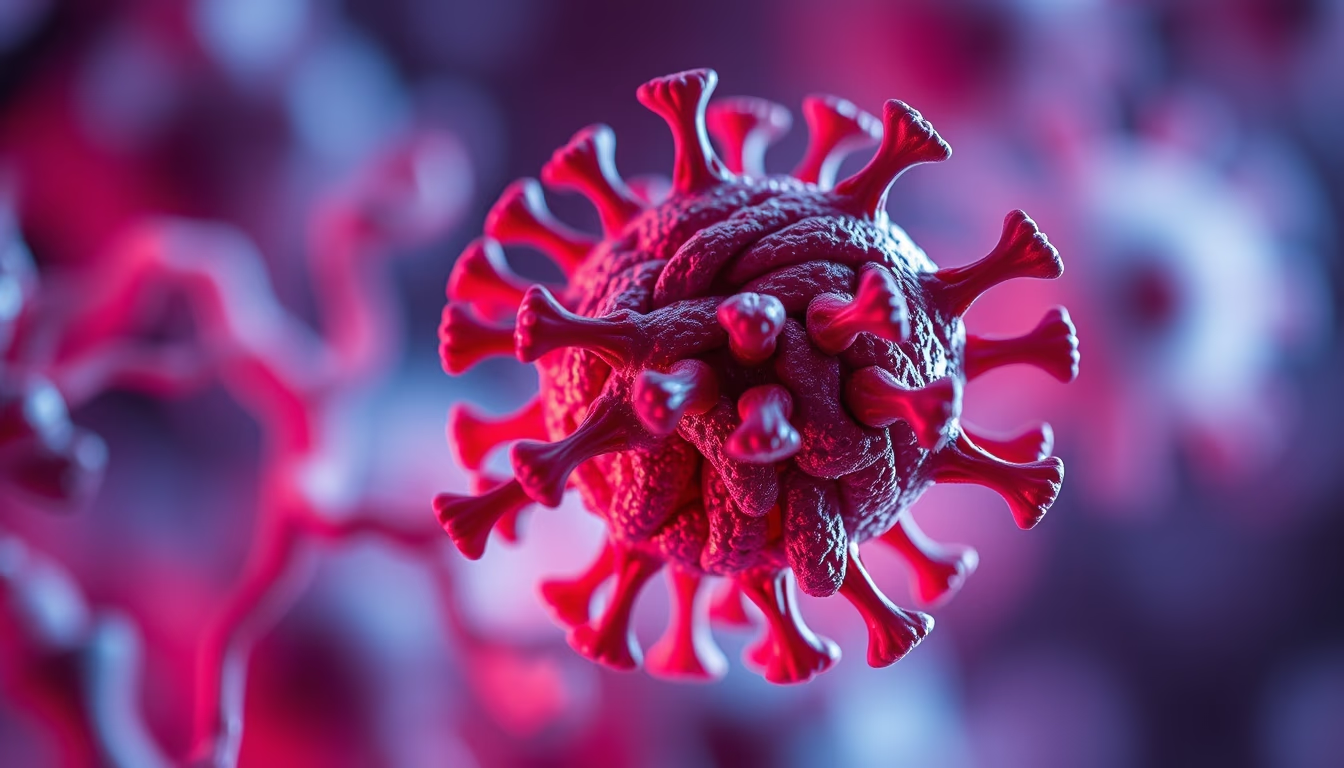
The ribosome is the cellular machinery responsible for protein synthesis, essential for life. Composed of RNA and proteins, it translates the genetic code into functional polypeptide chains.
About this subject
Ribosomes are molecular complexes found in all living cells, from bacteria to humans. They consist of two subunits, a large and a small one, which assemble during translation of messenger RNA. Each subunit contains ribosomal RNA (rRNA) molecules and dozens of specific proteins. In eukaryotic cells, ribosomes can be free in the cytoplasm or bound to the rough endoplasmic reticulum, where they synthesize proteins destined for secretion or membranes.
The discovery of ribosomes is attributed to biologist George Palade, who first visualized them in the 1950s using electron microscopy. This work earned him the Nobel Prize in Physiology or Medicine in 1974. Ribosomes are about 20 nanometers in diameter and consist of roughly one-third protein and two-thirds rRNA. The rRNA plays a catalytic role in forming peptide bonds, leading to the RNA world hypothesis, which suggests that primitive RNA molecules were precursors to life.
Protein synthesis by ribosomes is a highly regulated process that consumes a significant portion of cellular energy. Each ribosome can add approximately 2 to 20 amino acids per second, with speed varying by organism and physiological conditions. Moreover, ribosomes are targets of various antibiotics, such as tetracycline and chloramphenicol, which selectively inhibit bacterial translation without affecting human ribosomes by exploiting structural differences in the subunits.
Recent studies using cryo-electron microscopy have revealed atomic details of ribosomes, allowing visualization of their dynamic conformations during the translation cycle. These structures are fundamental for developing new drugs and understanding diseases related to errors in protein synthesis, such as certain cancers and neurodegenerative disorders.
Frequently Asked Questions
What is the primary function of the ribosome?
The ribosome is responsible for protein synthesis, translating the genetic code from messenger RNA into chains of amino acids that form functional proteins.
How do ribosomes differ between prokaryotes and eukaryotes?
Prokaryotic ribosomes (70S) are smaller, with 50S and 30S subunits, while eukaryotic ribosomes (80S) have 60S and 40S subunits. This difference allows antibiotics to selectively target bacterial ribosomes.
Why are ribosomes important in medicine?
Ribosomes are targets of many antibiotics that block bacterial protein synthesis. Additionally, mutations in ribosomal genes are associated with human diseases such as anemias and myelodysplastic syndromes.
Direct URL
https://pub-c7d6a6ea828543ac903a74a341ccb2e1.r2.dev/imagens/ribosome-detail-render-fine-art-photography-p4.avifHow to credit
Include a visible link back to UtilizAí. Copy one of the snippets below:
<a href="https://xn--utiliza-eza.com/en/midia/imagens/ribosome-detail-render-fine-art-photography-p4">Ribosome detail render</a> by <a href="https://xn--utiliza-eza.com">UtilizAí</a>, licensed under <a href="https://creativecommons.org/licenses/by/4.0/">CC BY 4.0</a>.
[Ribosome detail render](https://xn--utiliza-eza.com/en/midia/imagens/ribosome-detail-render-fine-art-photography-p4) by [UtilizAí](https://xn--utiliza-eza.com), CC BY 4.0
License: CC-BY-4.0