Remote worker in home office with coffee and laptop
1344×768 · AVIF · CC BY 4.0

A self-employed professional starts the remote workday with coffee and laptop, an increasingly common scene in post-pandemic Brazil.
About this subject
Remote work has become one of the main transformations in the Brazilian labor market after 2020. IBGE data indicates that in 2022, about 9.5 million people worked from home in Brazil, representing 9.2% of the employed population. The image of a remote worker with coffee and laptop symbolizes the routine of millions of Brazilians who adapted their homes to balance productivity and comfort.
Coffee, a traditional national beverage, takes on new meaning in home offices: beyond a strategic break to increase concentration, it marks the transition between rest and work. Studies by the Brazilian Coffee Industry Association (ABIC) show that coffee consumption increased by 15% among remote workers, who started brewing more specialty coffees at home.
The laptop, the central tool of remote work, requires discipline and ergonomics. The International Labour Organization (ILO) recommends breaks every 50 minutes and postural adjustments to prevent injuries. Many Brazilian professionals invest in ergonomic chairs and external monitors, but informality is still high: a survey by Instituto Locomotiva points out that 40% of Brazilian home offices lack adequate furniture.
The flexibility of remote work has brought benefits such as reduced commuting time and greater autonomy, but also challenges like social isolation and difficulty separating personal and professional life. Experts suggest rituals such as having breakfast away from the screen and setting fixed hours to end the workday, practices that help maintain mental health in this new work model.
Frequently Asked Questions
What are the labor rights for those working from home in Brazil?
The Consolidation of Labor Laws (CLT) was updated by the 2017 Labor Reform (Law 13,467/2017) to include telework. Employers must provide equipment and cover internet and electricity costs, unless otherwise agreed. Workers are entitled to vacation, 13th salary, and FGTS, but not overtime if there is no time tracking.
How to maintain productivity while working from home?
Experts recommend establishing a routine with fixed hours, setting up a dedicated workspace, avoiding distractions like social media, and taking regular breaks (e.g., Pomodoro technique). Frequent contact with colleagues via video calls also helps reduce isolation.
Is home office here to stay in Brazil?
Surveys indicate yes. A 2023 FGV study showed that 70% of Brazilian companies intend to maintain a hybrid or remote model. Sectors like technology, services, and education lead adoption, but the trend is spreading to other areas. Internet infrastructure remains a challenge in more remote regions.
Direct URL
https://pub-c7d6a6ea828543ac903a74a341ccb2e1.r2.dev/imagens/remote-worker-in-home-office-with-coffee-and-laptop-documentary-morning-2.avifHow to credit
Include a visible link back to UtilizAí. Copy one of the snippets below:
<a href="https://xn--utiliza-eza.com/en/midia/imagens/remote-worker-in-home-office-with-coffee-and-laptop-documentary-morning-2">Remote worker in home office with coffee and laptop</a> by <a href="https://xn--utiliza-eza.com">UtilizAí</a>, licensed under <a href="https://creativecommons.org/licenses/by/4.0/">CC BY 4.0</a>.
[Remote worker in home office with coffee and laptop](https://xn--utiliza-eza.com/en/midia/imagens/remote-worker-in-home-office-with-coffee-and-laptop-documentary-morning-2) by [UtilizAí](https://xn--utiliza-eza.com), CC BY 4.0
License: CC-BY-4.0
Tags
Related images
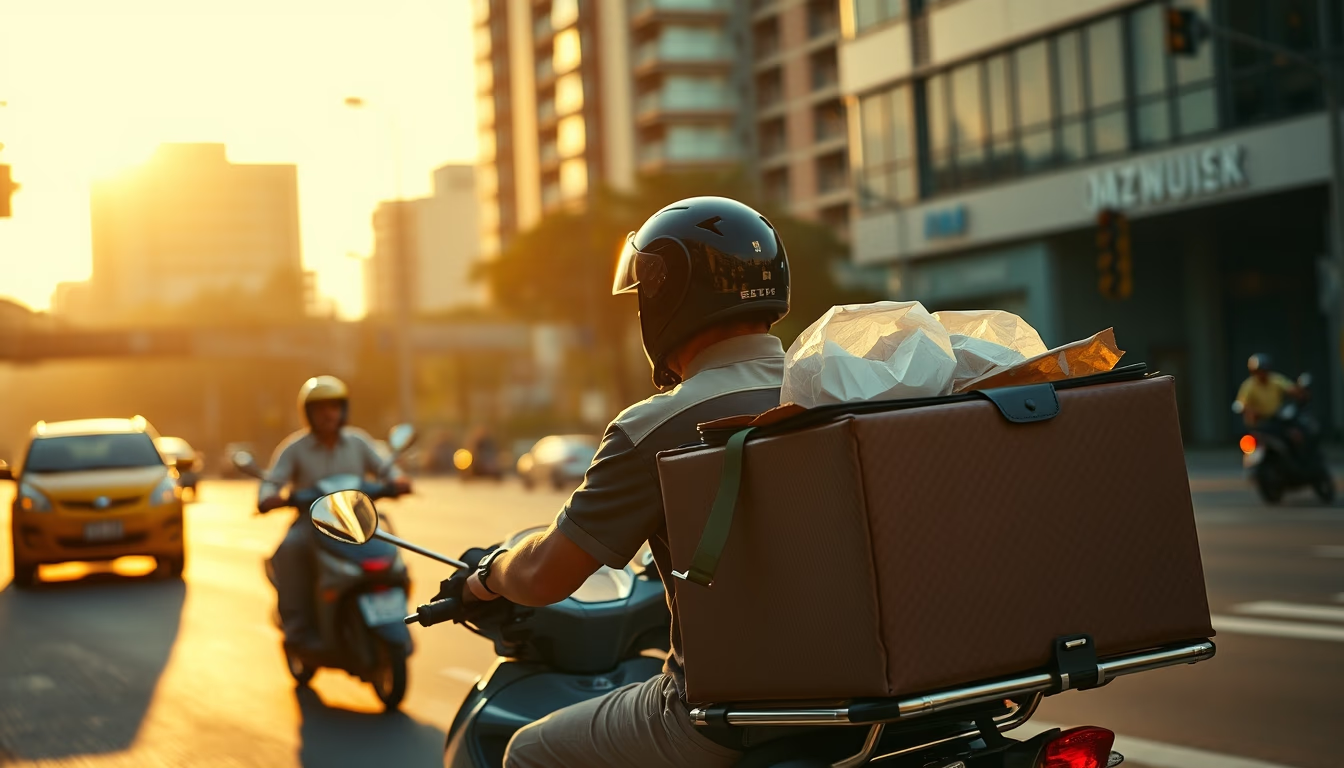 Food delivery rider on motorbike in São Paulo traffic
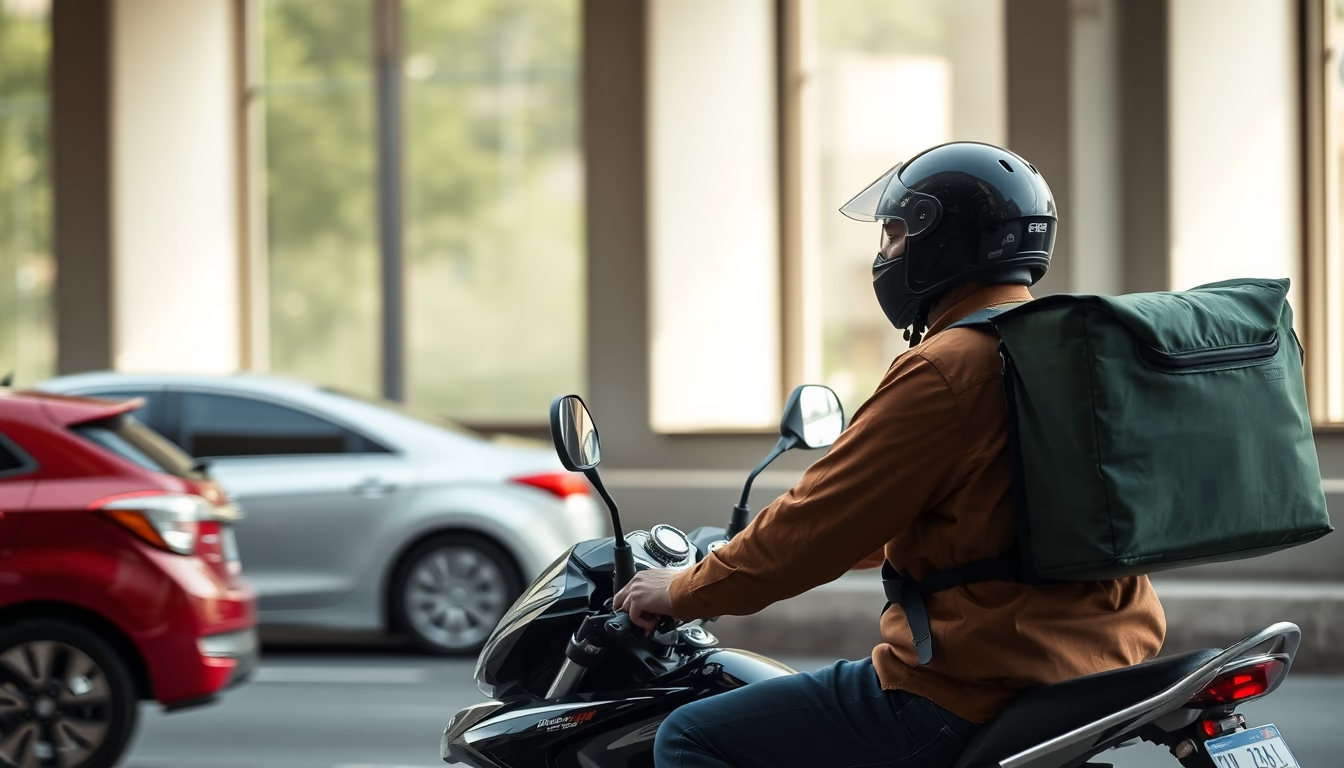 Food delivery rider on motorbike in São Paulo traffic
 Food delivery rider on motorbike in São Paulo traffic
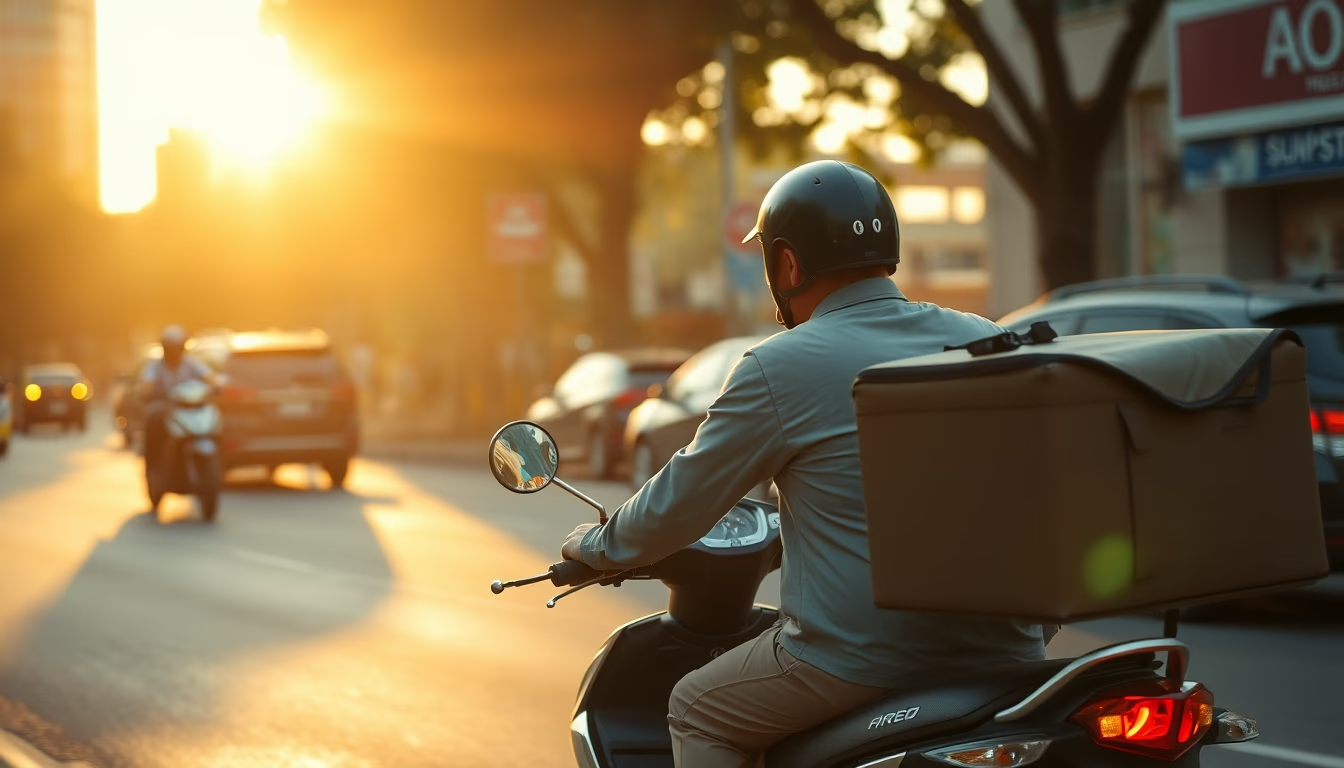 Food delivery rider on motorbike in São Paulo traffic
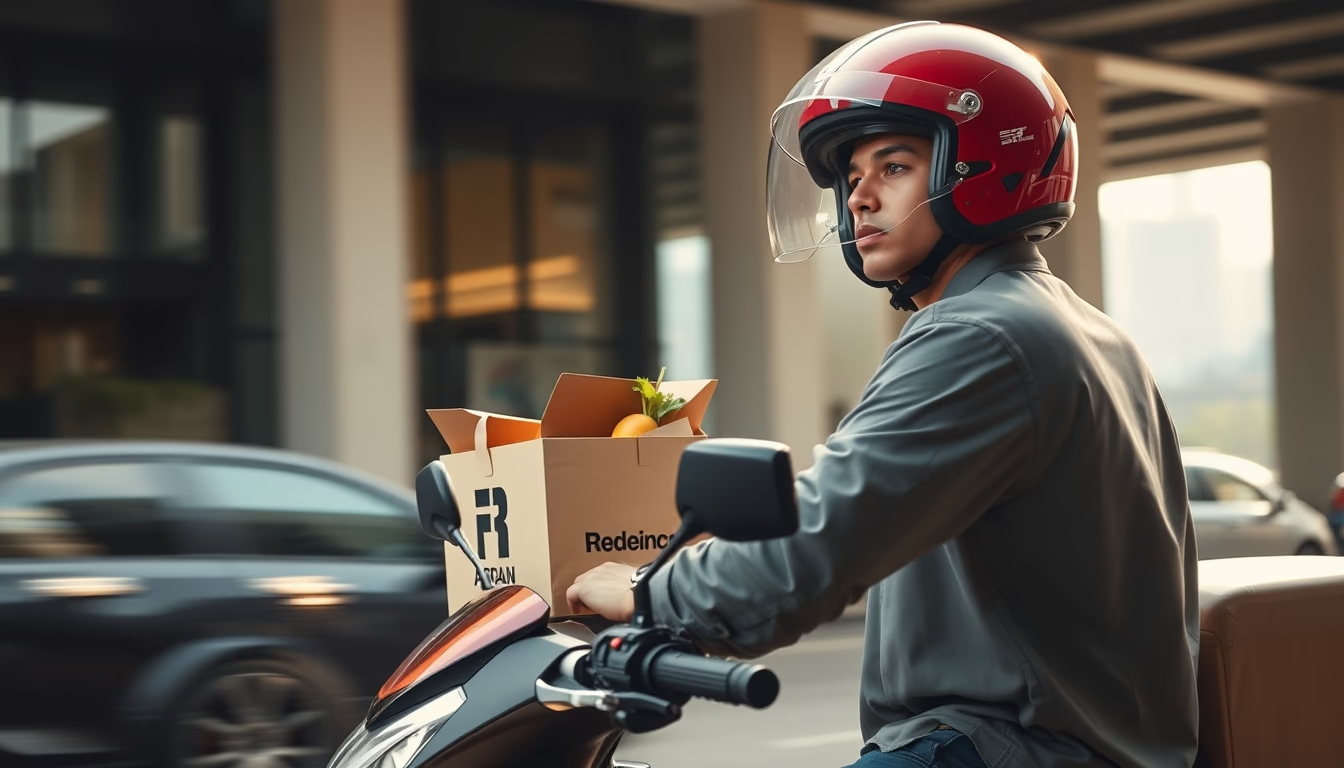 Food delivery rider on motorbike in São Paulo traffic
 Food delivery rider on motorbike in São Paulo traffic