Remote worker in home office with coffee and laptop
1344×768 · AVIF · CC BY 4.0

Home office has become routine for millions of Brazilians, blending productivity with strategic coffee breaks.
About this subject
Remote work, or home office, gained global scale starting in 2020, driven by the COVID-19 pandemic. In Brazil, a 2022 IBGE survey indicated that about 9.5 million people were working remotely, a number that remained high even after health restrictions ended. The practice brought significant changes to daily organization, such as eliminating commutes and the need to adapt domestic spaces into makeshift offices.
The coffee break is one of the most common rituals among remote workers. Studies from the University of São Paulo show that caffeine can improve concentration and alertness, but excessive consumption may cause anxiety. Therefore, many professionals adopt fixed times for the drink, as part of a routine seeking balance between productivity and well-being.
The twilight lighting in the image refers to the dusk period, a time when many Brazilians are still working. Data from Datafolha in 2023 revealed that 45% of remote workers extend their workday beyond 6 PM, blurring the boundaries between professional and personal life. This phenomenon is known as "work extension" and has sparked debates about mental health and labor rights.
The laptop, a central tool of home office, symbolizes the digitalization of the labor market. In Brazil, access to quality internet is still unequal: according to Anatel, in 2023, 84% of households had connection, but average speed varies greatly by region. This factor directly influences the remote worker's experience, who depends on stable infrastructure to perform tasks.
Frequently Asked Questions
What percentage of Brazilians work from home?
According to IBGE, in 2022 about 9.5 million people were working remotely in Brazil, representing approximately 9% of the employed population.
Does coffee consumption really help productivity in home office?
Yes, caffeine can improve concentration and alertness, according to USP studies. However, consumption should be moderate to avoid anxiety and insomnia.
What are the main challenges of remote work in Brazil?
The main challenges include unequal access to quality internet, difficulty separating professional and personal life, and lack of adequate infrastructure in many homes.
Direct URL
https://pub-c7d6a6ea828543ac903a74a341ccb2e1.r2.dev/imagens/remote-worker-in-home-office-with-coffee-and-laptop-closeup-twilight-5.avifHow to credit
Include a visible link back to UtilizAí. Copy one of the snippets below:
<a href="https://xn--utiliza-eza.com/en/midia/imagens/remote-worker-in-home-office-with-coffee-and-laptop-closeup-twilight-5">Remote worker in home office with coffee and laptop</a> by <a href="https://xn--utiliza-eza.com">UtilizAí</a>, licensed under <a href="https://creativecommons.org/licenses/by/4.0/">CC BY 4.0</a>.
[Remote worker in home office with coffee and laptop](https://xn--utiliza-eza.com/en/midia/imagens/remote-worker-in-home-office-with-coffee-and-laptop-closeup-twilight-5) by [UtilizAí](https://xn--utiliza-eza.com), CC BY 4.0
License: CC-BY-4.0
Tags
Related images
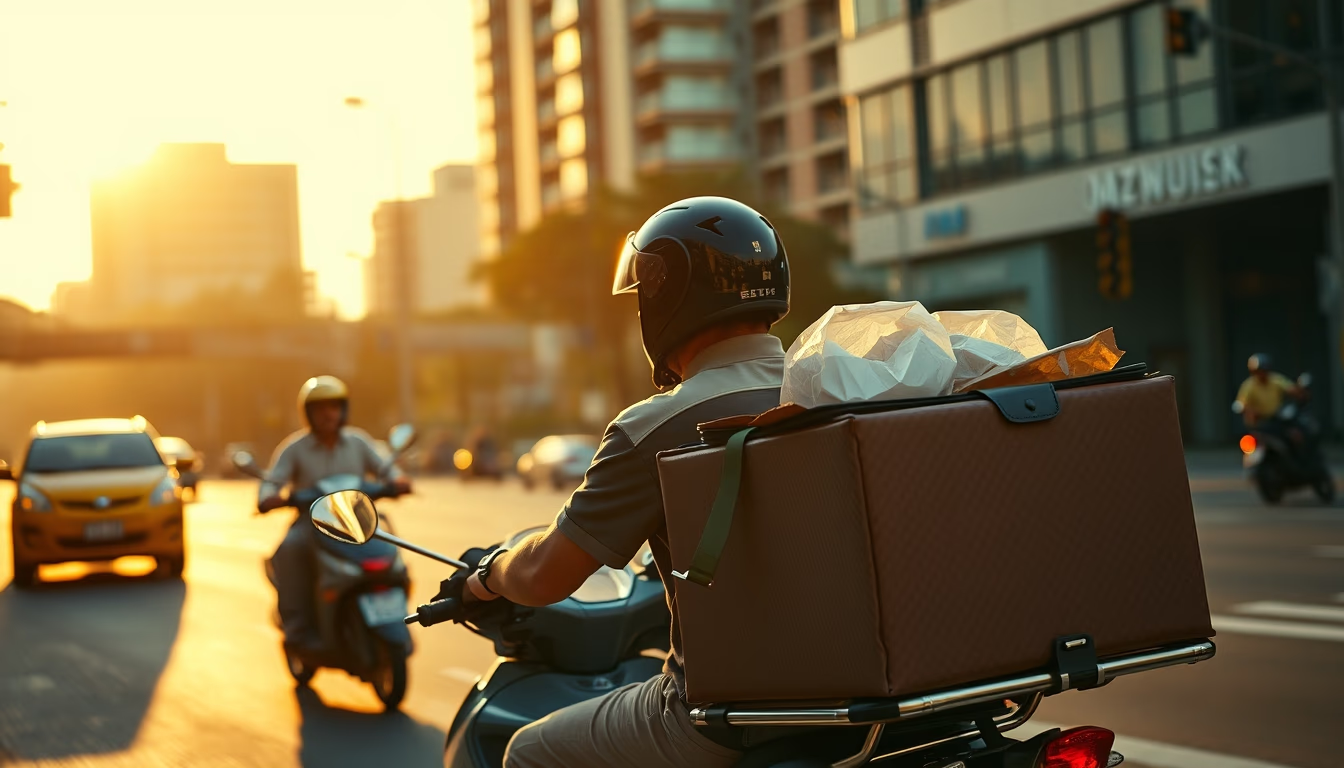 Food delivery rider on motorbike in São Paulo traffic
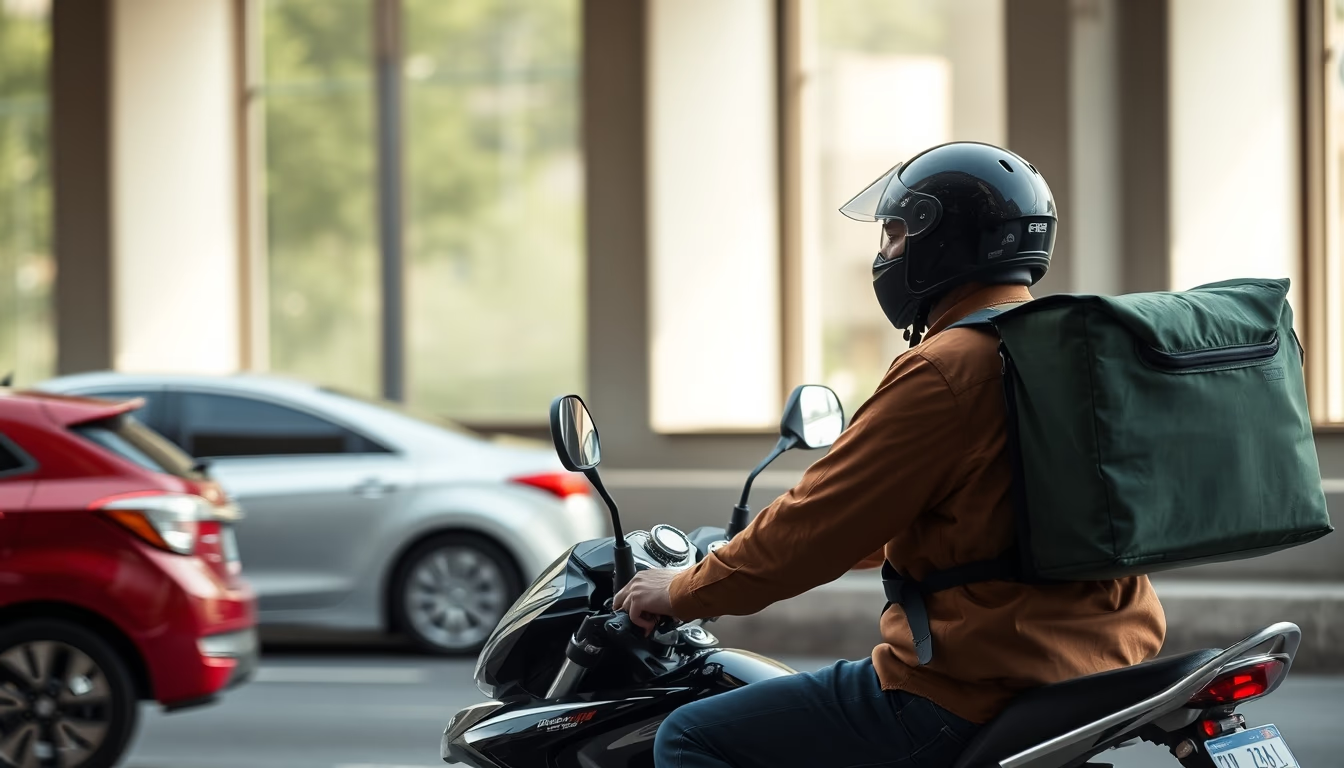 Food delivery rider on motorbike in São Paulo traffic
 Food delivery rider on motorbike in São Paulo traffic
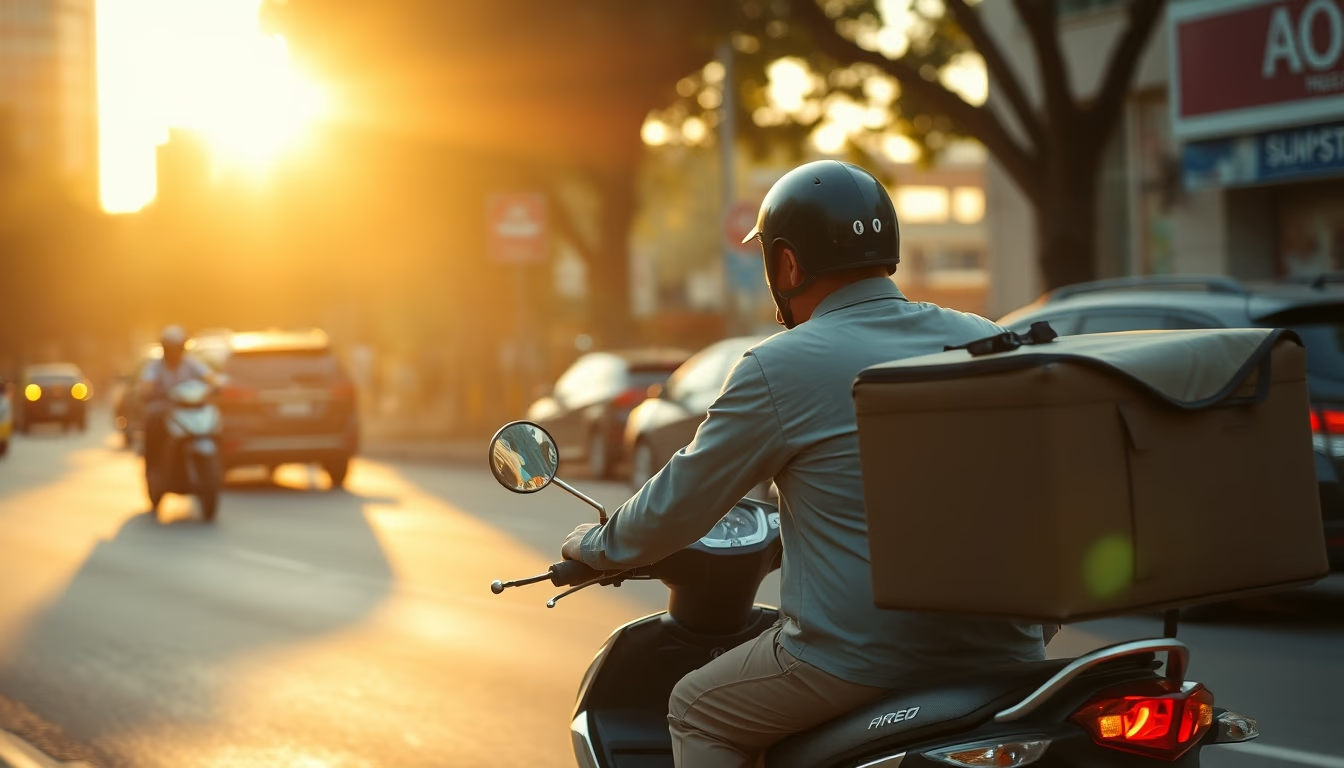 Food delivery rider on motorbike in São Paulo traffic
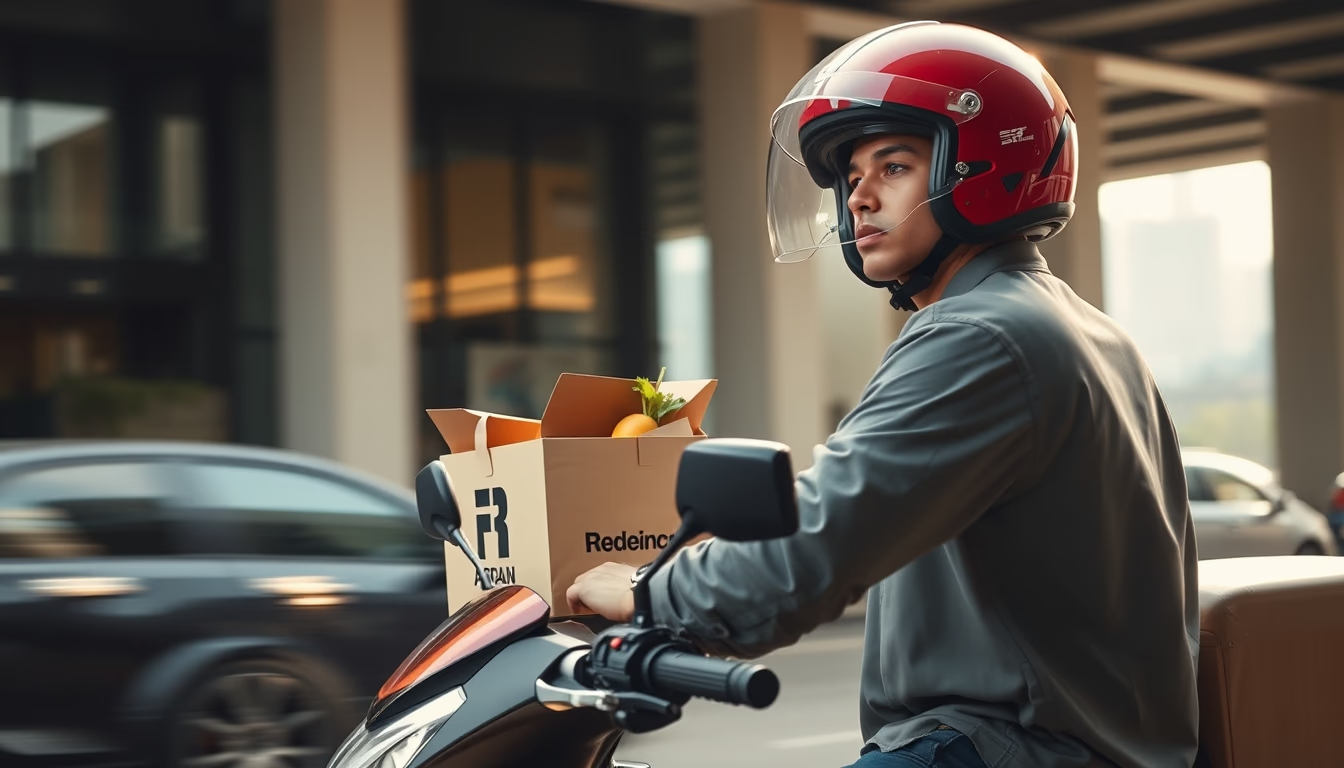 Food delivery rider on motorbike in São Paulo traffic
 Food delivery rider on motorbike in São Paulo traffic