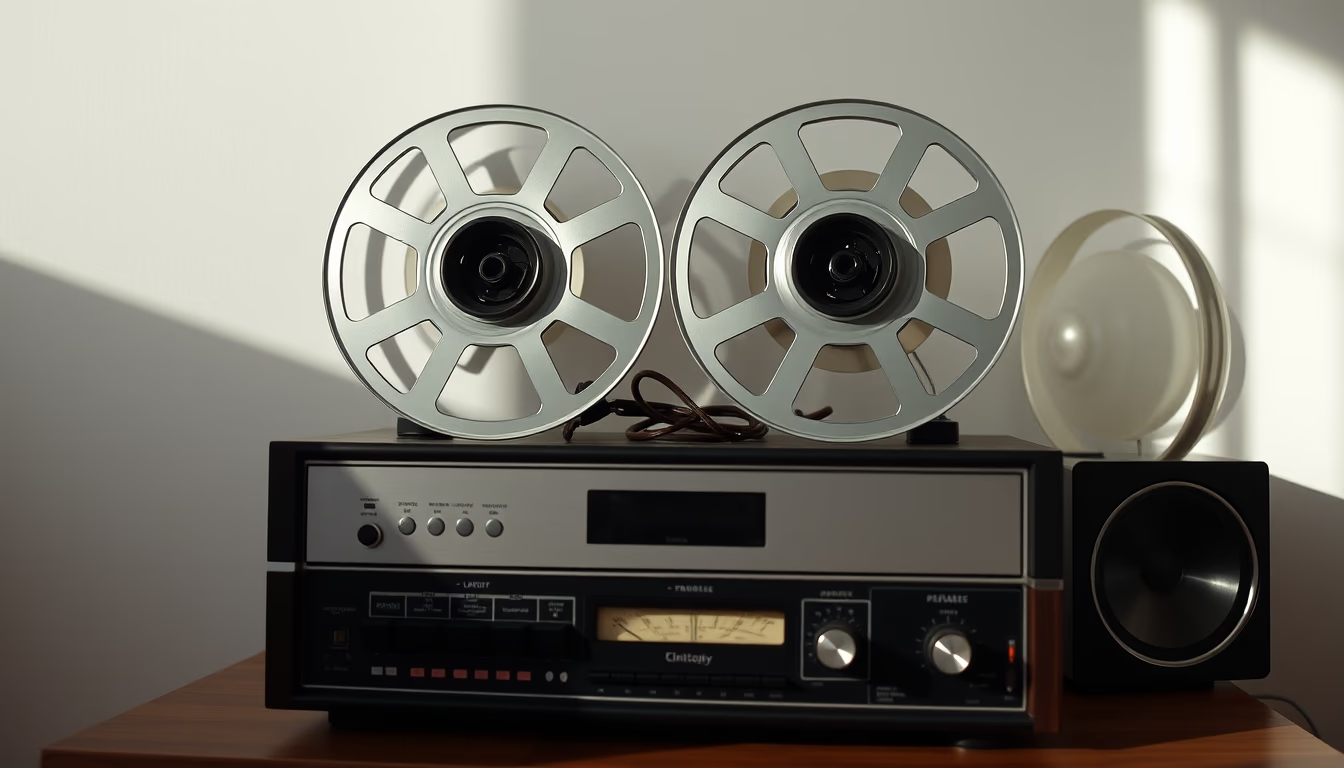
Reel to reel tape player
1344×768 · AVIF · CC BY 4.0
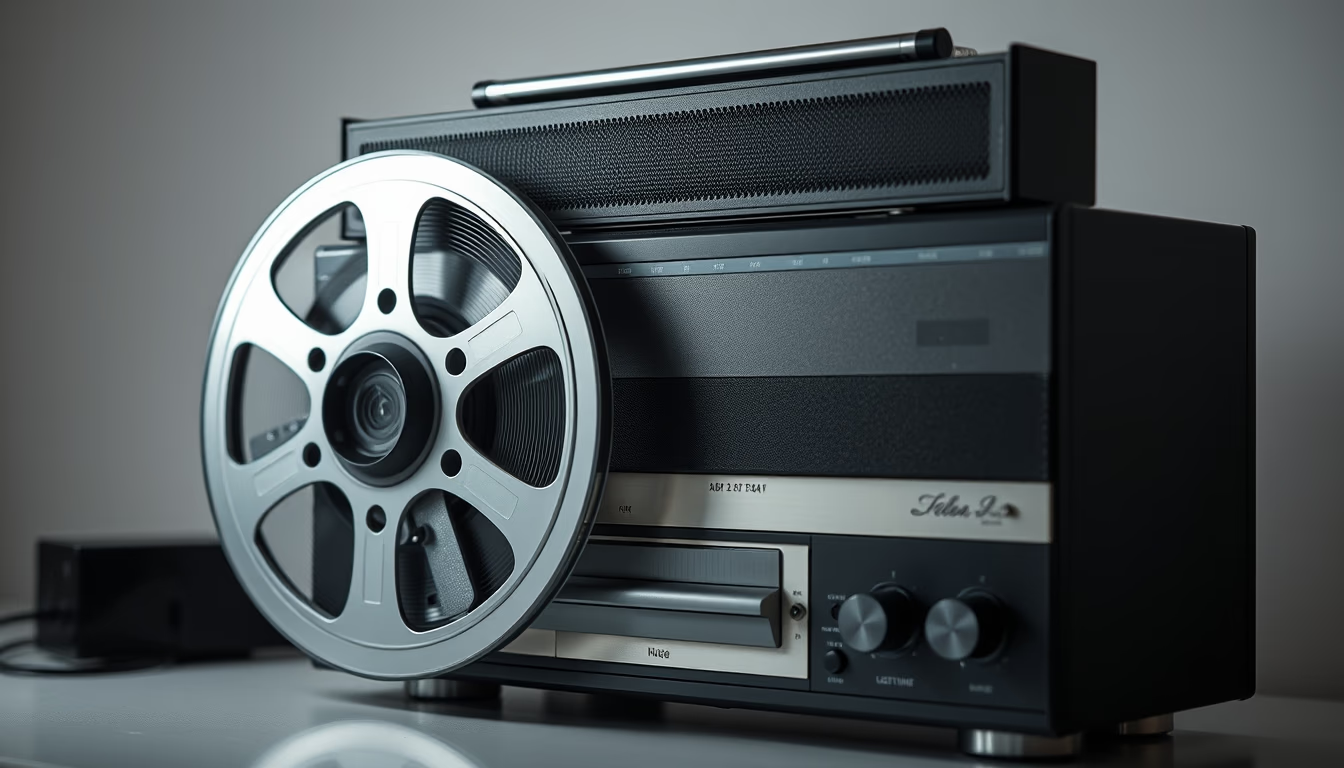
The reel-to-reel tape recorder was the professional audio standard of the mid-20th century, offering unparalleled sound fidelity for studios and audiophiles.
About this subject
The reel-to-reel tape recorder, often simply called a reel-to-reel, revolutionized audio recording and playback from the 1940s onward. Unlike later compact formats like the cassette, reel-to-reel used open reels of magnetic tape, allowing wider tape widths and higher speeds, resulting in far superior sound quality. Professional models such as the Ampex 200 and Studer A80 became industry standards, used to record classic albums by artists like The Beatles and Pink Floyd.
The technology employed separate record and playback heads, along with noise reduction systems like Dolby A, enabling multitrack recording. Operation required manual skill to thread the tape through guides and adjust reel tension. Despite its size and complexity, reel-to-reel was prized for the durability of recordings and the ability to physically edit tape by cutting and splicing.
Culturally, reel-to-reel represented the pinnacle of fidelity before the digital age. Collectors and audio engineers still maintain these machines for their warm analog sound. Open-reel magnetic tape also laid the groundwork for video recorders and early computer data storage systems.
Frequently Asked Questions
What is the difference between a reel-to-reel recorder and a cassette deck?
Reel-to-reel uses open reels and wider tape at higher speeds (e.g., 38 or 76 cm/s), offering much higher fidelity. Cassette decks use a compact, enclosed format with narrower tape, sacrificing quality for portability.
Why is reel-to-reel still used today?
Many audiophiles and recording engineers appreciate the warm analog sound and natural dynamics of reel-to-reel. It is also essential for accessing historical archives and original masters stored on open-reel tapes.
How does tape editing work on a reel-to-reel recorder?
Editing is done physically: the technician locates the exact point on the tape, cuts it with a blade, and splices the desired ends together with special adhesive tape. This allowed precise edits before digital tools.
Direct URL
https://pub-c7d6a6ea828543ac903a74a341ccb2e1.r2.dev/imagens/reel-to-reel-tape-player-studio-still-life-fresh7.avifHow to credit
Include a visible link back to UtilizAí. Copy one of the snippets below:
<a href="https://xn--utiliza-eza.com/en/midia/imagens/reel-to-reel-tape-player-studio-still-life-fresh7">Reel to reel tape player</a> by <a href="https://xn--utiliza-eza.com">UtilizAí</a>, licensed under <a href="https://creativecommons.org/licenses/by/4.0/">CC BY 4.0</a>.
[Reel to reel tape player](https://xn--utiliza-eza.com/en/midia/imagens/reel-to-reel-tape-player-studio-still-life-fresh7) by [UtilizAí](https://xn--utiliza-eza.com), CC BY 4.0
License: CC-BY-4.0