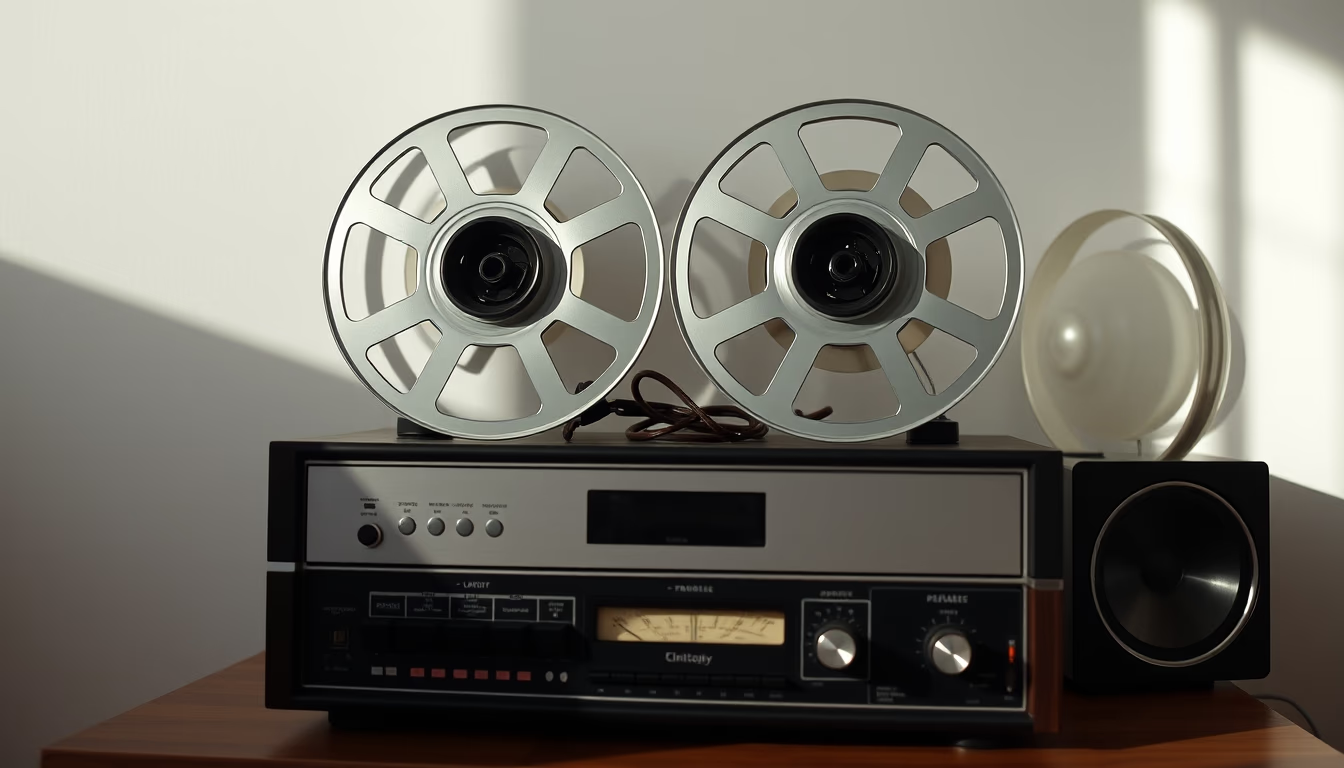
Reel to reel tape player
1344×768 · AVIF · CC BY 4.0

The reel-to-reel tape recorder was the standard for professional and high-fidelity home audio from the 1950s to the 1970s, using magnetic tape on open reels.
About this subject
The reel-to-reel tape recorder, also known as open-reel recorder, revolutionized sound recording and playback by using magnetic tape on open reels. Unlike later compact formats, the tape ran freely between two reels, allowing wider tape and higher recording speeds, resulting in superior sound quality. Iconic models like the Revox A77 and Sony TC-630 became benchmarks among audiophiles and professional studios.
In the United States and Europe, reel-to-reel machines were staples in radio stations, recording studios, and high-end home systems from the 1950s through the 1970s. The ability to physically splice tape with scissors and adhesive tape gave engineers precise control over edits, a technique used to create many classic recordings. The format's popularity waned with the rise of the compact cassette in the 1970s, but it never disappeared, remaining a niche in high-fidelity audio and archival preservation.
Interestingly, reel-to-reel technology influenced digital audio development: the concept of sequential tape storage was the foundation for early DAT (Digital Audio Tape). Many legendary albums were mastered on reel-to-reel tape, and today there is a resurgence among collectors and musicians seeking “analog warmth”. Understanding head ferrite and bias calibration became essential skills for operators of these machines.
Maintaining reel-to-reel recorders requires specialized care: magnetic tapes can deteriorate over time (vinegar syndrome), and electronic components like tubes and capacitors need periodic servicing. Despite this, a dedicated community of enthusiasts keeps the legacy alive through restoration workshops, online forums, and collector fairs. The reel-to-reel format remains a landmark in audio history, representing an era of experimentation and the relentless pursuit of sonic perfection.
Frequently Asked Questions
What is the difference between a reel-to-reel and a cassette recorder?
Reel-to-reel uses open reels with wider tape and higher speeds, offering superior audio quality. The compact cassette uses narrower, slower tape, prioritizing portability and convenience.
Are reel-to-reel tapes still being manufactured today?
Yes, blank magnetic tape for reel-to-reel is still produced in small quantities by companies like Recording The Masters (RTM) and ATR Magnetics, catering to audiophiles and studios.
How was sound editing done on reel-to-reel tapes?
Editing was physical: the technician marked the desired point on the tape, cut it with a blade, and joined the ends with special adhesive tape. This allowed precise cuts and splices but required great manual skill.
Direct URL
https://pub-c7d6a6ea828543ac903a74a341ccb2e1.r2.dev/imagens/reel-to-reel-tape-player-magazine-editorial-fresh0.avifHow to credit
Include a visible link back to UtilizAí. Copy one of the snippets below:
<a href="https://xn--utiliza-eza.com/en/midia/imagens/reel-to-reel-tape-player-magazine-editorial-fresh0">Reel to reel tape player</a> by <a href="https://xn--utiliza-eza.com">UtilizAí</a>, licensed under <a href="https://creativecommons.org/licenses/by/4.0/">CC BY 4.0</a>.
[Reel to reel tape player](https://xn--utiliza-eza.com/en/midia/imagens/reel-to-reel-tape-player-magazine-editorial-fresh0) by [UtilizAí](https://xn--utiliza-eza.com), CC BY 4.0
License: CC-BY-4.0