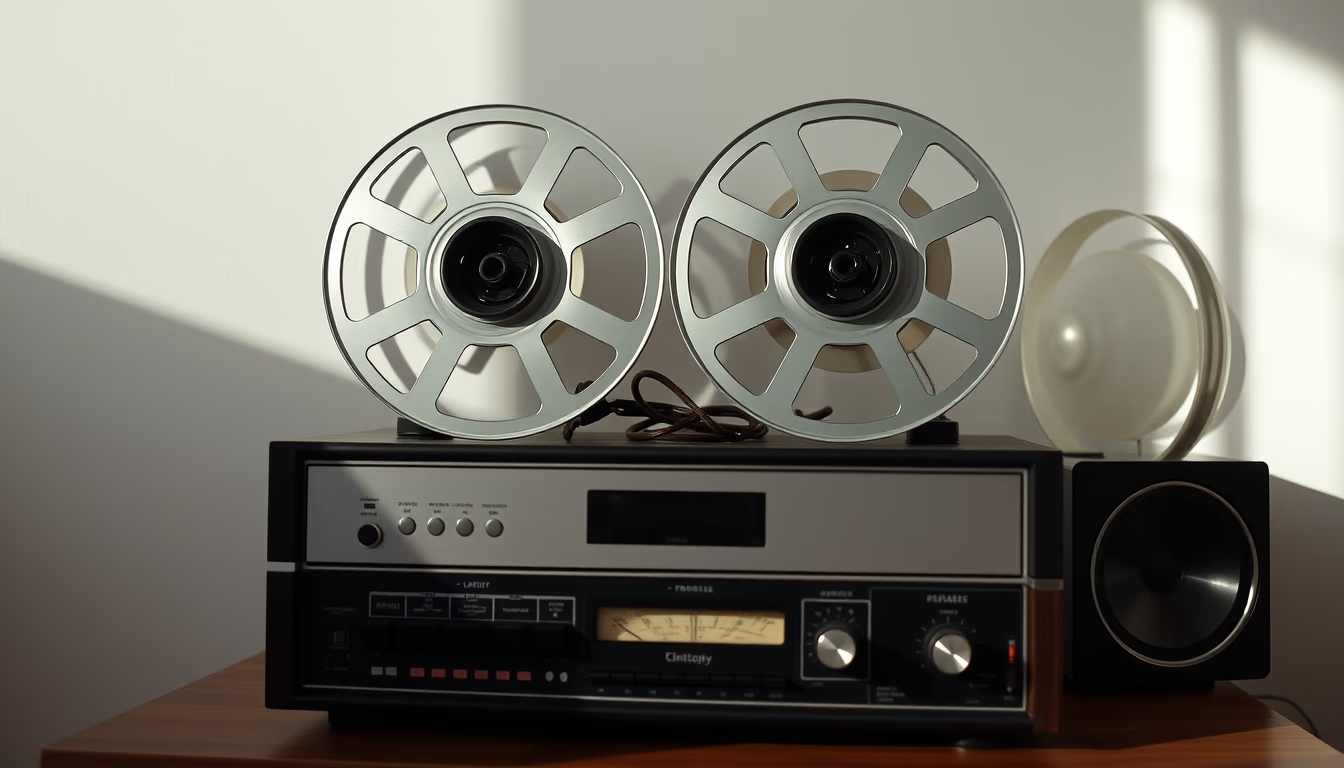
Reel to reel tape player
1344×768 · AVIF · CC BY 4.0

The reel-to-reel tape recorder was the professional audio standard for decades, defining the analog era with superior sound fidelity.
About this subject
Reel-to-reel tape recorders, also known as open-reel or tape decks, were the first devices capable of recording and playing back sound on magnetic tape for both domestic and professional use. Developed from German tape technology of World War II, such as the Magnetophon, they became popular from the 1950s through the 1970s. Unlike compact cassettes, open-reel tapes allowed wider tape and higher speeds (e.g., 38 cm/s or 19 cm/s), delivering extended frequency response and lower noise, making them essential in recording studios and for audiophiles.
Culturally, reel-to-reel enabled multitrack recording, revolutionizing music production. Artists like The Beatles, Pink Floyd, and Frank Zappa used open-reel machines for overdubbing, editing, and sound effects. In Brazil, studios like RCA and EMI employed these recorders to capture classics of MPB and samba. Beyond professional use, semi-pro and home models such as the Revox and Nagra were used by journalists and filmmakers.
A technical curiosity: magnetic tape consists of iron oxide (or chromium) particles aligned by the recording head. Editing was physical: the technician cut the tape with a blade and spliced sections with special adhesive tape. This manual method coined terms like "cut and splice." Although superseded by DAT and digital audio, the analog sound of reel-to-reel is still prized for its warmth and naturalness, with original master tapes being reissued on vinyl and high-resolution formats.
Today, reel-to-reel recorders are collector's items and niche equipment for sound purists. Brands like Studer, Otari, and Sony remain benchmarks. The analog revival movement has brought back blank tape production and restoration of vintage machines. Museums and historic studios preserve these devices as testimonies to 20th-century audio engineering.
Frequently Asked Questions
What is the difference between a reel-to-reel recorder and a cassette deck?
Reel-to-reel uses open reels with wider tape (typically 1/4 inch or 1/2 inch) and higher speeds (7.5 to 30 ips), offering superior frequency response and lower noise. The compact cassette, with 1/8 inch tape at 1.875 ips, was designed for portability and convenience, sacrificing fidelity.
Why is reel-to-reel sound considered better than digital?
Many audiophiles prefer analog sound for its perceived warmth and absence of digital aliasing or compression. Analog recording captures a continuous waveform, while digital samples it at discrete intervals. However, modern digital equipment can achieve comparable or superior accuracy.
Are new blank reels still manufactured for reel-to-reel?
Yes, companies like ATR Magnetics, Recording The Masters, and RMGI still produce new blank reel tapes, catering to professional studios and enthusiasts. Prices are high, but demand persists.
Direct URL
https://pub-c7d6a6ea828543ac903a74a341ccb2e1.r2.dev/imagens/reel-to-reel-tape-player-long-exposure-fresh8.avifHow to credit
Include a visible link back to UtilizAí. Copy one of the snippets below:
<a href="https://xn--utiliza-eza.com/en/midia/imagens/reel-to-reel-tape-player-long-exposure-fresh8">Reel to reel tape player</a> by <a href="https://xn--utiliza-eza.com">UtilizAí</a>, licensed under <a href="https://creativecommons.org/licenses/by/4.0/">CC BY 4.0</a>.
[Reel to reel tape player](https://xn--utiliza-eza.com/en/midia/imagens/reel-to-reel-tape-player-long-exposure-fresh8) by [UtilizAí](https://xn--utiliza-eza.com), CC BY 4.0
License: CC-BY-4.0