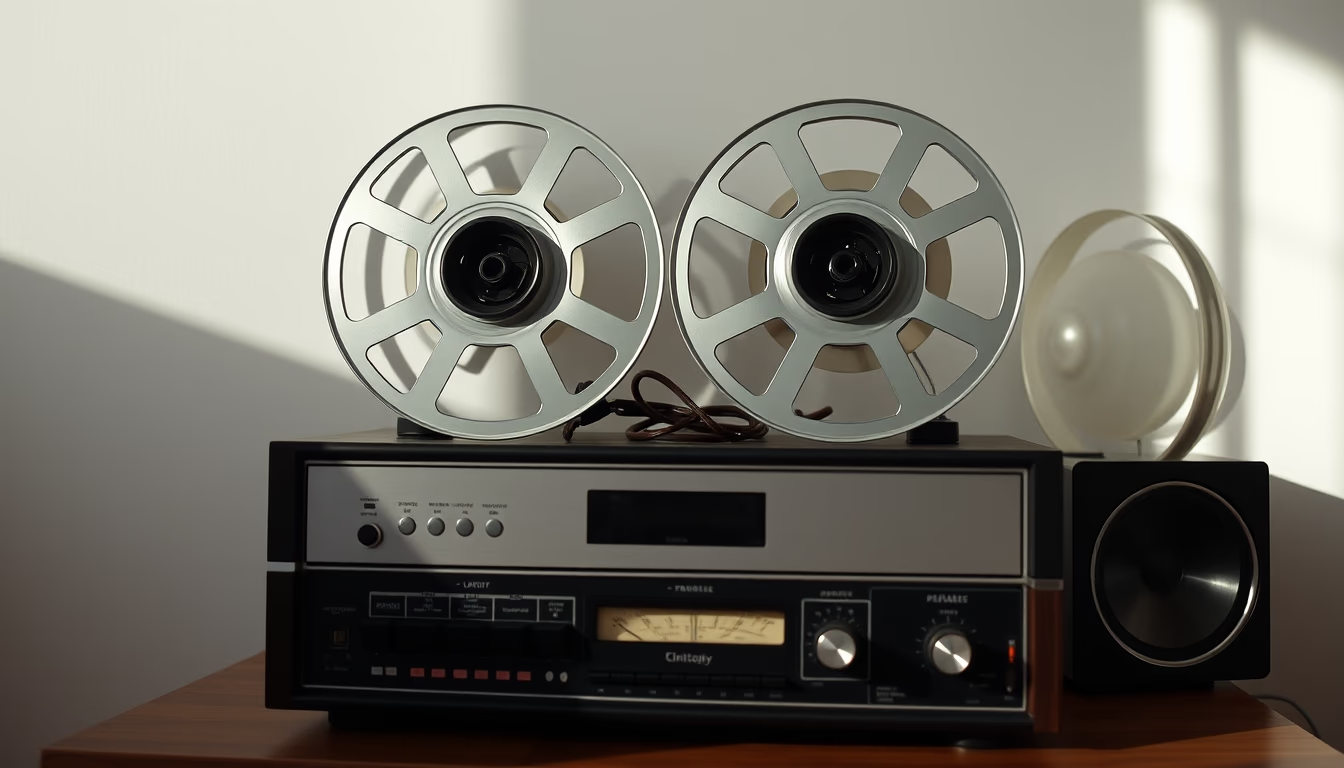
Reel to reel tape player
1344×768 · AVIF · CC BY 4.0

Magnetic tape, analog audio enthusiasts, history of reel to reel recorders, vintage studio equipment.
About this subject
The reel to reel tape recorder was the industry standard for professional audio recording from the 1950s through the 1980s, before the rise of cassette tapes and digital audio. These machines use two reels that transport magnetic tape across record and playback heads, capturing sound with high fidelity. Legendary models like the Studer A80 and Nagra IV are revered for their build quality and sonic performance, used in recording studios and for field recording. Tape width ranged from 1/4 inch (consumer) to 2 inches (multitrack studios), with speeds like 15 ips (inches per second) for maximum quality. Editing was done manually by cutting and splicing the tape with a razor blade and adhesive tape, a technique requiring surgical precision. Today, reel to reel is experiencing a revival among audiophiles who value analog warmth, natural dynamics, and the lack of digital compression. Artists such as Jack White and psychedelic rock bands still record master tapes on reels to achieve that characteristic warmth. Collectors seek models like the Revox B77 or Sony TC-800, which can cost thousands of dollars if restored. Maintenance, however, is complex: magnetic heads wear out and require periodic alignment, and aged tape can lose its coating or become brittle. Despite these challenges, the format marks a major milestone in sound recording history, influencing everything from progressive rock to musique concrète.
Frequently Asked Questions
Why does a reel to reel recorder sound different from digital?
Magnetic tape introduces harmonic saturation and natural compression, smoothing transients and adding warmth. The analog frequency response has a gentle roll-off in the high end, which many find more pleasant than exact digital capture.
What is the difference between a consumer and professional reel to reel machine?
Professional units use sturdier components, higher tape speeds (15 or 30 ips), better recording heads, and low-noise circuitry. Consumer models typically operated at 3.75 or 7.5 ips and had fewer editing and monitoring features.
Can I buy a used reel to reel recorder and still use it today?
Yes, but it is crucial to check the condition of the magnetic heads, electronics, and mechanics. Many enthusiasts restore vintage units with new capacitors, belts, and lubrication. New tape is still manufactured by companies like ATR Magnetics and Recording The Masters.
Direct URL
https://pub-c7d6a6ea828543ac903a74a341ccb2e1.r2.dev/imagens/reel-to-reel-tape-player-fish-eye-wide-angle-fresh10.avifHow to credit
Include a visible link back to UtilizAí. Copy one of the snippets below:
<a href="https://xn--utiliza-eza.com/en/midia/imagens/reel-to-reel-tape-player-fish-eye-wide-angle-fresh10">Reel to reel tape player</a> by <a href="https://xn--utiliza-eza.com">UtilizAí</a>, licensed under <a href="https://creativecommons.org/licenses/by/4.0/">CC BY 4.0</a>.
[Reel to reel tape player](https://xn--utiliza-eza.com/en/midia/imagens/reel-to-reel-tape-player-fish-eye-wide-angle-fresh10) by [UtilizAí](https://xn--utiliza-eza.com), CC BY 4.0
License: CC-BY-4.0