Red blood cells flowing
1344×768 · AVIF · CC BY 4.0
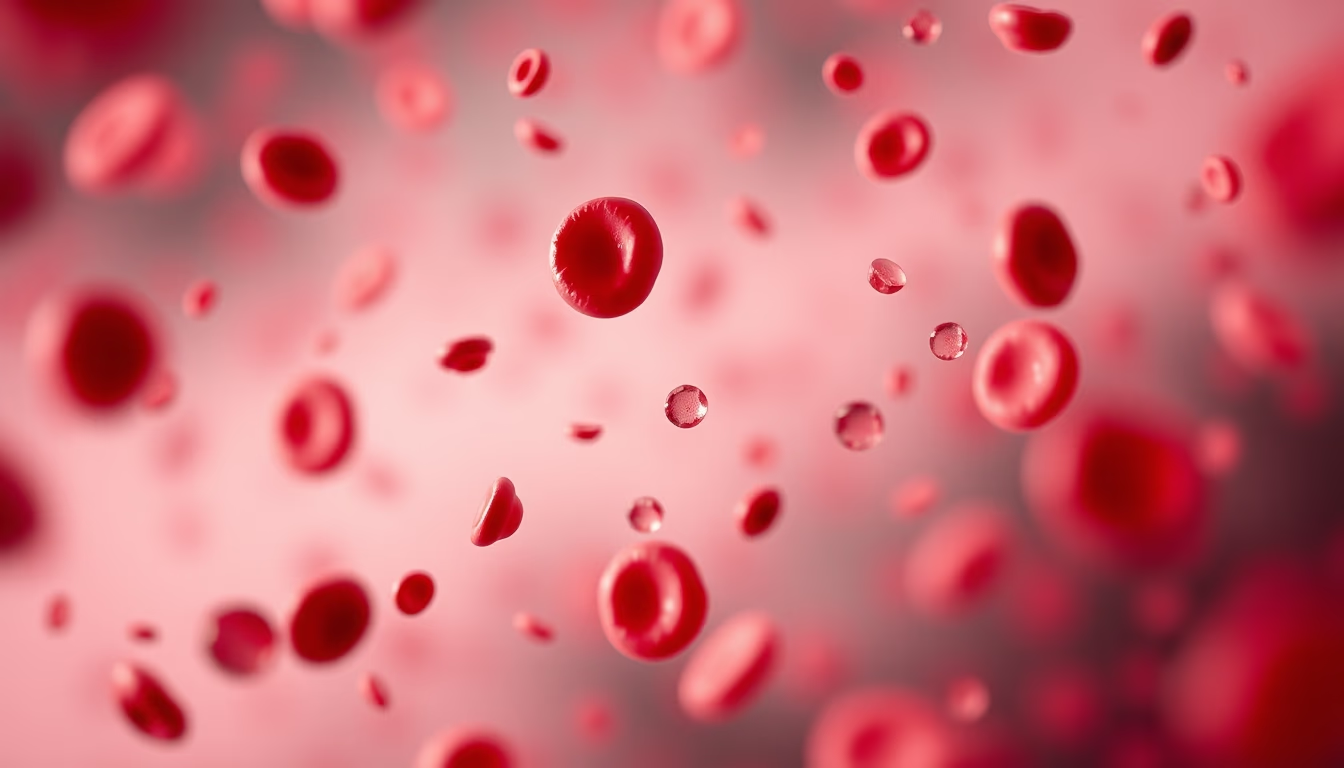
Red blood cells, or erythrocytes, are the most abundant cells in human blood, responsible for transporting oxygen from the lungs to tissues.
About this subject
Red blood cells, also known as erythrocytes, are specialized blood cells responsible for transporting respiratory gases. In the adult human body, approximately 20 to 30 trillion of these cells circulate continuously through blood vessels, ensuring that every tissue receives enough oxygen for energy production. Their biconcave disc shape (flattened with two central depressions) provides a large surface area that facilitates the diffusion of oxygen and carbon dioxide across the cell membrane. This morphology also allows the cells to deform when passing through narrow capillaries, maintaining constant blood flow.
The key functional molecule in red blood cells is hemoglobin, an iron-containing protein that binds reversibly to oxygen. Each mature erythrocyte contains about 270 million hemoglobin molecules, and each molecule can carry up to four oxygen molecules via the heme groups. This transport system is extremely efficient: a red blood cell takes only about 1 second to traverse the lungs and become fully saturated with oxygen. After releasing oxygen to tissues, hemoglobin helps remove carbon dioxide, which is then exhaled by the lungs.
Red blood cells have a limited lifespan of approximately 120 days, after which they are removed from circulation by the spleen and liver. New cells are constantly produced in the red bone marrow through a process called erythropoiesis, regulated by the hormone erythropoietin (EPO). Disorders in the production, structure, or function of erythrocytes can lead to diseases such as iron deficiency anemia (lack of iron), sickle cell anemia (abnormal hemoglobin), or thalassemias. Maintaining adequate red blood cell levels is essential for health, and variations can indicate kidney problems, malnutrition, or genetic conditions.
Frequently Asked Questions
What are red blood cells and what is their main function?
Red blood cells, or erythrocytes, are blood cells responsible for transporting oxygen from the lungs to the body's tissues. They also help remove carbon dioxide.
How do red blood cells transport oxygen?
They contain hemoglobin, a protein that binds to oxygen in the lungs and releases it in tissues. Each red blood cell has about 270 million hemoglobin molecules, enabling efficient oxygen transport.
What happens when there is insufficient production of red blood cells?
A low red blood cell count characterizes anemia, which can cause fatigue, pallor, and shortness of breath. It may result from iron deficiency, chronic diseases, or bone marrow disorders.
Direct URL
https://pub-c7d6a6ea828543ac903a74a341ccb2e1.r2.dev/imagens/red-blood-cells-flowing-macro-closeup-p0.avifHow to credit
Include a visible link back to UtilizAí. Copy one of the snippets below:
<a href="https://xn--utiliza-eza.com/en/midia/imagens/red-blood-cells-flowing-macro-closeup-p0">Red blood cells flowing</a> by <a href="https://xn--utiliza-eza.com">UtilizAí</a>, licensed under <a href="https://creativecommons.org/licenses/by/4.0/">CC BY 4.0</a>.
[Red blood cells flowing](https://xn--utiliza-eza.com/en/midia/imagens/red-blood-cells-flowing-macro-closeup-p0) by [UtilizAí](https://xn--utiliza-eza.com), CC BY 4.0
License: CC-BY-4.0