Recording booth red light
1344×768 · AVIF · CC BY 4.0
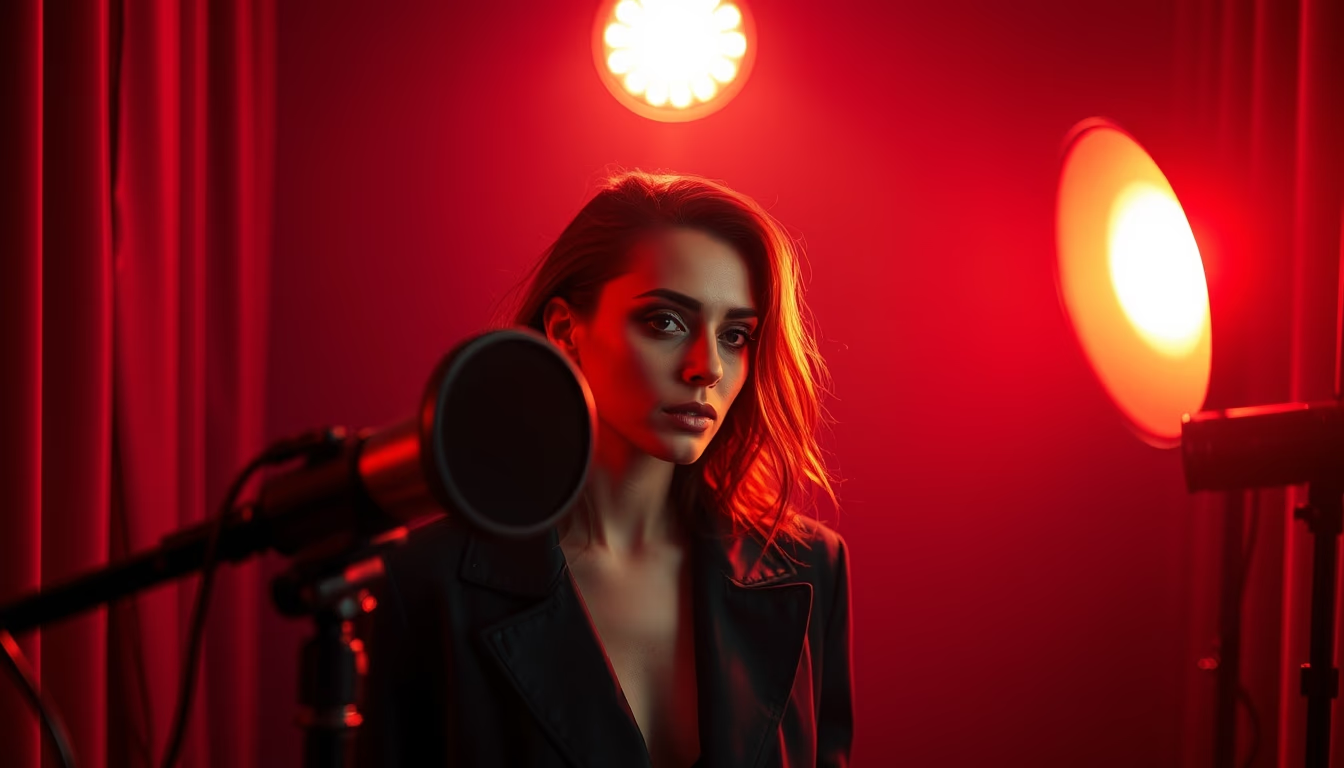
The red recording light, a global convention signaling active studio sessions and protecting musicians' creative work.
About this subject
The red recording light is a universal icon in music production. Its origin dates back to early analog studios, where a red incandescent bulb was triggered to indicate active recording. This visual signal served to alert everyone in the room of the need for absolute silence, preventing unwanted noise that could compromise sound capture. Over time, the red light became a sacred symbol of the creative process, representing the moment when performance transforms into permanent record.
In modern studios, the red light may be digitally implemented, but its meaning remains unchanged. It not only signals recording but also creates an atmosphere of concentration and urgency, separating rehearsal time from definitive recording time. Many artists report that seeing the red light triggers a psychological response of intense focus, increasing precision and emotional delivery during a take. In professional studios, the signal is often integrated with intercom systems and room control, ensuring all parties remain synchronized.
Beyond its practical function, the red light carries strong aesthetic and cultural appeal. Countless album covers, music videos, and films about music use it as a visual reference, evoking the creative and hermetic environment in which iconic works were conceived. The phrase 'being under the red light' has become a metaphor for official recording status, as opposed to informal jams or demos. This symbolism transcends musical genres, uniting rock, pop, classical, and hip hop as a reminder of the crucial moment when art materializes.
Interestingly, the red light also plays a role in studio etiquette: when lit, no one should enter or make noise. Breaking this rule is considered a serious offense among musicians and engineers. In historic studios like Abbey Road or Sun Studio, original lights are preserved as museum pieces. Today, with the democratization of home production, many home studios adopt red LED lights to recreate a professional atmosphere, proving that a simple luminous signal remains an essential part of music culture.
Frequently Asked Questions
Why is the recording studio light red?
The red color was historically chosen because it is highly visible and less intrusive to eyes in dark studio environments. Additionally, red incandescent bulbs were economical and easy to source. Red also evokes urgency and attention, reinforcing silent behavior during recording.
Does every red light in a studio mean recording is in progress?
In most professional studios, yes. However, in some contexts, the red light may indicate that the system is active or that a microphone is open. The standard meaning is recording in progress, but it's always good to confirm the specific studio's rules.
What happens if someone makes noise while the red light is on?
Making noise during recording with the light on typically ruins the take, requiring a new one. This can create friction with the artist and sound engineer. In professional studios, it is considered a serious offense and may even lead to ejection from the studio.
Direct URL
https://pub-c7d6a6ea828543ac903a74a341ccb2e1.r2.dev/imagens/recording-booth-red-light-high-fashion-editorial-p4.avifHow to credit
Include a visible link back to UtilizAí. Copy one of the snippets below:
<a href="https://xn--utiliza-eza.com/en/midia/imagens/recording-booth-red-light-high-fashion-editorial-p4">Recording booth red light</a> by <a href="https://xn--utiliza-eza.com">UtilizAí</a>, licensed under <a href="https://creativecommons.org/licenses/by/4.0/">CC BY 4.0</a>.
[Recording booth red light](https://xn--utiliza-eza.com/en/midia/imagens/recording-booth-red-light-high-fashion-editorial-p4) by [UtilizAí](https://xn--utiliza-eza.com), CC BY 4.0
License: CC-BY-4.0