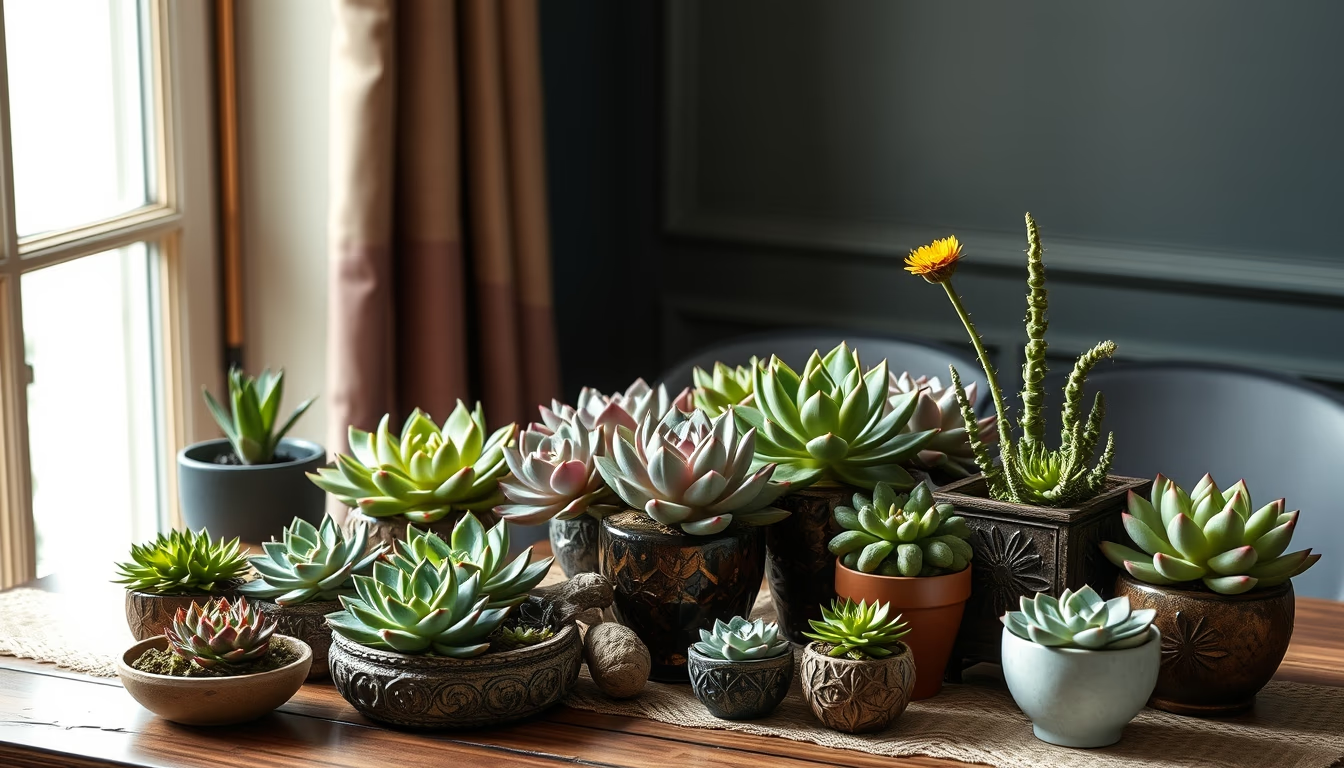
Rare plant nursery
1344×768 · AVIF · CC BY 4.0
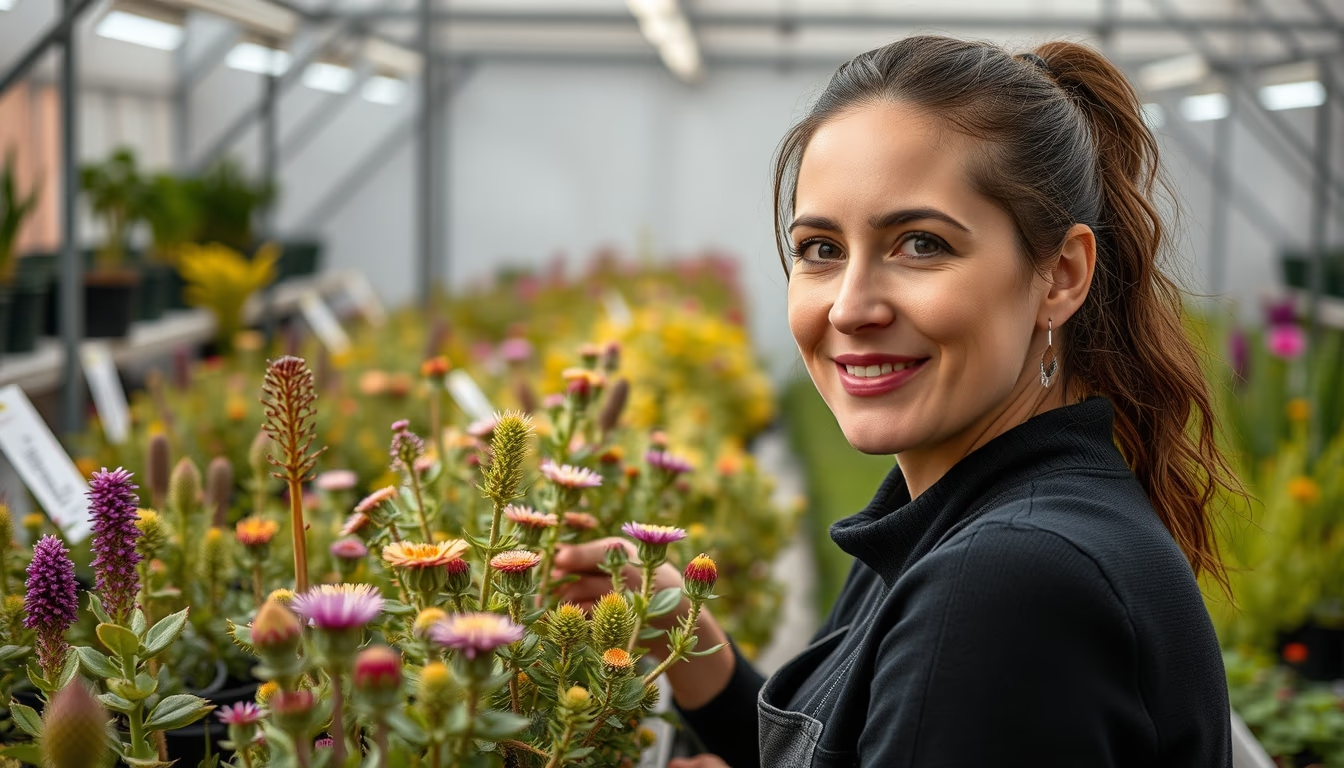
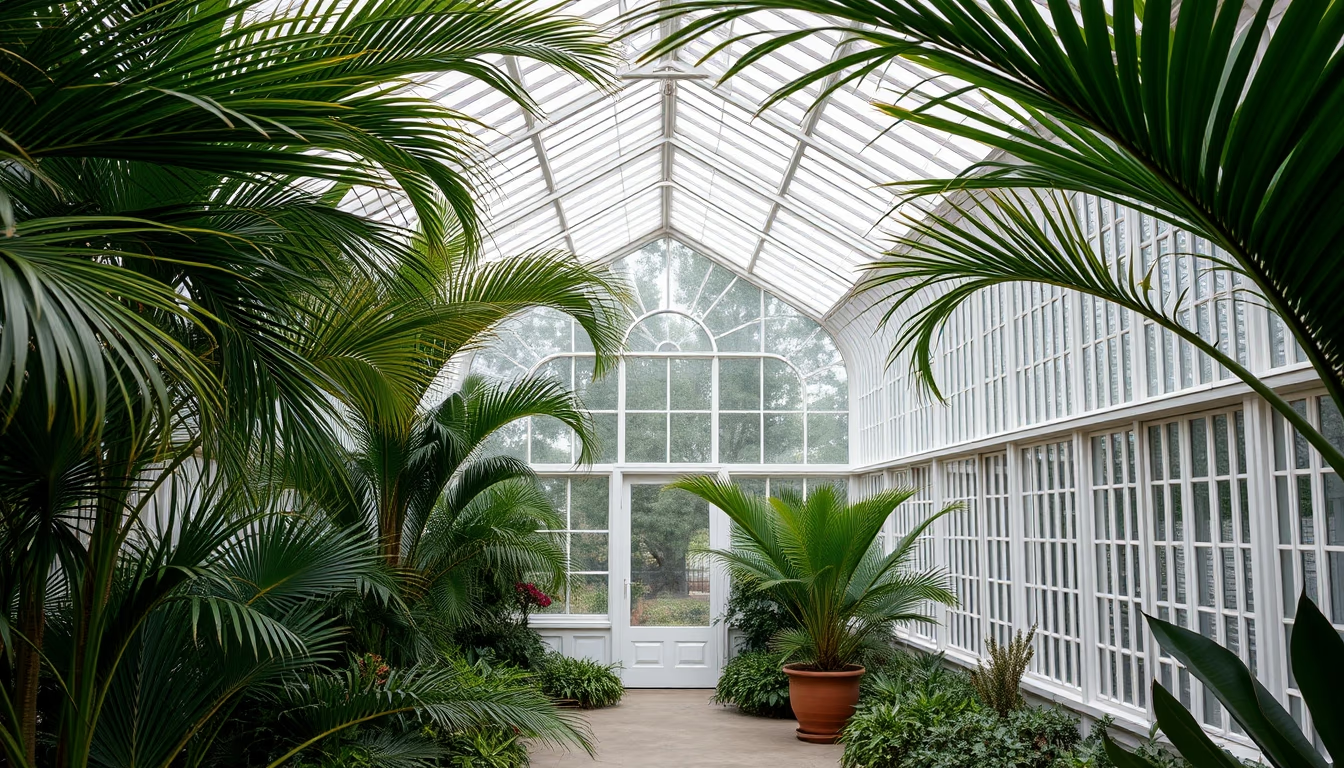
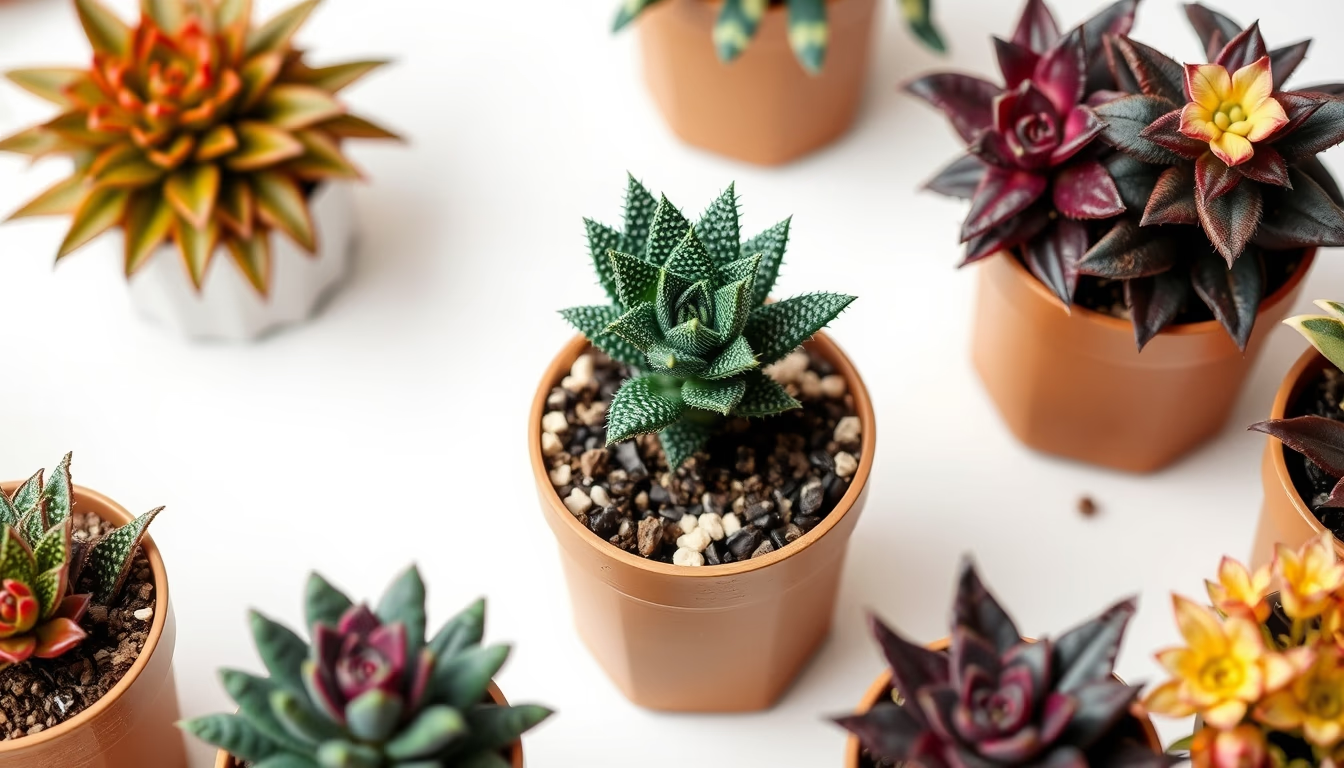
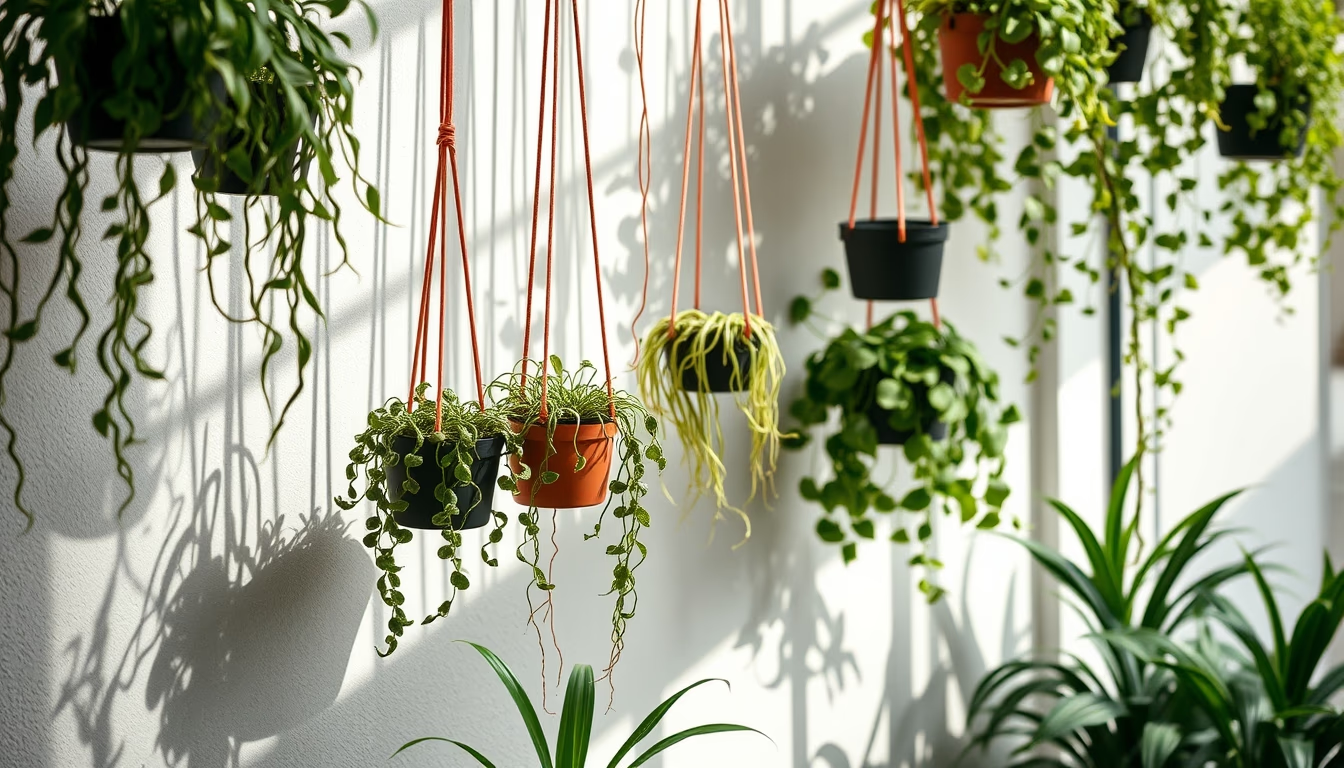
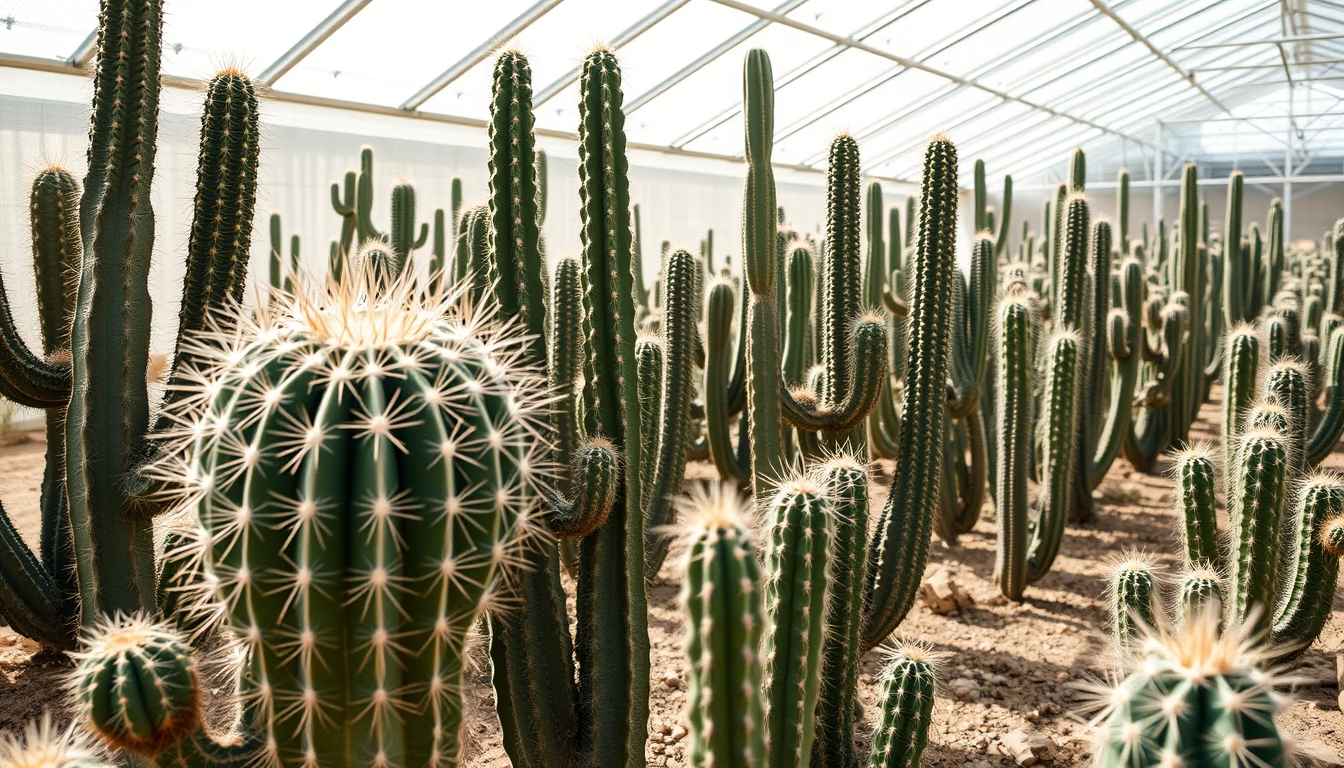
Explore the world of rare plant nurseries, specialized spaces dedicated to the conservation and cultivation of threatened or exotic botanical species.
About this subject
Rare plant nurseries are specialized institutions dedicated to the cultivation, preservation, and propagation of plant species that occur naturally in low numbers, whether due to restricted endemism, habitat destruction, or predatory collection. Unlike common commercial nurseries, these facilities focus on maintaining living gene banks, often in partnership with botanical gardens, universities, and environmental agencies. In Brazil, the National Center for Flora Conservation (CNCFlora) has listed over 2,800 threatened species, many of which depend on specialized nurseries to avoid extinction.
A rare plant nursery typically operates with both asexual (cuttings, grafting) and sexual (seed) propagation systems, rigorously controlling temperature, humidity, and light to replicate specific microclimates. Species such as the orchid Cattleya walkeriana, the Brazilian pine Araucaria angustifolia, and the palm Euterpe edulis benefit from these programs. A plant's rarity can be defined by its limited geographic range, low population density, or anthropogenic threats like deforestation and illegal trade.
The importance of these nurseries goes beyond conservation: they also contribute to environmental education, provide material for scientific research, and support species reintroduction into the wild. The rare plant market generates significant revenue, with collectors paying high prices for specimens like Philodendron spiritus-sancti (up to US$ 2,000 per seedling). However, operations must comply with legislation such as Brazil's Native Flora Protection Law (Law 11.428/2006) and the CITES convention, which regulates international trade of endangered species.
Interestingly, not every rare plant is micro-endemic: some are rare due to very specific cultivation requirements, such as the carnivorous plant Utricularia quelchii, which needs acidic water and high humidity. Therefore, rare plant nurseries function as centers of botanical expertise, employing professionals like biologists, agronomists, and specialized gardeners. Maintaining a living collection of rare plants is akin to a botanical museum, where each specimen tells an evolutionary and ecological story.
Frequently Asked Questions
What characterizes a rare plant in a nursery?
A plant is considered rare when it has low natural occurrence due to restricted endemism, habitat destruction, overcollection, or cultivation difficulties. In nurseries, priority is given to endangered species or those under controlled commercial demand.
How does a rare plant nursery contribute to conservation?
It maintains living gene banks, performs controlled propagation for reintroduction into the wild, provides material for scientific research, and educates the public about biodiversity importance.
What are the main challenges in maintaining rare plants in captivity?
Challenges include replicating specific environmental conditions (climate, soil, pollinators), preventing diseases and pests, and ensuring sufficient genetic variability for reintroduction programs.
Direct URL
https://pub-c7d6a6ea828543ac903a74a341ccb2e1.r2.dev/imagens/rare-plant-nursery-studio-editorial-portrait-fresh12.avifHow to credit
Include a visible link back to UtilizAí. Copy one of the snippets below:
<a href="https://xn--utiliza-eza.com/en/midia/imagens/rare-plant-nursery-studio-editorial-portrait-fresh12">Rare plant nursery</a> by <a href="https://xn--utiliza-eza.com">UtilizAí</a>, licensed under <a href="https://creativecommons.org/licenses/by/4.0/">CC BY 4.0</a>.
[Rare plant nursery](https://xn--utiliza-eza.com/en/midia/imagens/rare-plant-nursery-studio-editorial-portrait-fresh12) by [UtilizAí](https://xn--utiliza-eza.com), CC BY 4.0
License: CC-BY-4.0