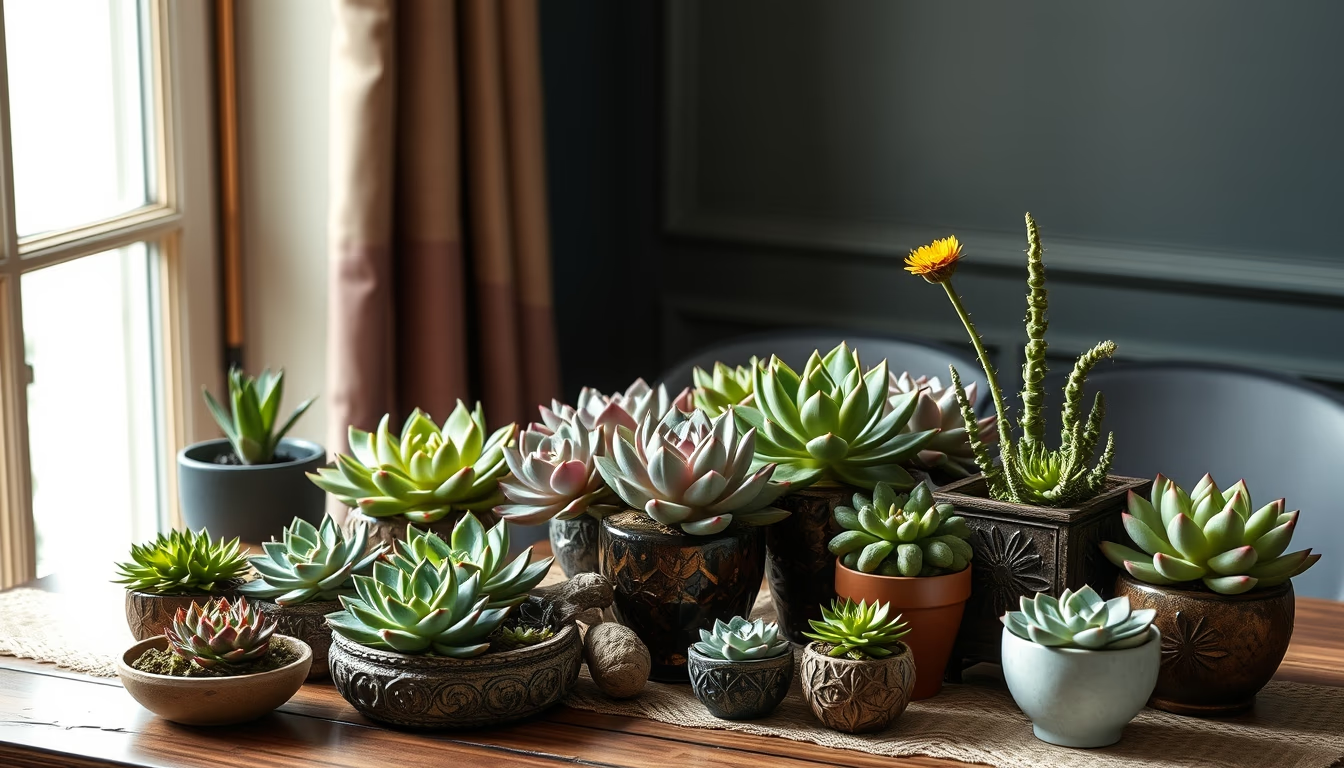
Rare plant nursery
1344×768 · AVIF · CC BY 4.0
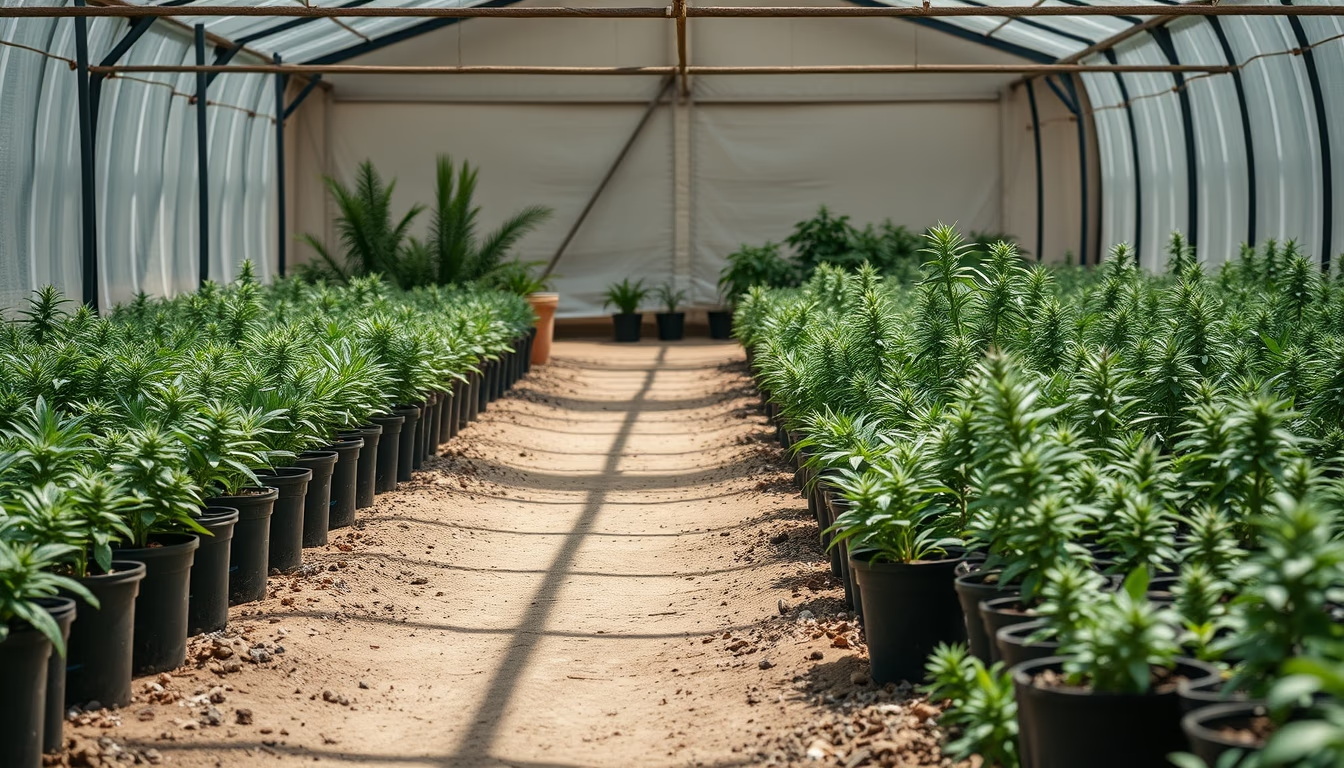
Rare plant nurseries play a crucial role in biodiversity conservation, offering endangered species for collectors, researchers, and ecological restoration projects.
About this subject
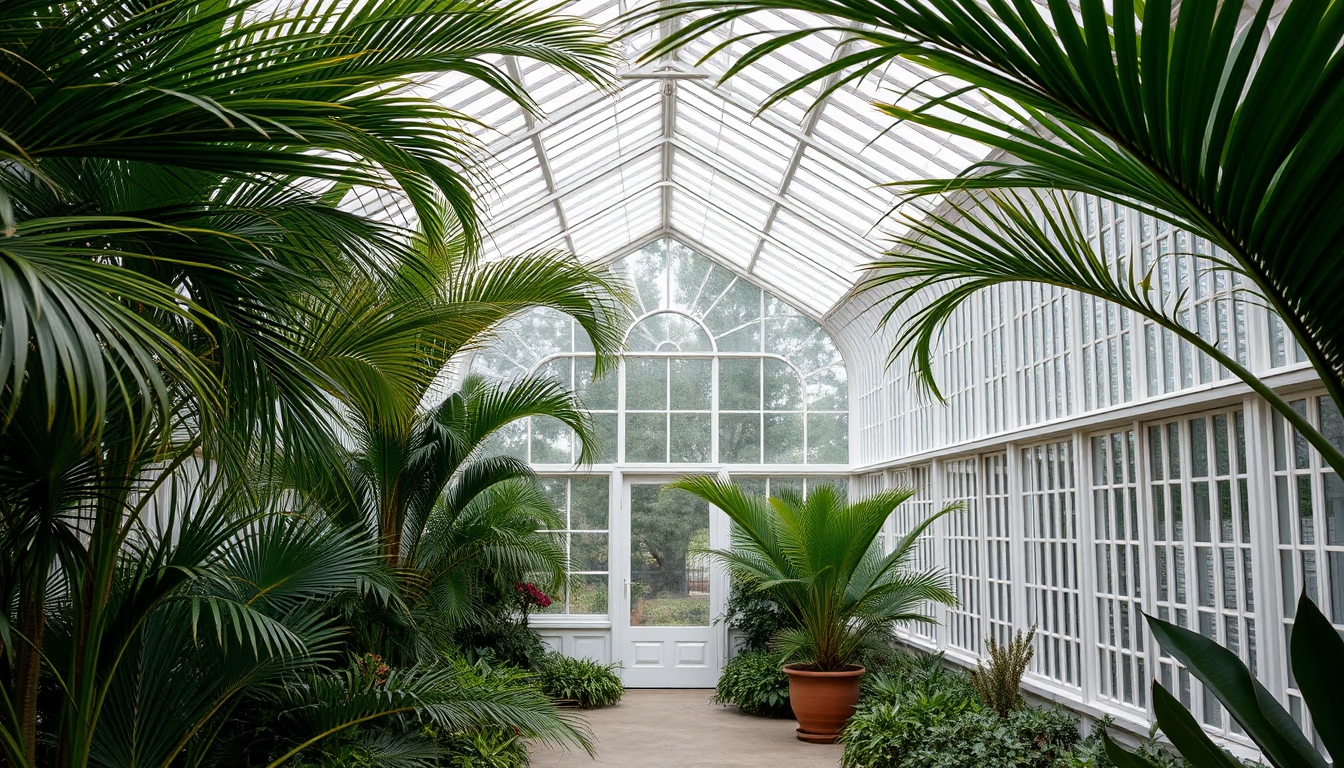
Specialized rare plant nurseries are institutions dedicated to the propagation and preservation of plant species that have become scarce in nature for various reasons. These nurseries act as living gene banks, maintaining specimens of endangered, endemic, or unusually ornamental plants. Ex situ conservation, carried out in these locations, is an internationally recognized strategy to prevent the permanent loss of species.
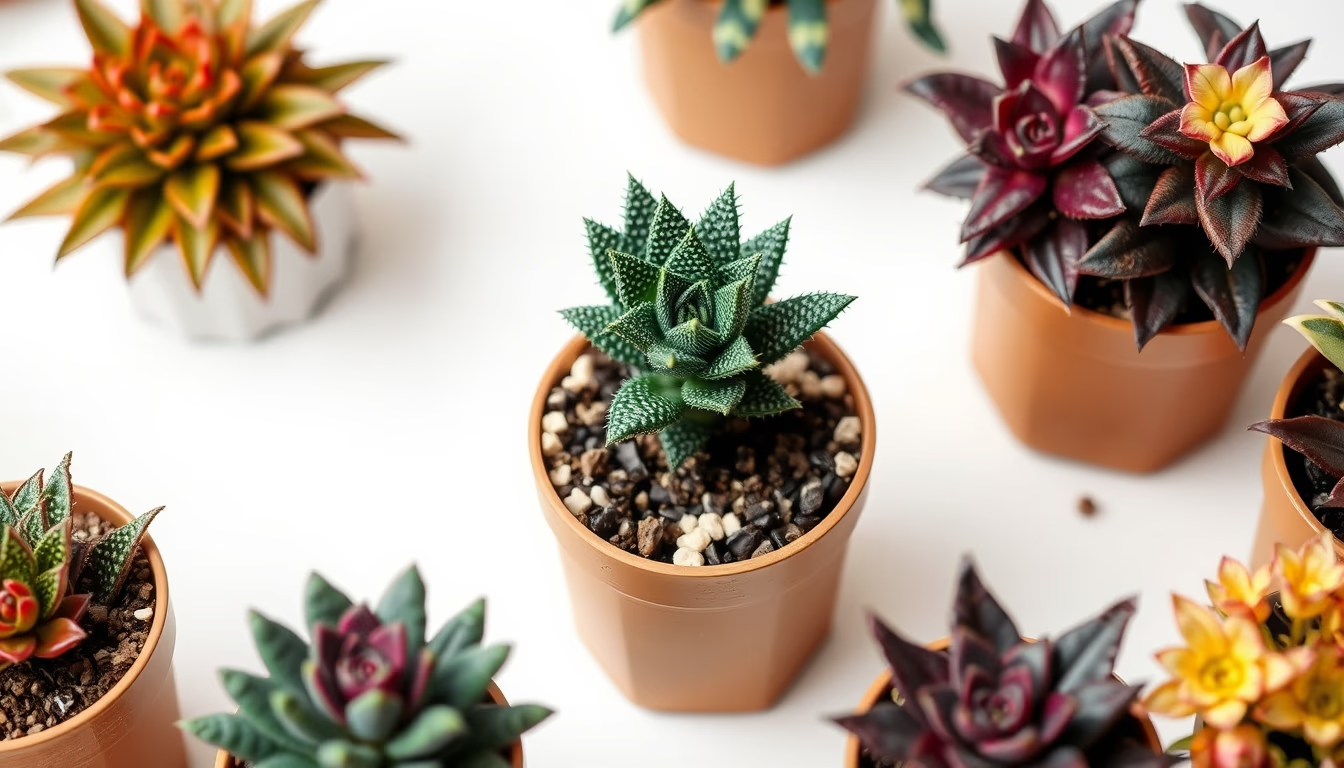
Cultivating rare plants requires deep technical knowledge about each species' specific needs, such as soil type, humidity, light, and temperature. Many of these plants have very particular requirements, like rare orchids from the Atlantic Forest or succulents from the South African desert. These nurseries also produce seedlings through seeds or micropropagation techniques for reintroduction into degraded natural habitats.
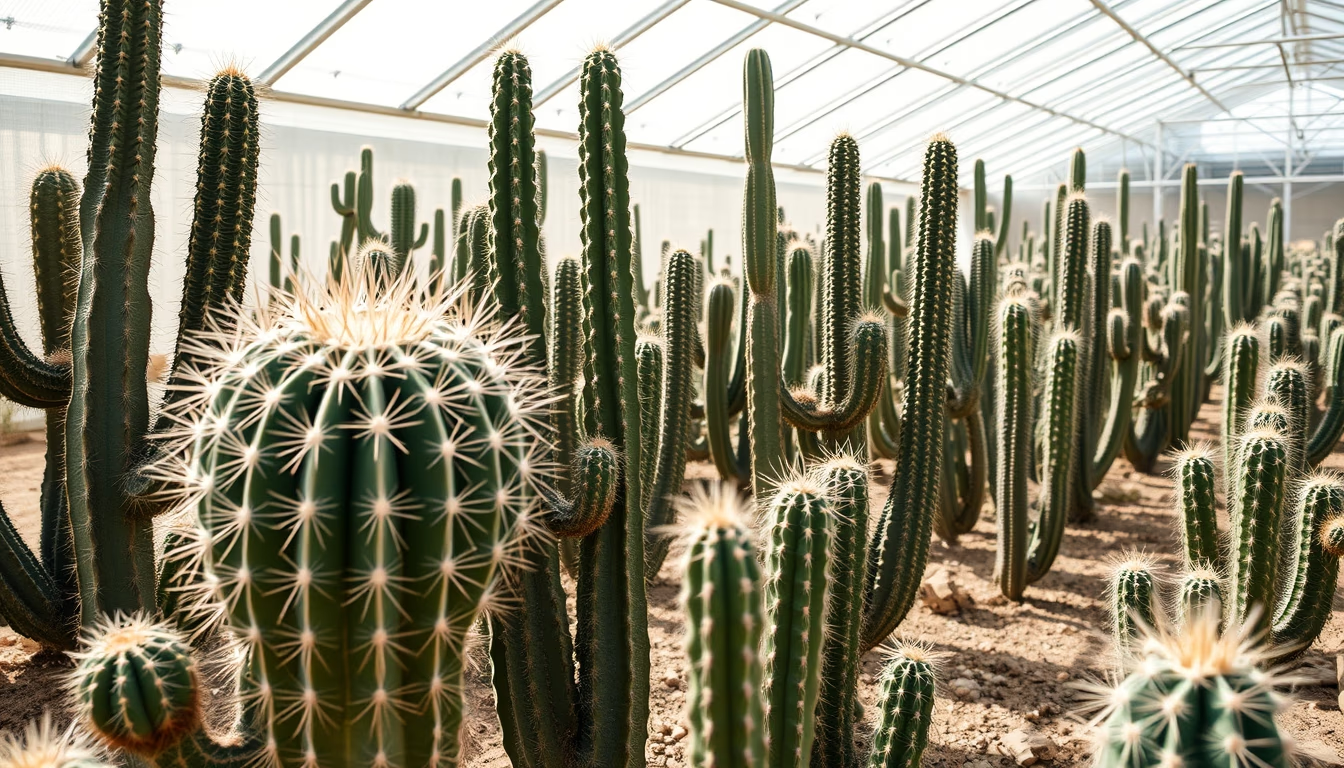
In Brazil, there are nurseries dedicated to rare native plants, such as those from the Bromeliaceae and Cactaceae families, which suffer from illegal trafficking and habitat loss. Additionally, private collectors maintain greenhouses with exotic species from around the world, contributing to the dissemination of botanical knowledge. Legality and provenance are central issues: serious nurseries follow environmental legislation and obtain licenses to trade protected species.
The importance of these nurseries goes beyond hobby. They support scientific research by providing material for physiology, genetics, and ecology studies. Botanical gardens often collaborate with private nurseries for specimen exchange. For the public, visiting a rare plant nursery is an opportunity to learn about global flora and the urgency of conservation.
Frequently Asked Questions
What defines a rare plant in a nursery?
A rare plant is one that occurs in very small or restricted populations, whether due to endemism, threat of extinction, or difficulty of cultivation. Specialized nurseries focus on these species for collectors and conservation.
Is it legal to buy rare plants in Brazil?
Yes, as long as the nursery is registered with Ibama or the competent state agency and the plants come from legal cultivation, with documentation proving origin. Endangered species require specific authorization.
How do rare plant nurseries help with conservation?
They maintain living gene banks, produce seedlings for reintroduction into natural habitats, and reduce pressure on wild populations by providing specimens for collectors, thus preventing illegal collection from nature.
Direct URL
https://pub-c7d6a6ea828543ac903a74a341ccb2e1.r2.dev/imagens/rare-plant-nursery-minimalist-composition-fresh15.avifHow to credit
Include a visible link back to UtilizAí. Copy one of the snippets below:
<a href="https://xn--utiliza-eza.com/en/midia/imagens/rare-plant-nursery-minimalist-composition-fresh15">Rare plant nursery</a> by <a href="https://xn--utiliza-eza.com">UtilizAí</a>, licensed under <a href="https://creativecommons.org/licenses/by/4.0/">CC BY 4.0</a>.
[Rare plant nursery](https://xn--utiliza-eza.com/en/midia/imagens/rare-plant-nursery-minimalist-composition-fresh15) by [UtilizAí](https://xn--utiliza-eza.com), CC BY 4.0
License: CC-BY-4.0