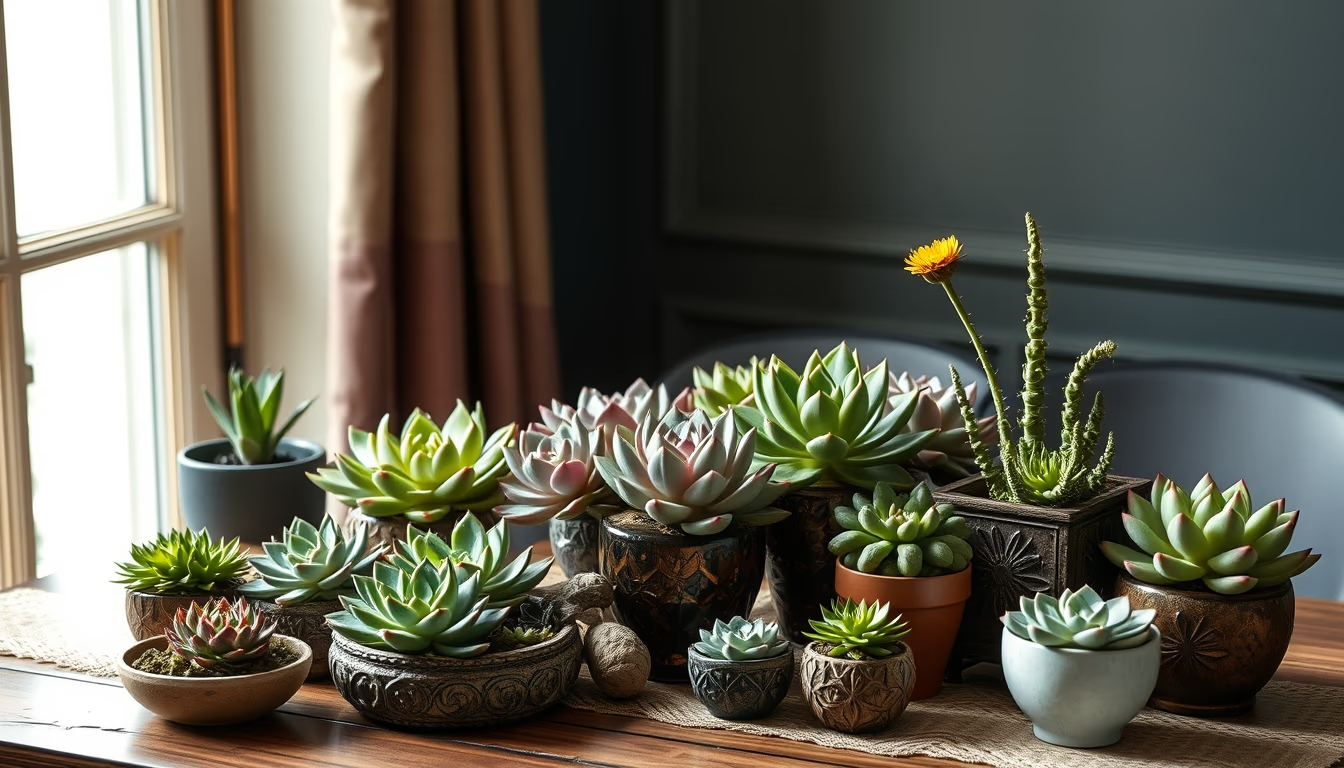
Rare plant nursery
1344×768 · AVIF · CC BY 4.0
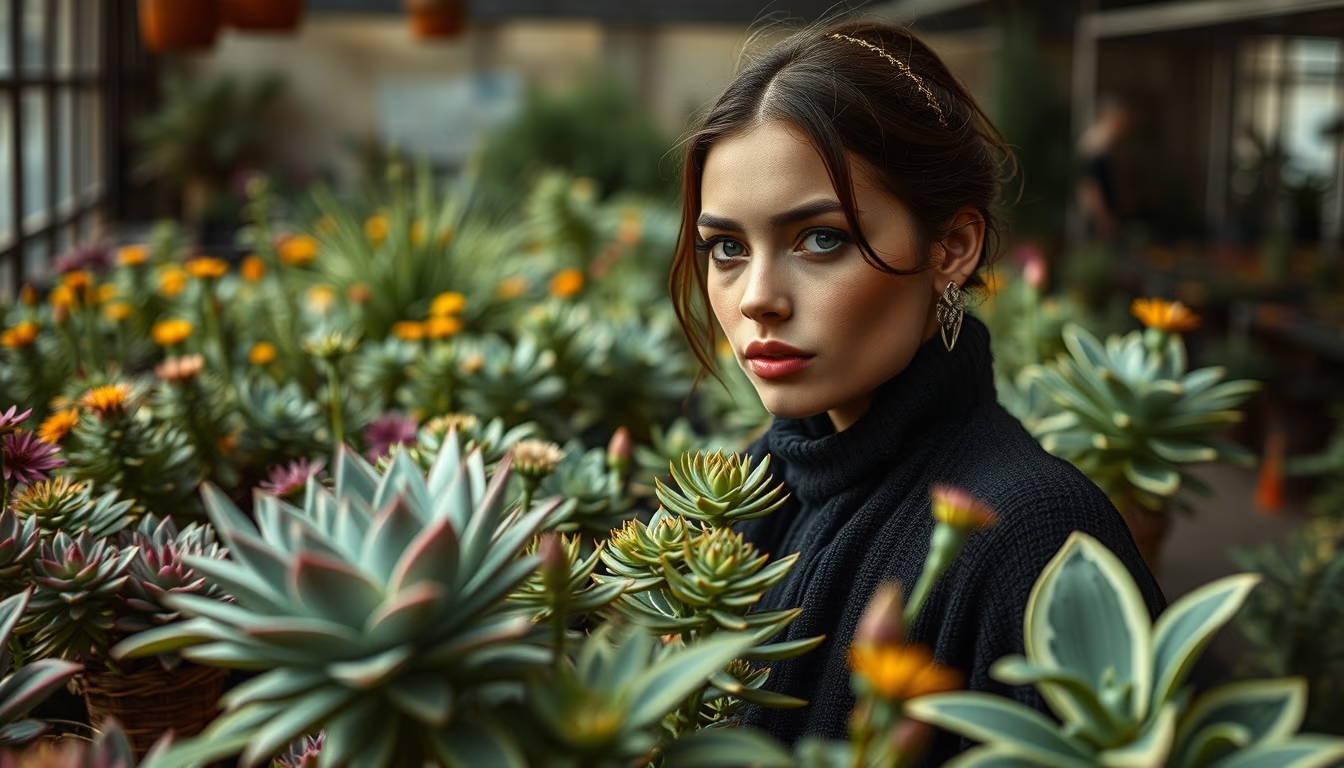
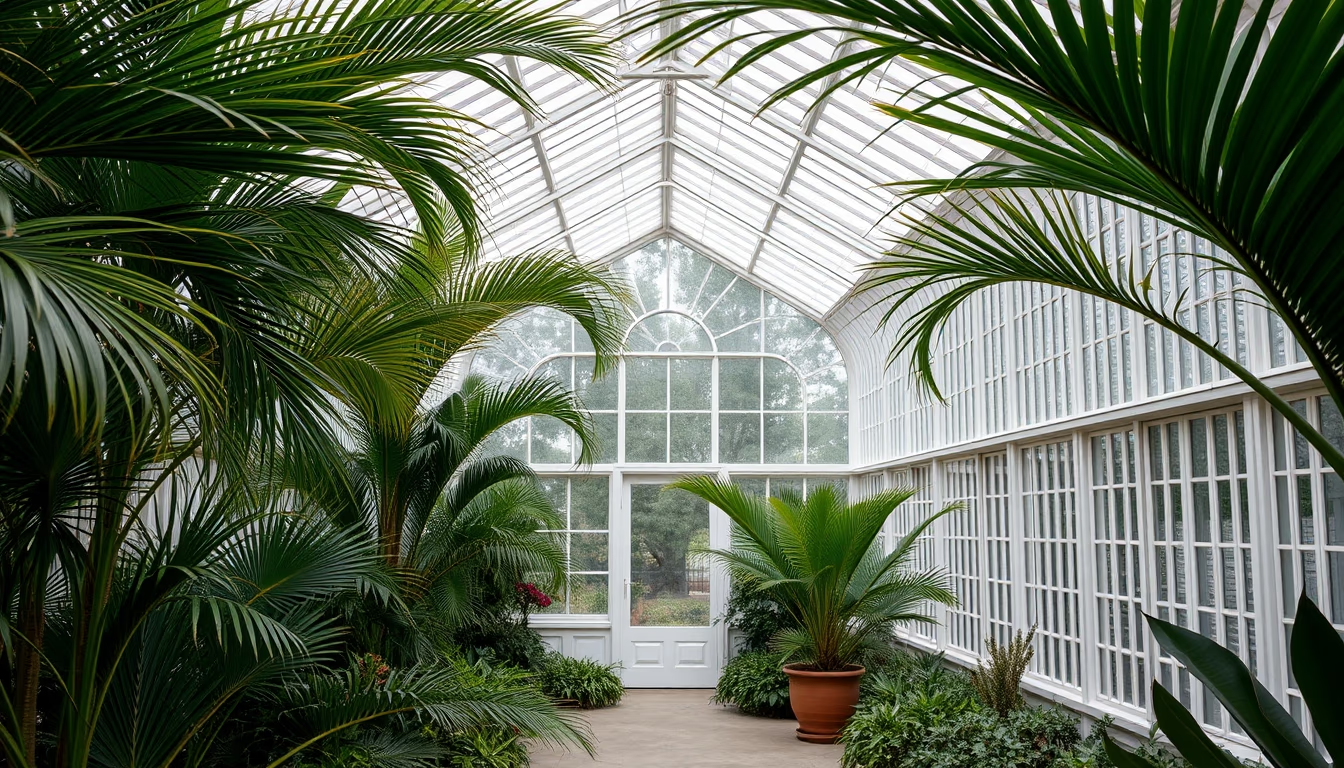
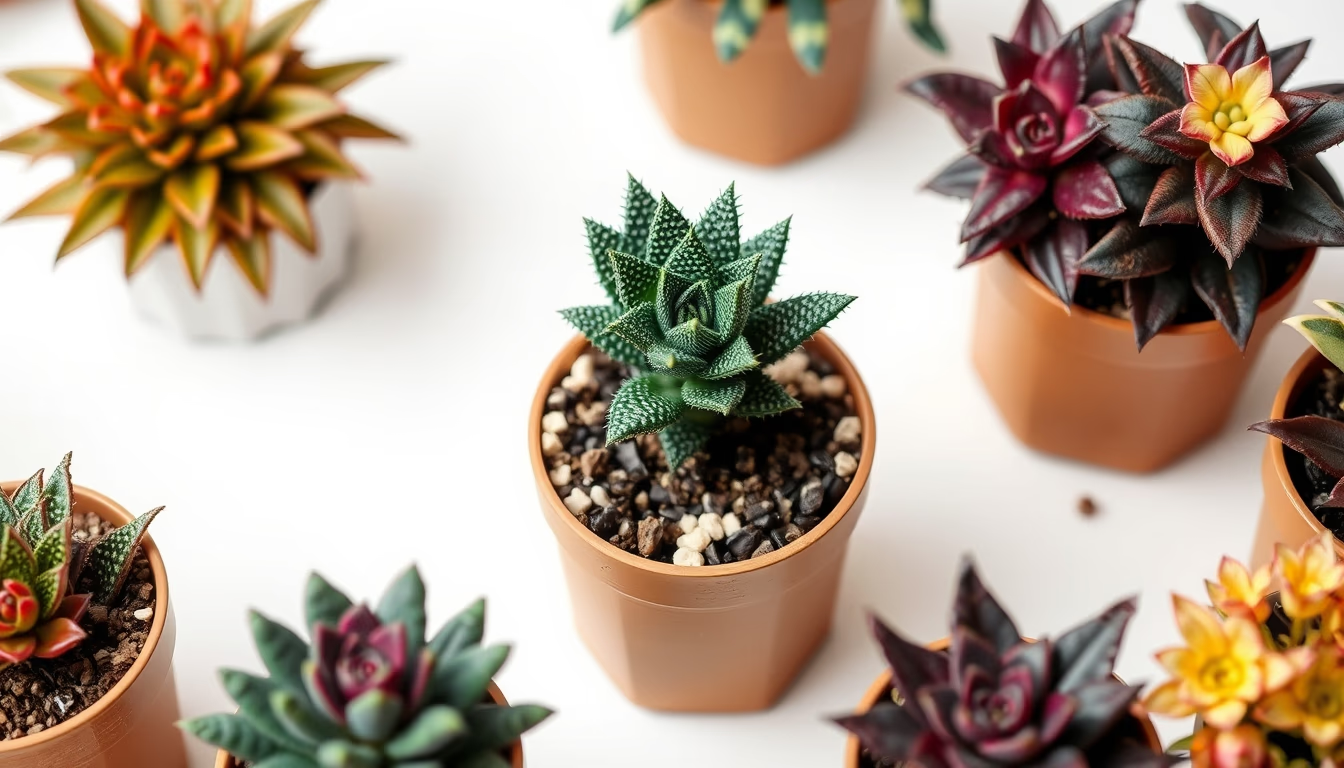
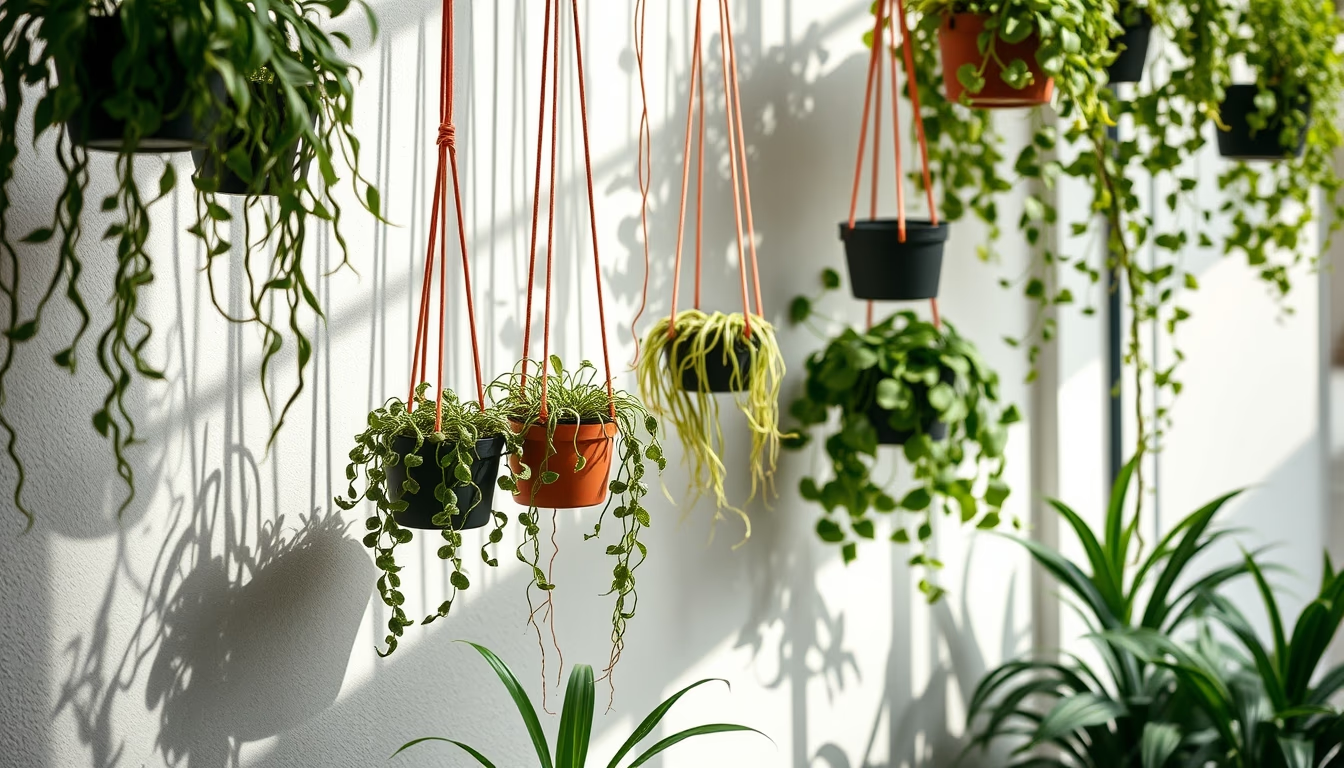
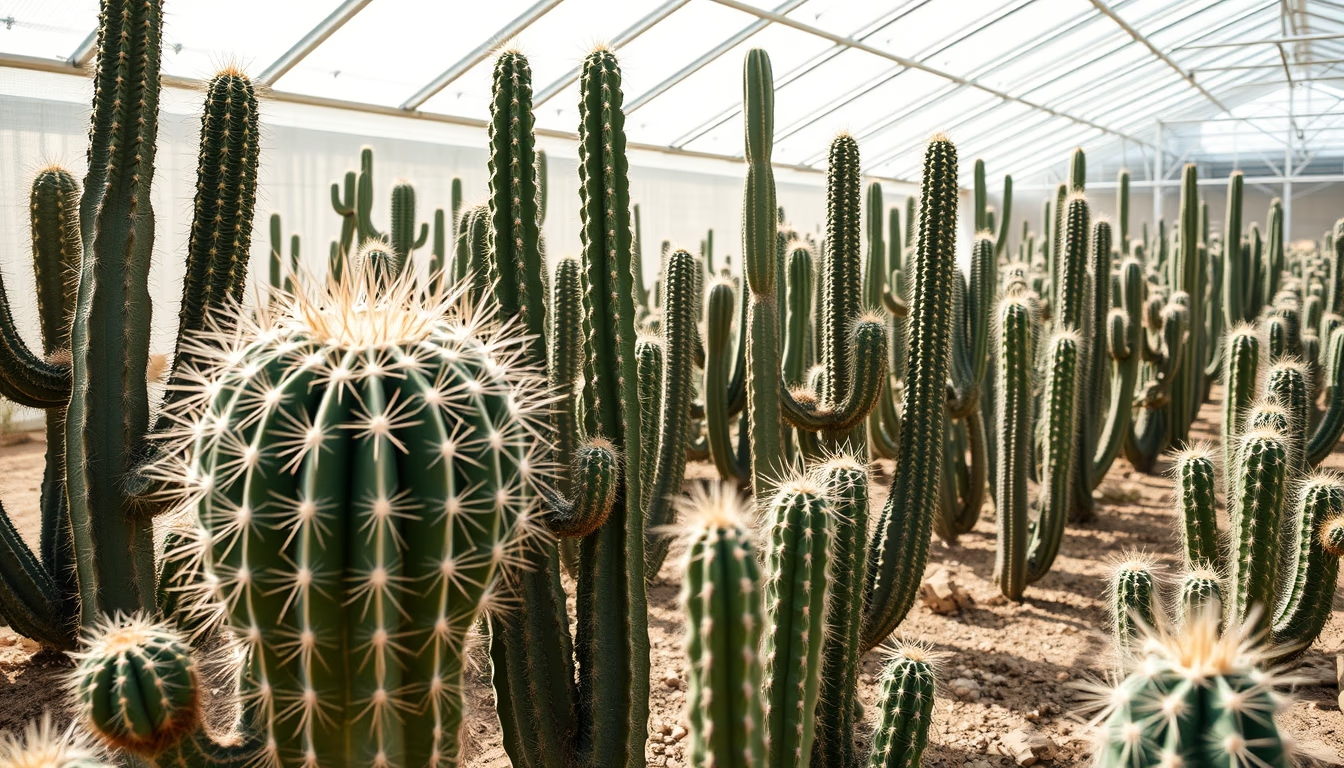
Rare plant nurseries are biodiversity sanctuaries, cultivating threatened species for conservation and research.
About this subject
Rare plant nurseries play a crucial role in preserving endangered species, often endemic to specific regions. In Brazil, a country with one of the highest biodiversities in the world, these nurseries house everything from orchids and bromeliads to native trees like pau-brasil (Paubrasilia echinata), which was heavily exploited in the past. According to the International Union for Conservation of Nature (IUCN), about 40% of plant species are at risk of extinction, making these cultivation centers essential for reintroduction programs and scientific research. Techniques such as micropropagation and seed banks are used to ensure long-term genetic viability.
Beyond conservation, rare plant nurseries also cater to a specialized market of collectors, landscapers, and scientific institutions. Species like the rafflesia arnoldii, which produces the world's largest flower, or the Welwitschia mirabilis, which can live for thousands of years, require precise environmental conditions and advanced technical knowledge to be grown outside their natural habitat. These nurseries often collaborate with botanical gardens and universities to document and study plant biology, contributing to science and environmental education.
The demand for rare plants, driven by the ornamental market and fashion, also raises ethical issues about illegal collection and trafficking. Licensed and certified nurseries follow regulations such as CITES (Convention on International Trade in Endangered Species of Wild Fauna and Flora), ensuring that cultivation is sustainable. In high fashion and editorial photography, rare plants are frequently used as exotic elements in shoots, enhancing aesthetics while promoting awareness of ecosystem fragility.
Interestingly, some specialized nurseries offer guided tours and courses for the public to disseminate knowledge about conservation. The rare plant nursery is not just a point of sale but a reference center for those seeking to understand and preserve the planet's plant diversity.
Frequently Asked Questions
What makes a plant rare?
A rare plant has a restricted geographic range, small population, or is threatened with extinction. Rarity can be natural or human-induced, such as from deforestation or overcollection.
How do rare plant nurseries contribute to conservation?
They maintain living collections of threatened species, conduct research on propagation and genetics, and participate in reintroduction programs into natural habitats, while also educating the public about biodiversity.
Is it legal to buy rare plants?
Yes, as long as the nursery is registered and complies with national and international laws like CITES. Avoid purchasing plants of dubious origin to not encourage illegal trafficking.
Direct URL
https://pub-c7d6a6ea828543ac903a74a341ccb2e1.r2.dev/imagens/rare-plant-nursery-high-fashion-editorial-fresh0.avifHow to credit
Include a visible link back to UtilizAí. Copy one of the snippets below:
<a href="https://xn--utiliza-eza.com/en/midia/imagens/rare-plant-nursery-high-fashion-editorial-fresh0">Rare plant nursery</a> by <a href="https://xn--utiliza-eza.com">UtilizAí</a>, licensed under <a href="https://creativecommons.org/licenses/by/4.0/">CC BY 4.0</a>.
[Rare plant nursery](https://xn--utiliza-eza.com/en/midia/imagens/rare-plant-nursery-high-fashion-editorial-fresh0) by [UtilizAí](https://xn--utiliza-eza.com), CC BY 4.0
License: CC-BY-4.0