Rare plant nursery
1344×768 · AVIF · CC BY 4.0
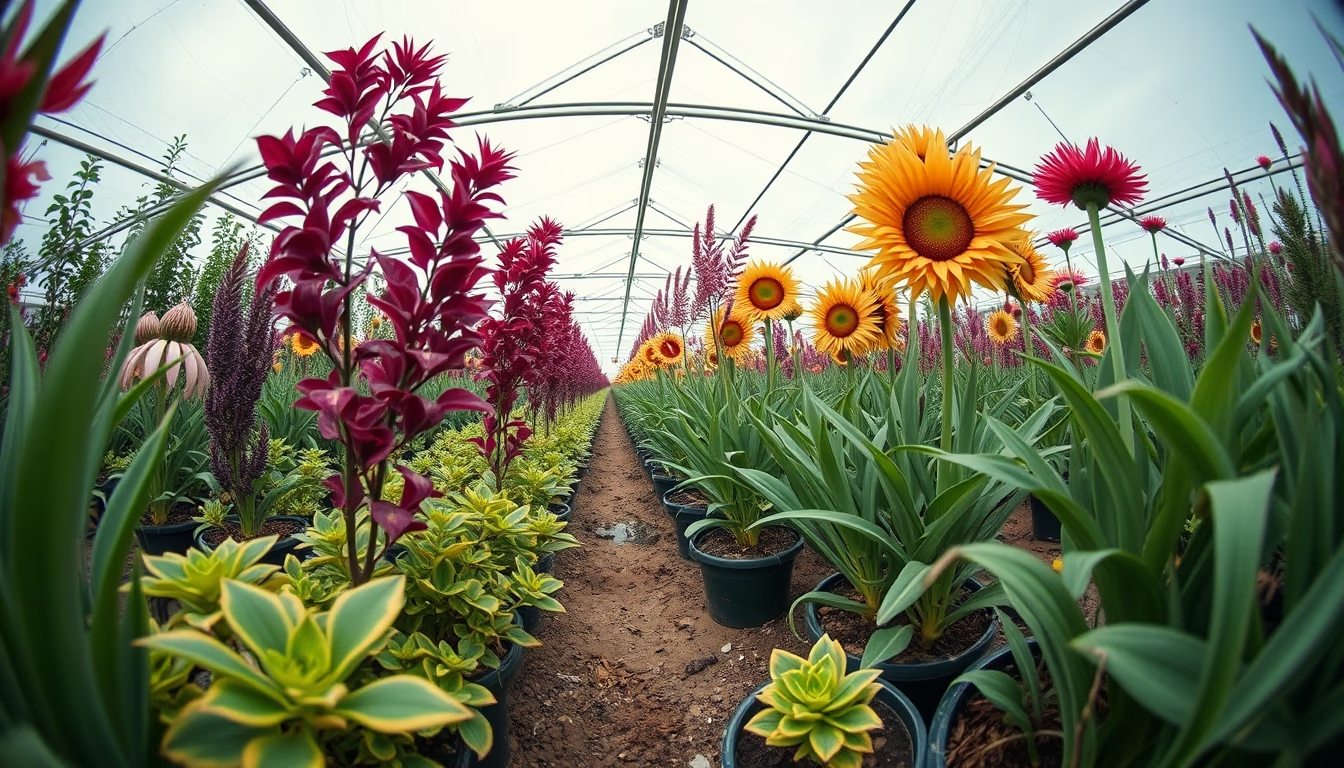
Rare plant nurseries cultivate endangered and exotic species, contributing to biodiversity conservation and specialized trade.
About this subject
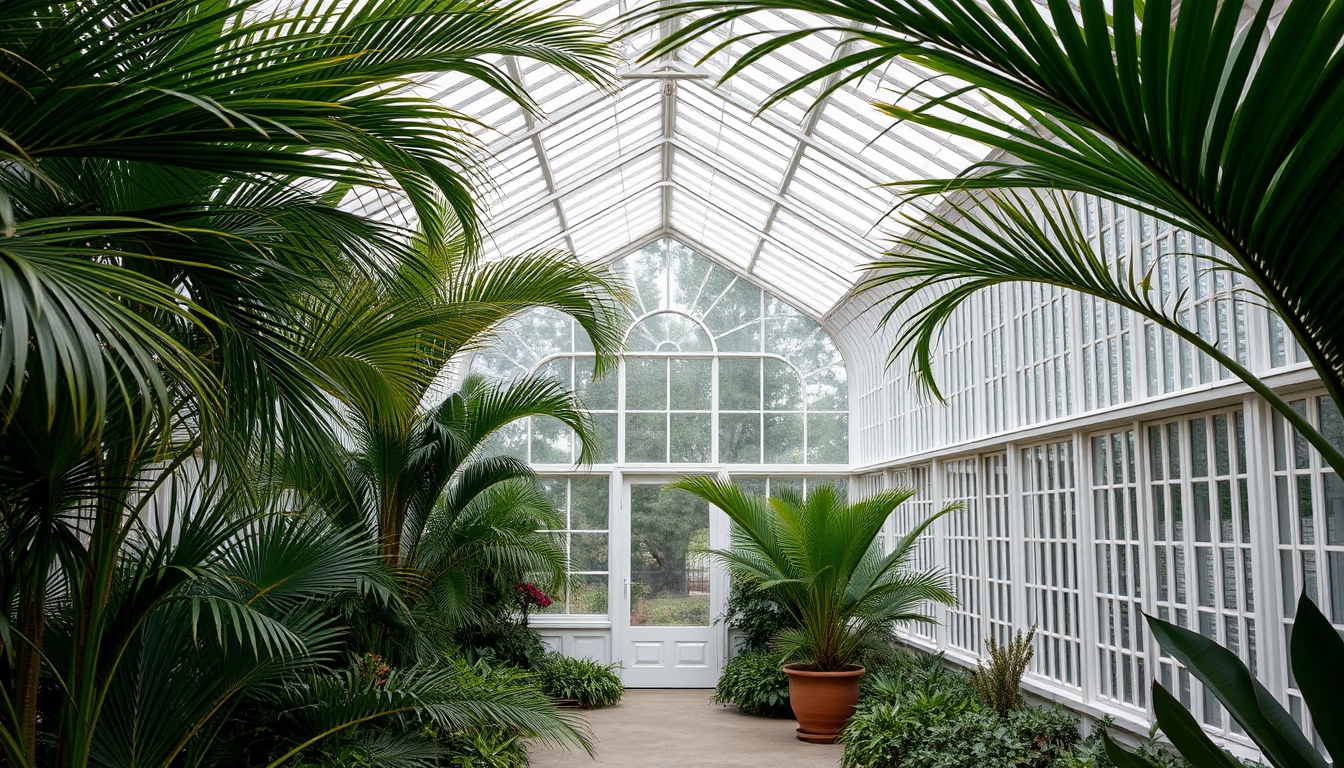
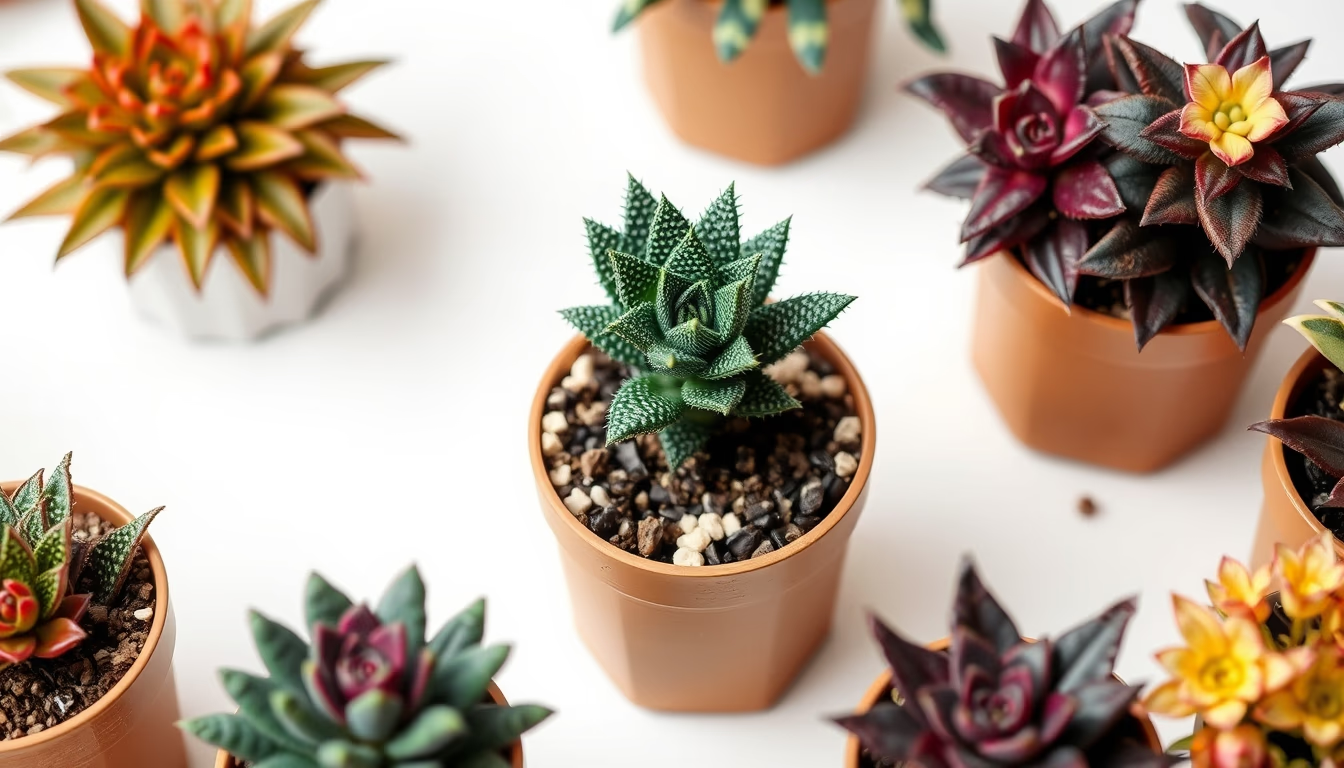
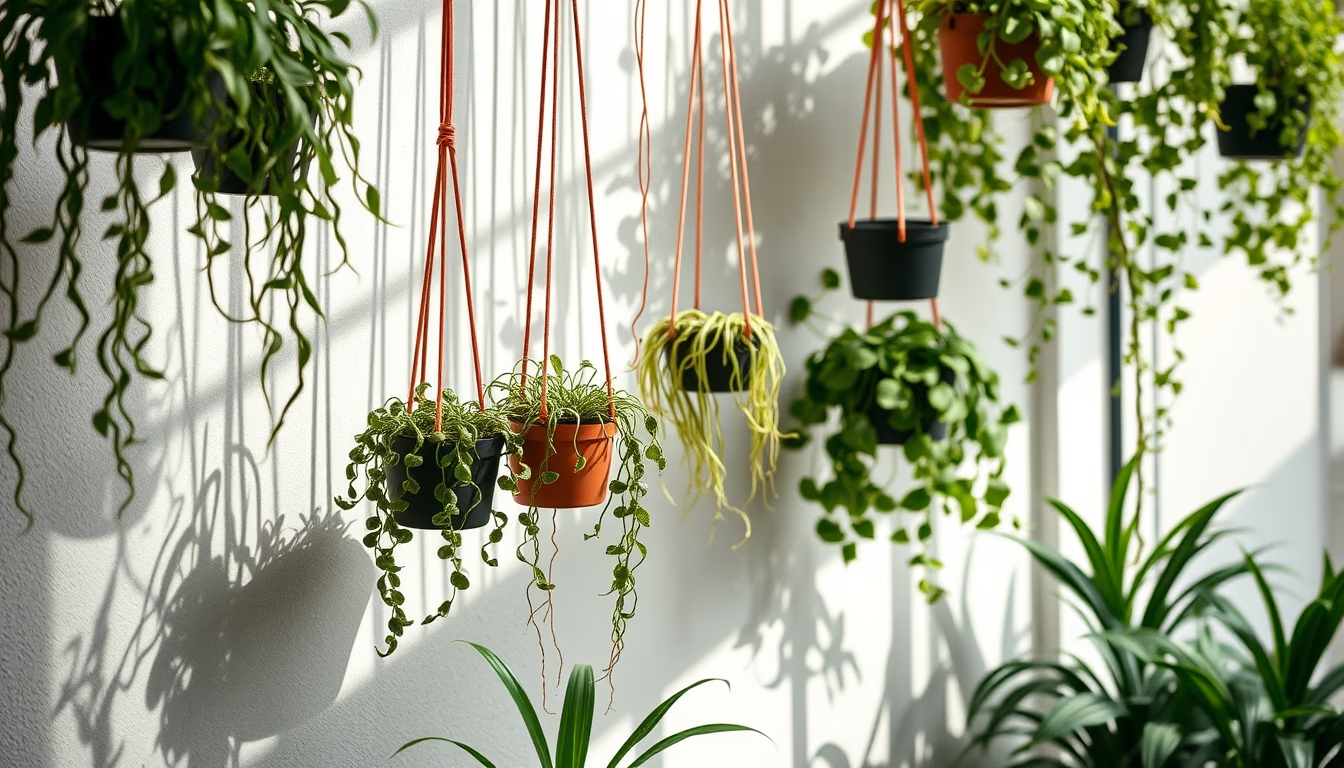
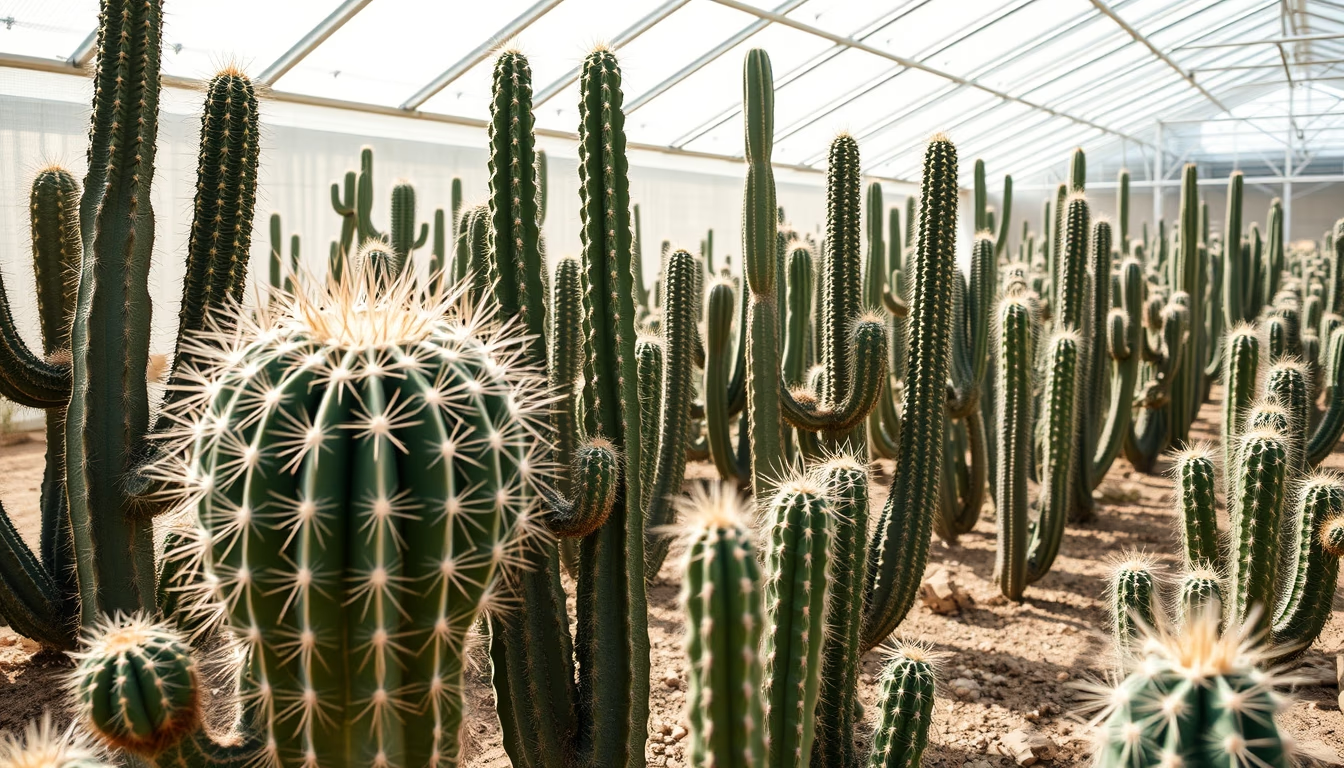
A rare plant nursery is a specialized facility dedicated to cultivating and propagating uncommon, endangered, or highly ornamental botanical species. Unlike standard nurseries, these establishments require deep technical knowledge of germination, grafting, and specific environmental conditions. They often collaborate with botanical gardens and conservation programs to preserve plants at risk of extinction in the wild. In Brazil, for example, the nursery at the Rio de Janeiro Botanical Garden maintains specimens of the juçara palm (Euterpe edulis) and native orchids from the Atlantic Forest. Globally, the Royal Botanic Gardens at Kew (UK) operates seed banks and nurseries for species such as Welwitschia mirabilis from the Namib Desert and Rafflesia arnoldii, the world's largest flower. The demand for rare plants also fuels a collector market, but legal precautions are essential: many species are protected under treaties like CITES (Convention on International Trade in Endangered Species of Wild Fauna and Flora). Legal nurseries document the origin of seedlings and prevent illegal trafficking. The fish-eye photograph of this nursery highlights the spacious layout and species diversity, but the focus here is on the fundamental role of these places in environmental education and ecosystem restoration. Visiting a rare plant nursery offers a chance to learn about botany, conservation biology, and the importance of each species for ecological balance.
Frequently Asked Questions
What distinguishes a rare plant nursery from a regular nursery?
Rare plant nurseries focus on uncommon, endangered, or highly ornamental species, requiring specialized cultivation and propagation techniques. Many also engage in conservation and partnerships with scientific institutions.
Is it legal to buy rare plants from nurseries?
Yes, as long as the nursery is legal and complies with regulations like CITES. Proper documentation ensures the plant was not illegally taken from the wild.
What are examples of rare plants cultivated in nurseries?
Examples include the juçara palm (Euterpe edulis), Welwitschia mirabilis from the Namib Desert, and Rafflesia arnoldii, each with ecological or ornamental significance.
Direct URL
https://pub-c7d6a6ea828543ac903a74a341ccb2e1.r2.dev/imagens/rare-plant-nursery-fish-eye-wide-angle-fresh7.avifHow to credit
Include a visible link back to UtilizAí. Copy one of the snippets below:
<a href="https://xn--utiliza-eza.com/en/midia/imagens/rare-plant-nursery-fish-eye-wide-angle-fresh7">Rare plant nursery</a> by <a href="https://xn--utiliza-eza.com">UtilizAí</a>, licensed under <a href="https://creativecommons.org/licenses/by/4.0/">CC BY 4.0</a>.
[Rare plant nursery](https://xn--utiliza-eza.com/en/midia/imagens/rare-plant-nursery-fish-eye-wide-angle-fresh7) by [UtilizAí](https://xn--utiliza-eza.com), CC BY 4.0
License: CC-BY-4.0