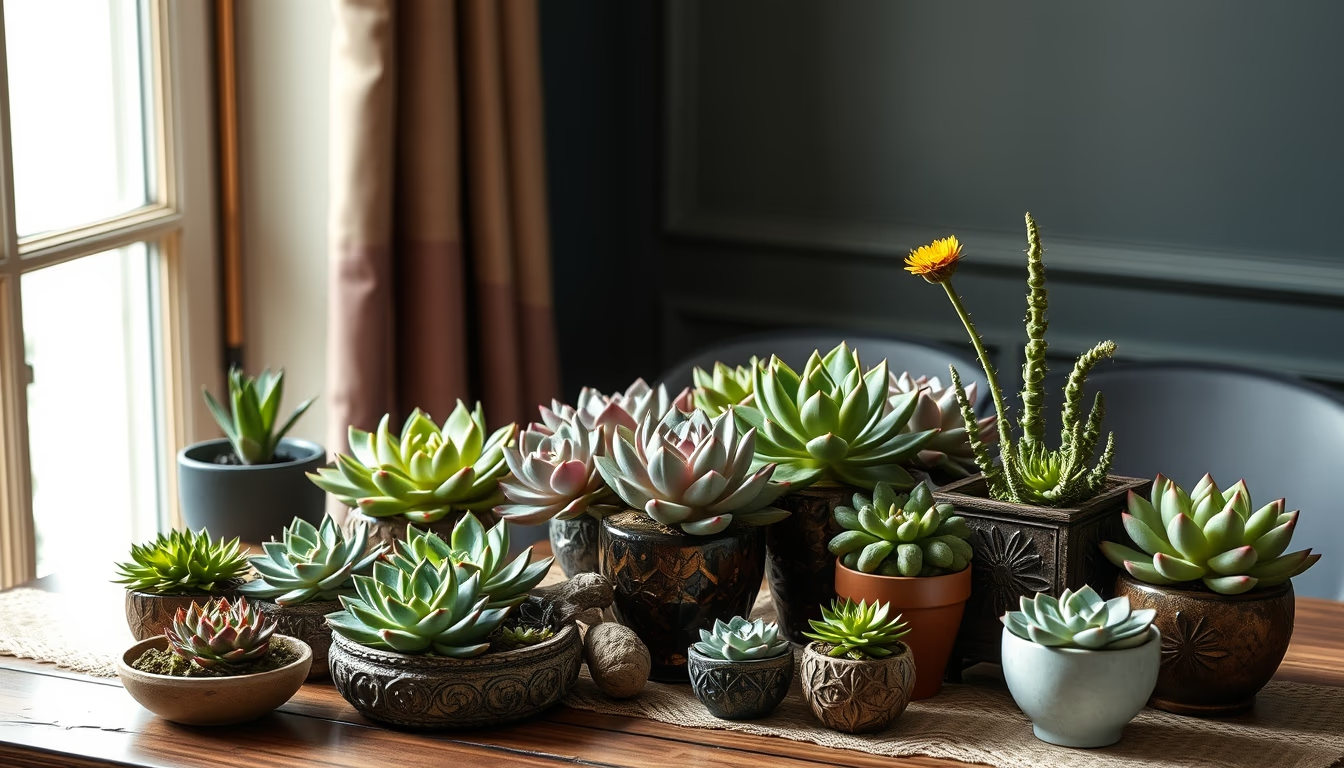
Rare plant nursery
1344×768 · AVIF · CC BY 4.0
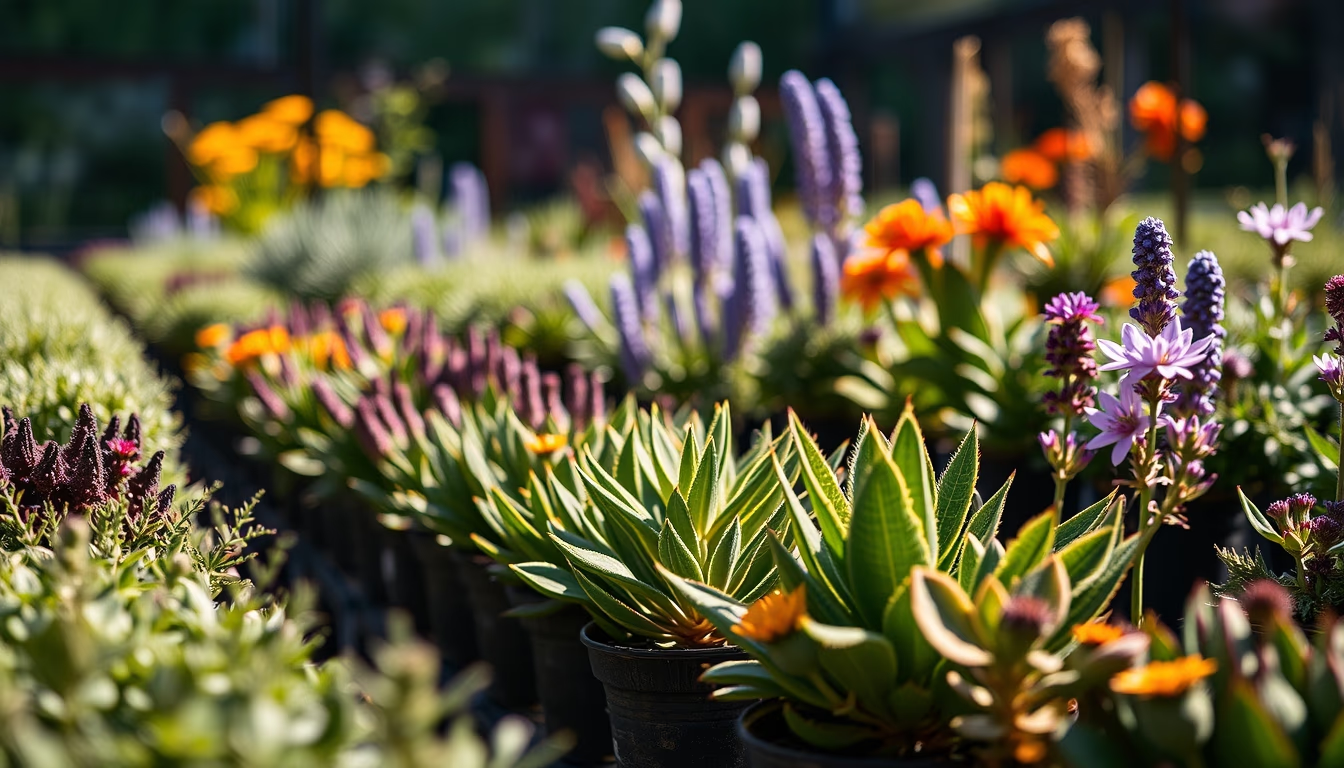
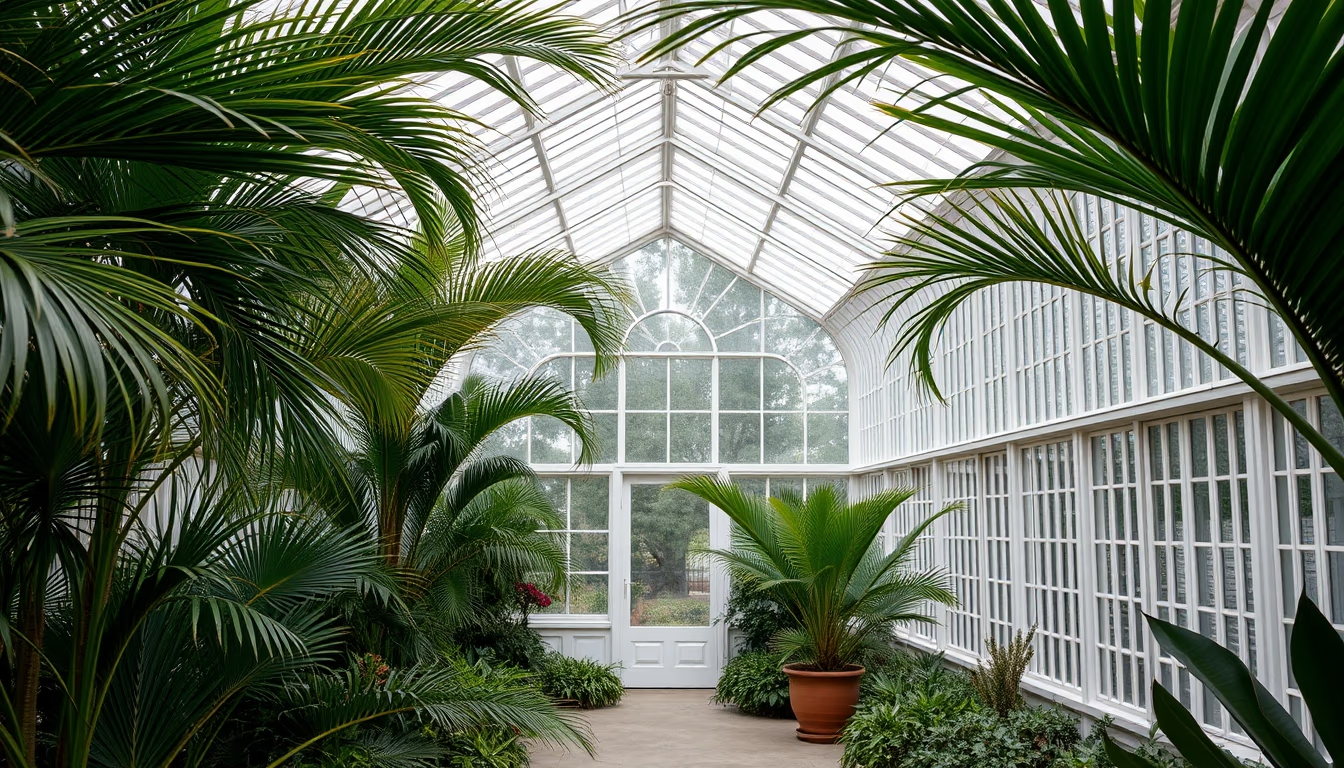
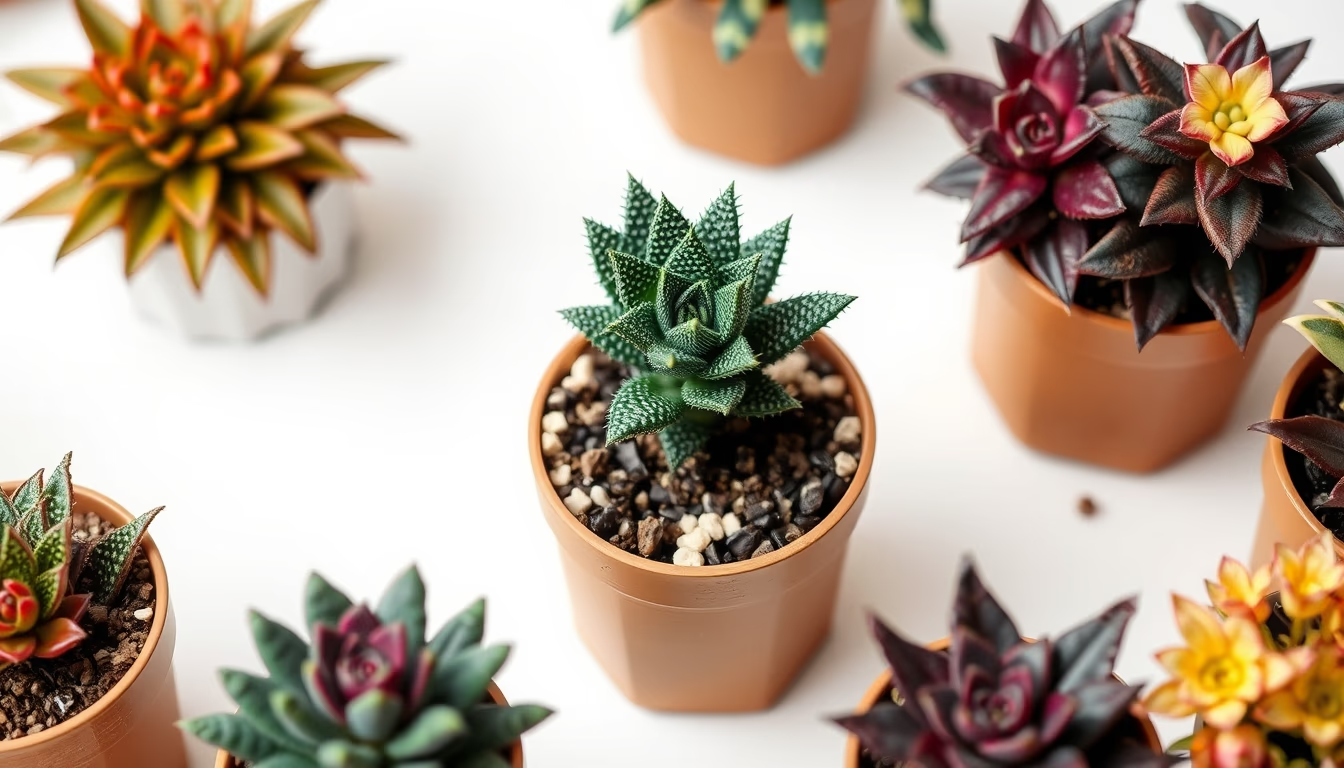
Rare plant nurseries preserve endangered species and offer unique specimens for collectors and botanical gardens.
About this subject
Specialized rare plant nurseries play a crucial role in biodiversity conservation. They cultivate species threatened with extinction in the wild, often reduced to a few individuals. In Brazil, the Rio de Janeiro Botanical Garden maintains a nursery for rare Atlantic Forest plants, such as the juçara palm (Euterpe edulis) and endemic orchids. These nurseries use propagation techniques like tissue culture and seeds collected from preservation areas, ensuring genetic variability.
Beyond conservation, these nurseries supply plants for scientific research, reforestation projects, and private collectors. The trade of rare species is regulated by agencies like IBAMA and CITES, which control international commerce. A global example is the Kew Millennium Seed Bank in the United Kingdom, which stores seeds of rare plants worldwide and distributes them to partner nurseries.
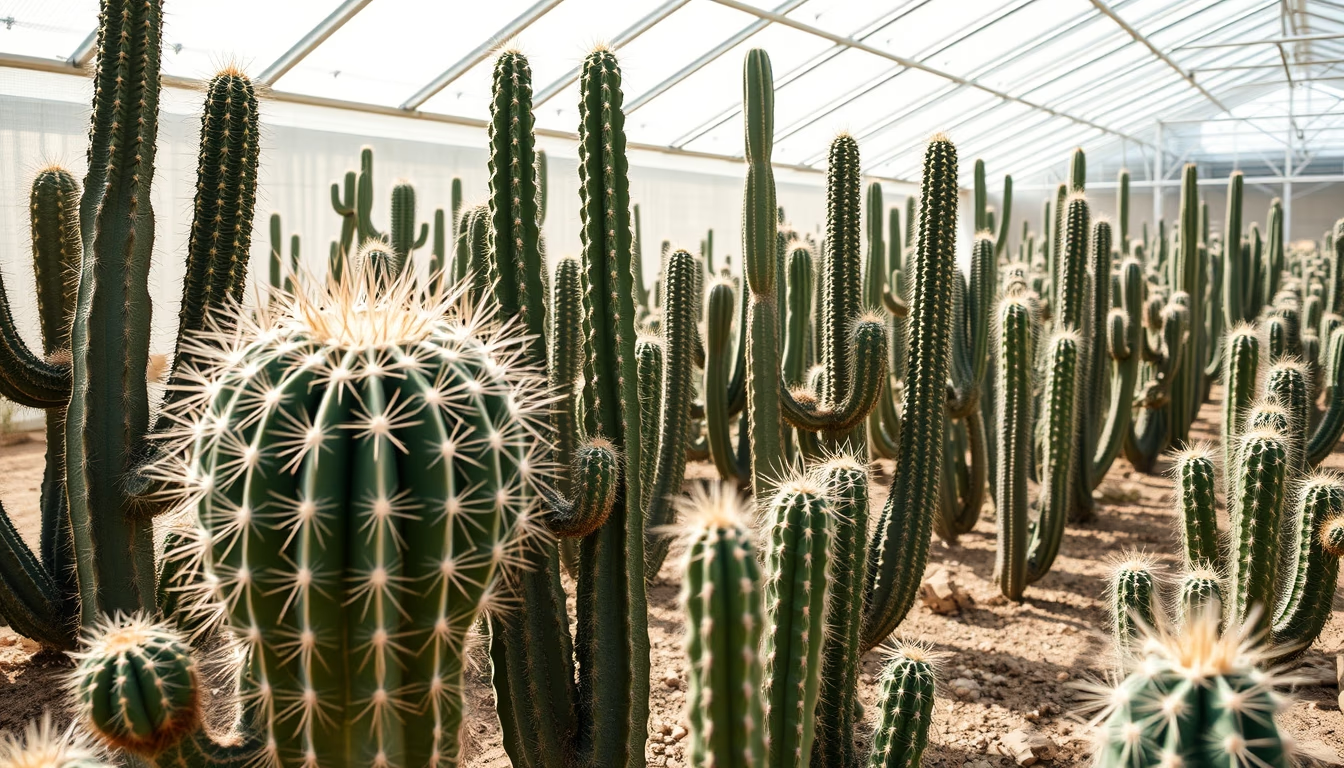
Demand for rare plants grows among gardeners seeking unusual species, such as Welwitschia mirabilis from the Namib desert or Rafflesia arnoldii from Indonesia. In Brazil, the mandacaru cactus (Cereus jamacaru) and the imperial bromeliad (Alcantarea imperialis) are examples of native rare plants cultivated in specialized nurseries. Maintaining these collections requires technical knowledge about substrates, lighting, and humidity, replicating specific natural conditions.
Rare plant nurseries also engage in environmental education, offering guided tours and cultivation courses. They highlight the risk of illegal harvesting and encourage the purchase of certified seedlings. Initiatives like the "Rare Plants of the Cerrado" project by Embrapa and the University of Brasília integrate community nurseries to restore degraded areas. Thus, these spaces unite science, preservation, and a passion for plants.
Frequently Asked Questions
What defines a rare plant in a nursery?
Rare plants have small natural populations, are endemic to restricted areas, or are threatened with extinction. Specialized nurseries cultivate them under controlled conditions to preserve the species.
Is it legal to buy rare plants in Brazil?
Yes, provided the nursery is registered with IBAMA and the plants have legal origin documentation. CITES-protected species require specific certificates.
How do you care for a rare plant at home?
Research the species' specific needs: light, humidity, soil, and temperature. Many rare plants require controlled environments like terrariums or greenhouses.
Direct URL
https://pub-c7d6a6ea828543ac903a74a341ccb2e1.r2.dev/imagens/rare-plant-nursery-fine-art-photography-fresh16.avifHow to credit
Include a visible link back to UtilizAí. Copy one of the snippets below:
<a href="https://xn--utiliza-eza.com/en/midia/imagens/rare-plant-nursery-fine-art-photography-fresh16">Rare plant nursery</a> by <a href="https://xn--utiliza-eza.com">UtilizAí</a>, licensed under <a href="https://creativecommons.org/licenses/by/4.0/">CC BY 4.0</a>.
[Rare plant nursery](https://xn--utiliza-eza.com/en/midia/imagens/rare-plant-nursery-fine-art-photography-fresh16) by [UtilizAí](https://xn--utiliza-eza.com), CC BY 4.0
License: CC-BY-4.0