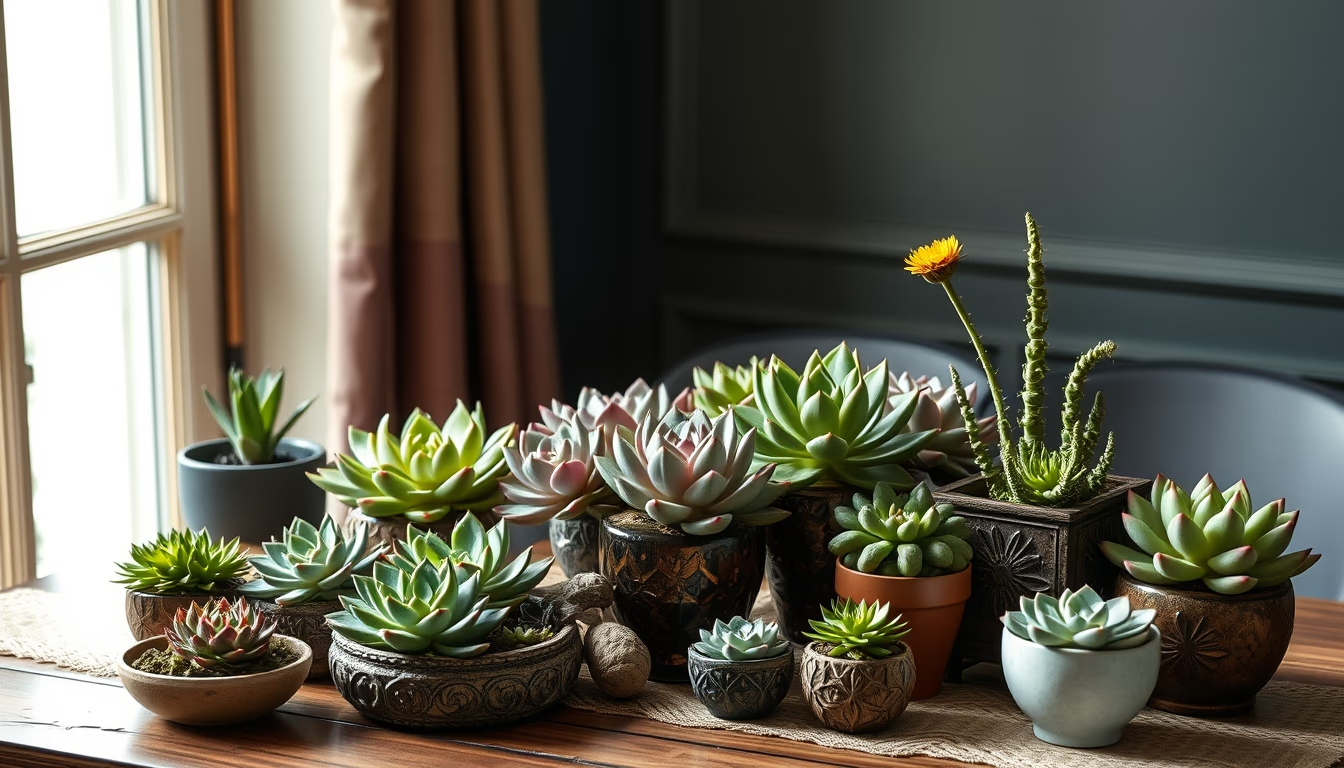
Rare plant nursery
1344×768 · AVIF · CC BY 4.0
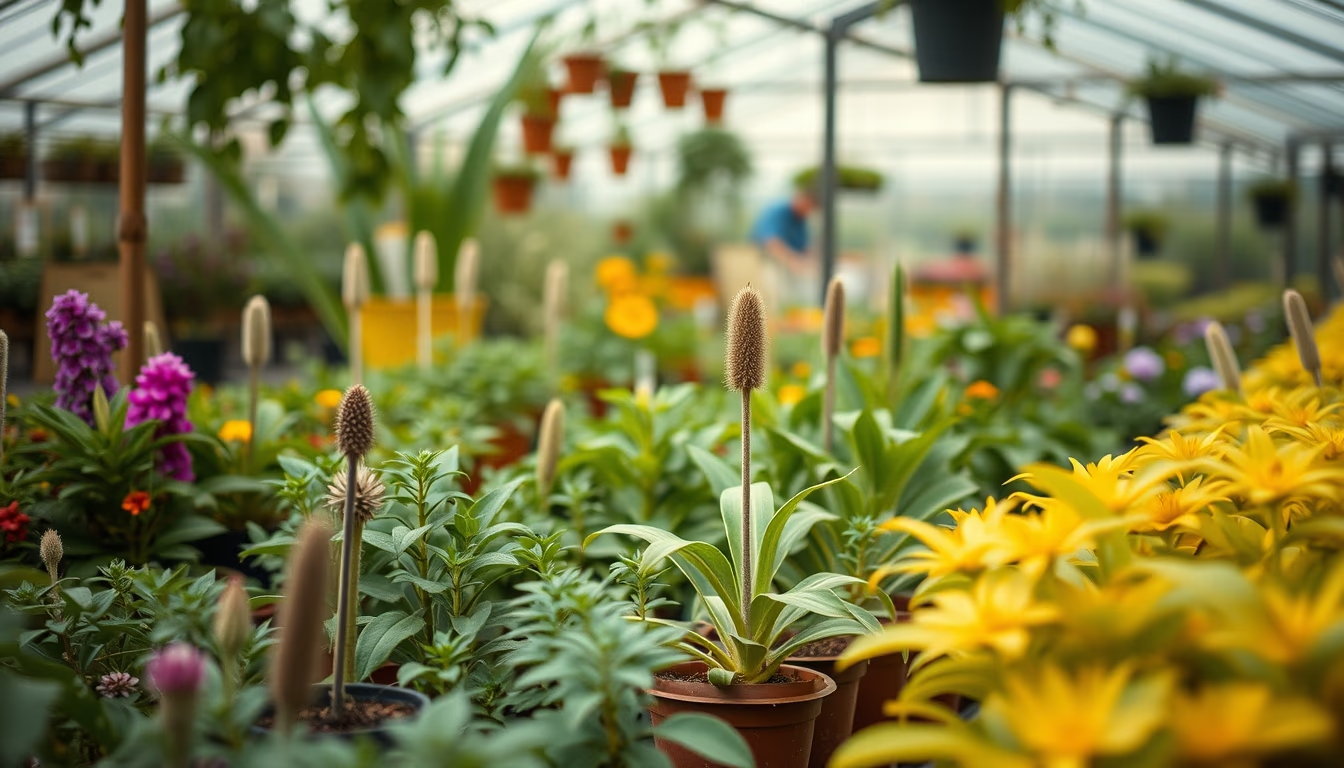
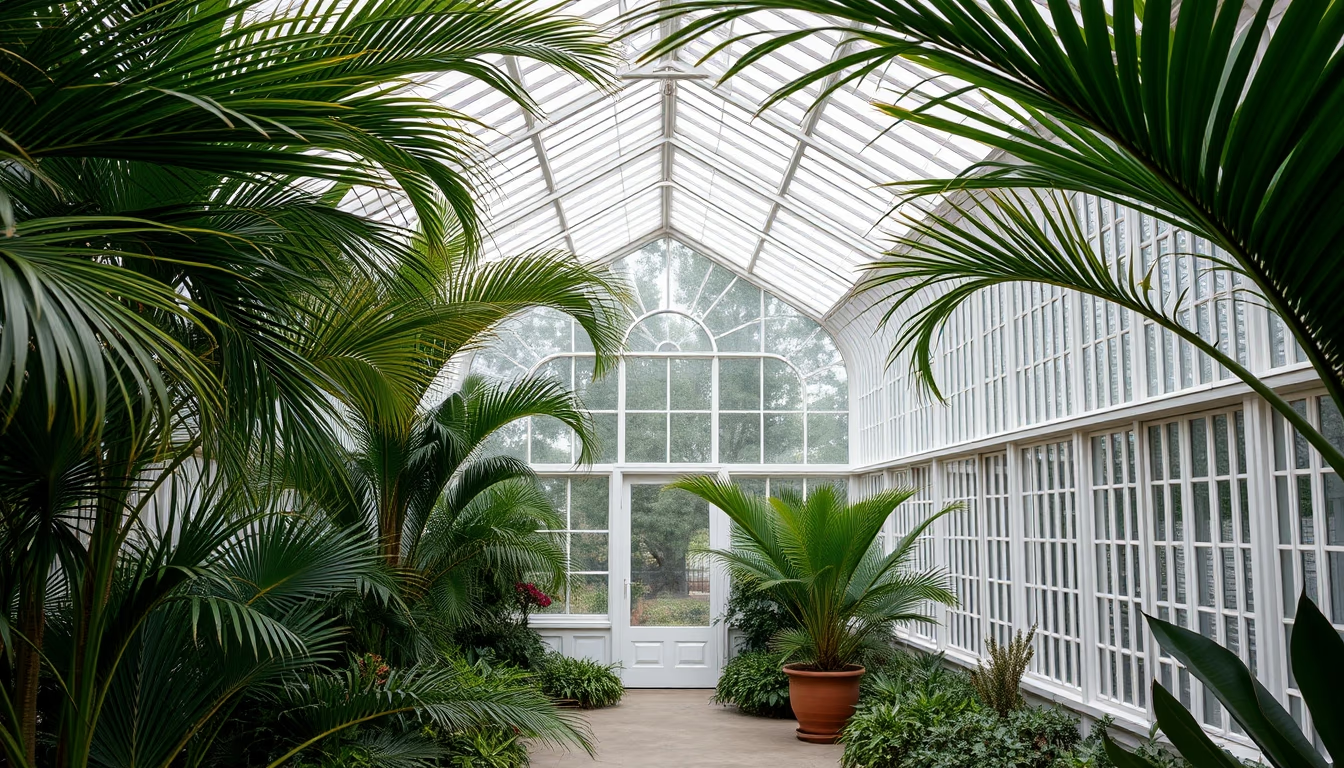
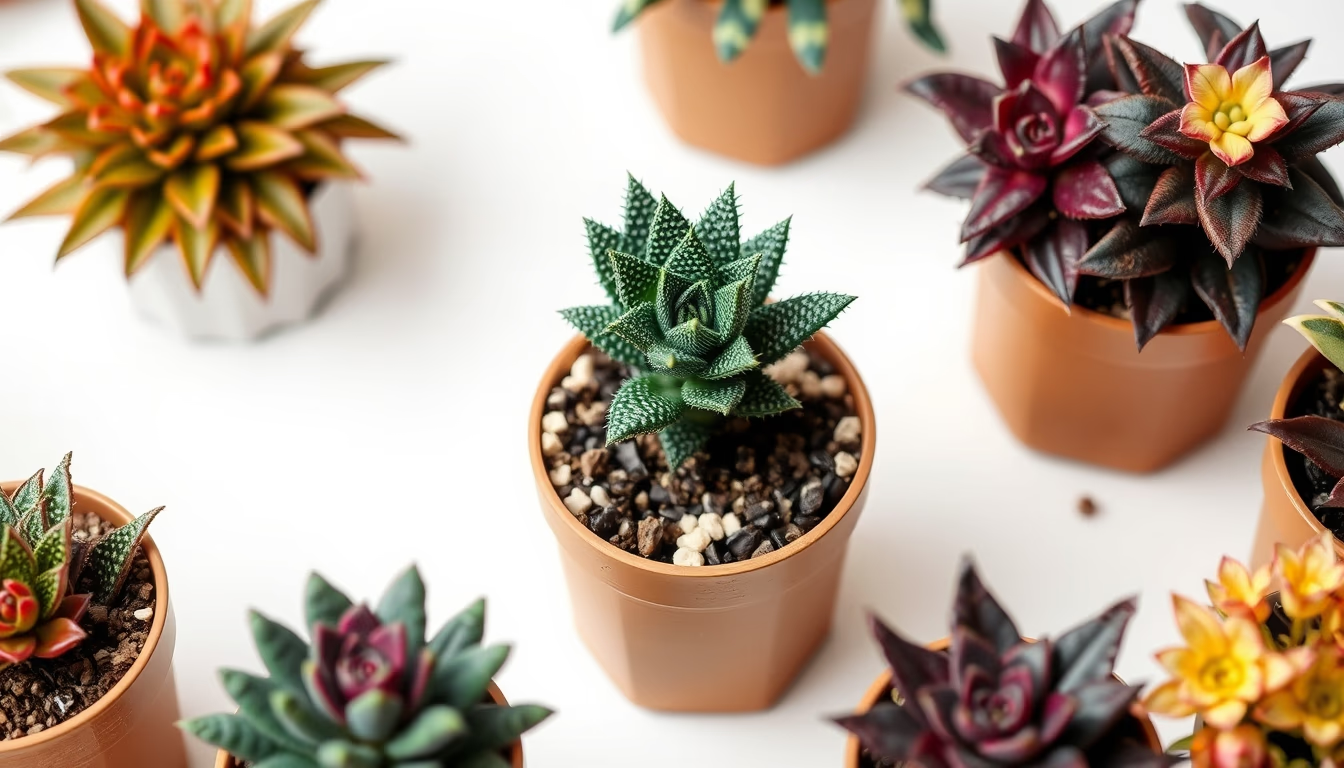
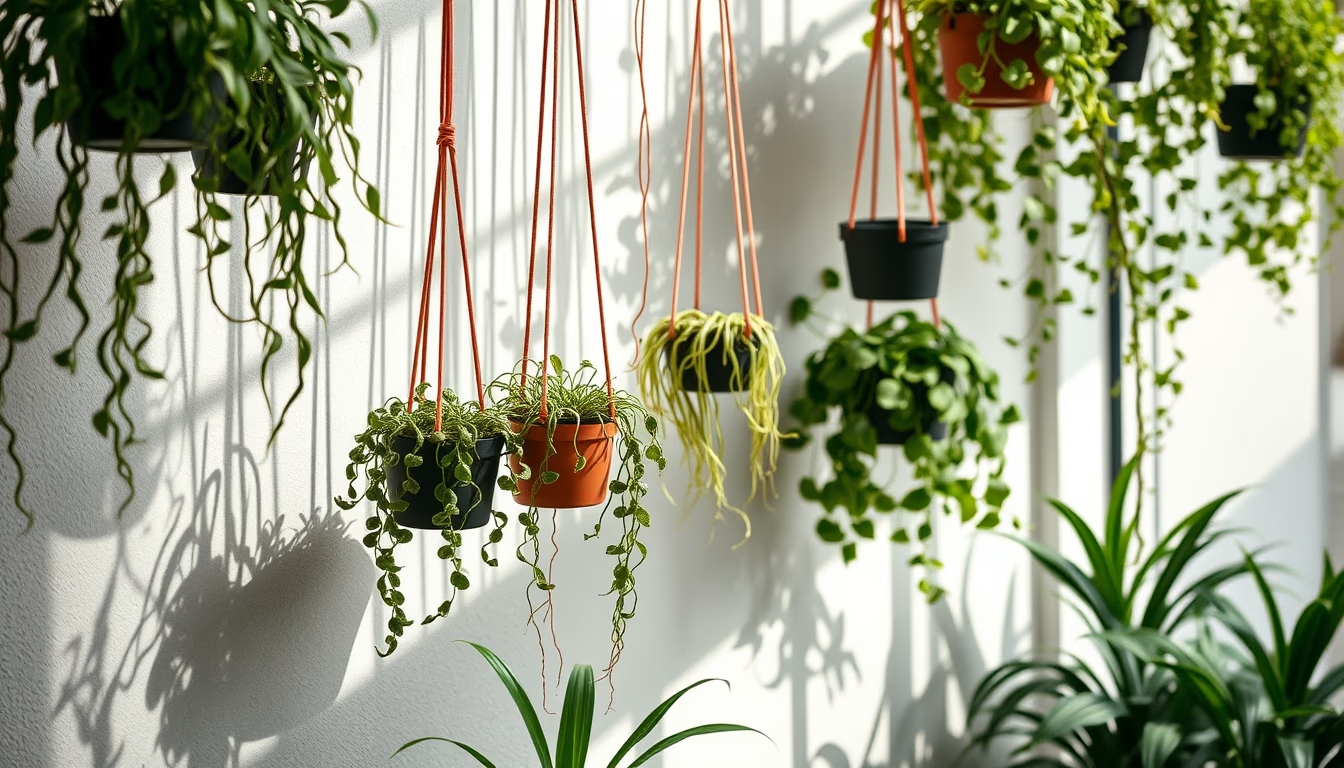
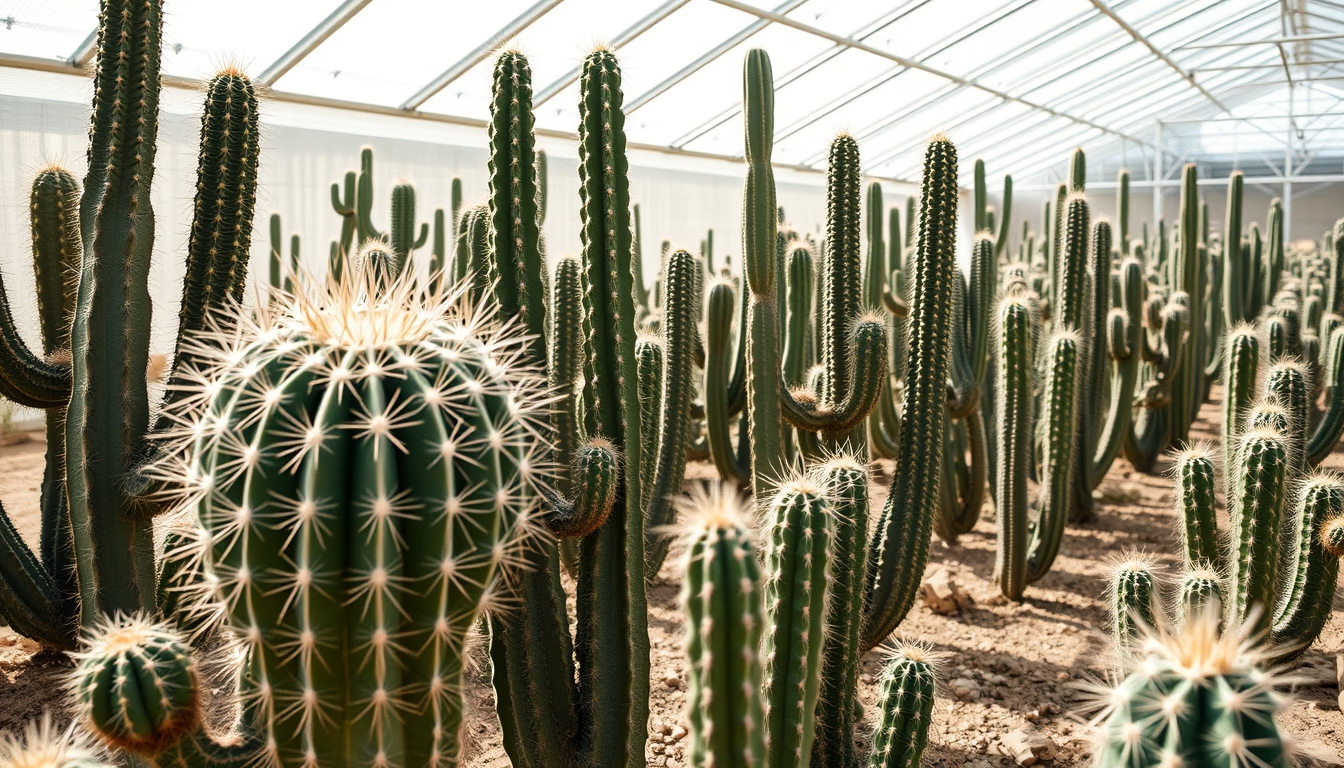
Rare plant nurseries are vital for conserving endangered species, offering unique specimens for collectors and botanical gardens worldwide.
About this subject
A rare plant nursery is a specialized facility dedicated to cultivating and selling uncommon, endangered, or hard-to-propagate plant species. These nurseries play a key role in ex situ conservation, maintaining living gene banks that can support reintroduction into natural habitats. Many of these plants are endemic to specific regions, such as the Brazilian orchid Cattleya walkeriana, which faces threats from poaching.
Operating a rare plant nursery requires deep botanical knowledge, propagation techniques like cuttings, seeds, or tissue culture, and strict pest control. Some nurseries collaborate with botanical gardens and universities on research, publishing cultivation manuals. In Brazil, the Rio de Janeiro Botanical Garden Research Institute maintains a germplasm bank that supports accredited nurseries.
Demand for rare plants is growing among collectors and landscape designers, but illegal trade remains a challenge. Legal nurseries follow the Convention on International Trade in Endangered Species of Wild Fauna and Flora (CITES), issuing certificates of origin. Species like the jussara palm (Euterpe edulis) and the Brazilian pine (Araucaria angustifolia) benefit from controlled cultivation.
Fun fact: the world's largest rare plant nursery is at Cambridge Botanic Garden in England, housing over 8,000 species. In Brazil, the Rare Plant Nursery of Serra do Mar, in São Paulo, focuses on Atlantic Forest species like the imperial bromeliad (Alcantarea imperialis).
Frequently Asked Questions
What defines a plant as rare?
A plant is considered rare if it has a restricted geographic range, small population size, or is threatened by factors such as habitat loss, overcollection, or low reproduction rates.
How can a nursery help conserve rare plants?
Nurseries multiply endangered species through controlled propagation, reduce pressure on wild populations, and provide material for reintroduction into protected areas.
Is it legal to buy rare plants in Brazil?
Yes, as long as the nursery is registered with the Brazilian Institute of Environment and Renewable Natural Resources (IBAMA) and issues a legal invoice, complying with CITES.
Direct URL
https://pub-c7d6a6ea828543ac903a74a341ccb2e1.r2.dev/imagens/rare-plant-nursery-film-grain-authentic-fresh2.avifHow to credit
Include a visible link back to UtilizAí. Copy one of the snippets below:
<a href="https://xn--utiliza-eza.com/en/midia/imagens/rare-plant-nursery-film-grain-authentic-fresh2">Rare plant nursery</a> by <a href="https://xn--utiliza-eza.com">UtilizAí</a>, licensed under <a href="https://creativecommons.org/licenses/by/4.0/">CC BY 4.0</a>.
[Rare plant nursery](https://xn--utiliza-eza.com/en/midia/imagens/rare-plant-nursery-film-grain-authentic-fresh2) by [UtilizAí](https://xn--utiliza-eza.com), CC BY 4.0
License: CC-BY-4.0