Rare plant nursery
1344×768 · AVIF · CC BY 4.0
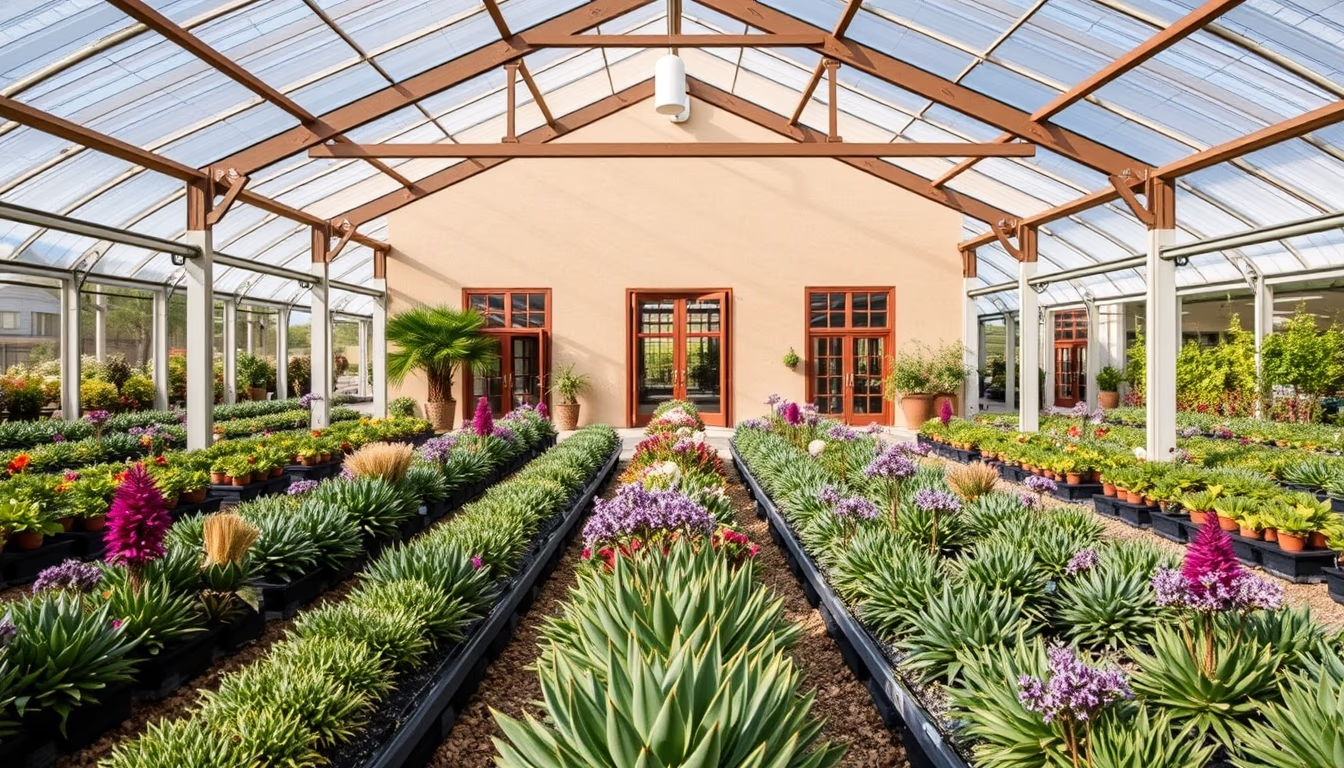
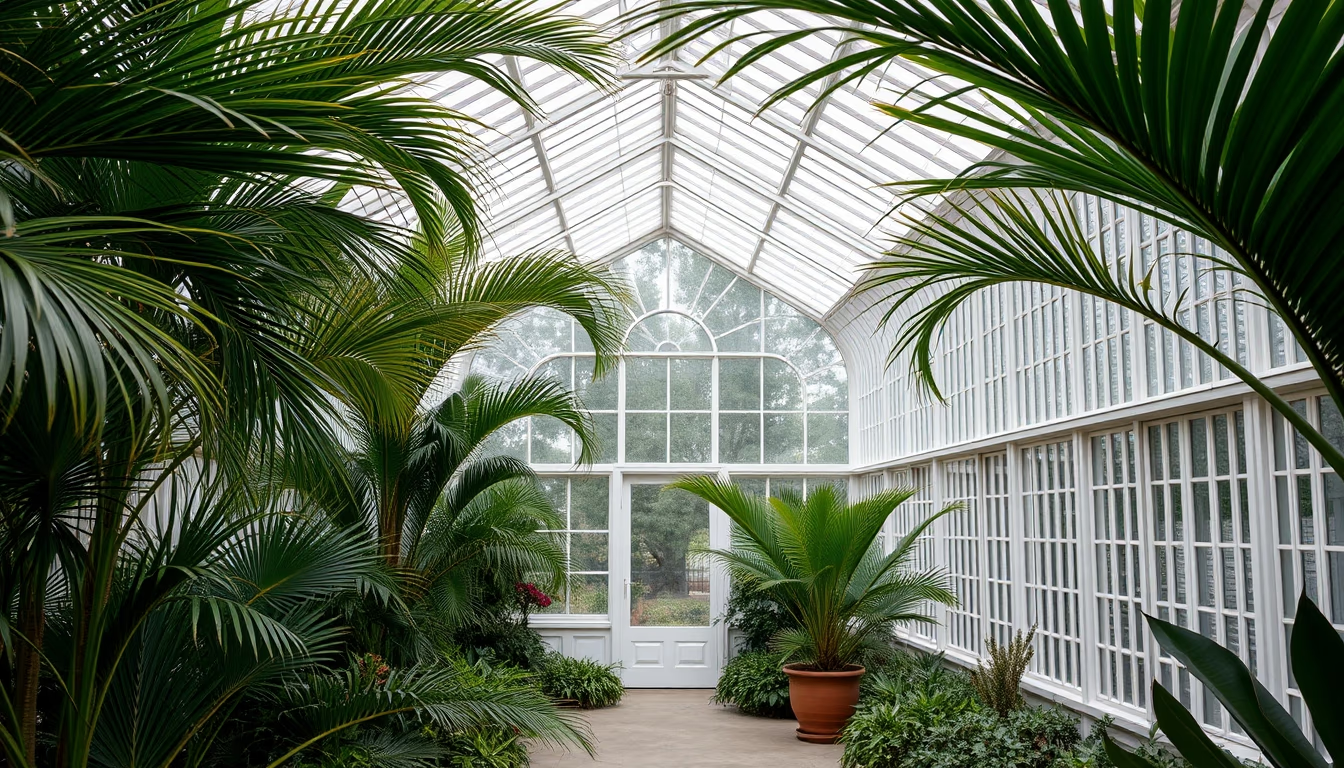
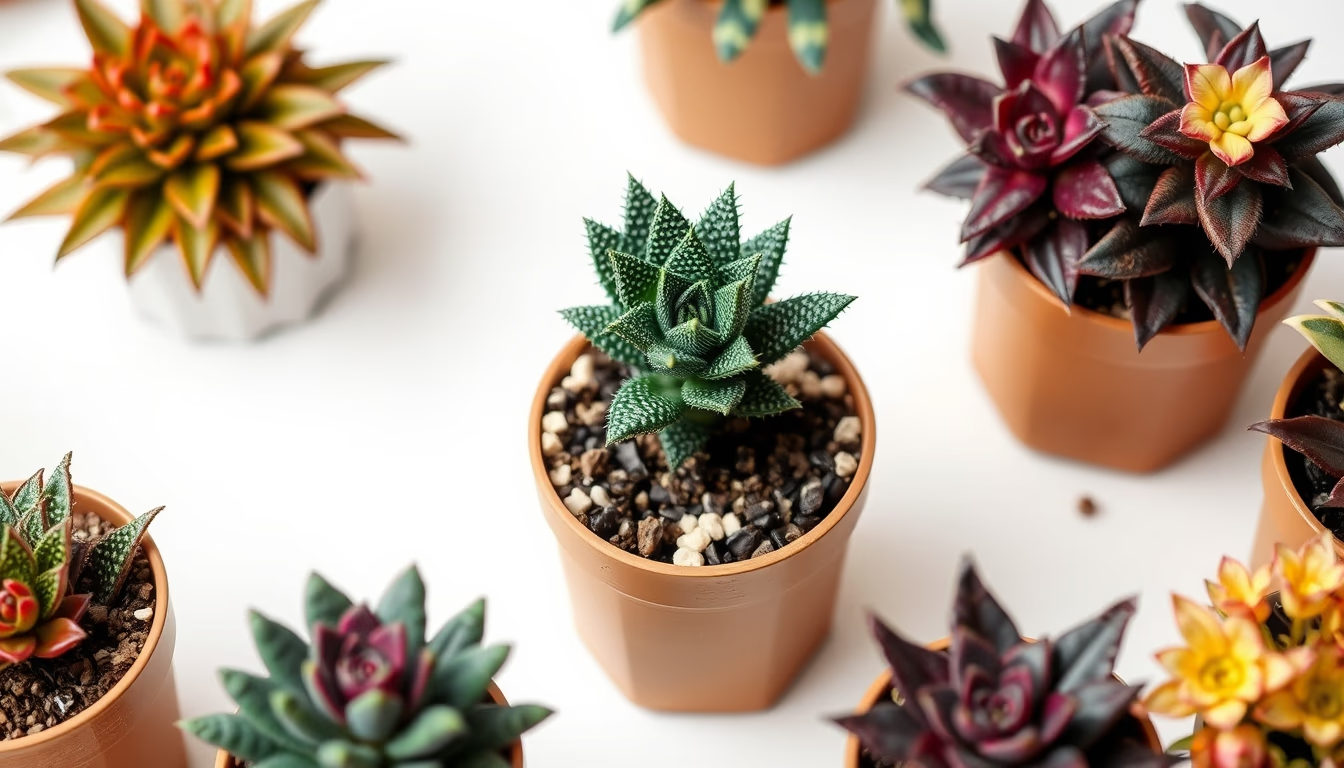
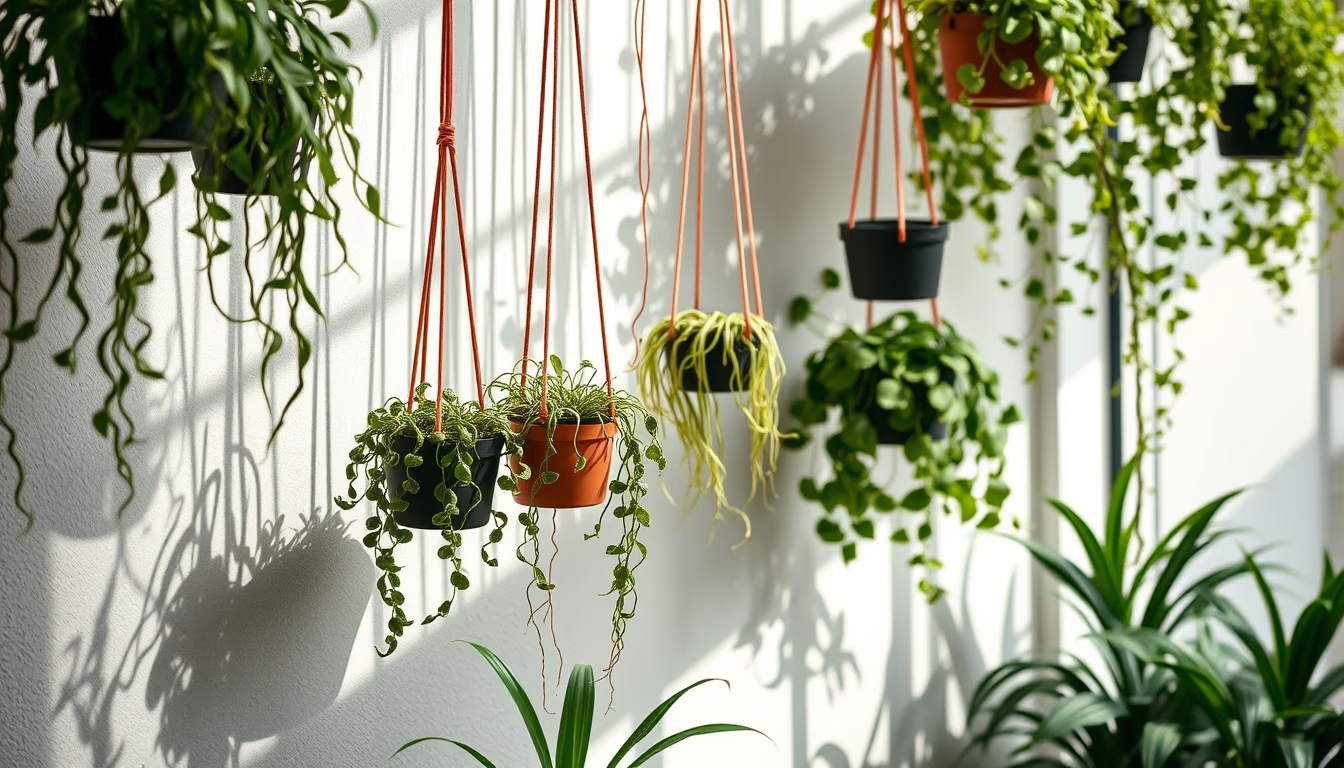
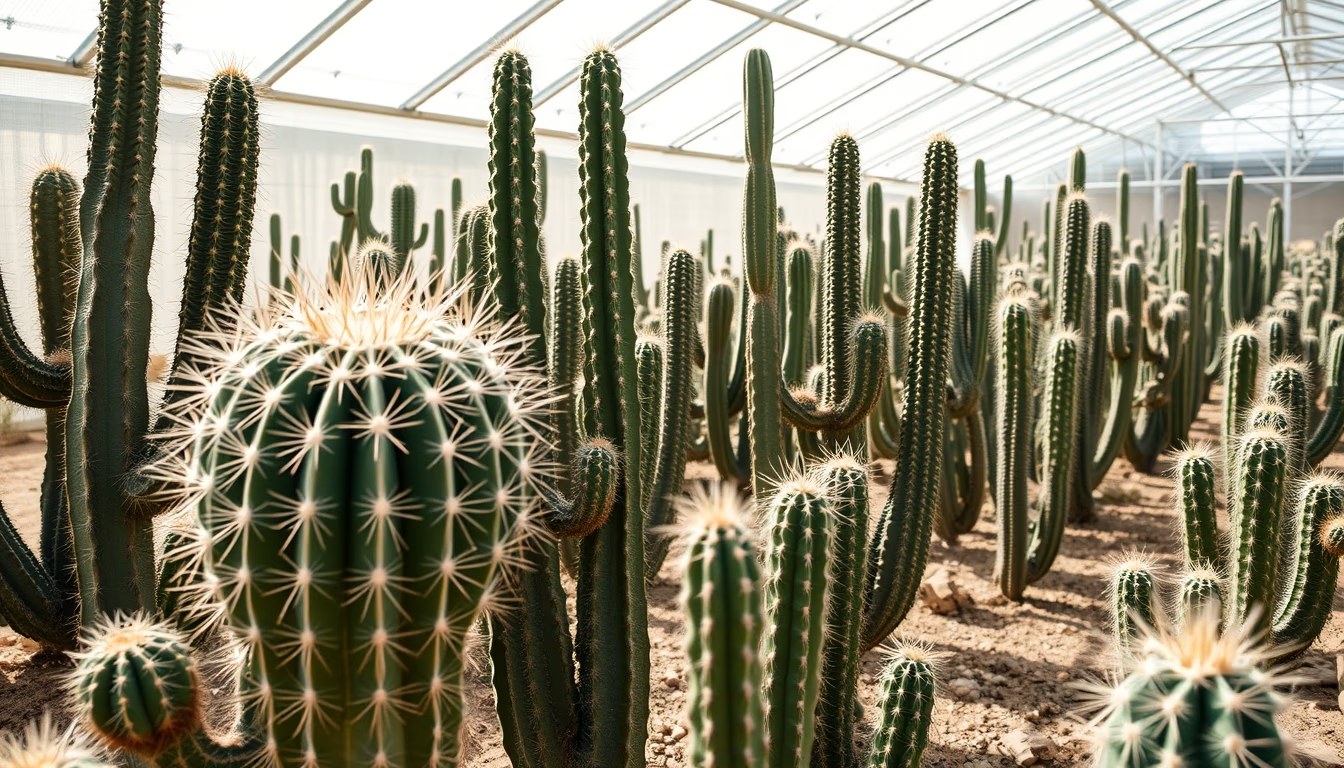
Rare plant nurseries are institutions dedicated to preserving and propagating threatened botanical species, often combining modern greenhouses with traditional cultivation techniques.
About this subject
Rare plant nurseries play a vital role in global biodiversity conservation. Unlike ordinary commercial nurseries, they specialize in endangered, endemic, or hard-to-propagate species. Many are linked to botanical gardens, universities, or conservation organizations such as the Brazilian Network of Botanical Gardens (RBJB) and the National Center for Flora Conservation (CNCFlora). In Brazil, the Rio de Janeiro Botanical Garden maintains a nursery for Atlantic Forest rare species, while the Inhotim Institute in Minas Gerais cultivates endangered Brazilian flora. These nurseries employ techniques like in vitro germination, cuttings, and cryopreserved seeds to boost population viability. The architecture of these spaces is designed to replicate specific microclimates: greenhouses with controlled temperature, humidity, and shading, plus automated irrigation systems. Many nurseries also serve as environmental education hubs, receiving visitors and researchers. The economic and ecological importance is immense: rare plants often yield medicinal compounds or ornamental value, and their loss would represent irreversible damage to ecosystems.
Frequently Asked Questions
What is the difference between a rare plant nursery and a regular nursery?
Rare plant nurseries focus on conserving endangered, endemic, or hard-to-propagate species, while regular nurseries produce commercial plants for landscaping or agriculture. They use specialized techniques like tissue culture and seed banks.
Where can I find rare plant nurseries in Brazil?
In Brazil, notable ones include the nursery at the Rio de Janeiro Botanical Garden, the Inhotim Institute (MG), and the São Paulo Botanical Garden. Many are open to visitors and sell seedlings subject to environmental permits.
How are rare plants propagated in these nurseries?
Techniques include in vitro germination (for recalcitrant seeds), cuttings, layering, and cryopreservation. The goal is to produce genetically diverse, viable plants for reintroduction or scientific collections.
Direct URL
https://pub-c7d6a6ea828543ac903a74a341ccb2e1.r2.dev/imagens/rare-plant-nursery-architectural-photography-fresh1.avifHow to credit
Include a visible link back to UtilizAí. Copy one of the snippets below:
<a href="https://xn--utiliza-eza.com/en/midia/imagens/rare-plant-nursery-architectural-photography-fresh1">Rare plant nursery</a> by <a href="https://xn--utiliza-eza.com">UtilizAí</a>, licensed under <a href="https://creativecommons.org/licenses/by/4.0/">CC BY 4.0</a>.
[Rare plant nursery](https://xn--utiliza-eza.com/en/midia/imagens/rare-plant-nursery-architectural-photography-fresh1) by [UtilizAí](https://xn--utiliza-eza.com), CC BY 4.0
License: CC-BY-4.0