Rapier renaissance fencing
1344×768 · AVIF · CC BY 4.0
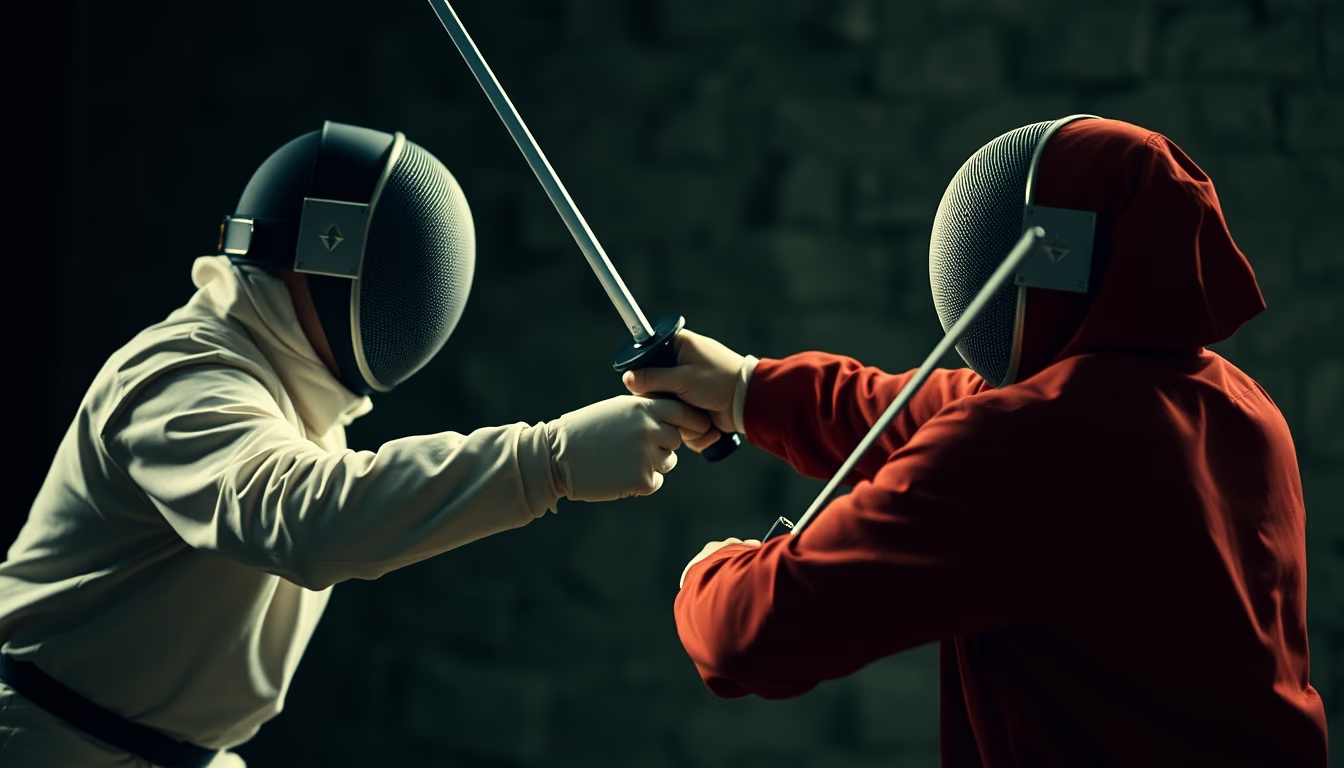
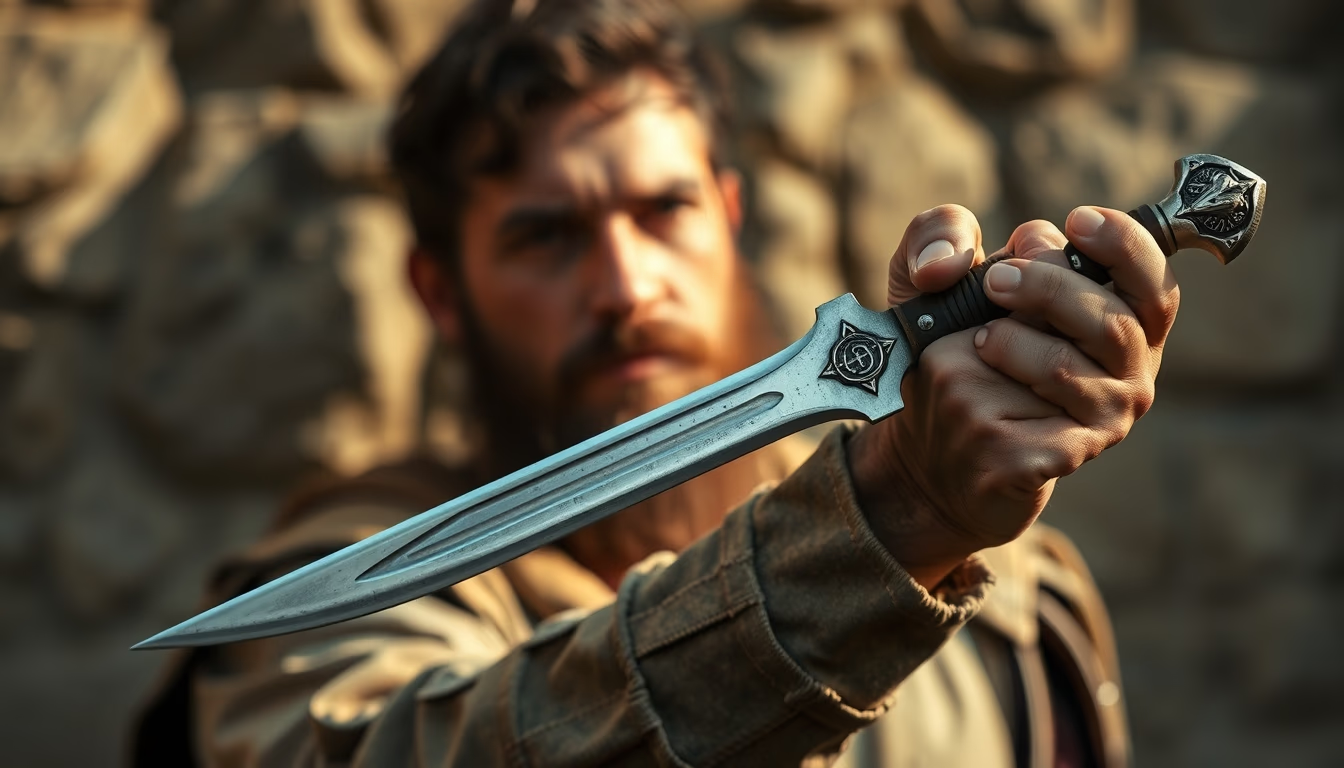
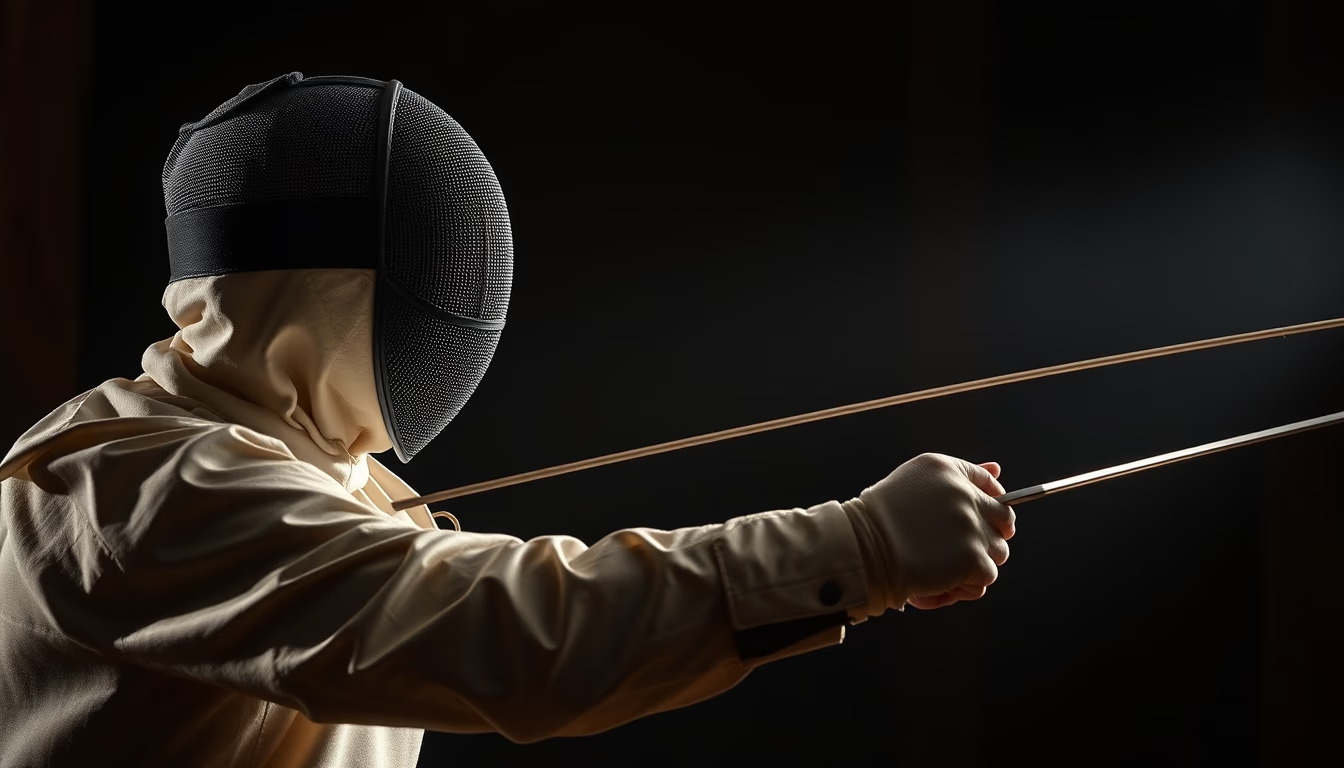
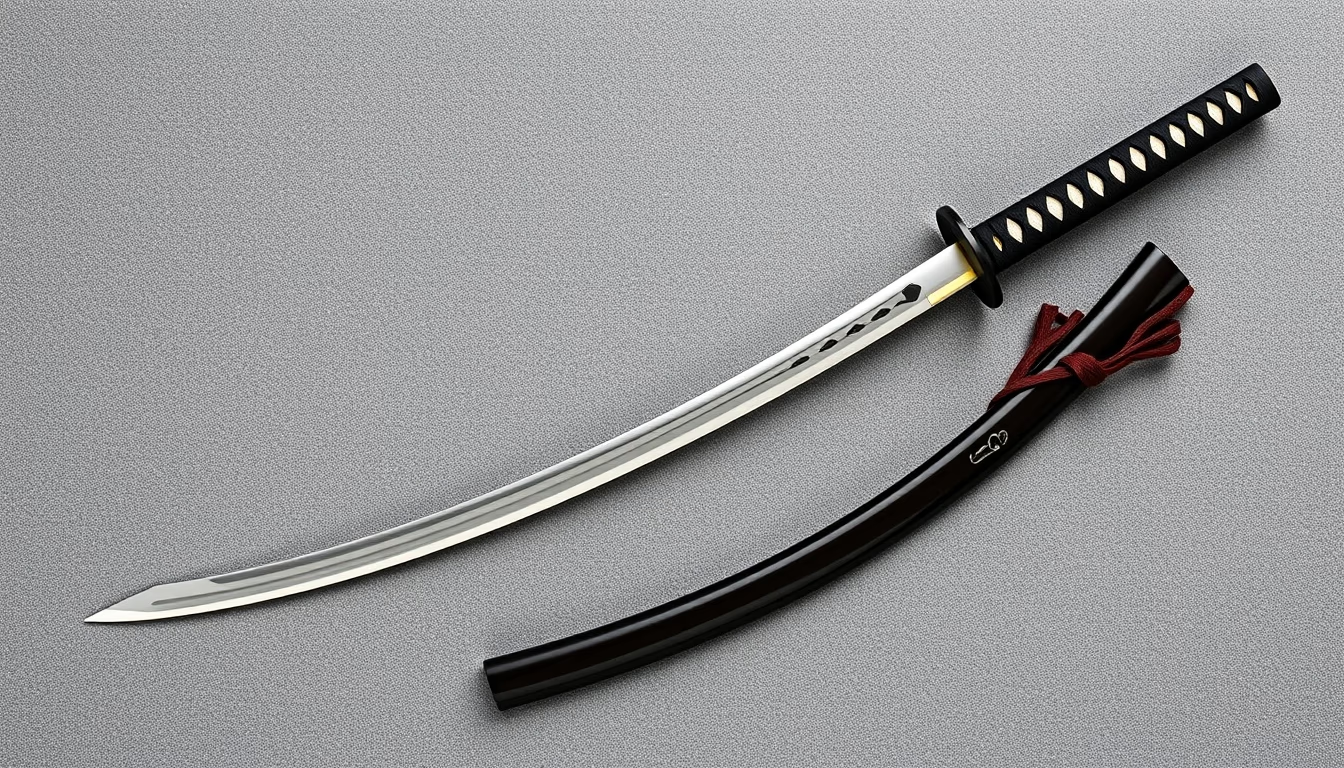
Rapier fencing during the Renaissance combined refined technique and personal honor, being essential for the European nobility of the 16th and 17th centuries.
About this subject
The rapier, a long and narrow-bladed sword, became the iconic weapon of the European Renaissance, particularly between the 16th and 17th centuries. Unlike heavier medieval swords, the rapier was designed for precise thrusts, leveraging the fencer's mobility and timing. This weapon was not only a tool for combat but also a fashion accessory and status symbol for the nobility and rising bourgeoisie. Fencing schools flourished in Italy, Spain, France, and Germany, with masters such as Ridolfo Capo Ferro and Girard Thibault publishing detailed treatises that systematized techniques of attack, defense, and counterattack.
Rapier dueling often involved the simultaneous use of a dagger or a cloak in the left hand to parry or deflect blows, creating a complex and elegant combat system. The practice was governed by strict codes of honor, where technical skill and courage were as valued as the outcome of the confrontation. In Italy, rapier fencing was taught at academies like the Accademia di Spada, while in Spain, swordsmanship was considered part of a gentleman's education. The rapier's popularity began to decline in the late 17th century as shorter and lighter swords, such as the smallsword, gained favor in duels and fashion.
Interestingly, the rapier directly influenced the development of modern Western martial arts and sport fencing. Its legacy can be seen in lunge movements and the emphasis on precision and timing. Moreover, the rich Renaissance iconography often depicts rapier duels in paintings and engravings, highlighting its central role in the visual culture of the era. The study of original treatises has enabled historical reconstruction of these techniques in contemporary historical fencing groups.
Frequently Asked Questions
What is the difference between a rapier and a medieval sword?
The rapier has a long, narrow blade focused on thrusting, while medieval swords were shorter and wider, used for cutting. The rapier was also lighter and required refined technique.
Was the rapier used only in duels?
No, it was also a personal defense weapon and status symbol. However, its design was less effective in field battles compared to sturdier weapons.
Which countries were centers of rapier fencing?
Italy, Spain, France, and Germany were main centers, with schools like the Italian school (Capo Ferro) and Spanish school (Thibault) contributing influential treatises.
Direct URL
https://pub-c7d6a6ea828543ac903a74a341ccb2e1.r2.dev/imagens/rapier-renaissance-fencing-lo-fi-disposable-camera-fresh11.avifHow to credit
Include a visible link back to UtilizAí. Copy one of the snippets below:
<a href="https://xn--utiliza-eza.com/en/midia/imagens/rapier-renaissance-fencing-lo-fi-disposable-camera-fresh11">Rapier renaissance fencing</a> by <a href="https://xn--utiliza-eza.com">UtilizAí</a>, licensed under <a href="https://creativecommons.org/licenses/by/4.0/">CC BY 4.0</a>.
[Rapier renaissance fencing](https://xn--utiliza-eza.com/en/midia/imagens/rapier-renaissance-fencing-lo-fi-disposable-camera-fresh11) by [UtilizAí](https://xn--utiliza-eza.com), CC BY 4.0
License: CC-BY-4.0