Rapier renaissance fencing
1344×768 · AVIF · CC BY 4.0
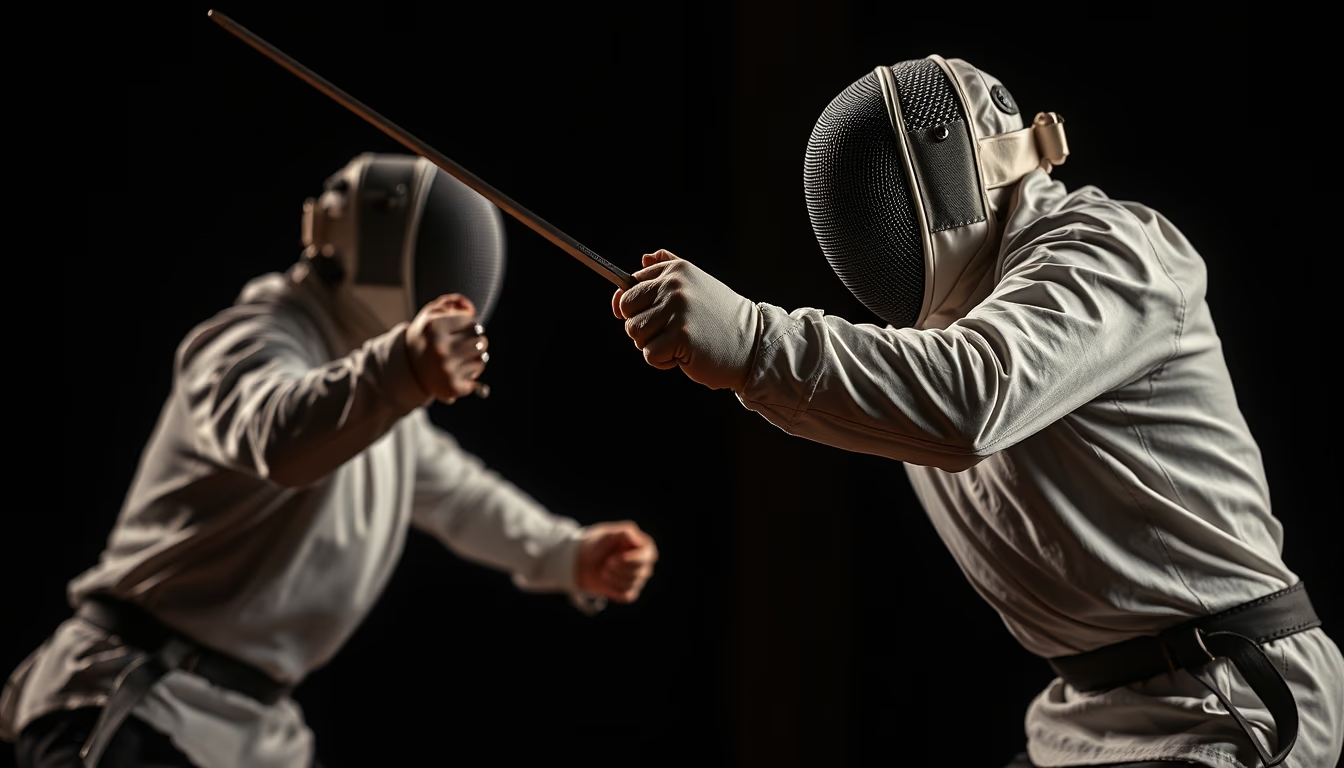
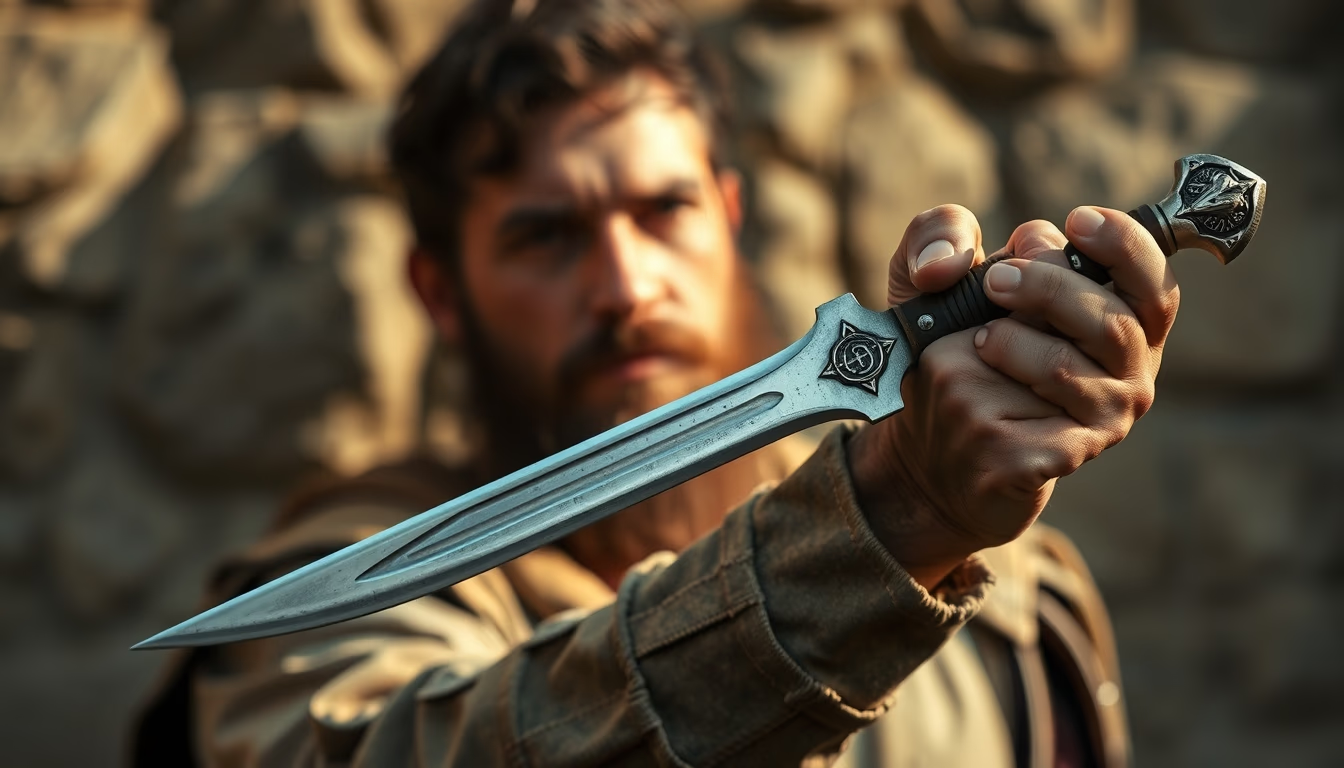
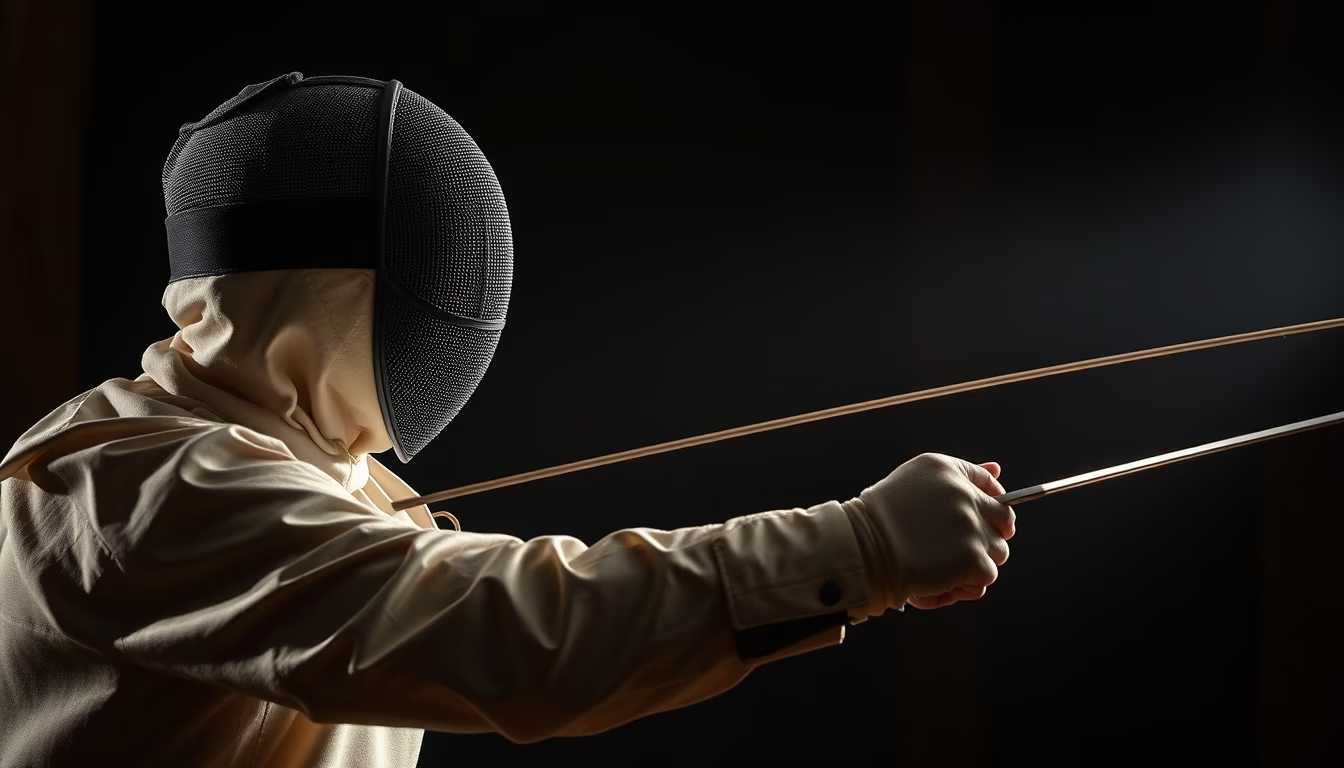
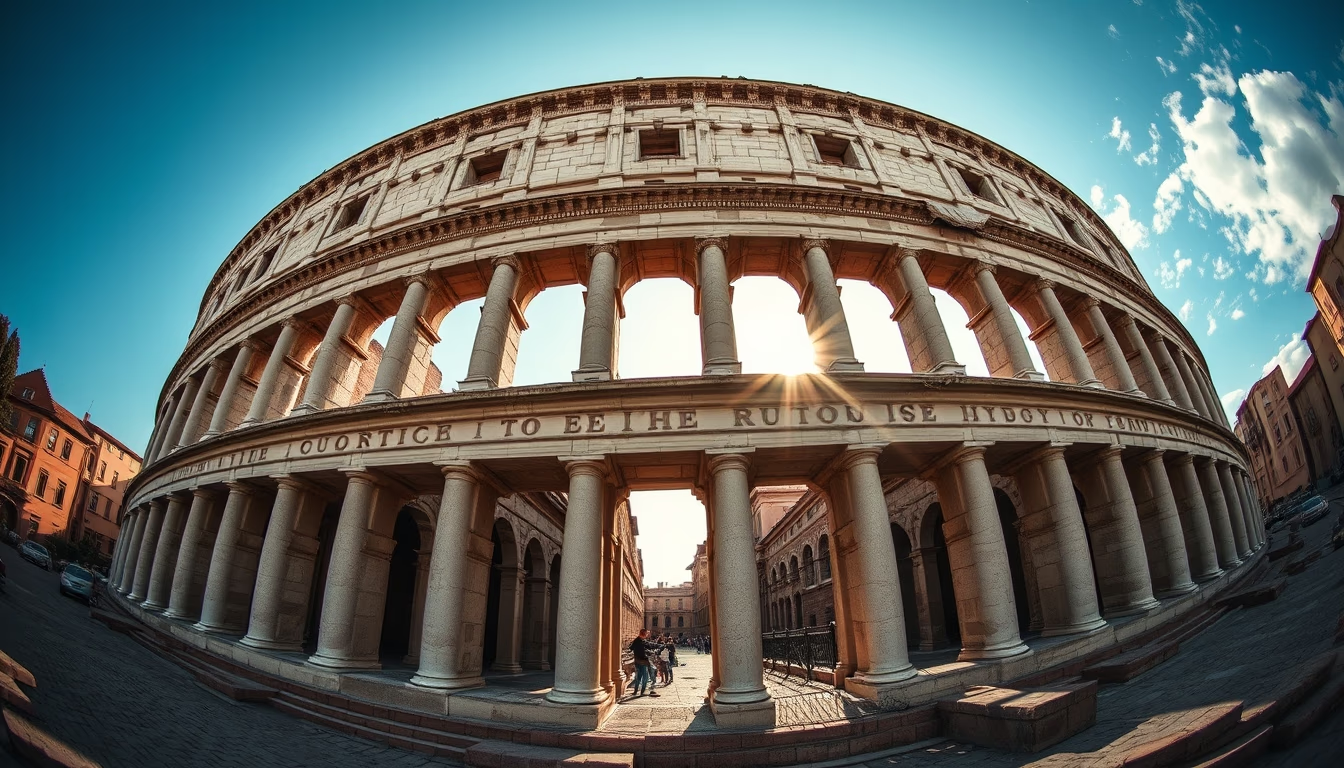
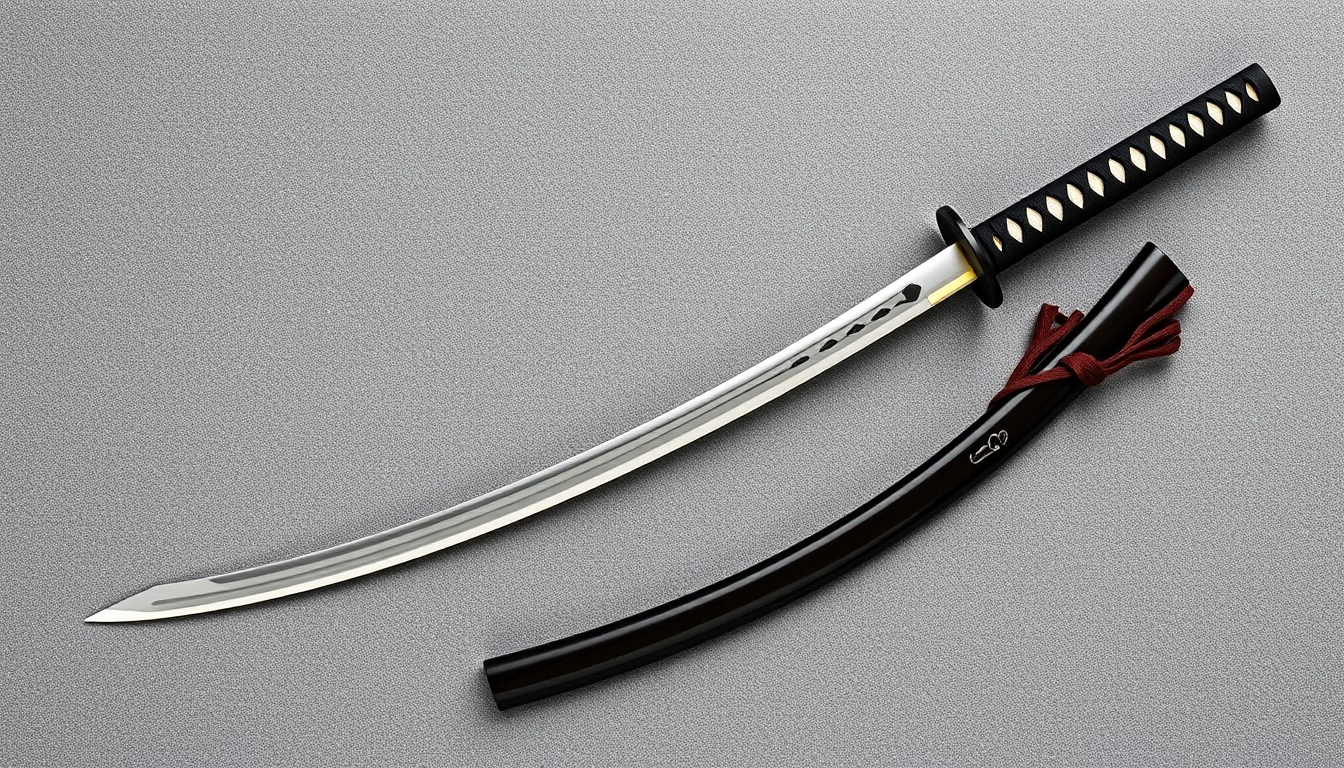
Renaissance rapier fencing, a historical martial art combining technique, elegance, and honor duels in 16th-century Europe.
About this subject
The rapier, a long and slender-bladed sword, became the iconic weapon of duels and Renaissance fencing in Europe between the 16th and 17th centuries. Unlike heavier medieval swords, the rapier was lightweight and designed for precise thrusts, reflecting the evolution of civilian combat techniques. Fencing with the rapier was not only a fighting method but also a social and educational practice taught in academies and fencing manuals.
Fencing treatises of the era, such as those by Ridolfo Capo Ferro (1610) and Joachim Meyer (1570), detailed guards, footwork, and counterattacks. The art required great skill in using the left hand, which held a dagger or cloak for defense, and in coordinating rapid movements. Duels often occurred over matters of honor, following strict codes that varied by region.
Culturally, the rapier symbolized nobility and refinement. Its use was associated with the upper class, and fencing was considered part of a gentleman's education. In Italy, the Florentine and Bolognese schools dominated; in Spain, the style "La Verdadera Destreza" emphasized dexterity. Even women, such as the Italian noblewoman Isabella de' Medici, practiced the art.
Today, Renaissance fencing is revived by historical reenactment groups and HEMA (Historical European Martial Arts) practitioners. Studies show that the biomechanics of the movements still influence modern sport fencing. The rapier remains an icon of the Renaissance, immortalized in paintings, films, and games.
Frequently Asked Questions
What is the difference between a rapier and a medieval sword?
The rapier has a longer, thinner blade designed for thrusting, while medieval swords were shorter and wider, used for cutting in mounted combat or against armor. The rapier was a civilian weapon, without heavy armor.
How was Renaissance fencing training conducted?
Training included studying guards (stances), footwork, and combinations of attack and defense. Students practiced with training swords and gloves, following manuals like those by Capo Ferro or Meyer.
Did rapier fencing influence modern sport fencing?
Yes, many principles of distance, timing, and movement were incorporated into modern sport fencing, especially in foil and épée, which derive from Renaissance style.
Direct URL
https://pub-c7d6a6ea828543ac903a74a341ccb2e1.r2.dev/imagens/rapier-renaissance-fencing-fine-art-photography-fresh4.avifHow to credit
Include a visible link back to UtilizAí. Copy one of the snippets below:
<a href="https://xn--utiliza-eza.com/en/midia/imagens/rapier-renaissance-fencing-fine-art-photography-fresh4">Rapier renaissance fencing</a> by <a href="https://xn--utiliza-eza.com">UtilizAí</a>, licensed under <a href="https://creativecommons.org/licenses/by/4.0/">CC BY 4.0</a>.
[Rapier renaissance fencing](https://xn--utiliza-eza.com/en/midia/imagens/rapier-renaissance-fencing-fine-art-photography-fresh4) by [UtilizAí](https://xn--utiliza-eza.com), CC BY 4.0
License: CC-BY-4.0