Rainwater collection barrel
1344×768 · AVIF · CC BY 4.0
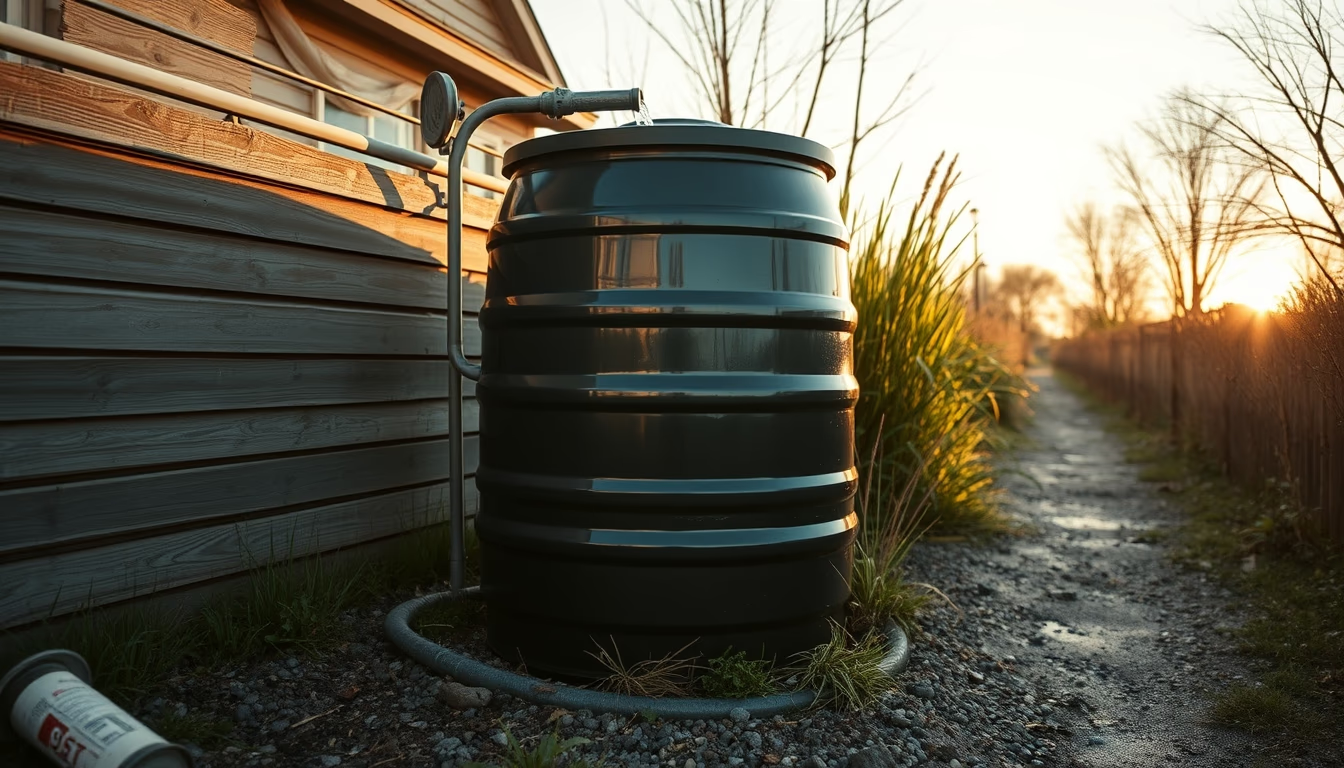
Rainwater collection barrels are sustainable solutions for harvesting rainwater, reducing potable water consumption and combating urban flooding.
About this subject
Rainwater collection barrels, also known as rain barrels or small cisterns, are simple and efficient devices for capturing and storing rainwater. Typically installed under roof downspouts, they divert rainwater into a closed reservoir, preventing it from flowing directly onto the ground or into drainage systems. This age-old practice has gained renewed momentum due to growing concerns about water scarcity and urban sustainability.
In Brazil, rainwater harvesting is especially relevant in semi-arid regions like the Northeast, where government programs such as the Cisternas Program distribute thousands of units to rural communities. In urban areas, rain barrels help reduce the volume of water that overwhelms storm drainage systems, lowering the risk of flooding. Additionally, collected water can be used for garden irrigation, floor washing, and toilet flushing, generating significant savings on water bills.
Technically, a typical rain barrel has a capacity of 100 to 300 liters, with an inlet filter to trap leaves and debris. Many models feature a spigot at the base for easy water access and an overflow valve to prevent spills. Maintenance is simple: periodic cleaning of the filter and the barrel's interior to avoid mosquito breeding, such as Aedes aegypti, the vector for dengue fever.
Interestingly, the use of rain barrels dates back to ancient civilizations like the Romans and Chinese, who built capture systems on roofs and courtyards. Today, with the popularization of materials like recycled plastic and polyethylene, barrels have become affordable and easy to install. In many cities, tax incentives or subsidies are offered to adopt this technology, recognizing its role in sustainable water resource management.
Frequently Asked Questions
What is the average capacity of a rainwater collection barrel?
Household models typically hold 100 to 300 liters, but larger versions exist for commercial use.
Is rainwater treatment necessary before watering plants?
For garden irrigation, chemical treatment is usually not needed. Simply filter debris and avoid stagnant water for long periods.
How can I prevent mosquitoes from breeding in the barrel?
Keep the barrel tightly sealed, install fine mesh on openings, and clean the reservoir regularly. Some models have dark interiors that discourage larvae growth.
Direct URL
https://pub-c7d6a6ea828543ac903a74a341ccb2e1.r2.dev/imagens/rainwater-collection-barrel-cinematic-wide-shot-p4.avifHow to credit
Include a visible link back to UtilizAí. Copy one of the snippets below:
<a href="https://xn--utiliza-eza.com/en/midia/imagens/rainwater-collection-barrel-cinematic-wide-shot-p4">Rainwater collection barrel</a> by <a href="https://xn--utiliza-eza.com">UtilizAí</a>, licensed under <a href="https://creativecommons.org/licenses/by/4.0/">CC BY 4.0</a>.
[Rainwater collection barrel](https://xn--utiliza-eza.com/en/midia/imagens/rainwater-collection-barrel-cinematic-wide-shot-p4) by [UtilizAí](https://xn--utiliza-eza.com), CC BY 4.0
License: CC-BY-4.0