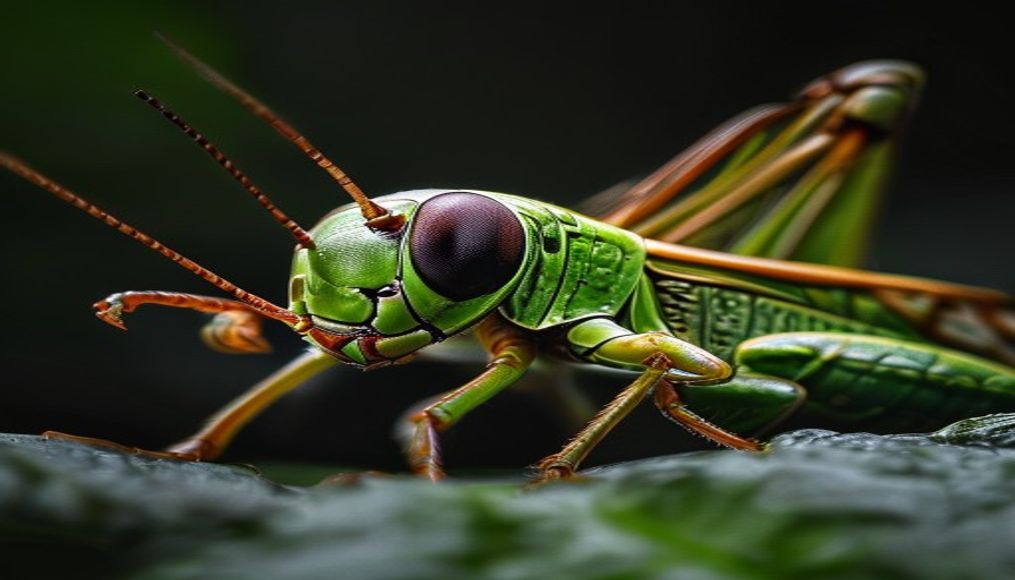
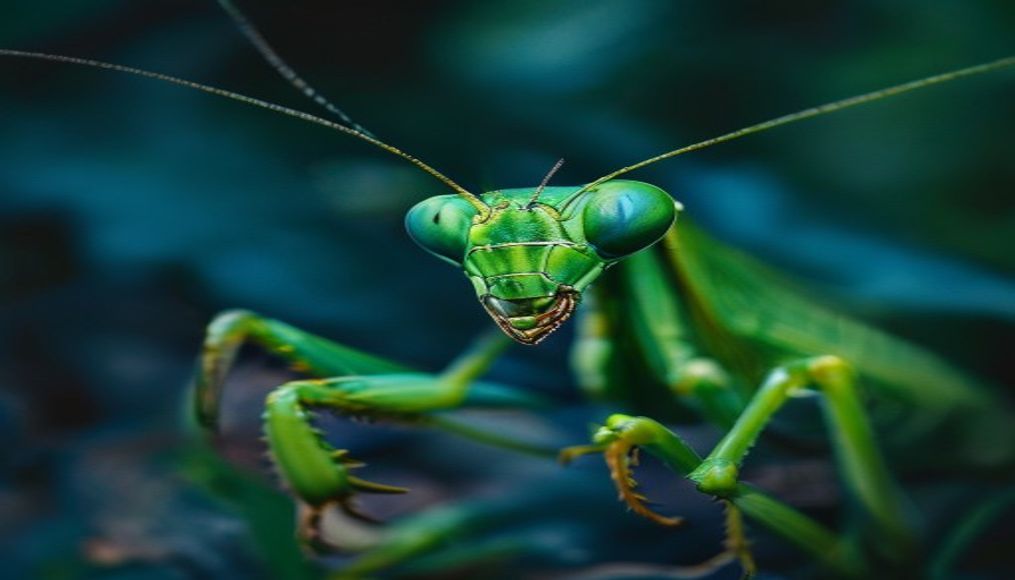
Praying mantis green macro
1344×768 · AVIF · CC BY 4.0
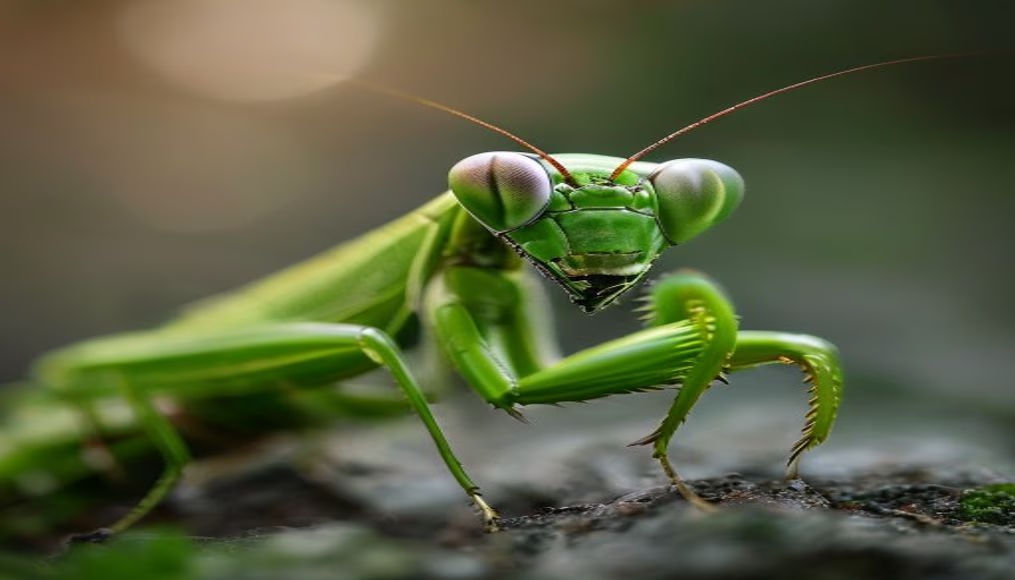
The green praying mantis is a predatory insect found worldwide, known for its praying posture and hunting technique.
About this subject
The praying mantis, also called mantis or mante, belongs to the order Mantodea. There are about 2,400 species worldwide, with around 250 in Brazil, including genera such as Stagmomantis and Acanthops. These insects are ambush predators, feeding on flies, crickets, grasshoppers, and occasionally small lizards or birds. Their hunting relies on exceptional camouflage: mantis remain motionless for hours, blending into leaves or twigs, then strike with their raptorial forelegs in under 0.1 seconds.
Culturally, the praying mantis holds symbolic meanings across different societies. In many Asian traditions, it represents patience and mindfulness. In Western cultures, it is often seen as a symbol of calmness or good luck. In agriculture, mantises are valued for biological pest control, consuming large numbers of herbivorous insects without harming crops. However, habitat loss and pesticide use threaten their populations globally.
A well-known behavioral trait is sexual cannibalism. In roughly 30% of species, the female eats the male during or after mating, providing extra nutrients for egg production. After mating, the female lays eggs in an ootheca, a foam-like structure that protects them through winter. Nymphs, the juvenile mantises, undergo multiple molts before reaching winged adulthood.
Conservation of mantises involves preserving natural habitats and reducing pesticide reliance. Gardens with diverse plants and sheltered areas attract these beneficial predators. Observing a mantis is a lesson in the art of stillness and the intricate strategies of nature.
Frequently Asked Questions
Are praying mantises dangerous to humans?
No. Despite their intimidating appearance and quick strike, mantises are not dangerous to humans. Their forelegs may produce a mild pinch, but they do not inject venom and rarely break skin.
How many species of praying mantis are there in Brazil?
There are about 250 species in Brazil, belonging to families such as Mantidae and Thespidae. Many are endemic to the Atlantic Forest and Amazon rainforest.
Why does the female mantis eat the male after mating?
Sexual cannibalism provides the female with essential proteins and nutrients for producing viable eggs. The male's consumption indirectly supports the survival of the offspring.
Direct URL
https://pub-c7d6a6ea828543ac903a74a341ccb2e1.r2.dev/imagens/praying-mantis-green-macro-documentary-photography-p1.avifHow to credit
Include a visible link back to UtilizAí. Copy one of the snippets below:
<a href="https://xn--utiliza-eza.com/en/midia/imagens/praying-mantis-green-macro-documentary-photography-p1">Praying mantis green macro</a> by <a href="https://xn--utiliza-eza.com">UtilizAí</a>, licensed under <a href="https://creativecommons.org/licenses/by/4.0/">CC BY 4.0</a>.
[Praying mantis green macro](https://xn--utiliza-eza.com/en/midia/imagens/praying-mantis-green-macro-documentary-photography-p1) by [UtilizAí](https://xn--utiliza-eza.com), CC BY 4.0
License: CC-BY-4.0