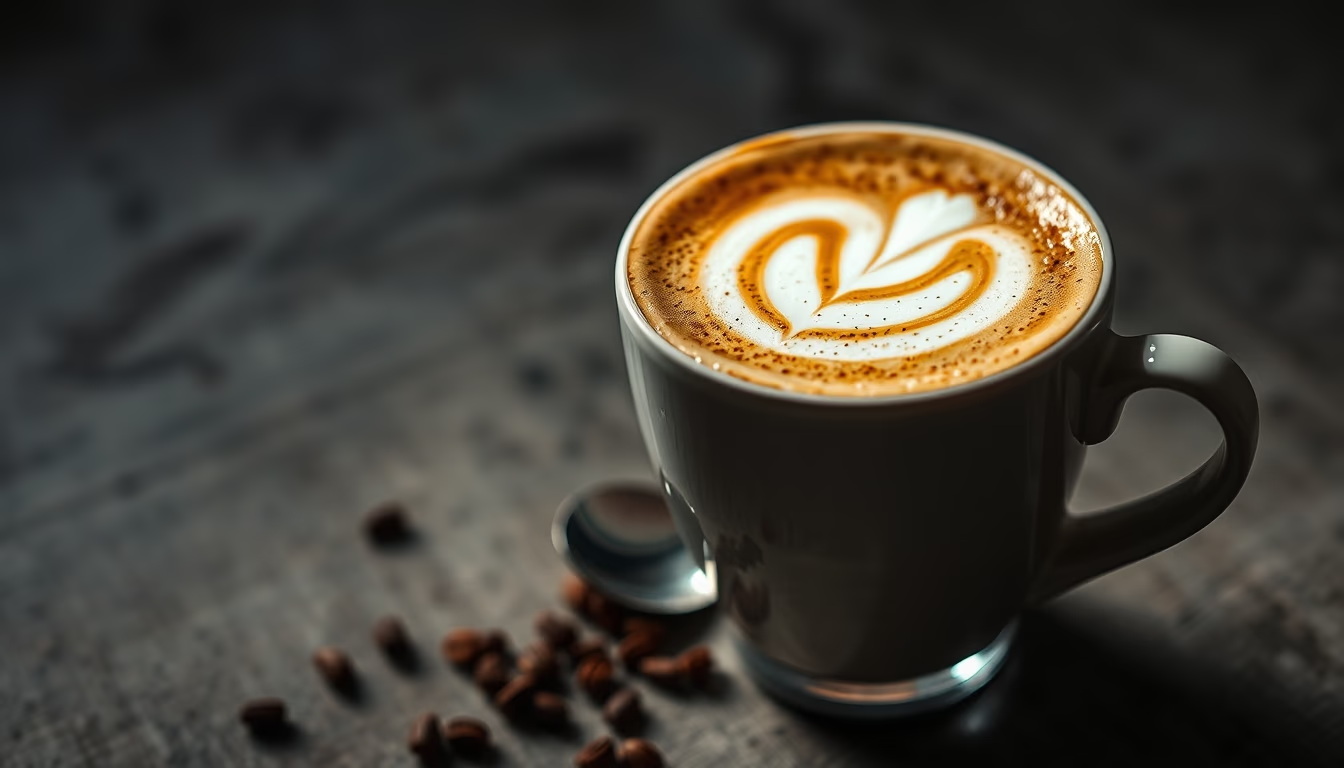
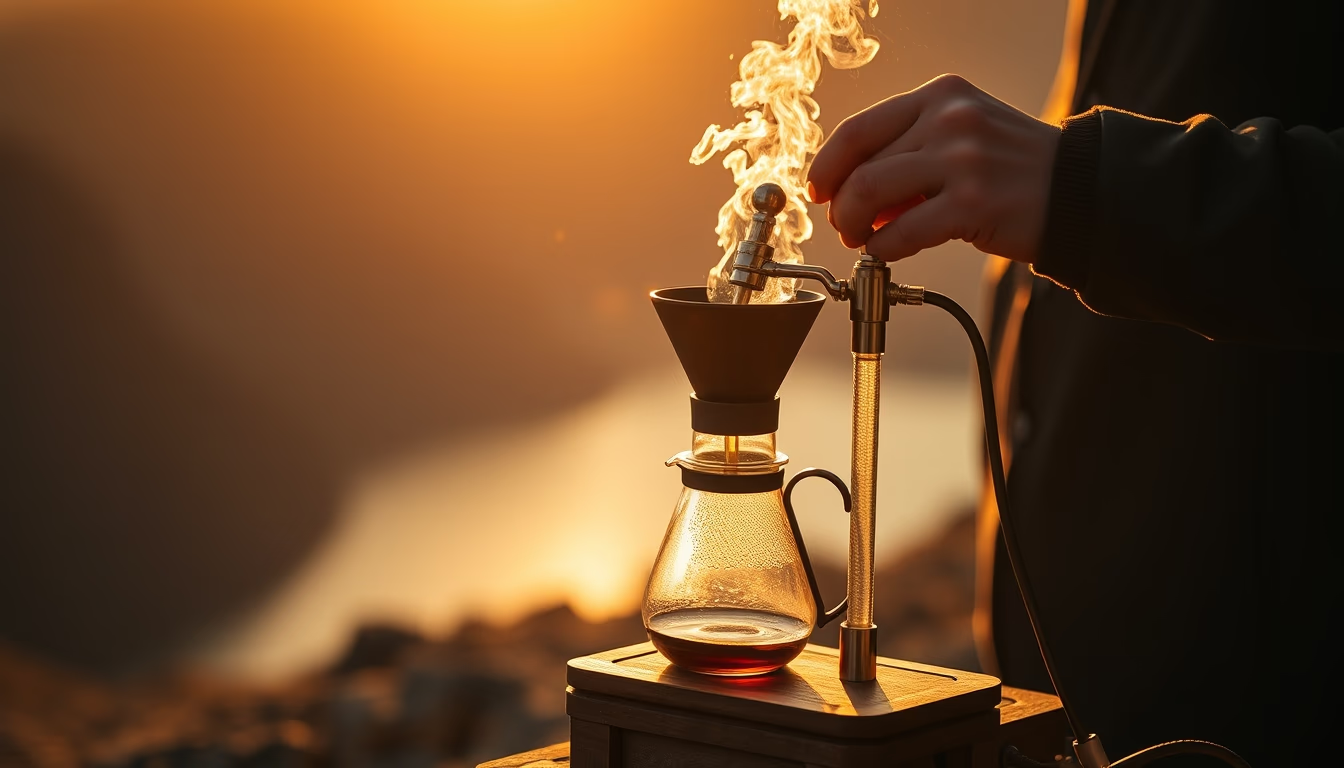
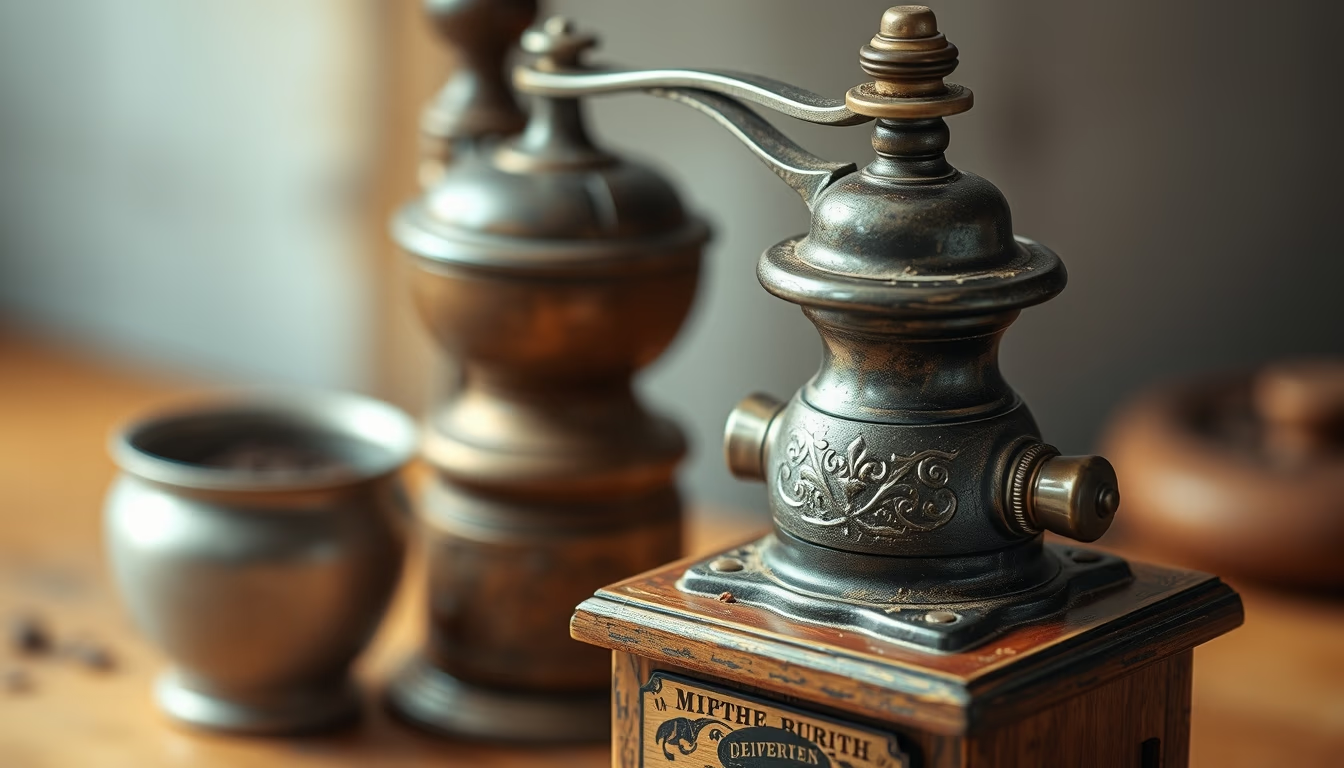
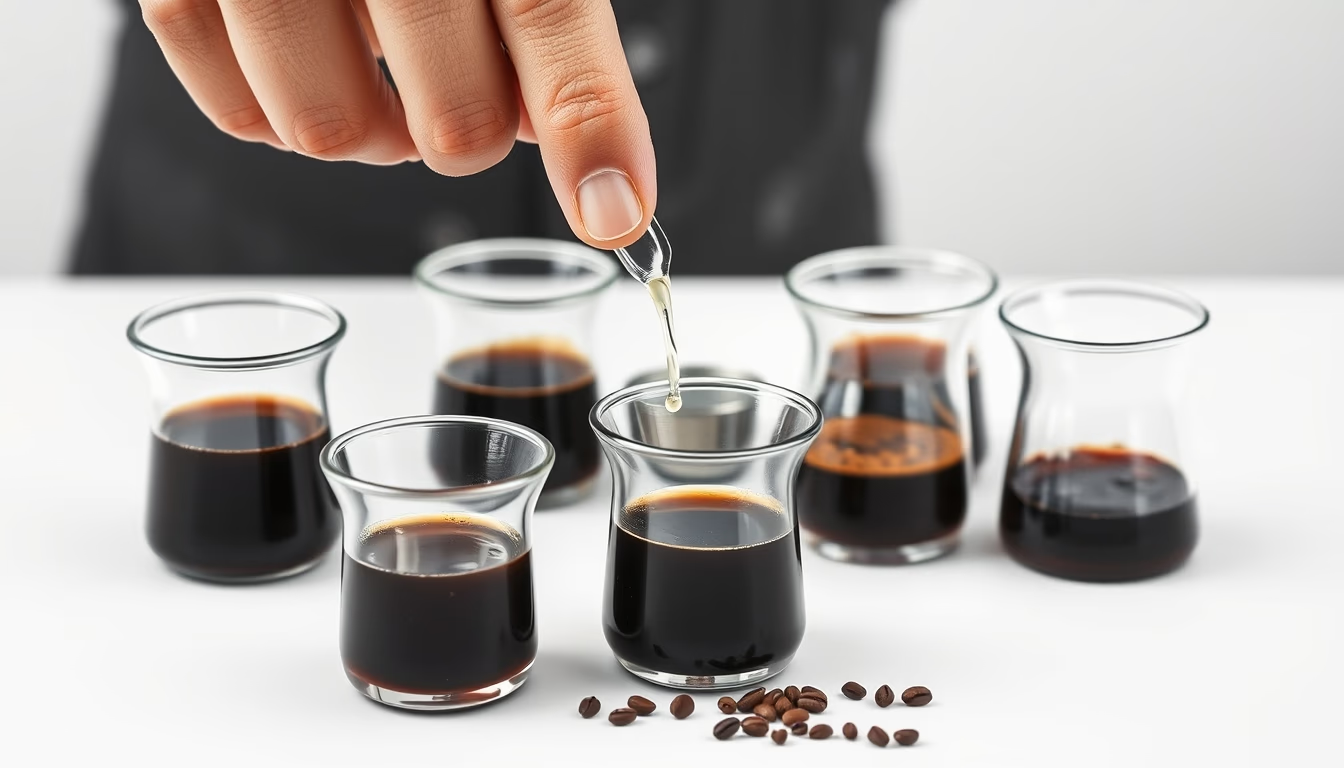
Pour over coffee setup
1344×768 · AVIF · CC BY 4.0
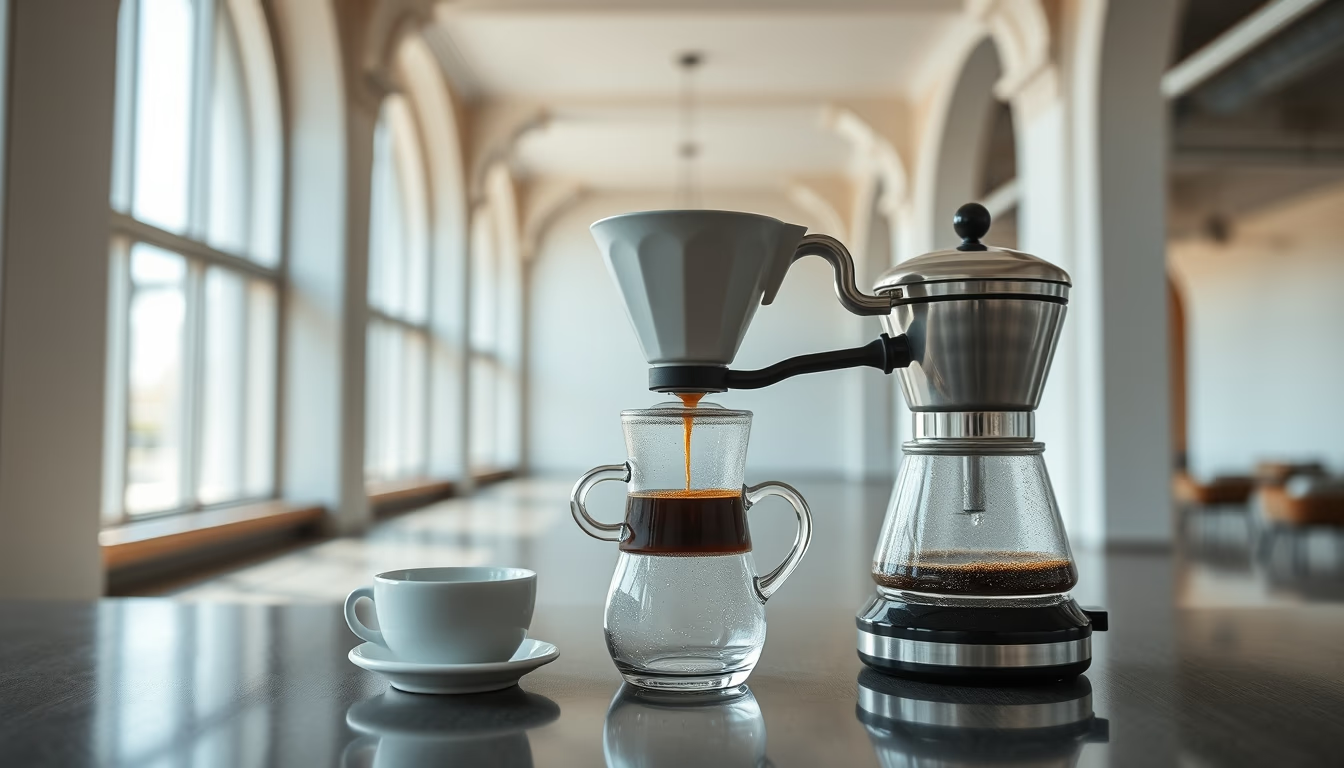
The pour-over method is a manual coffee brewing technique that emphasizes precise control over extraction, resulting in a clean and aromatic cup.
About this subject
Pour-over coffee, also known as manual drip coffee, has gained prominence in the specialty coffee world for its ability to highlight the sensory nuances of beans. Unlike traditional drip machines, this method requires the barista to pour hot water over coffee grounds in a circular motion, controlling variables such as water temperature, grind size, and infusion time. The origins of pour-over date back to the early 20th century when German Melitta Bentz invented the first paper filter in 1908. However, modern popularity owes much to Japanese models like the Hario V60, launched in 2004, which became a benchmark in international coffee competitions.
Basic equipment includes a cone-shaped or flat dripper, specific paper filters, a gooseneck kettle, and a serving vessel. The coffee grind should be medium-fine, similar to beach sand consistency, to ensure balanced extraction without clogging the filter. Ideally filtered water should reach between 92 °C and 96 °C. Total brewing time takes 2 to 4 minutes, depending on coffee amount and technique. Many enthusiasts use scales and thermometers to replicate recipes accurately.
In Brazil, the world's largest coffee producer and exporter, pour-over has been increasingly adopted, especially in specialty coffee shops. The method is valued for bringing out floral, fruity, and chocolate notes that might be masked by other extraction processes. In 2022, Brazilian Carlos Henrique Lopes won the national barista championship using the pour-over technique, showcasing the high technical level of local professionals. Additionally, the minimalist aesthetic of the apparatus contributes to its popularity in both home and professional settings.
Although it requires practice and patience, pour-over offers a ritualistic experience that connects the brewer to each step of the process. Unlike electric drip machines where the machine controls extraction, the manual method allows fine adjustments to personal taste. This customization, combined with the ability to taste coffees from different origins in their purest form, makes pour-over a choice among enthusiasts who seek the perfect cup.
Frequently Asked Questions
What is the difference between pour-over and traditional drip coffee?
In pour-over, the barista pours water manually and controllably, while in traditional drip (like electric coffee makers) water is dispensed automatically. Pour-over allows greater precision in extraction, enhancing subtle flavors.
What is the ideal grind size for the pour-over method?
The grind should be medium-fine, with a texture similar to beach sand. Finer grinds may clog the filter and over-extract, while coarser grinds result in under-extraction and watery coffee.
What is the ideal water temperature for pour-over?
Recommended water temperature is between 92 °C and 96 °C. Too hot can burn the coffee and extract bitterness, while too cool fails to extract flavors properly.
Direct URL
https://pub-c7d6a6ea828543ac903a74a341ccb2e1.r2.dev/imagens/pour-over-coffee-setup-architectural-photography-p3.avifHow to credit
Include a visible link back to UtilizAí. Copy one of the snippets below:
<a href="https://xn--utiliza-eza.com/en/midia/imagens/pour-over-coffee-setup-architectural-photography-p3">Pour over coffee setup</a> by <a href="https://xn--utiliza-eza.com">UtilizAí</a>, licensed under <a href="https://creativecommons.org/licenses/by/4.0/">CC BY 4.0</a>.
[Pour over coffee setup](https://xn--utiliza-eza.com/en/midia/imagens/pour-over-coffee-setup-architectural-photography-p3) by [UtilizAí](https://xn--utiliza-eza.com), CC BY 4.0
License: CC-BY-4.0