Postmodern arch frank
1344×768 · JPG · CC BY 4.0
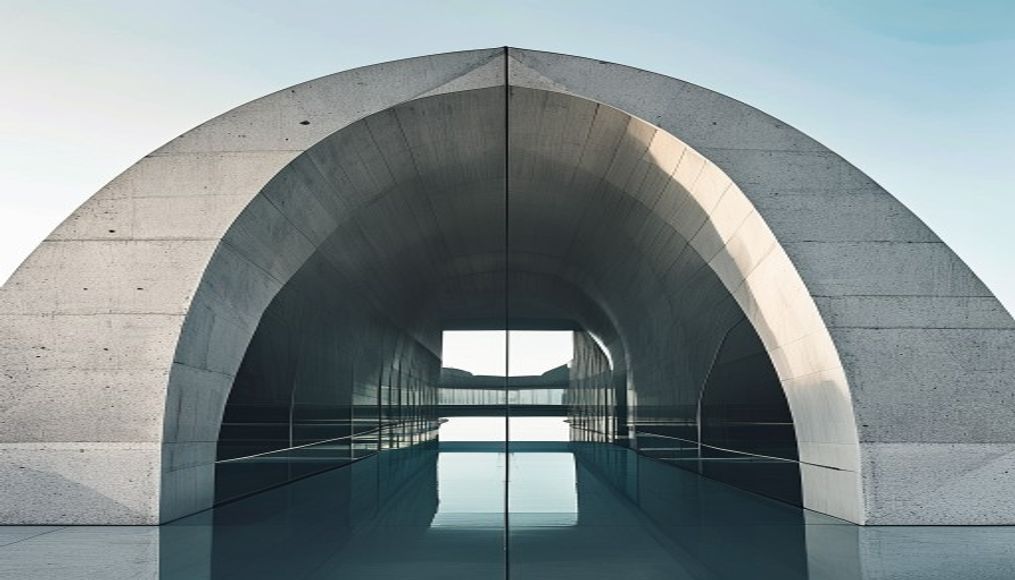
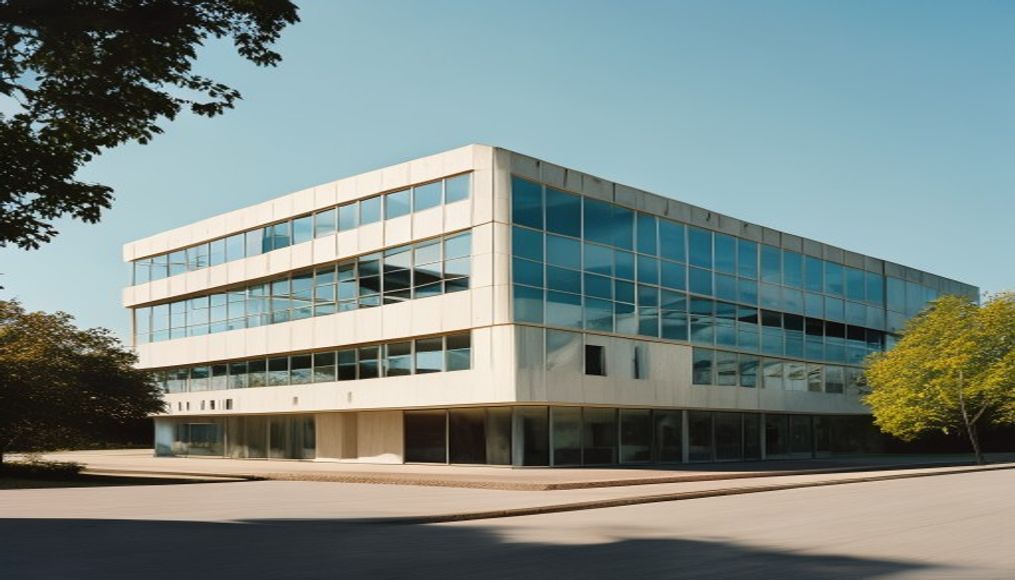
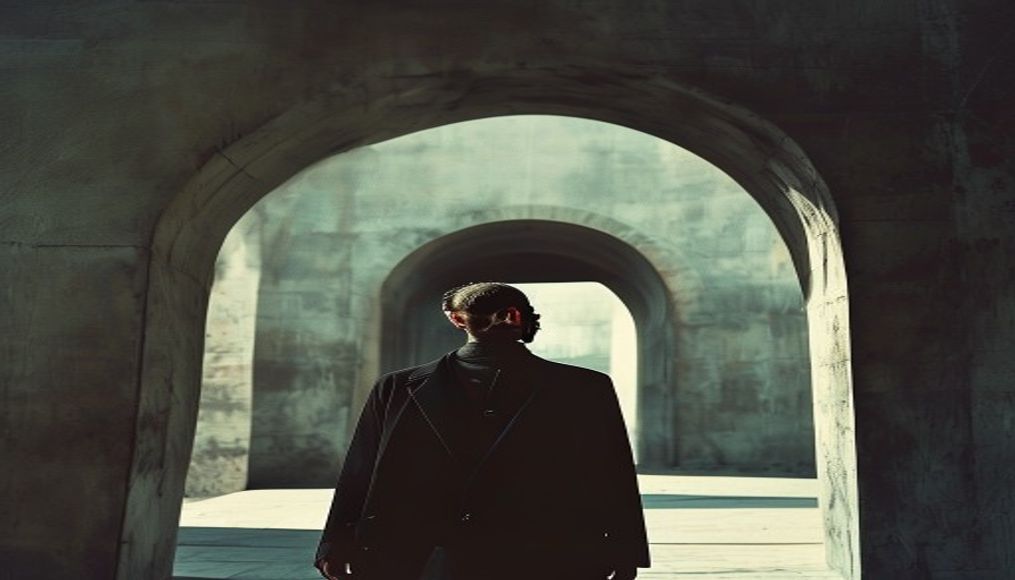
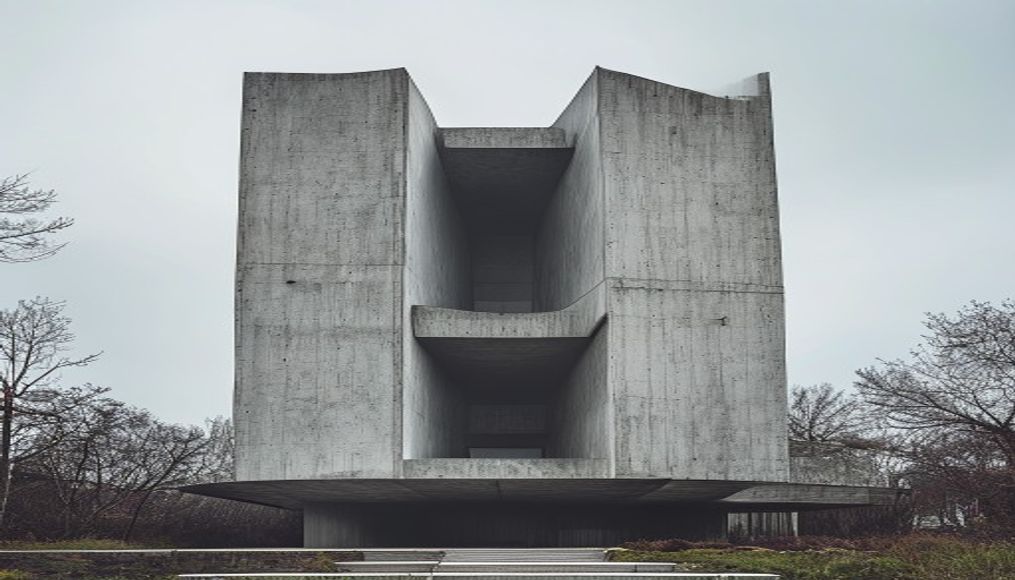
The frank arch is a postmodern architectural element that combines historical forms with a direct and honest expression of materials.
About this subject
Postmodern architecture, gaining momentum from the 1970s onward, sought to break with modernist formalism by reviving historical elements such as arches, pediments, and columns. The term "frank" (honest, direct) applied to a postmodern arch reflects the intention to use these elements clearly, without structural disguise. Unlike Gothic or Romanesque arches, which carried complex symbolism, the frank arch is often simplified, with clean lines and exposed materials like concrete or steel, emphasizing tectonics.
A notable example is the AT&T Building (New York, 1984, by Philip Johnson), which, though famous for its pediment, also employs arches in its base. In Brazil, the frank arch appears in works such as the MAM (Museum of Modern Art) in Rio de Janeiro, with its reinforced concrete spans, and the São Paulo Cultural Center, where wide arches define interior spaces. The influence of architects like Michael Graves and Charles Moore is also evident, with arches serving as entrances or visual landmarks.
Interestingly, the frank arch does not aim to faithfully imitate the past but reinterpret it in a contemporary context, incorporating modern construction techniques. This "honest" approach became a hallmark of postmodernism, where function and history dialogue without shame. In many cities, frank arches are used in shopping arcades, university façades, and public squares, creating welcoming and visually engaging environments.
Frequently Asked Questions
What characterizes a frank arch in postmodern architecture?
A frank arch reuses the classical arch form but with a simplified aesthetic, exposed materials (concrete, steel), and minimal ornamentation, emphasizing structural honesty.
Which architects are known for using frank arches?
Michael Graves, Philip Johnson, and Charles Moore are examples of postmodern architects who used arches with this direct approach, in works like the Portland Building and the AT&T Building.
How does the frank arch differ from historical arches?
It does not aim to faithfully reproduce Gothic or Romanesque arches but reinterprets them with modern techniques, maintaining structural function and creating a dialogue between past and present.
Direct URL
https://pub-c7d6a6ea828543ac903a74a341ccb2e1.r2.dev/imagens/postmodern-arch-frank-architectural-photography-p3.jpgHow to credit
Include a visible link back to UtilizAí. Copy one of the snippets below:
<a href="https://xn--utiliza-eza.com/en/midia/imagens/postmodern-arch-frank-architectural-photography-p3">Postmodern arch frank</a> by <a href="https://xn--utiliza-eza.com">UtilizAí</a>, licensed under <a href="https://creativecommons.org/licenses/by/4.0/">CC BY 4.0</a>.
[Postmodern arch frank](https://xn--utiliza-eza.com/en/midia/imagens/postmodern-arch-frank-architectural-photography-p3) by [UtilizAí](https://xn--utiliza-eza.com), CC BY 4.0
License: CC-BY-4.0