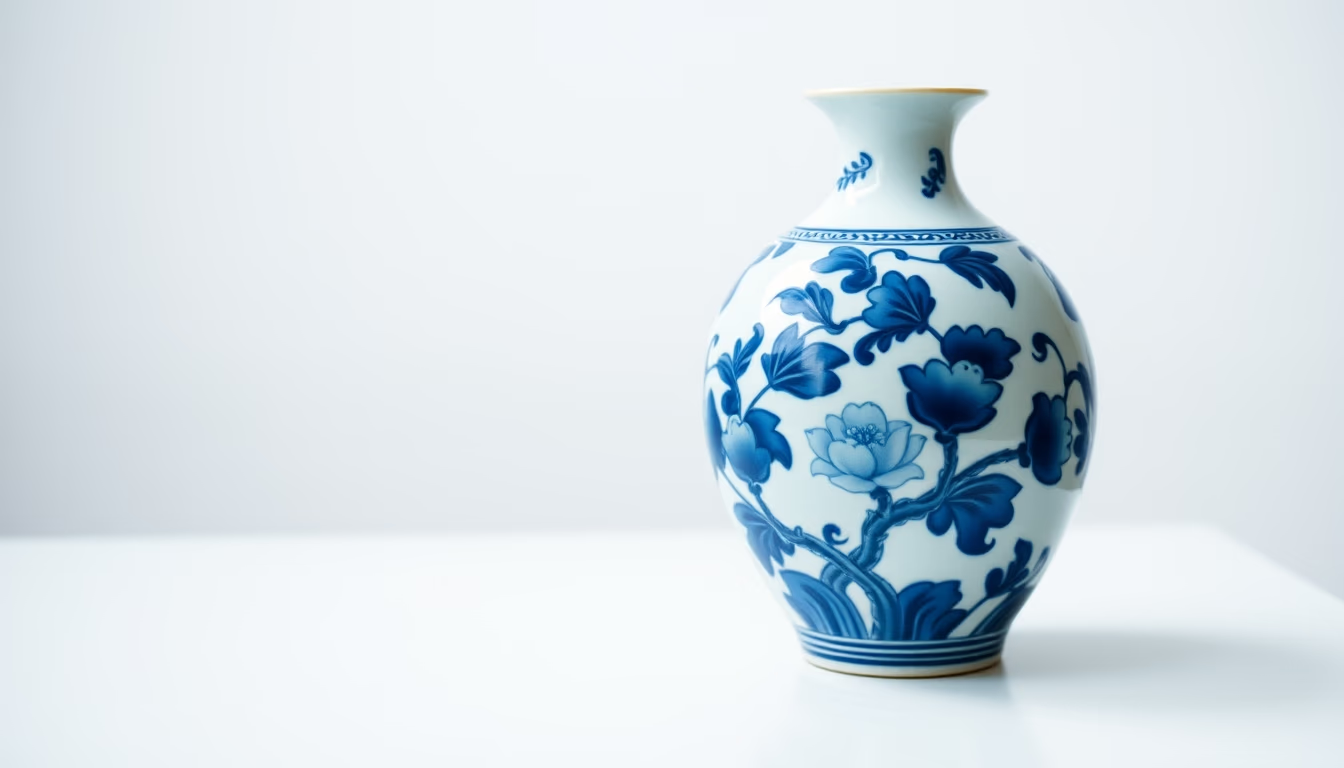
Porcelain blue white vase
1344×768 · AVIF · CC BY 4.0
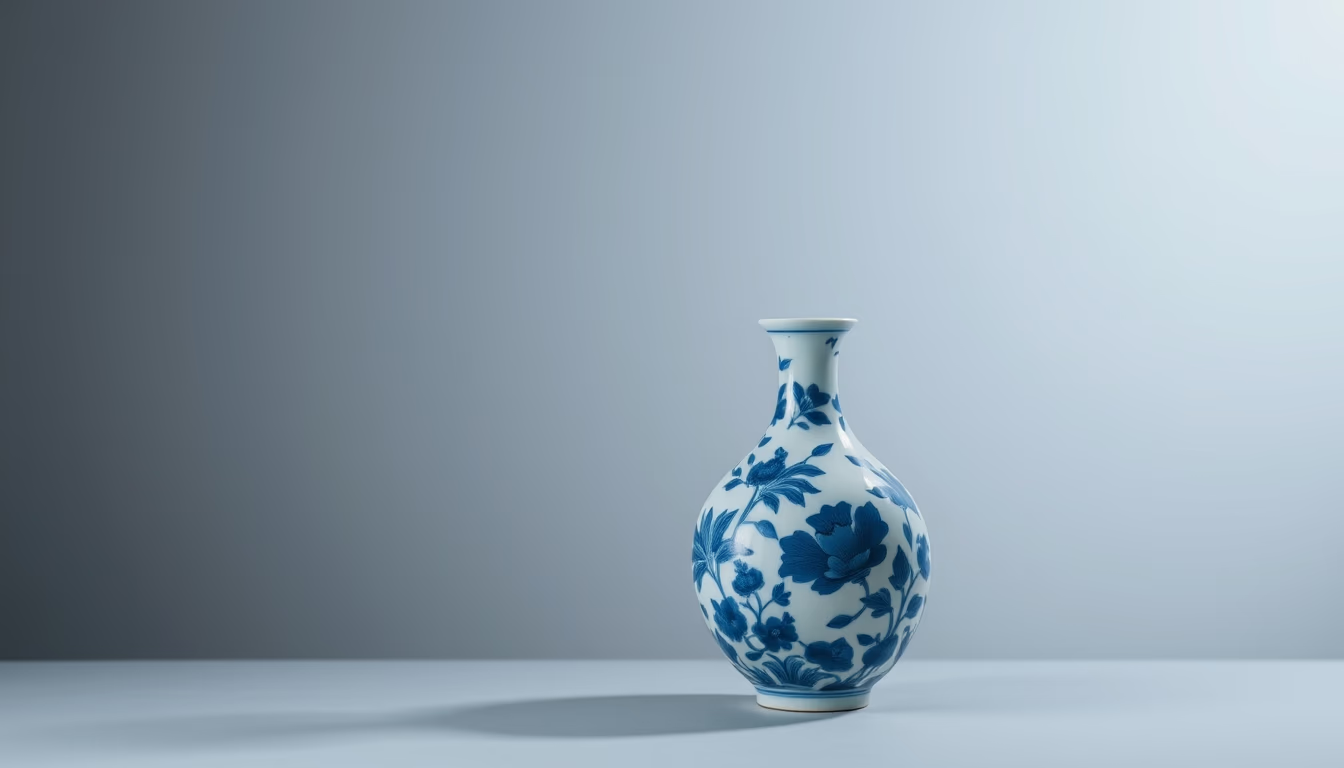
A blue and white porcelain vase, a classic piece of Chinese ceramics that shaped global trade between East and West.
About this subject
Blue and white porcelain originated in China during the Yuan dynasty (1271-1368), when craftsmen in Jingdezhen began using cobalt oxide for underglaze painting beneath a transparent glaze. This technique reached its peak under the Ming and Qing dynasties, becoming one of the most exported goods along the maritime Silk Road. Vases like this were handcrafted from a paste of kaolin, feldspar, and quartz, thrown on a wheel, hand-painted with fine brushes, and fired at high temperatures above 1280°C. The vivid blue cobalt initially came from Persia but later was mined domestically. These pieces were so valuable they served as currency and status symbols among European and Asian nobility.
The trade of blue and white porcelain boosted the economies of ports like Canton and Macau, and influenced ceramics worldwide. The Dutch East India Company (VOC) imported millions of pieces between the 17th and 18th centuries, inspiring European earthenware such as Delftware. Decorative motifs, dragons, landscapes, flowers, carried symbolic meanings: the dragon represented imperial power, lotus purity, and peony wealth. The vase form, with a rounded body and narrow neck, was typical for storing tea or wine, adapted to Western tastes. The simple yet elegant blue-and-white combination became a global icon of refinement and cultural exchange.
Frequently Asked Questions
How was blue and white porcelain made?
It was made from kaolin, feldspar, and quartz, thrown on a wheel, decorated with cobalt oxide under a transparent glaze, and fired at temperatures above 1280°C. The firing vitrified the glaze and fixed the color.
Why was blue the dominant color in Chinese porcelain?
Blue came from cobalt oxide, which withstood high firing temperatures without losing color. The contrast with the white background created a visual effect valued both in China and in international markets.
What role did this porcelain play in global trade?
Blue and white porcelain was a major Chinese export to Europe, Asia, and the Middle East, especially between the 16th and 19th centuries. Companies like the VOC shipped millions of pieces, influencing local ceramics and creating a global luxury market.
Direct URL
https://pub-c7d6a6ea828543ac903a74a341ccb2e1.r2.dev/imagens/porcelain-blue-white-vase-studio-still-life-fresh17.avifHow to credit
Include a visible link back to UtilizAí. Copy one of the snippets below:
<a href="https://xn--utiliza-eza.com/en/midia/imagens/porcelain-blue-white-vase-studio-still-life-fresh17">Porcelain blue white vase</a> by <a href="https://xn--utiliza-eza.com">UtilizAí</a>, licensed under <a href="https://creativecommons.org/licenses/by/4.0/">CC BY 4.0</a>.
[Porcelain blue white vase](https://xn--utiliza-eza.com/en/midia/imagens/porcelain-blue-white-vase-studio-still-life-fresh17) by [UtilizAí](https://xn--utiliza-eza.com), CC BY 4.0
License: CC-BY-4.0