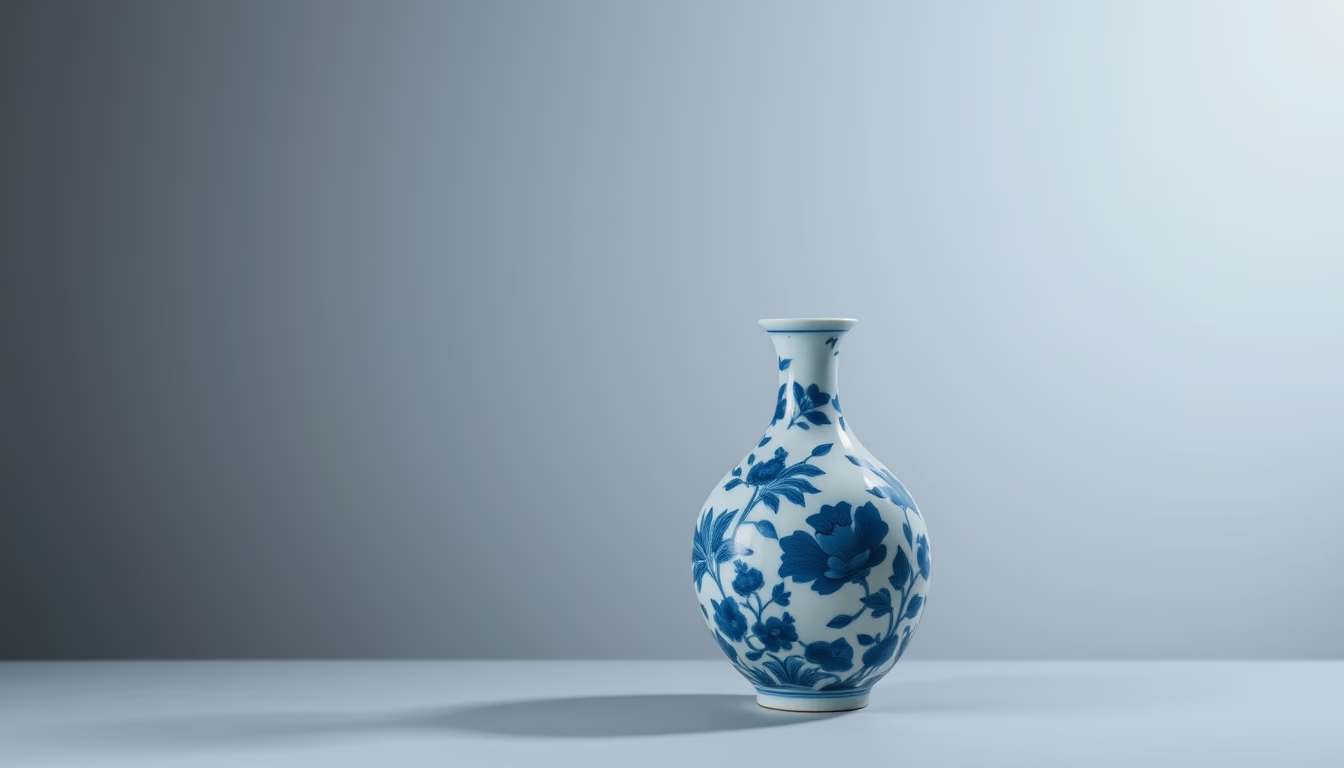
Porcelain blue white vase
1344×768 · AVIF · CC BY 4.0
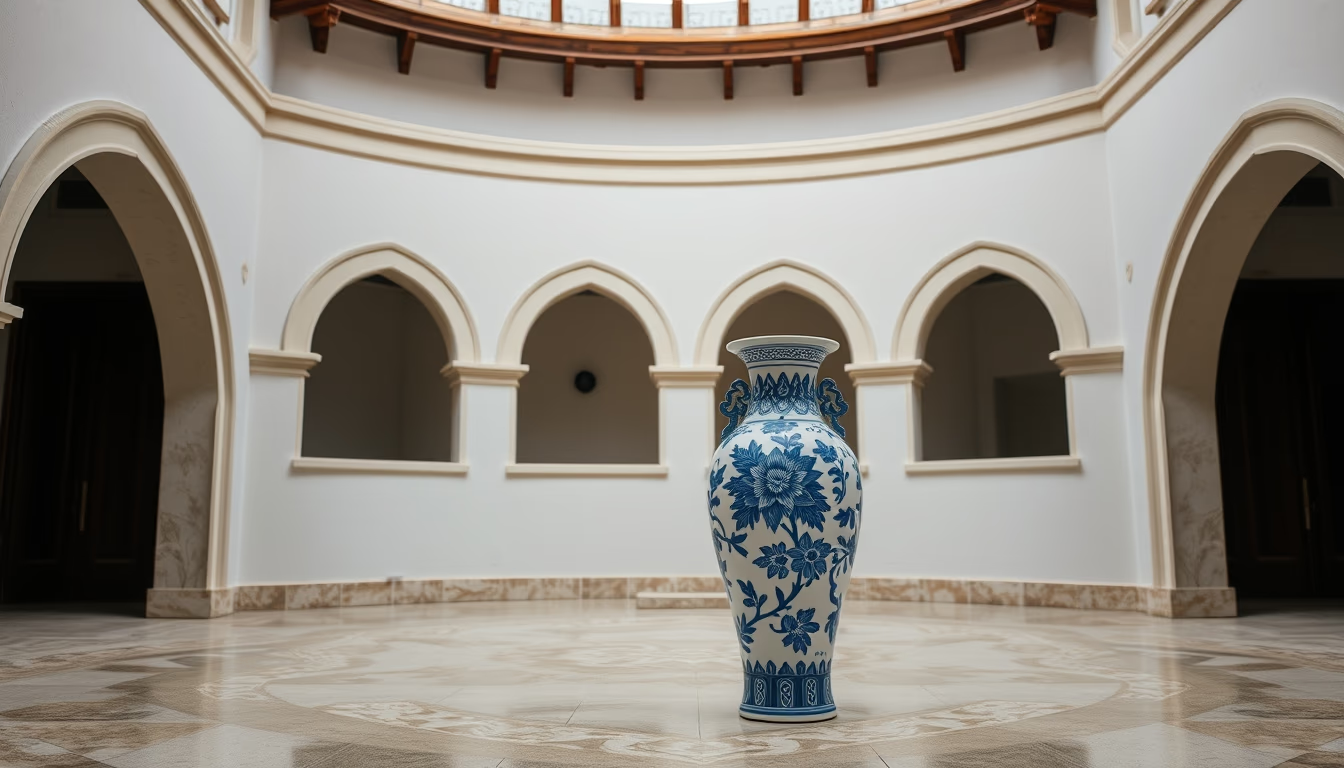
Blue and white porcelain vase, an emblematic piece of global trade that connected East and West for centuries.
About this subject
Blue and white porcelain is one of the most iconic expressions of Chinese ceramics, originating during the Yuan dynasty (1271-1368). The technique combines high-quality white clay, such as kaolin, with cobalt-based glazes that attain the characteristic blue tone after high-temperature firing. This art reached its peak during the Ming (1368-1644) and Qing (1644-1912) dynasties, when the kilns of Jingdezhen in Jiangxi province became the world's production hub. European demand for these pieces from the 16th century onward drove maritime trade routes like the Carreira da Índia and the Maritime Silk Road. Vases like this were not mere utilitarian objects but symbols of status, wealth, and power, often decorating palaces and noble homes. The floral and geometric designs, featuring motifs such as dragons, phoenixes, and landscapes, carry deep cultural meanings: blue represents immortality and white purity. This aesthetic influence spread globally, inspiring ceramics in Persia, Turkey, Japan, and Europe, such as Portuguese faience and Dutch delftware. Today, authentic Ming-era pieces are highly valued at auctions, reaching millions of dollars, while modern replicas keep the tradition alive. Despite its millenary origin, blue and white porcelain remains an icon of elegance and cultural exchange, uniting different civilizations through beauty and craftsmanship.
Frequently Asked Questions
What is the origin of blue and white porcelain?
Blue and white porcelain originated in China during the Yuan dynasty (1271-1368), with technical and aesthetic refinement during the Ming and Qing dynasties, especially in the kilns of Jingdezhen.
Why was blue and white porcelain so important in global trade?
It was a luxury item highly demanded by European nobility and bourgeoisie, driving maritime routes such as the Maritime Silk Road. Large-scale production in Jingdezhen served a global market for centuries.
What cultural meanings are present in the designs of these vases?
Blue symbolizes immortality and white purity. Motifs like dragons, phoenixes, and landscapes represent power, renewal, and harmony with nature, respectively.
Direct URL
https://pub-c7d6a6ea828543ac903a74a341ccb2e1.r2.dev/imagens/porcelain-blue-white-vase-architectural-photography-fresh14.avifHow to credit
Include a visible link back to UtilizAí. Copy one of the snippets below:
<a href="https://xn--utiliza-eza.com/en/midia/imagens/porcelain-blue-white-vase-architectural-photography-fresh14">Porcelain blue white vase</a> by <a href="https://xn--utiliza-eza.com">UtilizAí</a>, licensed under <a href="https://creativecommons.org/licenses/by/4.0/">CC BY 4.0</a>.
[Porcelain blue white vase](https://xn--utiliza-eza.com/en/midia/imagens/porcelain-blue-white-vase-architectural-photography-fresh14) by [UtilizAí](https://xn--utiliza-eza.com), CC BY 4.0
License: CC-BY-4.0