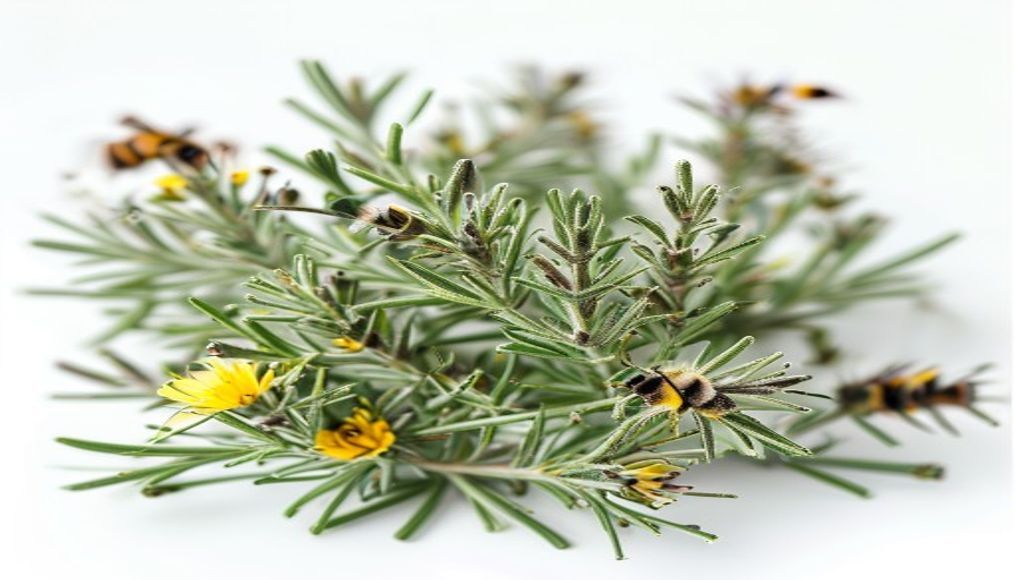
Pollen baskets bee leg
1344×768 · AVIF · CC BY 4.0
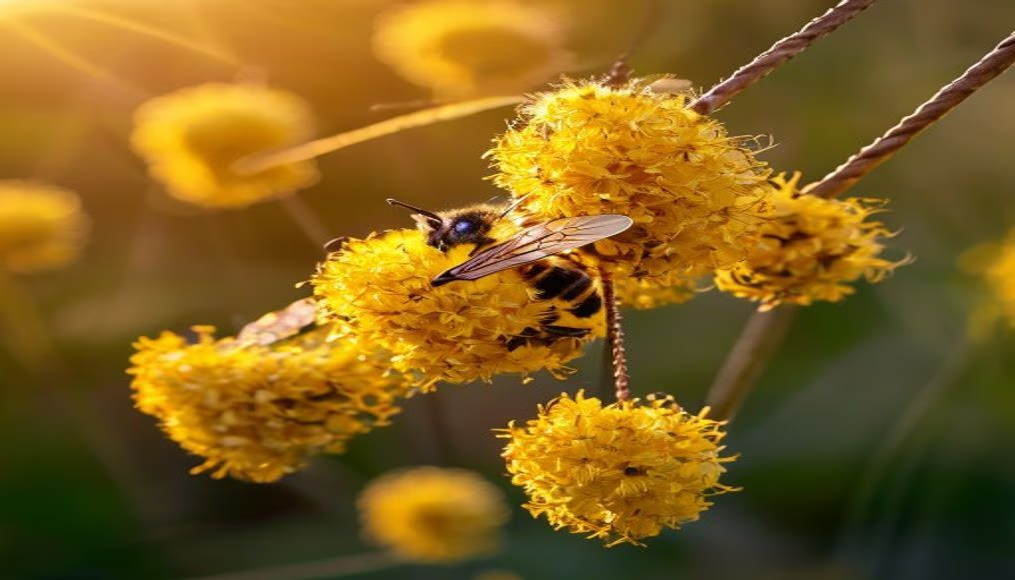
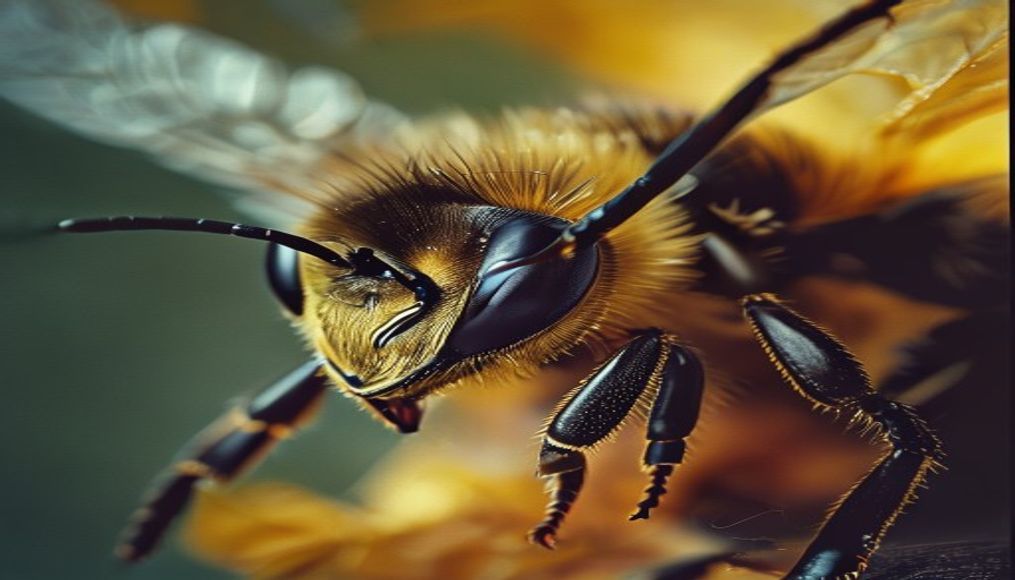
The corbiculae on worker bees' legs are specialized structures for transporting pollen, crucial for pollination and honey production.
About this subject
Worker bees have specialized structures on their hind legs called corbiculae, commonly known as pollen baskets. These are concave areas fringed with stiff hairs that allow the bee to accumulate and transport pollen grains from flowers back to the hive. This pollen is the colony's primary protein source, feeding larvae and young bees.
The collection process begins when a bee visits flowers and pollen sticks to its hairy body. Using leg movements, the bee brushes the pollen into the corbiculae, where it is compacted and moistened with nectar or saliva, forming a characteristic ball. A single bee can carry up to 35% of its body weight in pollen, visiting hundreds of flowers in one trip.
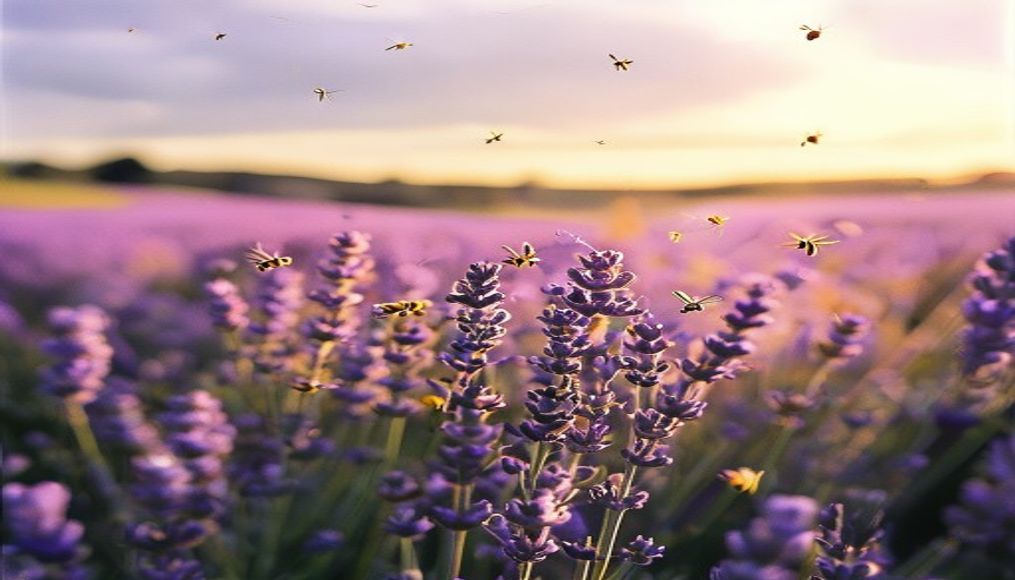
Beyond sustaining the hive, corbiculae play a vital role in pollination. By transporting pollen between flowers, bees ensure cross-fertilization of countless plants, including agricultural crops like apples, coffee, and almonds. It is estimated that one-third of the food consumed by humans depends on animal pollination, with bees as the primary agents.
Interestingly, not all bees have corbiculae: only females of social species, such as Apis mellifera and some stingless bees, possess them. Solitary bees often carry pollen in hairs on their abdomen. The efficiency of corbiculae has even inspired storage and transport technologies in engineering, demonstrating the value of biomimicry.
Frequently Asked Questions
What are corbiculae?
Corbiculae are structures on the hind legs of worker bees, used to collect and transport pollen. They consist of a concave area surrounded by hairs that hold the pollen securely.
How do bees fill their pollen baskets?
When visiting flowers, pollen sticks to the bee's body. The bee then uses its legs to brush and compact the pollen into the corbiculae, moistening it with nectar or saliva to form a sticky ball.
Why are corbiculae important for pollination?
Corbiculae enable bees to carry large amounts of pollen between flowers, promoting cross-pollination essential for the reproduction of many plants, including agricultural crops.
Direct URL
https://pub-c7d6a6ea828543ac903a74a341ccb2e1.r2.dev/imagens/pollen-baskets-bee-leg-travel-photography-p1.avifHow to credit
Include a visible link back to UtilizAí. Copy one of the snippets below:
<a href="https://xn--utiliza-eza.com/en/midia/imagens/pollen-baskets-bee-leg-travel-photography-p1">Pollen baskets bee leg</a> by <a href="https://xn--utiliza-eza.com">UtilizAí</a>, licensed under <a href="https://creativecommons.org/licenses/by/4.0/">CC BY 4.0</a>.
[Pollen baskets bee leg](https://xn--utiliza-eza.com/en/midia/imagens/pollen-baskets-bee-leg-travel-photography-p1) by [UtilizAí](https://xn--utiliza-eza.com), CC BY 4.0
License: CC-BY-4.0