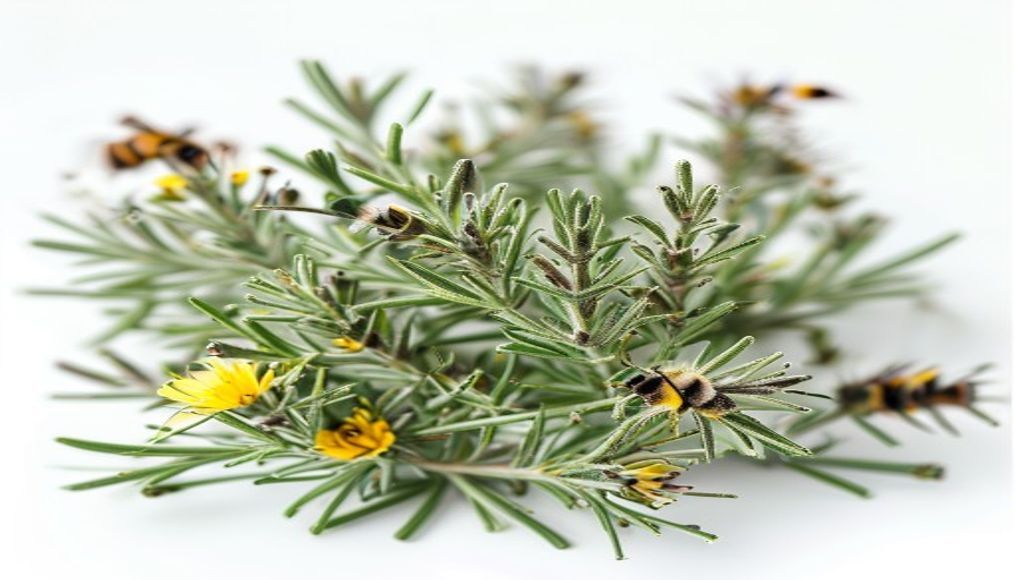
Pollen baskets bee leg
1344×768 · AVIF · CC BY 4.0
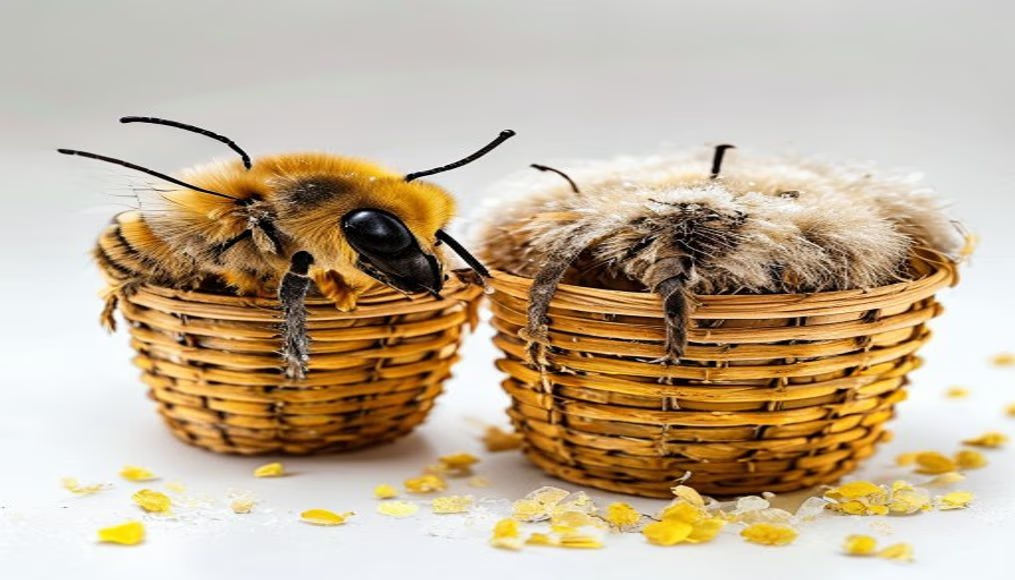
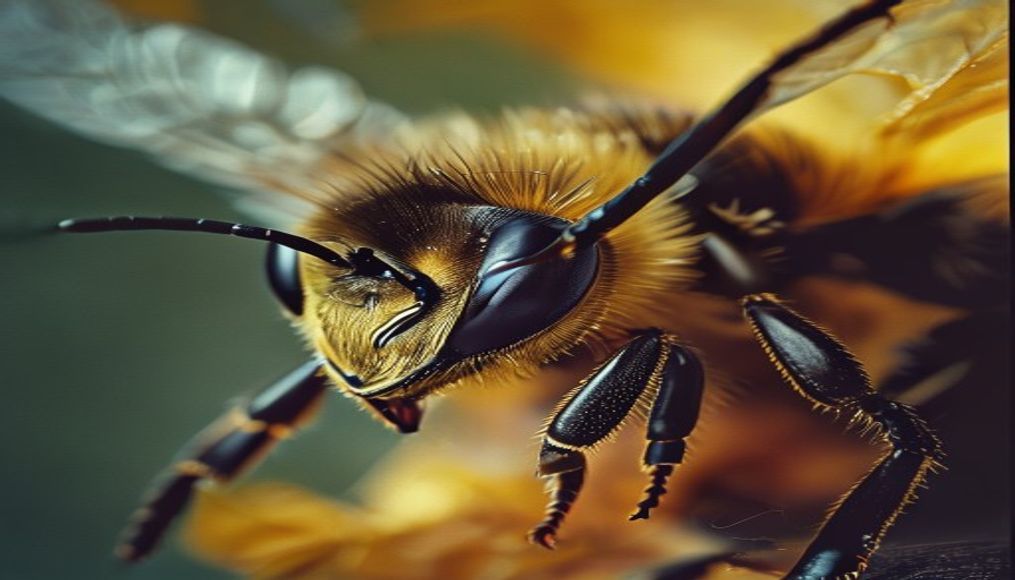
The corbiculae, or pollen baskets, are specialized structures on the hind legs of worker bees used to carry pollen back to the hive.
About this subject
The corbiculae, commonly called pollen baskets, are evolutionary adaptations on the hind legs of worker honeybees (Apis mellifera). These structures consist of a smooth concave area surrounded by long, curved hairs, forming a natural basket. During foraging, the bee moistens pollen grains with nectar and saliva, compacting them into pellets that fit tightly into the corbiculae. A single worker can carry up to half its body weight in pollen, which is used to produce bee bread, the primary protein source for the colony.
Pollen collection plays a vital role in cross-pollination, supporting biodiversity and agriculture. Roughly 75% of food crops rely on pollinators, with bees contributing significantly. Beekeepers monitor pollen loads on legs as a health indicator and foraging activity measure. Each load contains millions of pollen grains and varies in color depending on the flower visited, from yellow and orange to green or gray.
Interestingly, not all bees have corbiculae. Stingless bees (Meliponini) transport pollen in their crop or using different structures. Solitary bees often carry pollen on abdominal hairs. The corbicula is an evolutionary innovation that optimized efficiency for social bees, allowing them to carry large pollen volumes without impairing flight. For beekeepers, observing pollen baskets helps identify visited flora and plan apiary pasture management.
Frequently Asked Questions
What are pollen baskets and where are they located?
Pollen baskets, or corbiculae, are concave areas surrounded by hairs on the hind tibiae of worker bees. They serve to transport compacted pollen grains back to the hive.
How do bees fill their pollen baskets?
The bee collects pollen with its mandibles and forelegs, moistens it with nectar and saliva, then transfers it to the hind legs where it is packed into the corbiculae to form a firm load.
Why are pollen baskets important for beekeeping?
They indicate foraging activity and hive health. The color and amount of pollen help beekeepers identify which flowers bees are visiting, aiding in apiary pasture management.
Direct URL
https://pub-c7d6a6ea828543ac903a74a341ccb2e1.r2.dev/imagens/pollen-baskets-bee-leg-commercial-product-photography-p0.avifHow to credit
Include a visible link back to UtilizAí. Copy one of the snippets below:
<a href="https://xn--utiliza-eza.com/en/midia/imagens/pollen-baskets-bee-leg-commercial-product-photography-p0">Pollen baskets bee leg</a> by <a href="https://xn--utiliza-eza.com">UtilizAí</a>, licensed under <a href="https://creativecommons.org/licenses/by/4.0/">CC BY 4.0</a>.
[Pollen baskets bee leg](https://xn--utiliza-eza.com/en/midia/imagens/pollen-baskets-bee-leg-commercial-product-photography-p0) by [UtilizAí](https://xn--utiliza-eza.com), CC BY 4.0
License: CC-BY-4.0