Plaster mold sculpture
1344×768 · AVIF · CC BY 4.0
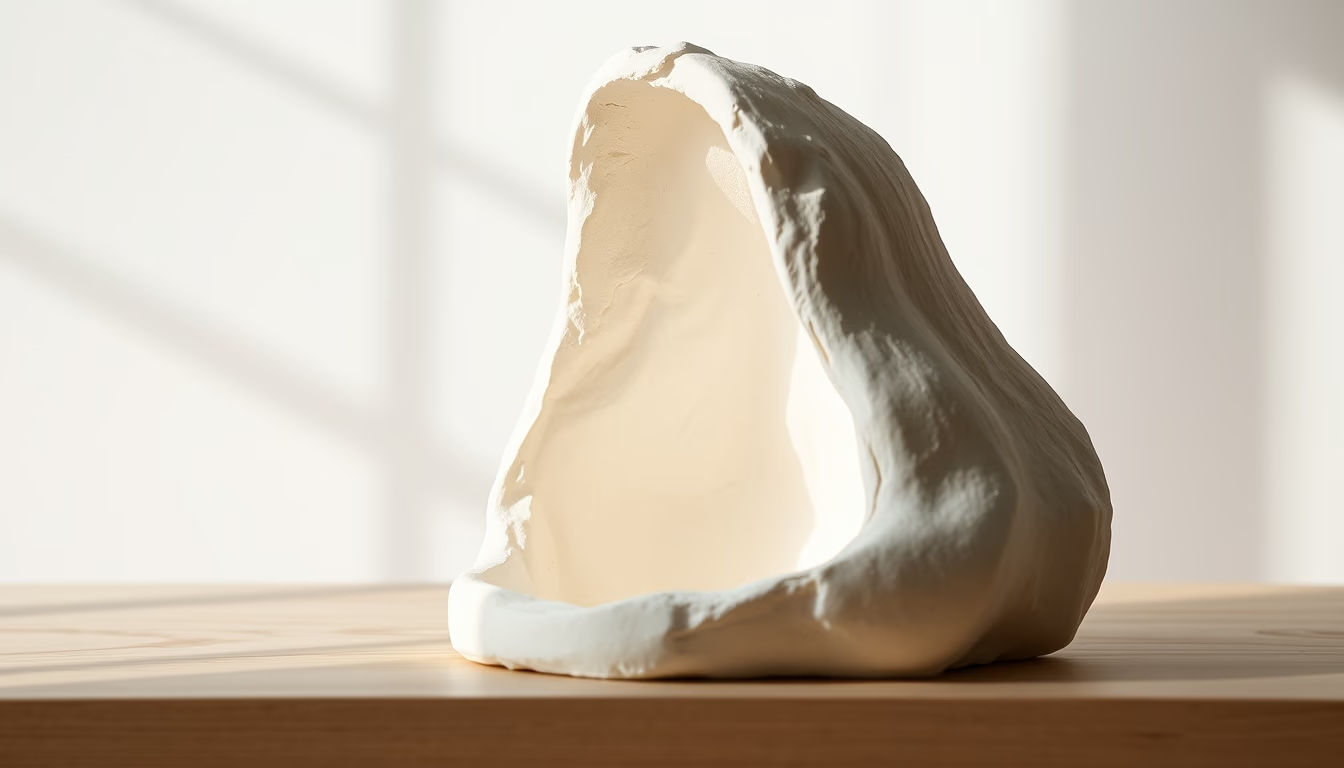
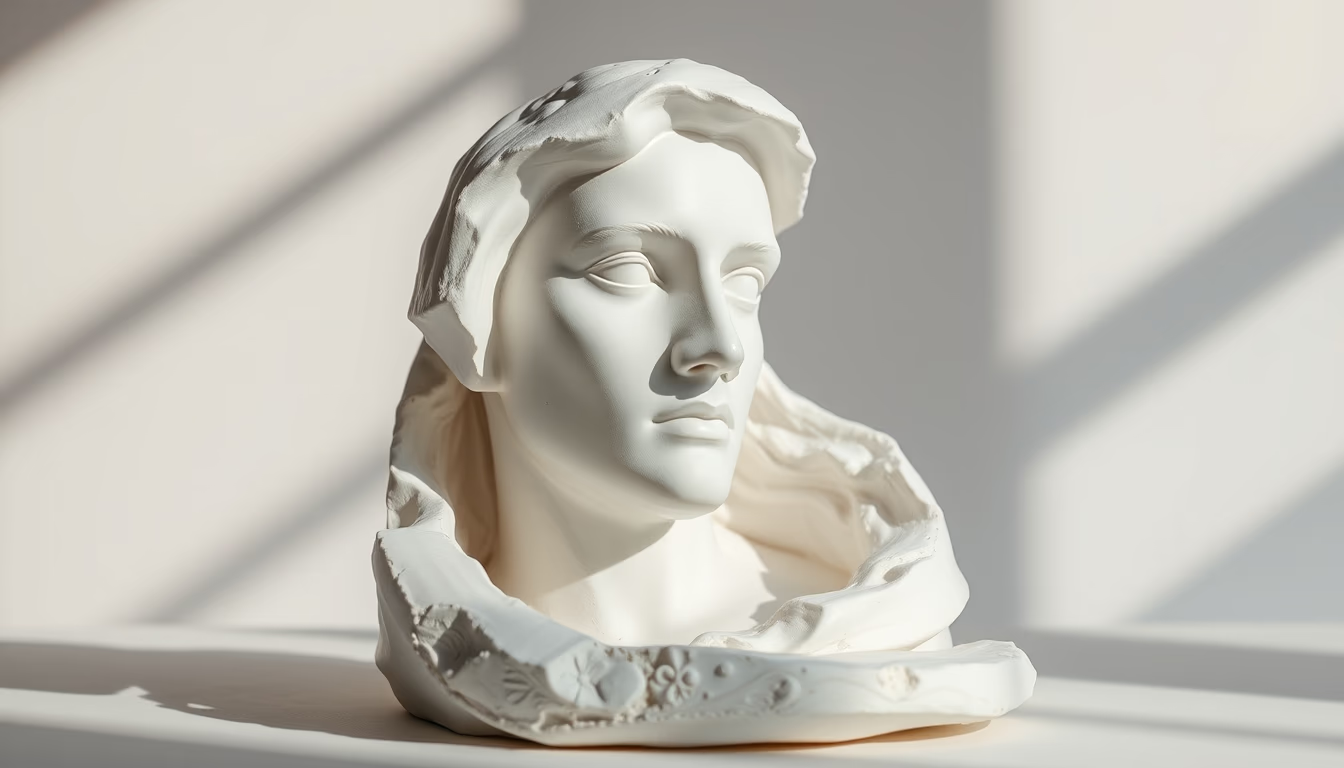
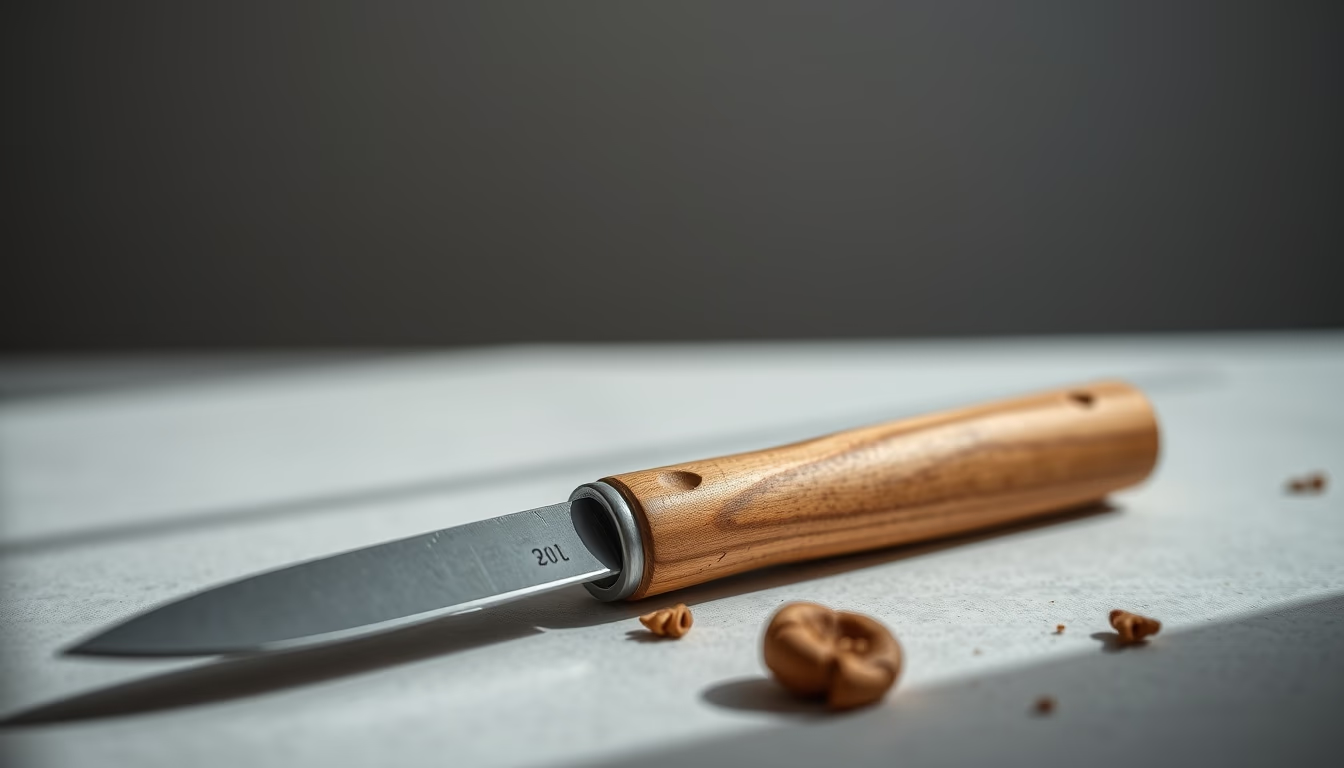
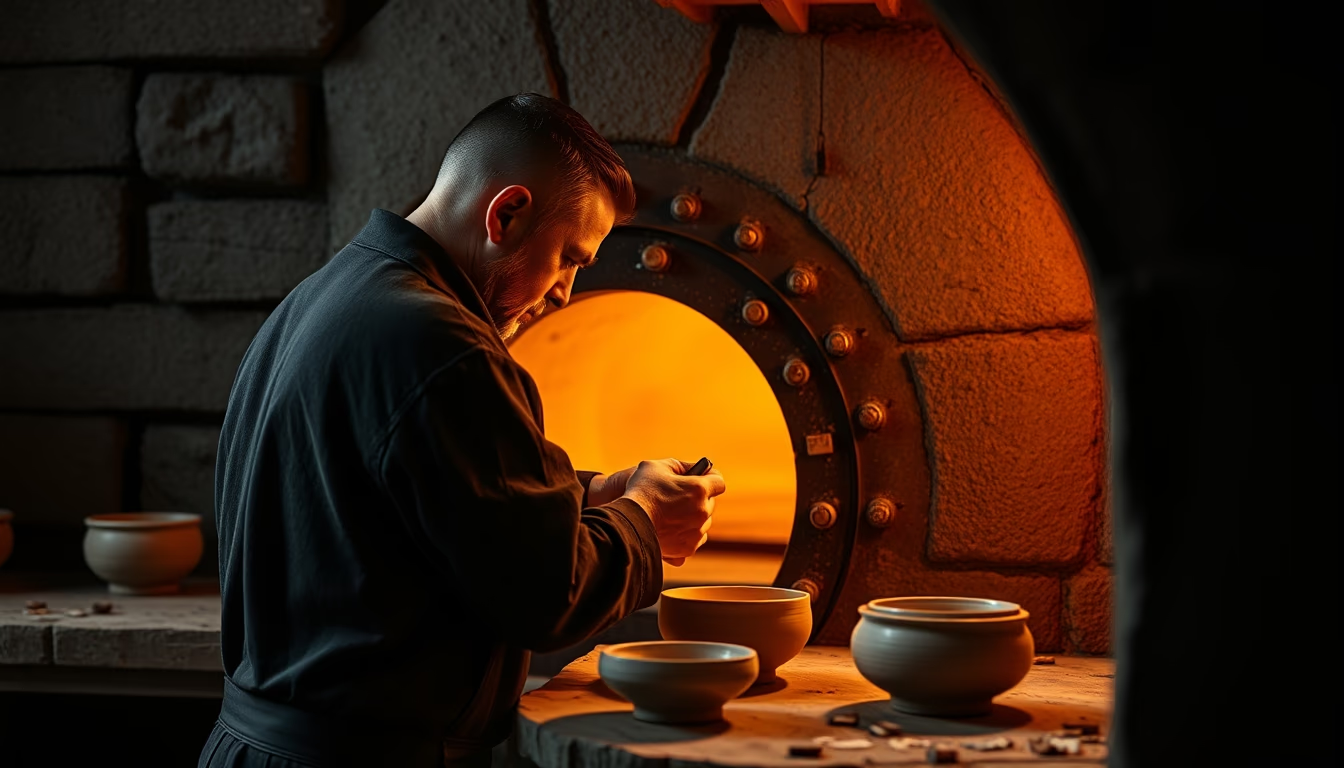
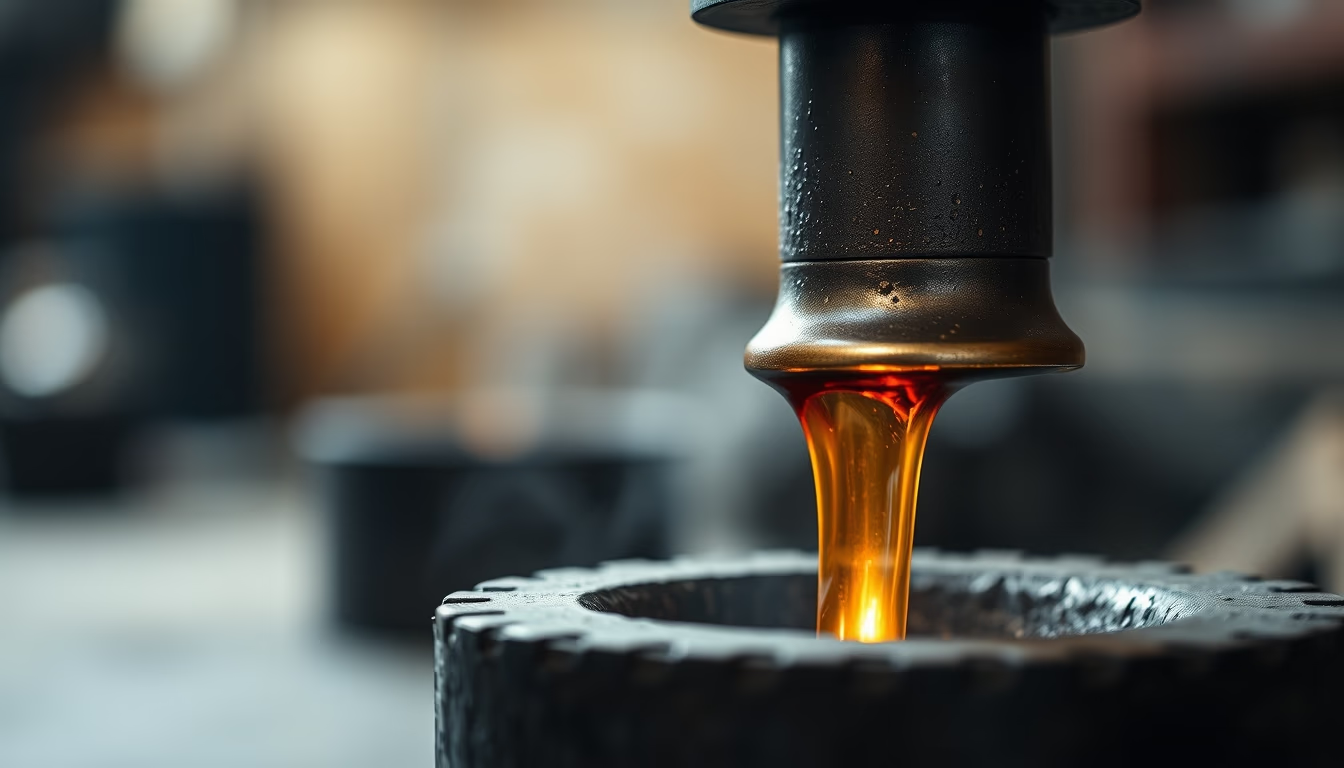
The plaster mold sculpture technique, used since antiquity, allows precise reproduction of three-dimensional forms with low cost and high fidelity.
About this subject
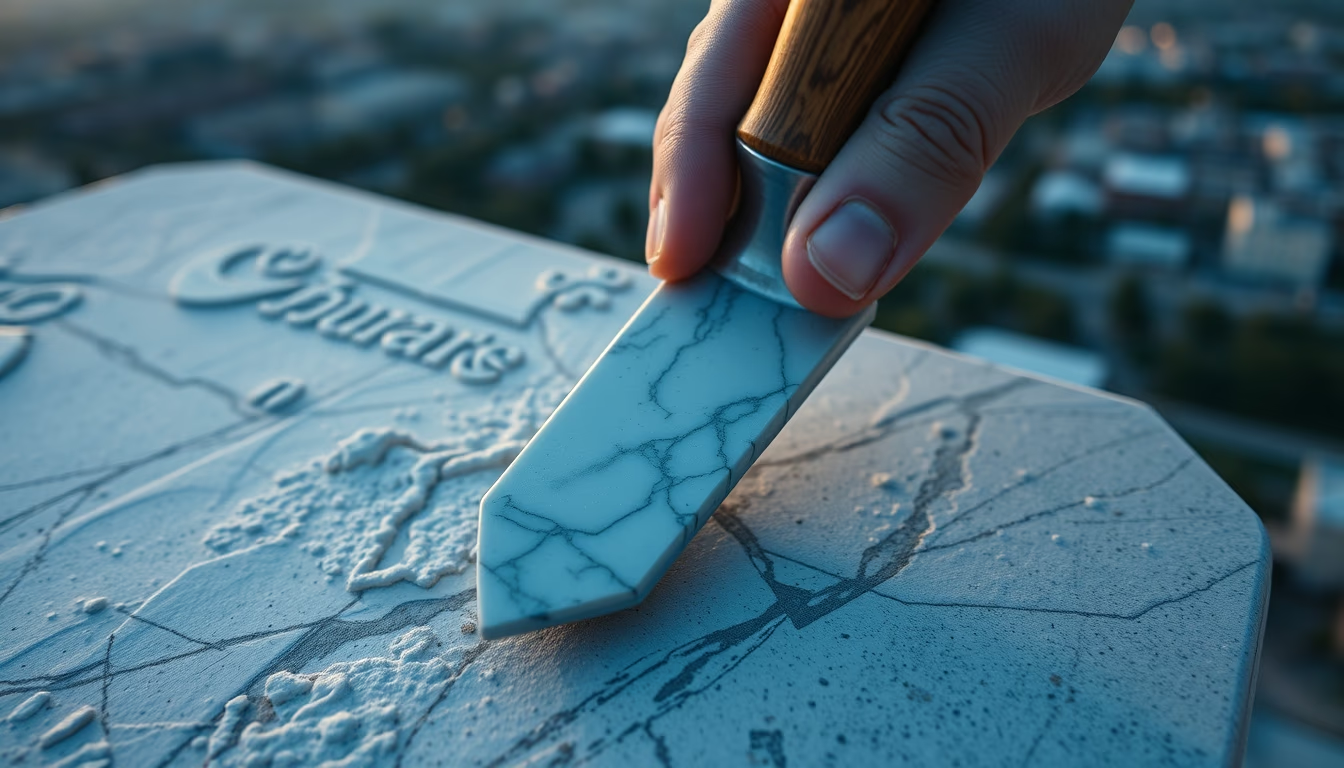
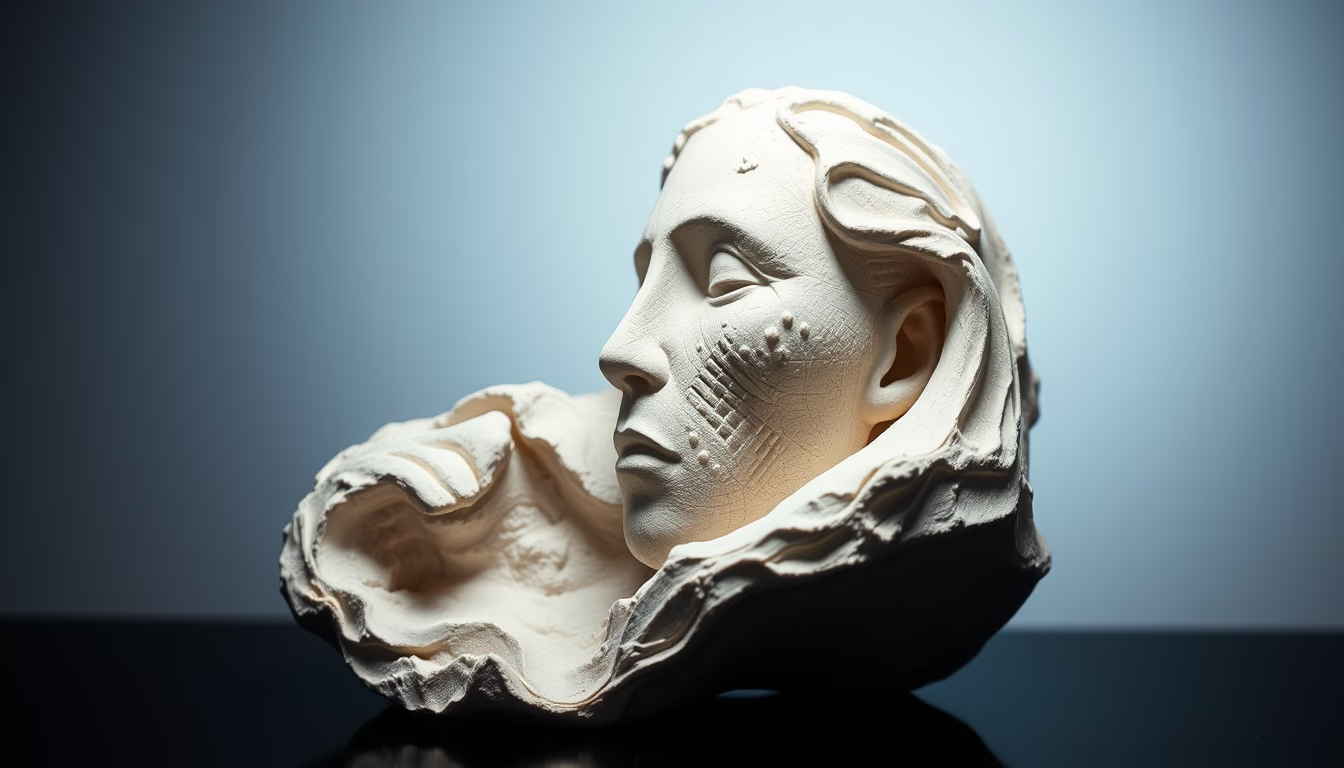
The plaster mold sculpture technique, also known as plaster casting, is a handcrafted process using calcined gypsum (calcium sulfate hemihydrate) to create exact replicas of sculptures, reliefs, or objects. Its origins date back to ancient civilizations such as the Egyptians and Greeks, who used it for death masks and copies of masterpieces. During the Renaissance, artists like Michelangelo and Donatello employed plaster molds to assist in creating their marble or bronze works.
The basic process involves applying a layer of liquid plaster over the original model, typically made of clay, wax, or other materials. After hardening, the mold is removed and can be used to pour fresh plaster or other materials like resin or concrete. There are two main types: lost plaster mold (destroyed after removing the cast) and flexible plaster mold (with added silicone, allowing reuse). The technique's versatility is immense: beyond artistic sculpture, it is used in heritage conservation, dental and medical prosthetics, film industry special effects, and paleontology labs for replicating fossils.
Among curiosities, plaster molds were used to document victims of the Vesuvius eruption in Pompeii, creating the famous casts of charred bodies. In Brazil, the technique was widely used by artists like Aleijadinho and the Jesuit missionaries for producing sacred images. Today, plaster remains a fundamental material in sculpture studios, valued for its fast setting time, low cost, and ability to capture the finest details, from fabric textures to facial expressions.
Frequently Asked Questions
What is a plaster mold in sculpture?
It is a technique using plaster to create a negative matrix of a sculpture or object, allowing duplication in plaster or other materials.
How is a plaster mold made?
First, a layer of liquid plaster is applied over the original model. After drying, the mold is removed and can be filled with fresh plaster to obtain a copy.
What are the main advantages of plaster molds?
Low cost, quick execution, ability to reproduce fine details, and compatibility with various materials such as resin, concrete, and low-melting-point metals.
Direct URL
https://pub-c7d6a6ea828543ac903a74a341ccb2e1.r2.dev/imagens/plaster-mold-sculpture-minimalist-composition-fresh16.avifHow to credit
Include a visible link back to UtilizAí. Copy one of the snippets below:
<a href="https://xn--utiliza-eza.com/en/midia/imagens/plaster-mold-sculpture-minimalist-composition-fresh16">Plaster mold sculpture</a> by <a href="https://xn--utiliza-eza.com">UtilizAí</a>, licensed under <a href="https://creativecommons.org/licenses/by/4.0/">CC BY 4.0</a>.
[Plaster mold sculpture](https://xn--utiliza-eza.com/en/midia/imagens/plaster-mold-sculpture-minimalist-composition-fresh16) by [UtilizAí](https://xn--utiliza-eza.com), CC BY 4.0
License: CC-BY-4.0