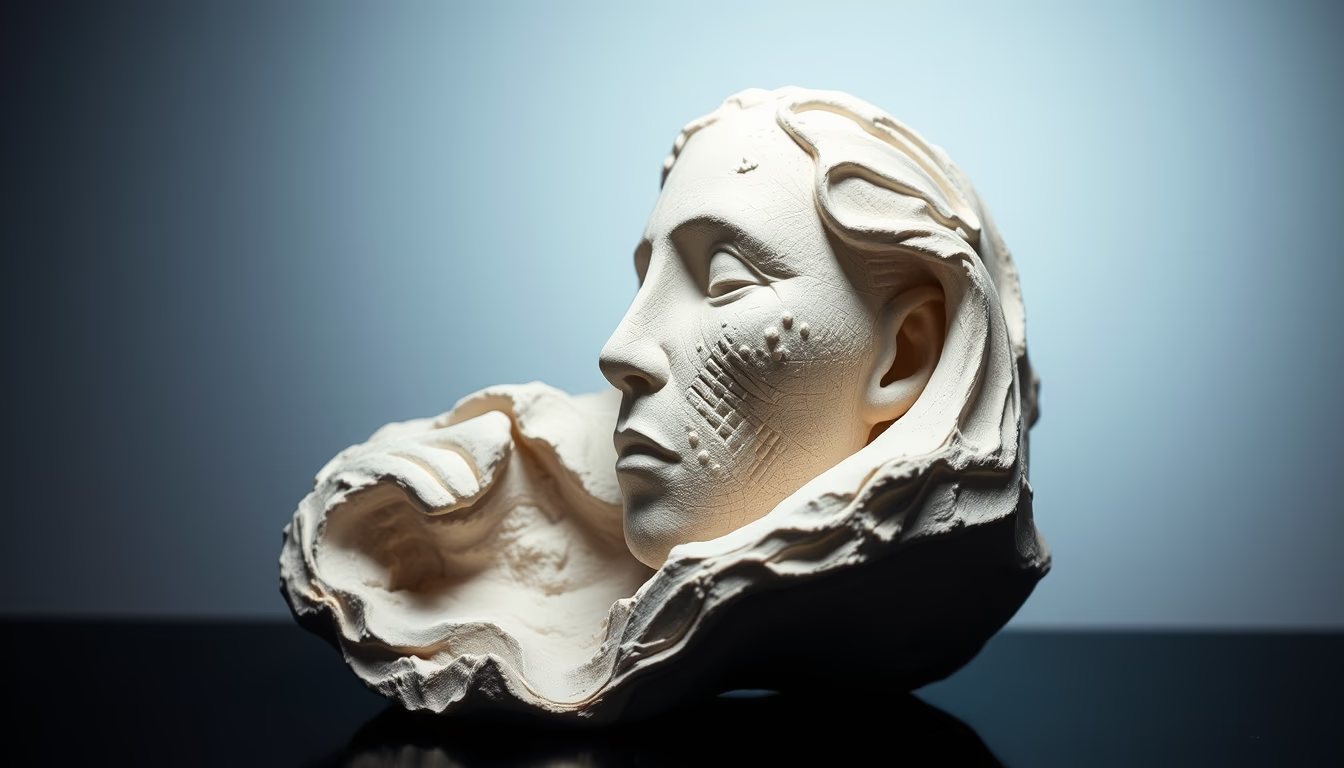
Plaster mold sculpture
1344×768 · AVIF · CC BY 4.0
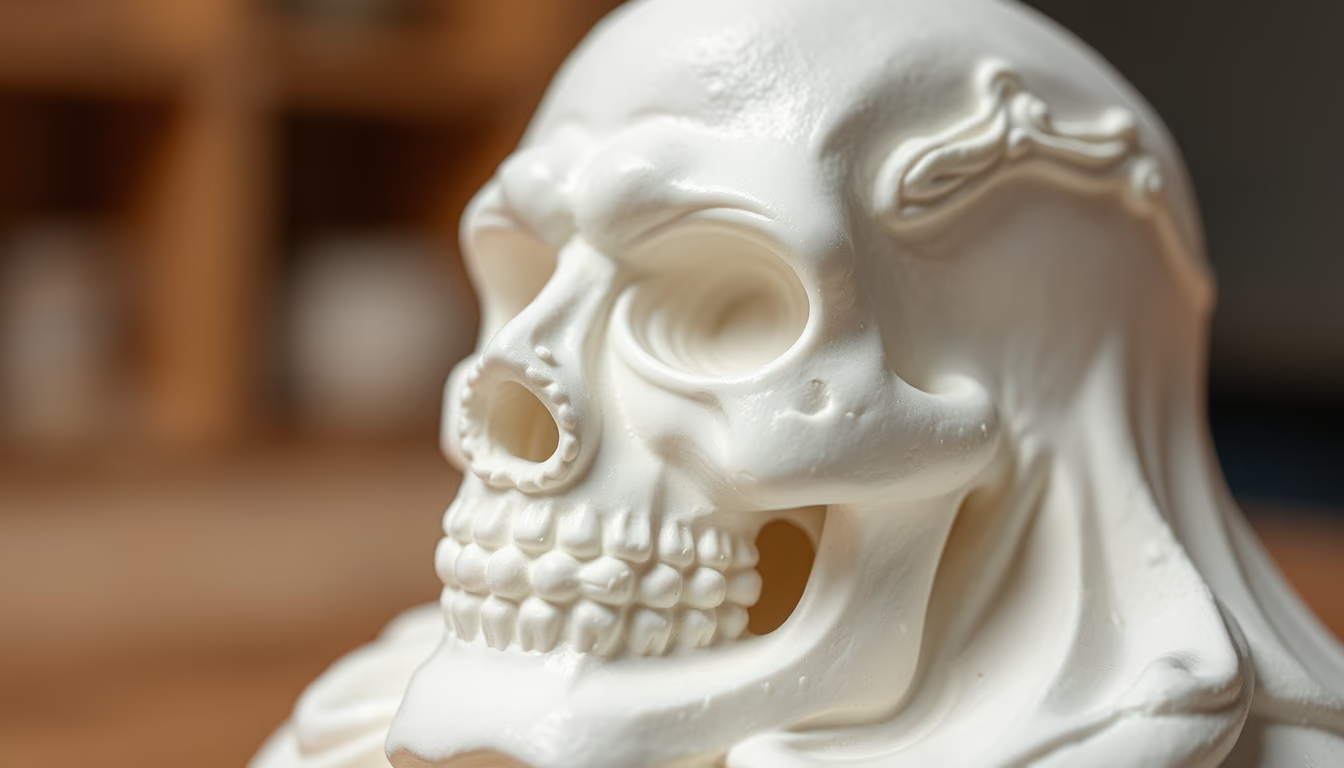
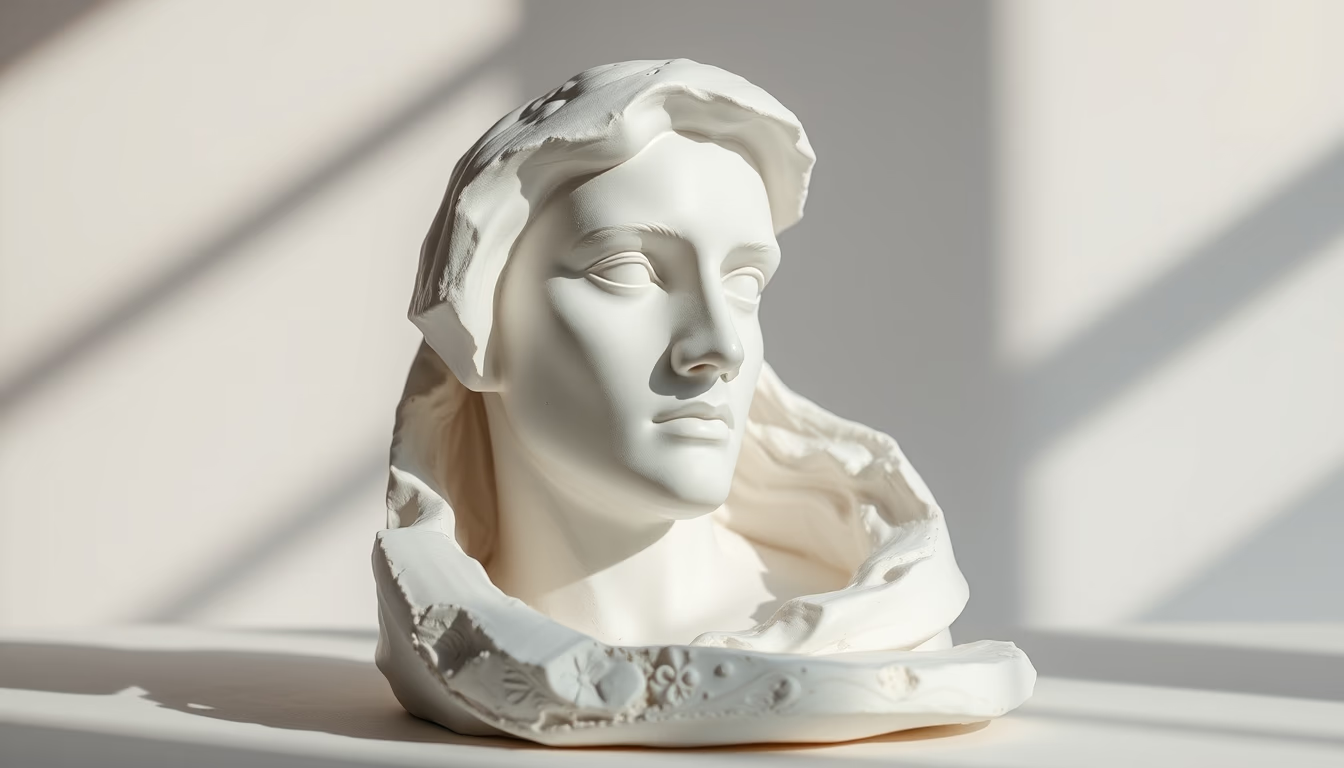
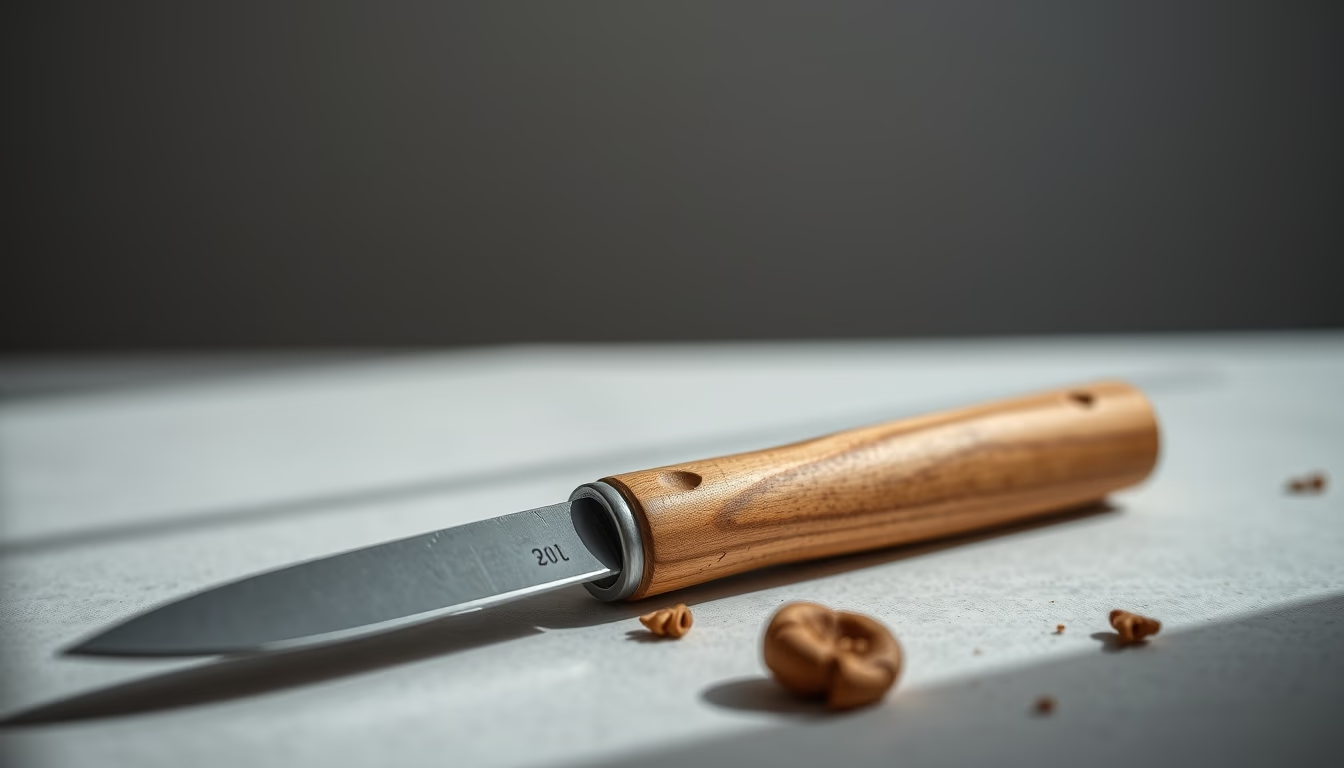
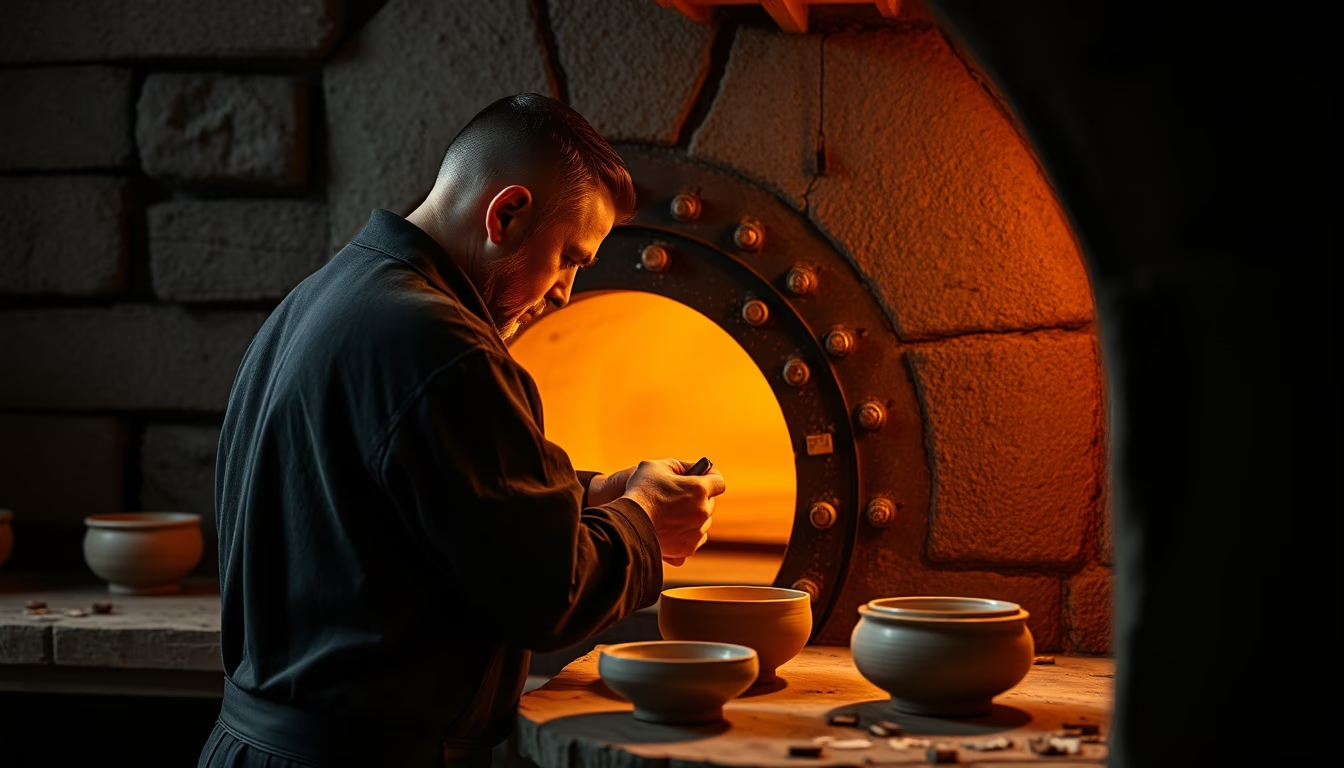
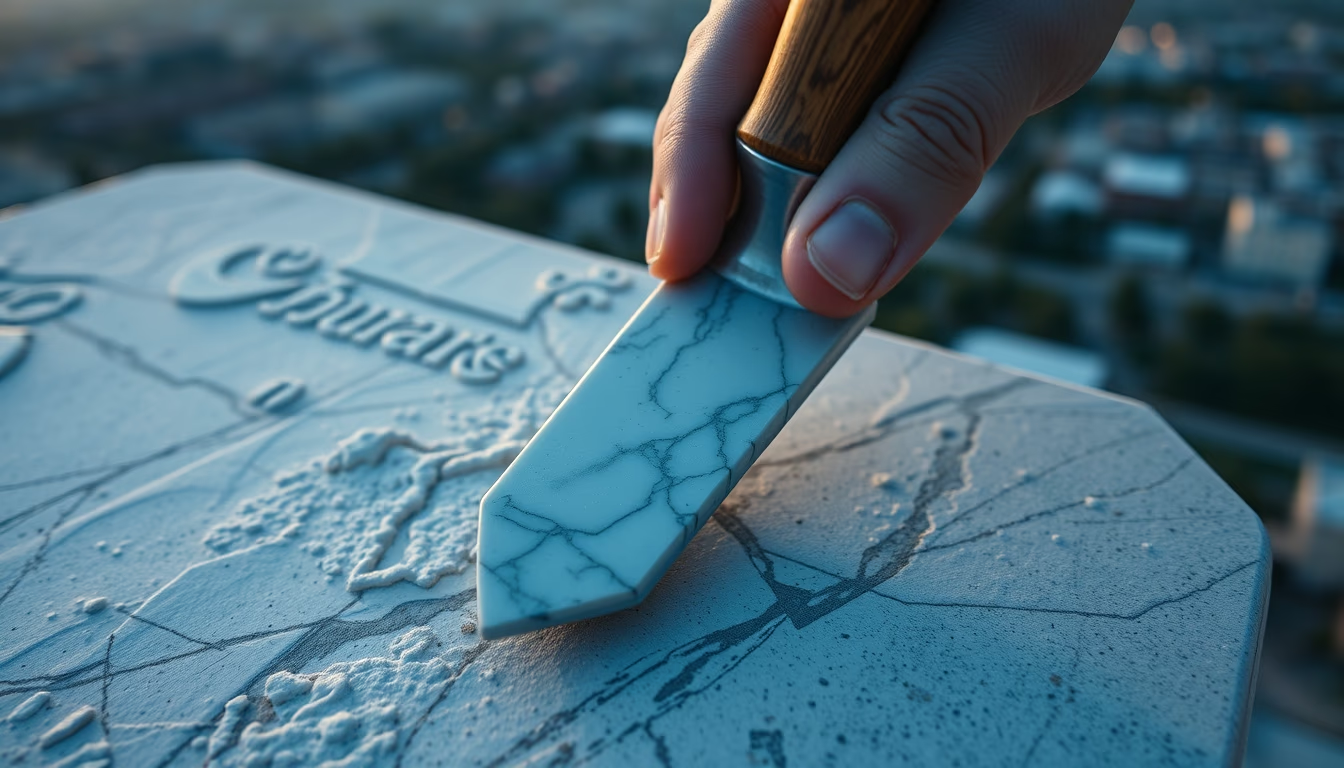
Discover the secrets of plaster mold sculpture, an ancient technique that allows reproducing complex shapes with precision and detail.
About this subject
Plaster mold sculpture is an ancient technique used to create faithful replicas of three-dimensional objects. The process involves making a negative mold from the original model, typically in clay, wax, or another malleable material, and then pouring liquid plaster into that mold. After drying, the mold is removed, revealing an exact copy of the original piece. This technique allows mass production of sculptures, architectural elements, and decorative items.
The history of plaster mold making dates back to ancient civilizations. Egyptians used plaster for death masks and reliefs. In Ancient Greece, sculptors employed plaster molds to reproduce bronze statues. During the Renaissance, artists like Michelangelo and Donatello used plaster molds to study and replicate their works. In the 19th century, the technique became popular for producing copies of classical sculptures for museums and art academies.
Plaster is a versatile and low-cost material but requires careful handling. The mixture of plaster powder with water must be homogeneous and free of air bubbles. Drying time varies depending on thickness and environmental conditions, ranging from 30 minutes to several hours. After drying, the mold can be retouched, painted, or patinated to simulate other materials such as bronze, marble, or wood.
Today, plaster mold technique is widely used in areas like dentistry (dental impressions), medicine (orthopedic casts), architecture (moldings and ornaments), and art (sculptures and installations). Contemporary artists explore the possibilities of plaster combined with other materials, creating works that dialogue between tradition and innovation.
Frequently Asked Questions
What is the difference between plaster molds and silicone molds?
Plaster molds are rigid and cheaper, suitable for pieces with few details or for one-piece molds. Silicone is flexible, captures fine details, and allows easy demolding, but it is more expensive and requires more care.
How long does it take for a plaster mold to dry?
Drying time depends on the mold's thickness and environmental conditions such as temperature and humidity. On average, it takes 30 minutes to 2 hours for surface drying, but it can take up to 24 hours for complete drying of thick pieces.
Is it possible to make plaster molds of human body parts?
Yes, it is common to make molds of body parts such as hands, feet, and face. The process uses modeling plaster or alginate for skin safety. It is a popular technique in art and custom prosthetics.
Direct URL
https://pub-c7d6a6ea828543ac903a74a341ccb2e1.r2.dev/imagens/plaster-mold-sculpture-macro-closeup-fresh15.avifHow to credit
Include a visible link back to UtilizAí. Copy one of the snippets below:
<a href="https://xn--utiliza-eza.com/en/midia/imagens/plaster-mold-sculpture-macro-closeup-fresh15">Plaster mold sculpture</a> by <a href="https://xn--utiliza-eza.com">UtilizAí</a>, licensed under <a href="https://creativecommons.org/licenses/by/4.0/">CC BY 4.0</a>.
[Plaster mold sculpture](https://xn--utiliza-eza.com/en/midia/imagens/plaster-mold-sculpture-macro-closeup-fresh15) by [UtilizAí](https://xn--utiliza-eza.com), CC BY 4.0
License: CC-BY-4.0