Plaster mold sculpture
1344×768 · AVIF · CC BY 4.0
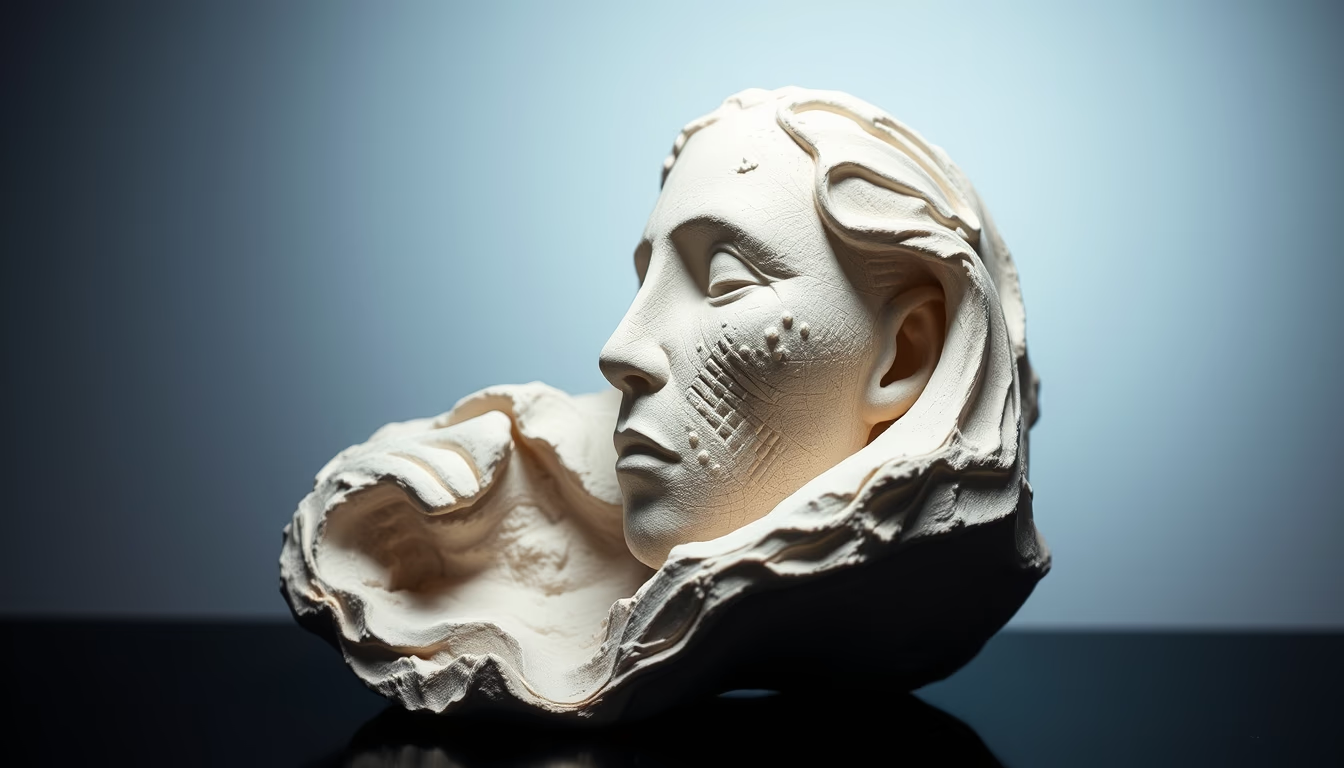
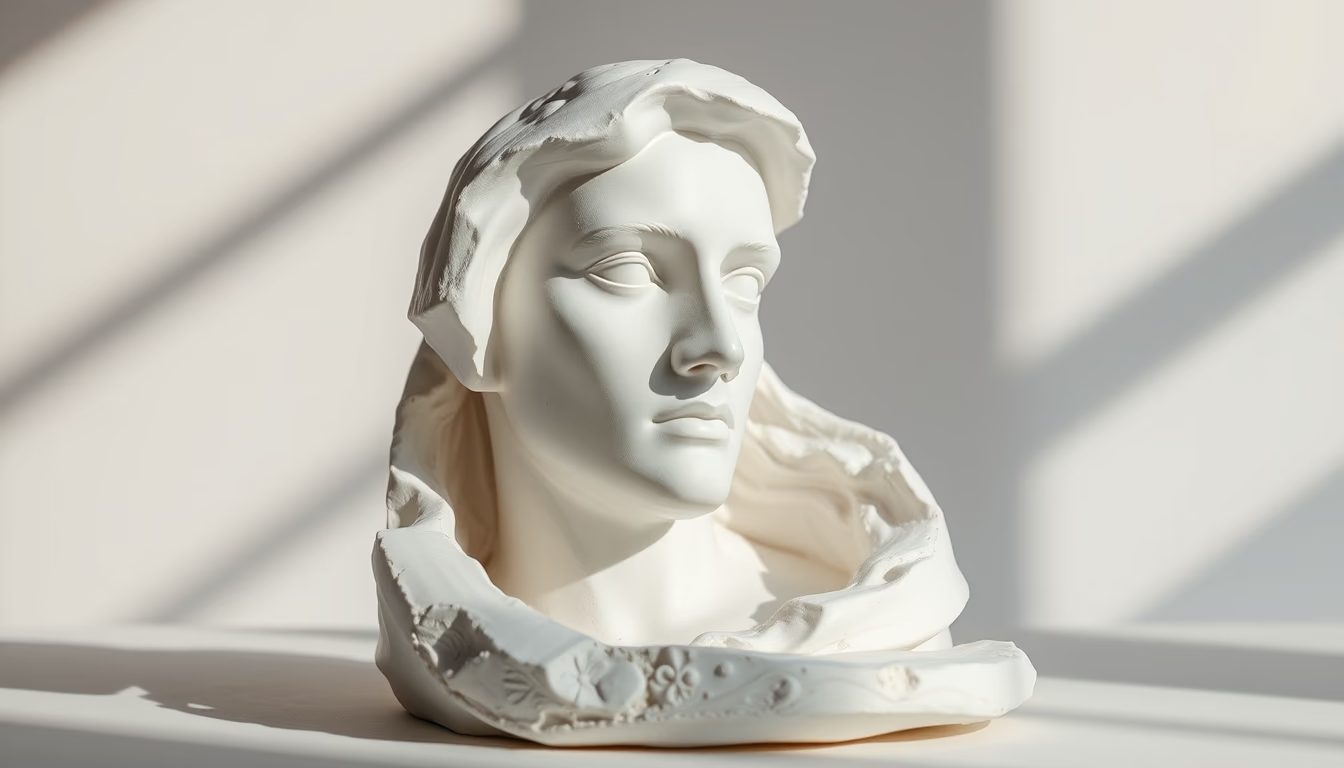
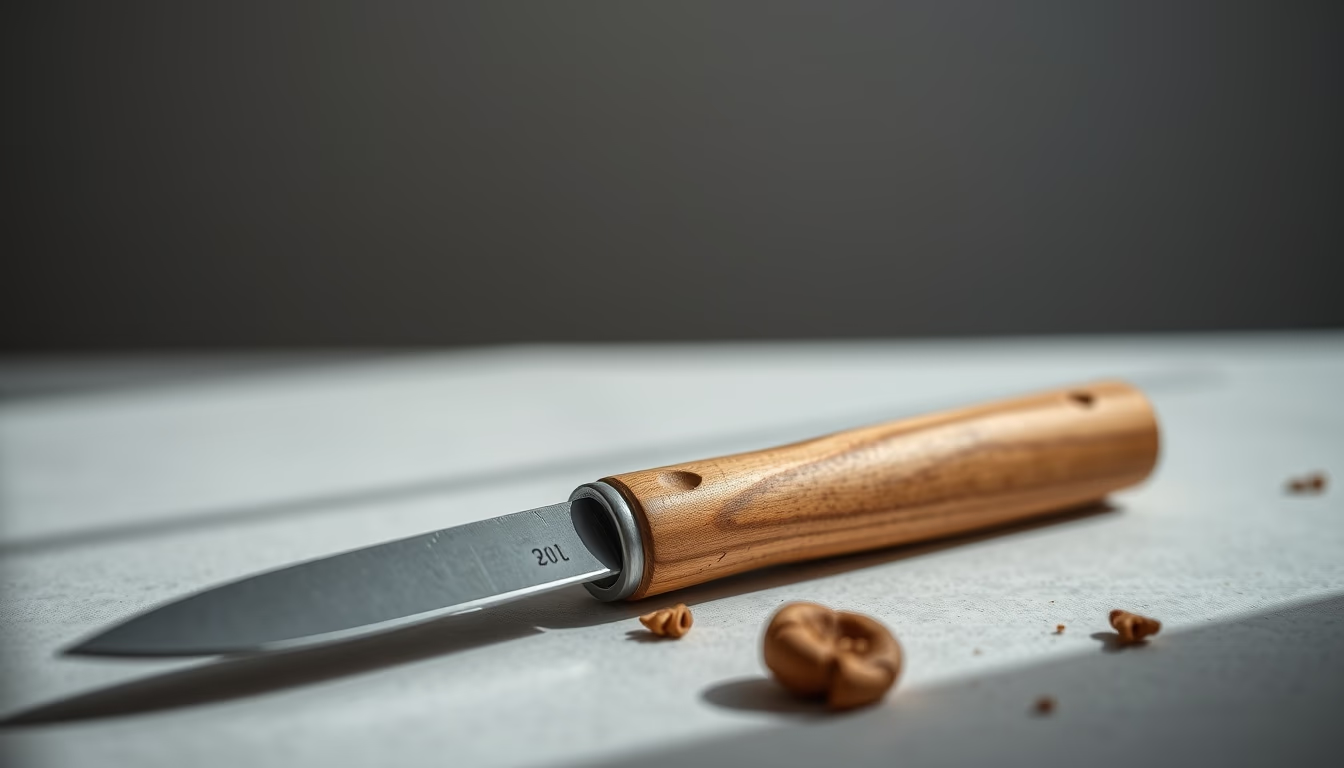
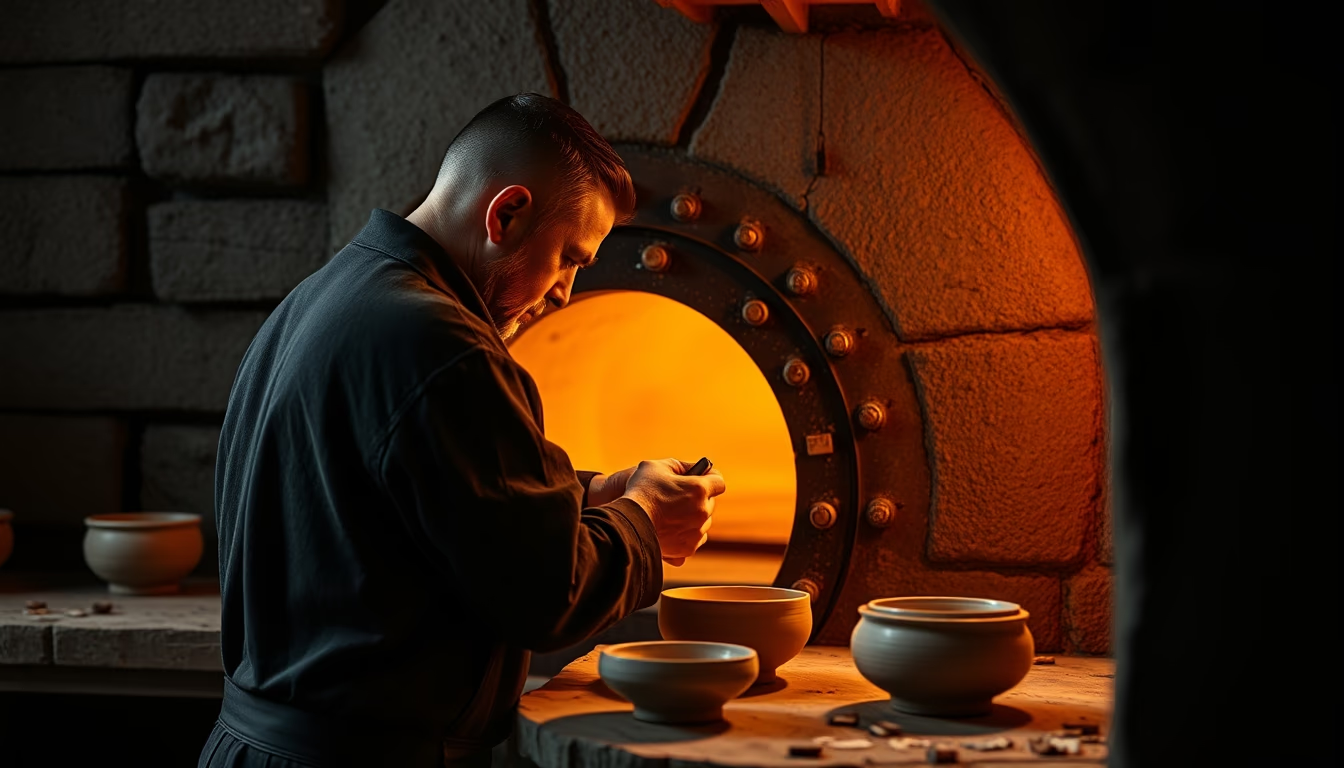
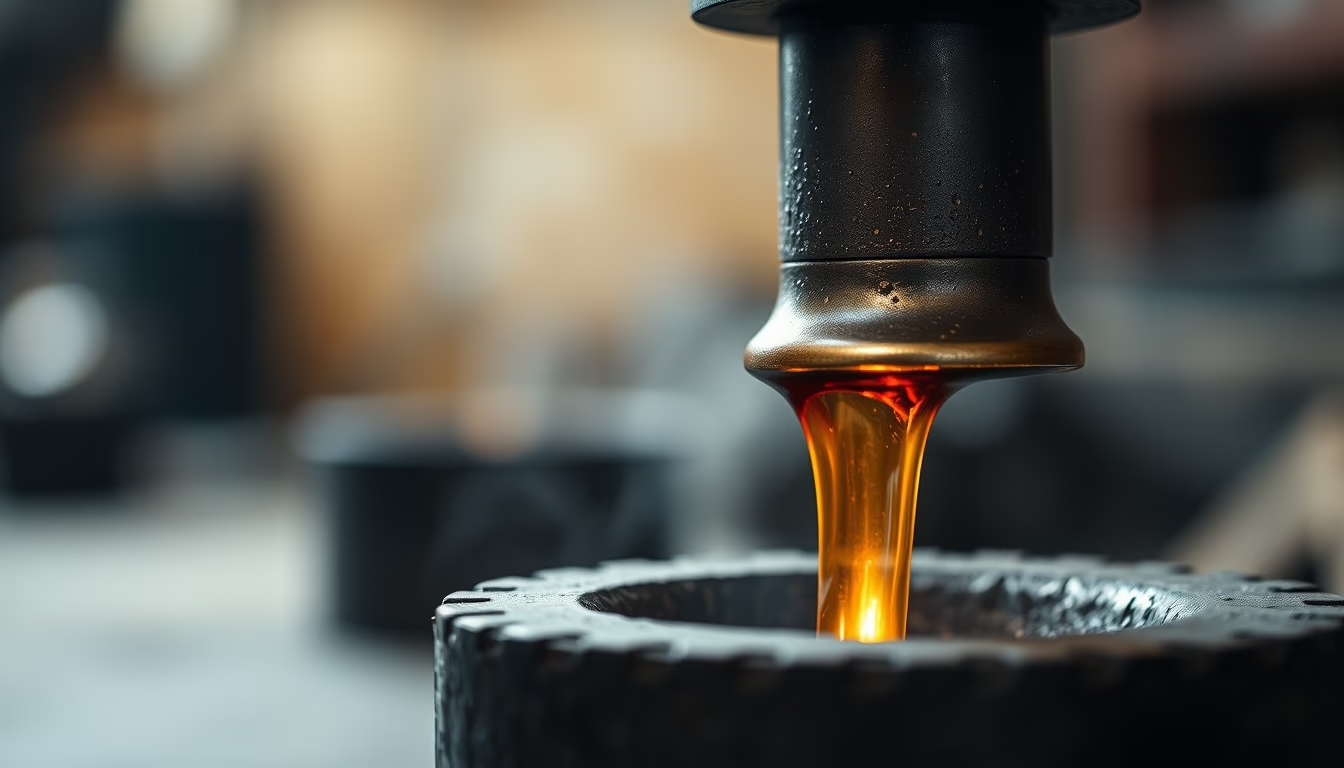
Plaster mold sculpture: an ancient technique combining artistic precision and versatility, used since the Renaissance for reproduction and model making.
About this subject
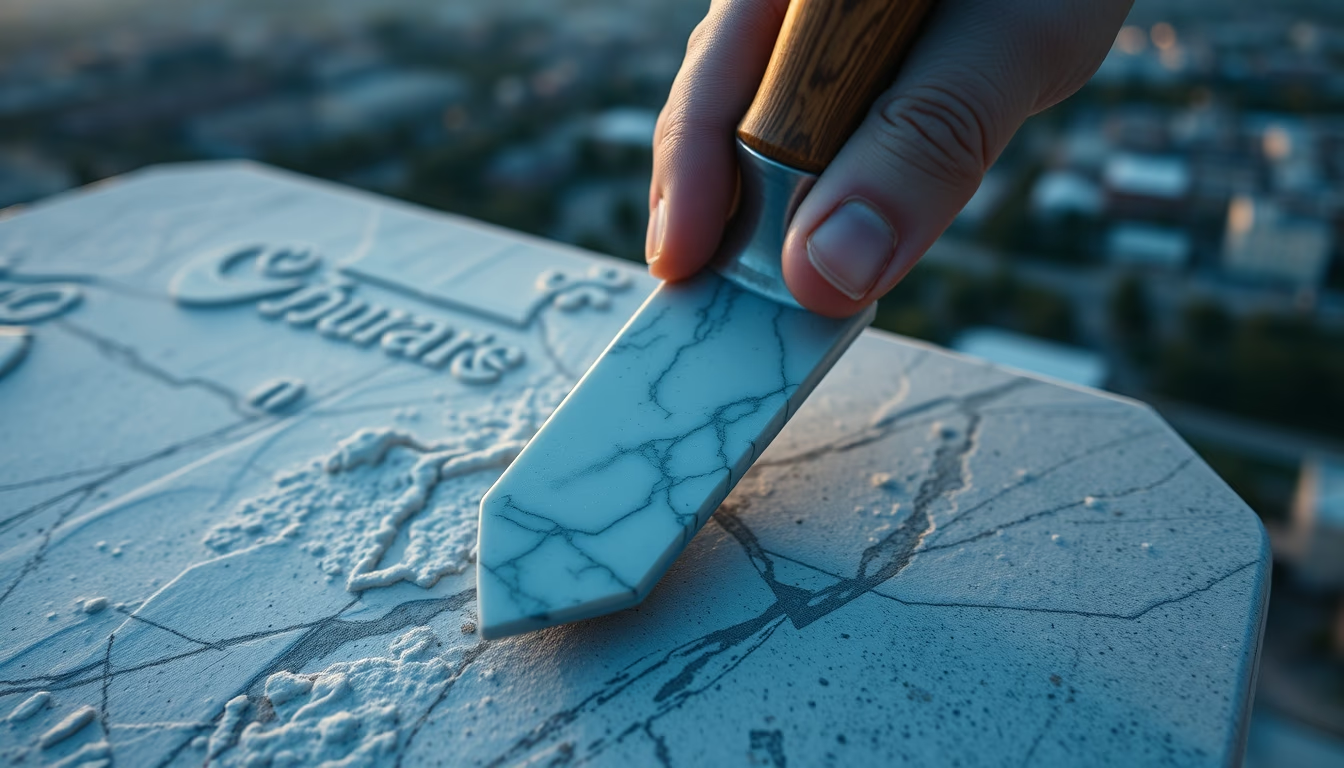
Plaster mold sculpture is an artistic and technical process involving the creation of a negative form from an original object, which is then filled with liquid plaster to produce a positive copy. This method allows faithful reproduction of details and is widely used in sculpture, architecture, and design. The technique involves applying layers of plaster over the original model, often reinforced with fiber or cloth, and after drying, the mold is separated and prepared for casting. Depending on complexity, molds can be single-piece or multi-part.
Historically, plaster molds flourished during the Italian Renaissance. Artists such as Michelangelo and Donatello used molds to study human anatomy and create preparatory models for their marble or bronze works. In the 19th century, the technique became standard in European art academies, where students copied classical sculptures in plaster as learning exercises. These molds were also essential for preserving damaged works, enabling exact replicas.
Beyond art, plaster molds have surprising applications. In dentistry, they create dental models. In paleontology, scientists make molds of fossils for study and display without harming originals. In automotive and aerospace industries, plaster prototypes aid in design. A curiosity is the Musée des Moulages in Paris, which houses a vast collection of plaster replicas of famous sculptures, serving as a reference for artists and historians.
Plaster, being cheap and easy to handle, democratized sculpture. However, its fragility requires care: plaster molds can break easily and are sensitive to humidity. Thus, they are often used as an intermediate step before casting in bronze or other durable materials. The technique has evolved, but plaster molds remain an indispensable tool for sculptors, restorers, and craftsmen.
Frequently Asked Questions
How is a plaster mold made?
First, the original object is coated with a release agent. Then, layers of plaster are applied to form the negative mold. After drying, the mold is removed and filled with liquid plaster, which hardens into a positive copy.
What is the difference between plaster and silicone molds?
Plaster molds are rigid and inexpensive, suitable for simple shapes. Silicone molds are flexible, capture intricate details, and are reusable, but more costly.
Where are plaster molds used besides art?
In construction for ornaments, in medicine for prosthetics, in dentistry for dental models, and in paleontology for fossil preservation.
Direct URL
https://pub-c7d6a6ea828543ac903a74a341ccb2e1.r2.dev/imagens/plaster-mold-sculpture-fine-art-photography-fresh17.avifHow to credit
Include a visible link back to UtilizAí. Copy one of the snippets below:
<a href="https://xn--utiliza-eza.com/en/midia/imagens/plaster-mold-sculpture-fine-art-photography-fresh17">Plaster mold sculpture</a> by <a href="https://xn--utiliza-eza.com">UtilizAí</a>, licensed under <a href="https://creativecommons.org/licenses/by/4.0/">CC BY 4.0</a>.
[Plaster mold sculpture](https://xn--utiliza-eza.com/en/midia/imagens/plaster-mold-sculpture-fine-art-photography-fresh17) by [UtilizAí](https://xn--utiliza-eza.com), CC BY 4.0
License: CC-BY-4.0