Plaster mold sculpture
1344×768 · AVIF · CC BY 4.0

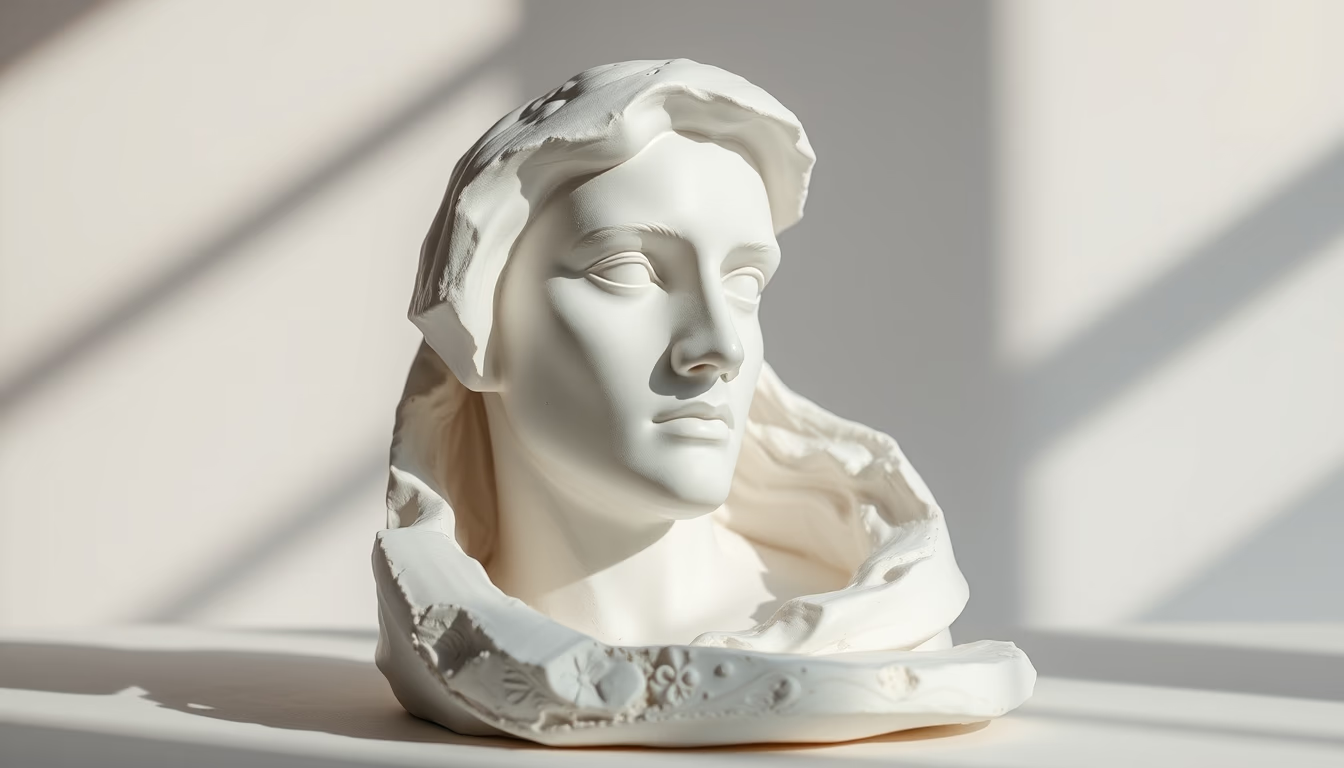
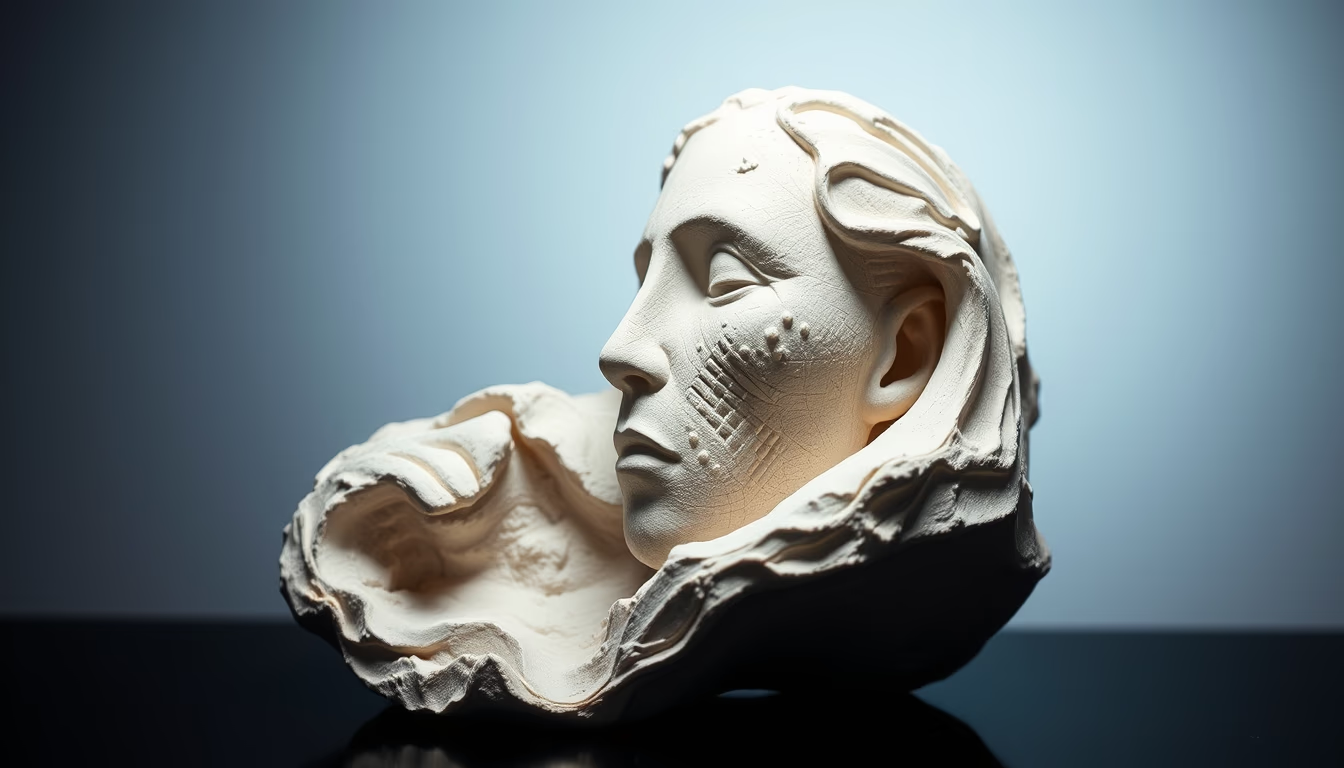
A millennia-old sculpture technique, the plaster mold allows precise reproduction of complex forms, essential in artistic and industrial processes.
About this subject
The plaster mold is a sculptural reproduction technique dating back to antiquity. Civilizations such as the Egyptians and Greeks already used plaster molds to create copies of statues and reliefs, as evidenced by artifacts found in tombs and ruins. During the Renaissance, artists like Michelangelo employed plaster molds to study and reproduce their works, facilitating mass production and the dissemination of classical models.
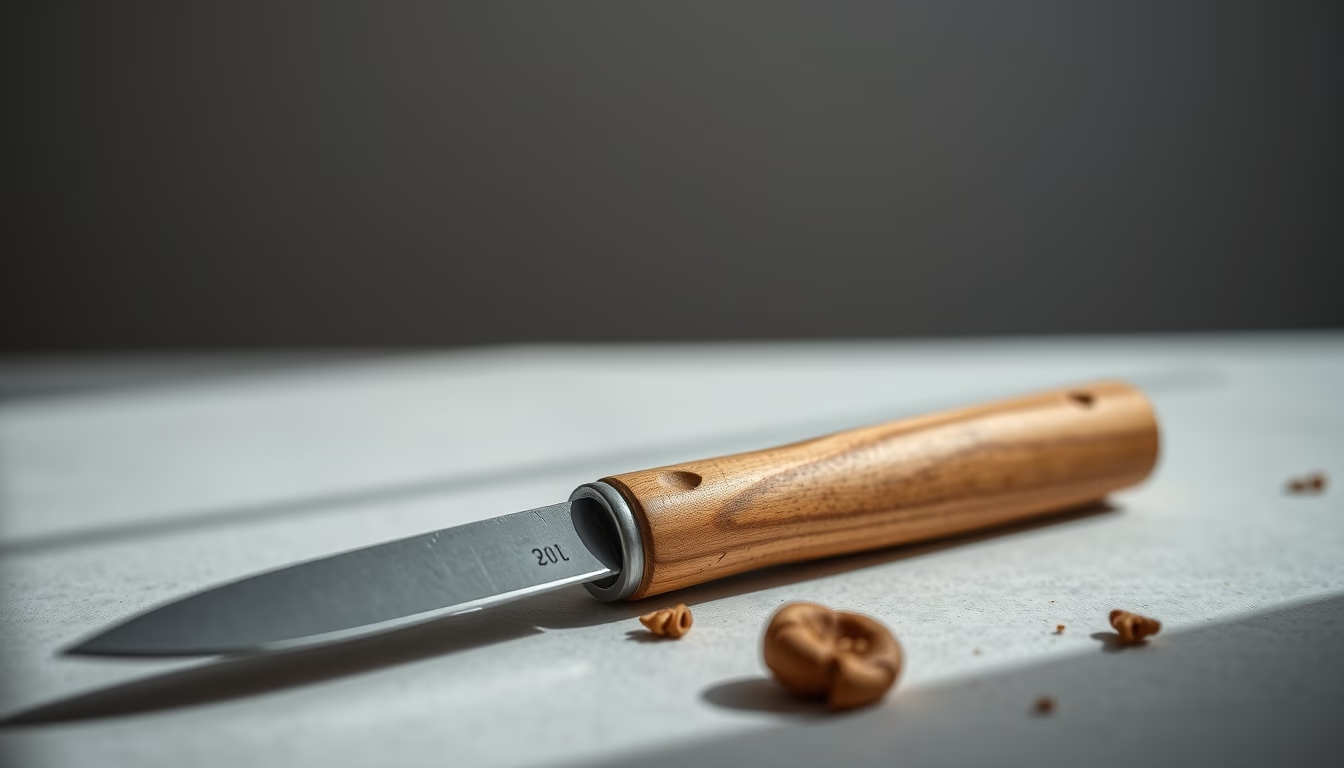
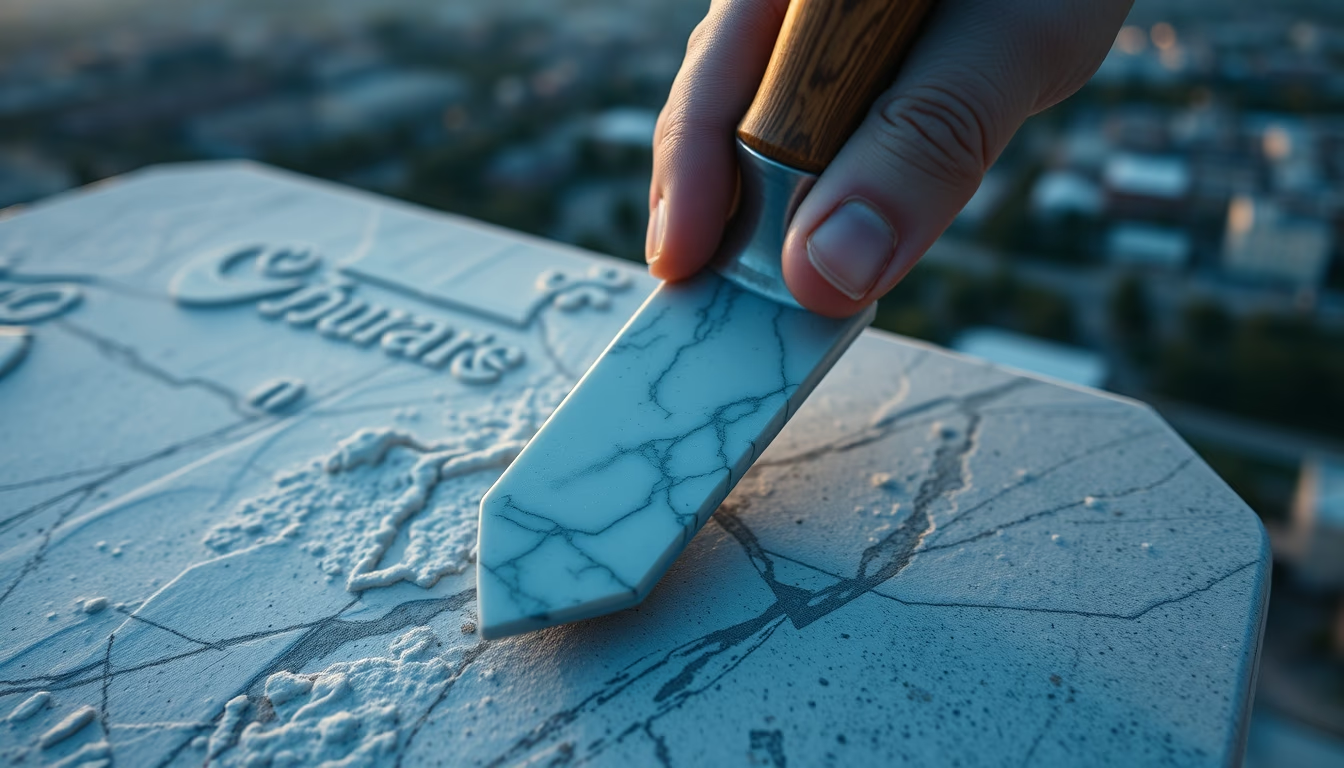
The process of creating a plaster mold begins with an original model, usually sculpted in clay or wax. Plaster is applied in successive layers over it, forming a shell that captures the finest details. After drying, the mold is separated from the model and can be used to cast liquid plaster, yielding an accurate copy. Advanced techniques include multi-part molds for complex shapes, requiring precise fitting and use of release agents to prevent adhesion.
Today, plaster molds are widely used in art restoration, production of museum replicas, and sculpture education. Their versatility ranges from small decorative pieces to large architectural reliefs. Compared to modern materials like silicone and resin, plaster offers low cost and ease of handling, though it is more fragile. Interestingly, the use of plaster as a building material dates back to around 9000 BCE in Anatolia, demonstrating its long history in human civilization.
Frequently Asked Questions
How is a plaster mold for sculpture made?
First model the original piece in clay or wax. Then apply plaster in layers over it to create the mold. After drying, remove the mold and pour liquid plaster to obtain the copy.
What are the advantages of plaster molds?
Low cost, ease of handling, ability to capture fine details. Ideal for limited edition productions and restoration.
Can plaster molds be reused?
Yes, as long as they remain intact. Plaster molds can be used multiple times, but over time they may wear or break.
Direct URL
https://pub-c7d6a6ea828543ac903a74a341ccb2e1.r2.dev/imagens/plaster-mold-sculpture-cinematic-wide-shot-fresh12.avifHow to credit
Include a visible link back to UtilizAí. Copy one of the snippets below:
<a href="https://xn--utiliza-eza.com/en/midia/imagens/plaster-mold-sculpture-cinematic-wide-shot-fresh12">Plaster mold sculpture</a> by <a href="https://xn--utiliza-eza.com">UtilizAí</a>, licensed under <a href="https://creativecommons.org/licenses/by/4.0/">CC BY 4.0</a>.
[Plaster mold sculpture](https://xn--utiliza-eza.com/en/midia/imagens/plaster-mold-sculpture-cinematic-wide-shot-fresh12) by [UtilizAí](https://xn--utiliza-eza.com), CC BY 4.0
License: CC-BY-4.0