Pharmacy compounding lab
1344×768 · AVIF · CC BY 4.0

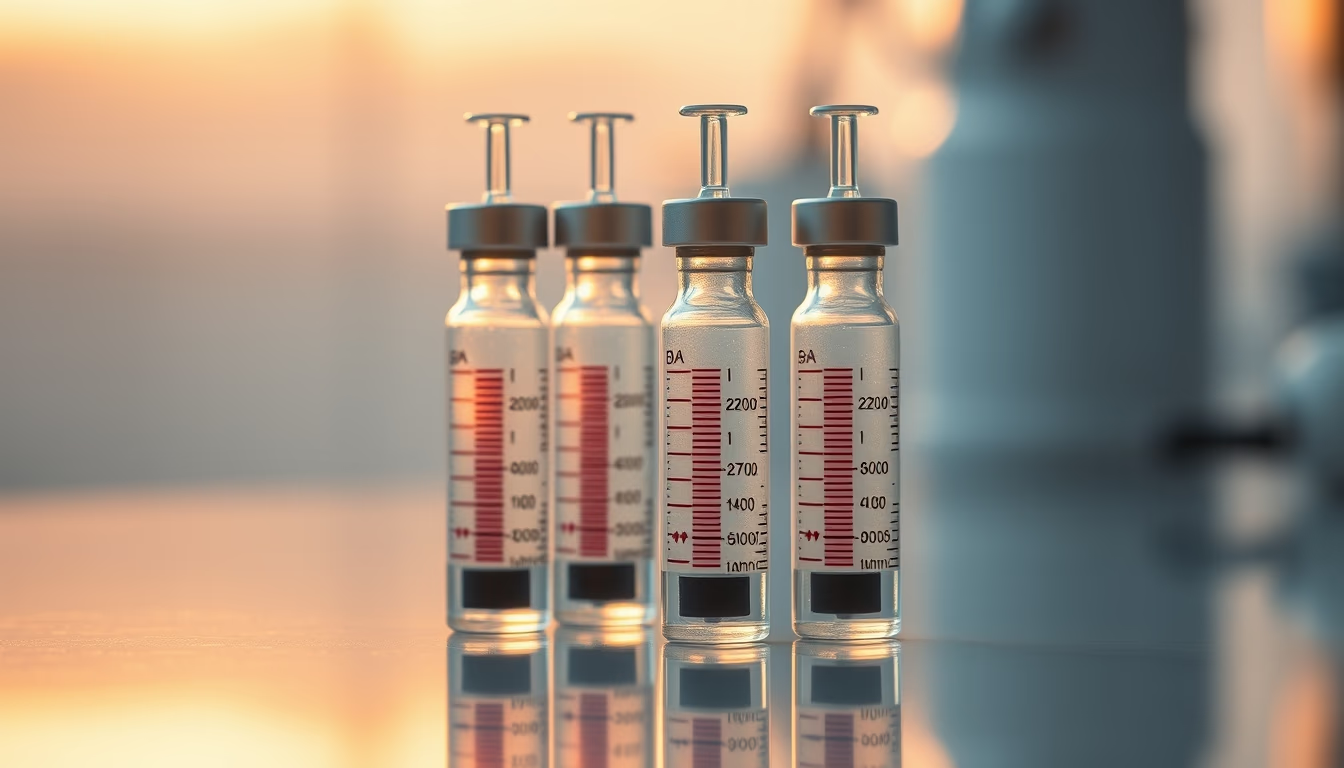
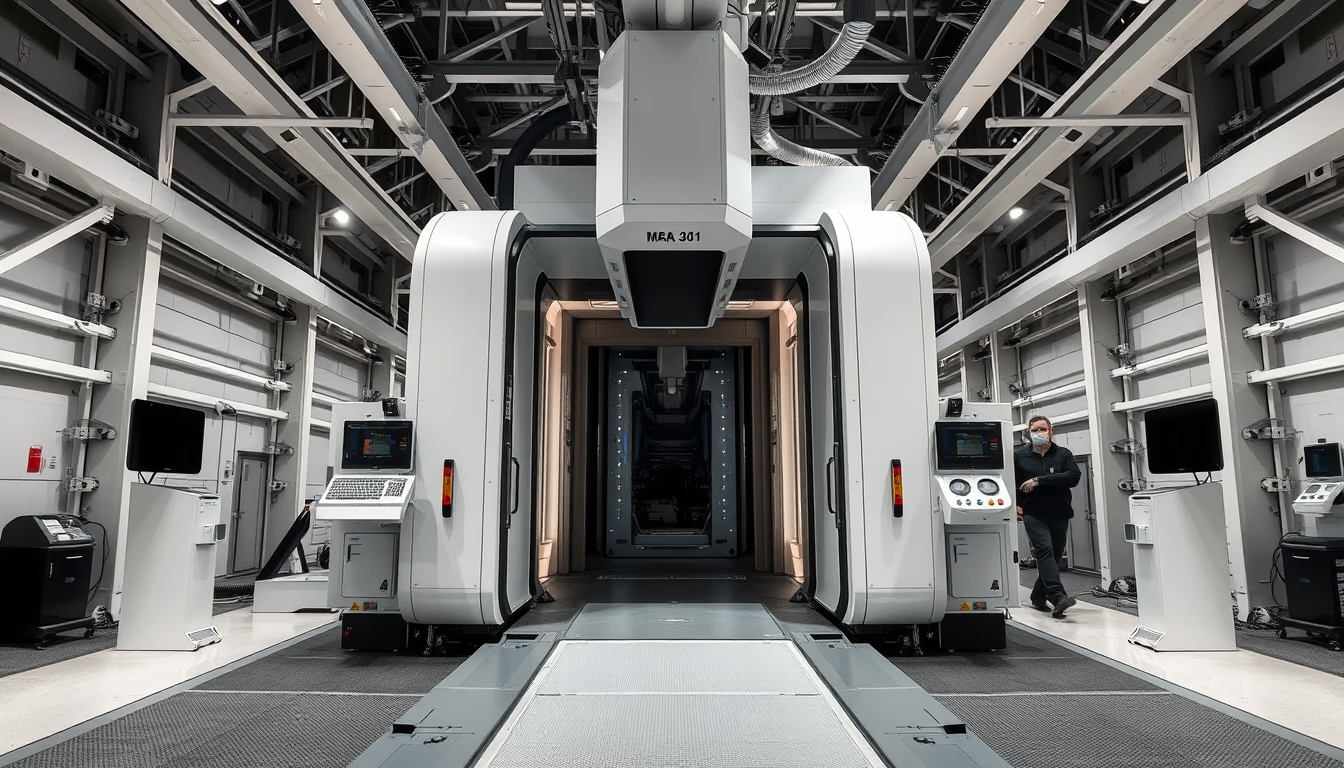
Pharmacy compounding lab where personalized medications are prepared under prescription, ensuring exact dosages and forms tailored to individual patient needs.
About this subject
A pharmacy compounding lab is a specialized facility where pharmacists prepare personalized medications, known as compounded preparations, from raw ingredients. These medications are made under a prescription to meet specific needs not addressed by commercially available drugs, such as dosage adjustments, allergen-free formulations, or alternative dosage forms (capsules, gels, solutions). In the United States, compounding is regulated by state boards of pharmacy and federal agencies like the FDA, with additional oversight for sterile compounding from USP standards.
Compounding plays a vital role in pediatrics, geriatrics, dermatology, and hormone therapy. For infants unable to swallow pills, liquid suspensions with precise doses are compounded. In dermatology, custom creams combining multiple actives are common. During drug shortages, compounding can provide life-saving alternatives. The process requires rigorous quality control: raw materials are verified, calculations double-checked, and finished products tested for potency and sterility.
Facilities must follow good manufacturing practices (GMP) and maintain clean rooms for sterile preparations. Pharmacists use equipment like laminar flow hoods, capsule-filling machines, and analytical balances. Each batch is documented to ensure traceability. The trend toward personalized medicine drives innovation in compounding, including 3D-printed tablets and transdermal gels tailored to individual patient genetics.
Despite benefits, compounding carries risks if not properly performed. Contamination, incorrect dosing, or lack of sterility can lead to adverse events. Therefore, accreditation bodies like PCAB (Pharmacy Compounding Accreditation Board) certify labs that exceed minimum standards. As healthcare evolves, compounding labs remain essential for customized therapy.
Frequently Asked Questions
What is a pharmacy compounding lab?
It is a licensed facility where pharmacists prepare personalized medications (compounds) under a prescription. They tailor dosages, forms, and ingredients to meet specific patient needs not available in commercial drugs.
What are the risks of pharmacy compounding?
Risks include contamination, incorrect dosing, and sterility issues. To mitigate them, labs must follow USP standards, good manufacturing practices, and undergo regular inspections.
How can I ensure a compounding lab is safe?
Look for accreditation by bodies like PCAB, check state licensing, and ask about their quality control procedures. Reputable labs provide batch records and are transparent about their processes.
Direct URL
https://pub-c7d6a6ea828543ac903a74a341ccb2e1.r2.dev/imagens/pharmacy-compounding-lab-film-grain-authentic-p6.avifHow to credit
Include a visible link back to UtilizAí. Copy one of the snippets below:
<a href="https://xn--utiliza-eza.com/en/midia/imagens/pharmacy-compounding-lab-film-grain-authentic-p6">Pharmacy compounding lab</a> by <a href="https://xn--utiliza-eza.com">UtilizAí</a>, licensed under <a href="https://creativecommons.org/licenses/by/4.0/">CC BY 4.0</a>.
[Pharmacy compounding lab](https://xn--utiliza-eza.com/en/midia/imagens/pharmacy-compounding-lab-film-grain-authentic-p6) by [UtilizAí](https://xn--utiliza-eza.com), CC BY 4.0
License: CC-BY-4.0