Pharmaceutical research lab
1344×768 · AVIF · CC BY 4.0
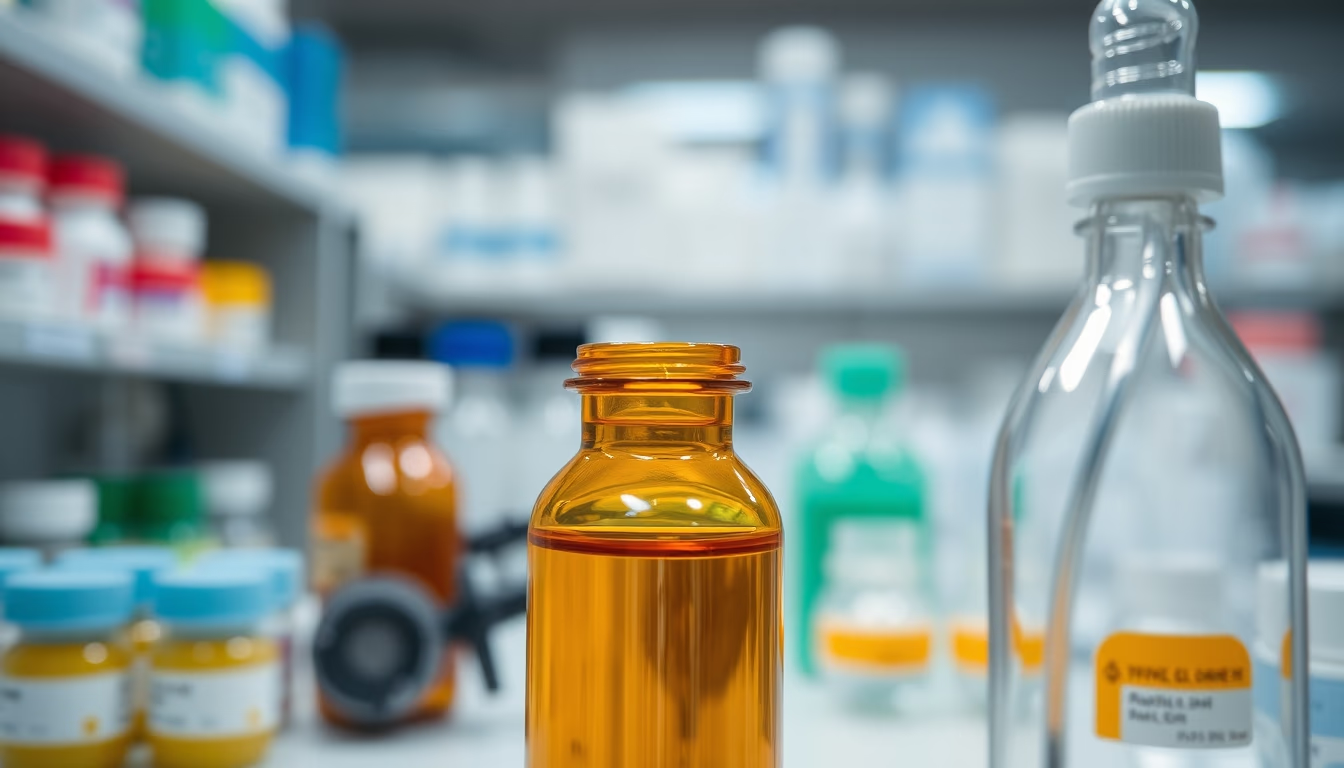
Behind the scenes of drug development: pharmaceutical research labs conduct essential research to create new treatments and improve global health.
About this subject
A pharmaceutical research lab is the heart of health innovation, where multidisciplinary teams work on the discovery, synthesis, and testing of new compounds. Drug development is a long and rigorous process: on average, it takes 10 to 15 years and costs around $2.6 billion. Only 1 in 10,000 compounds reaches the market.
The stages start with basic research, identifying biomarkers and therapeutic targets. Then, candidate compounds are synthesized and subjected to preclinical tests in vitro and in animals. After this phase, human clinical trials begin in three phases. In Brazil, the National Health Surveillance Agency (Anvisa) regulates the entire process, ensuring safety and efficacy.
Cutting-edge equipment is essential: high-performance liquid chromatographs (HPLC), mass spectrometers, and 3D cell culture systems. The lab also uses robots for high-throughput screening, accelerating the discovery of promising molecules. During the COVID-19 pandemic, these labs were crucial in developing vaccines and treatments in record time.
Brazilian pharmaceutical research stands out, with centers like Instituto Butantan and Fiocruz conducting studies on neglected diseases and generic drugs. Collaboration between universities, startups, and large industries drives innovation, reducing import dependence and expanding access to modern therapies.
Frequently Asked Questions
How long does it take to develop a new drug?
On average, the complete development of a new drug takes 10 to 15 years, from basic research to regulatory approval.
What are the main stages of pharmaceutical research?
The stages include target discovery, compound synthesis, preclinical testing (in vitro and in animals), and clinical trials in humans (phases I, II, and III).
Why are pharmaceutical labs important in Brazil?
Labs like Instituto Butantan and Fiocruz are crucial for researching neglected diseases, producing vaccines and generic drugs, and reducing import dependency.
Direct URL
https://pub-c7d6a6ea828543ac903a74a341ccb2e1.r2.dev/imagens/pharmaceutical-research-lab-macro-closeup-p3.avifHow to credit
Include a visible link back to UtilizAí. Copy one of the snippets below:
<a href="https://xn--utiliza-eza.com/en/midia/imagens/pharmaceutical-research-lab-macro-closeup-p3">Pharmaceutical research lab</a> by <a href="https://xn--utiliza-eza.com">UtilizAí</a>, licensed under <a href="https://creativecommons.org/licenses/by/4.0/">CC BY 4.0</a>.
[Pharmaceutical research lab](https://xn--utiliza-eza.com/en/midia/imagens/pharmaceutical-research-lab-macro-closeup-p3) by [UtilizAí](https://xn--utiliza-eza.com), CC BY 4.0
License: CC-BY-4.0