Pharmaceutical research lab
1344×768 · AVIF · CC BY 4.0
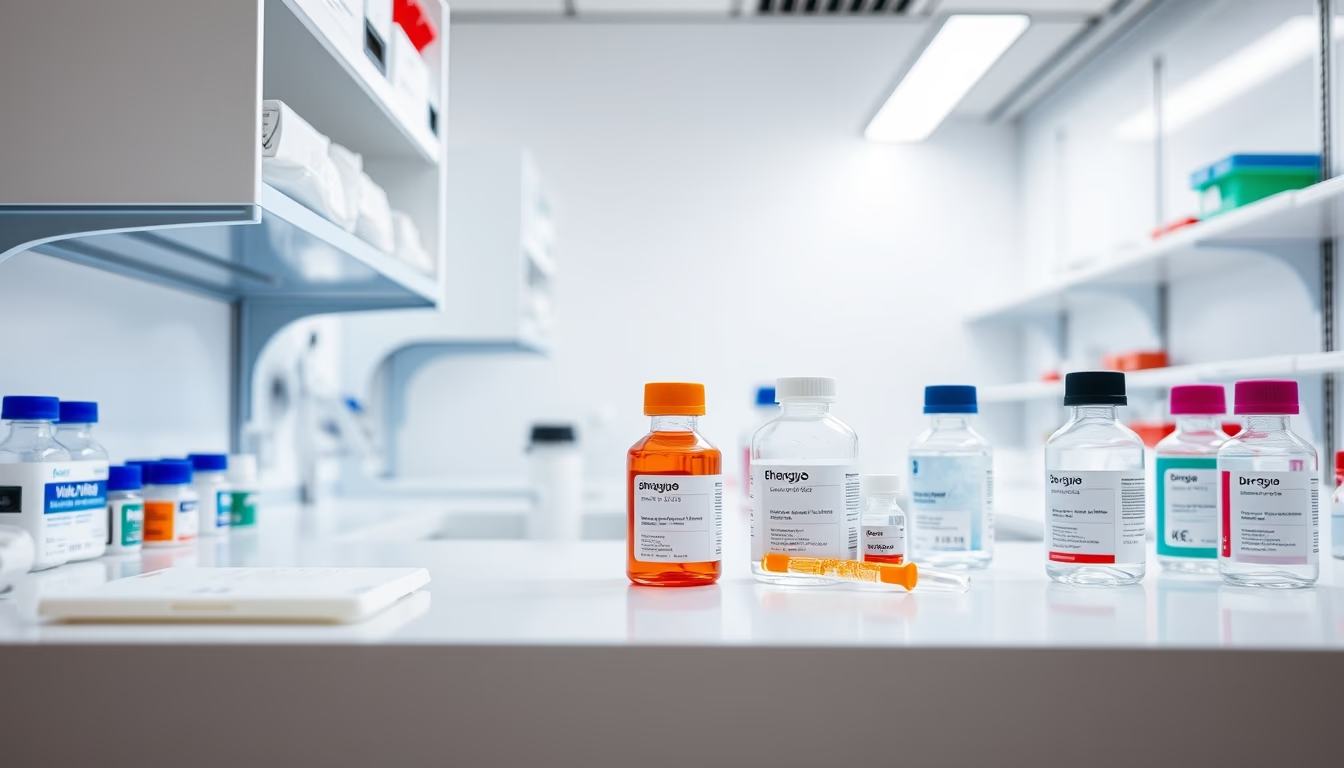
Pharmaceutical research labs develop new drugs through rigorous testing and chemical analysis in a controlled environment.
About this subject
Pharmaceutical research labs are specialized environments where scientists and researchers work on developing new drugs and therapies. These labs follow strict safety and quality standards, such as Good Laboratory Practices (GLP) and regulations from agencies like ANVISA in Brazil or the FDA in the United States. Facilities are equipped with fume hoods, biological safety cabinets, chromatographs, spectrometers, and molecular analysis equipment. The process begins with identifying biological targets, followed by synthesis and screening of thousands of compounds to find promising candidates. After preclinical testing, selected compounds undergo clinical trials in humans, divided into phases that evaluate safety, dosage, and efficacy. In Brazil, pharmaceutical research is regulated by the National Health Surveillance Agency and involves partnerships among universities, research institutes, and industries. Importantly, developing a new drug can take 10 to 15 years and cost billions of dollars, with a high failure rate. Labs also play a critical role in vaccine production, such as COVID-19 vaccines, which required global collaboration and accelerated protocols without compromising safety.
Frequently Asked Questions
What are the main stages of drug development?
Stages include compound discovery and screening, preclinical studies in labs and animals, clinical trials in humans (phases I, II, and III), and regulatory approval. After approval, phase IV pharmacovigilance continues monitoring.
What are Good Laboratory Practices (GLP)?
GLP is a set of principles ensuring the quality, integrity, and reliability of non-clinical safety studies. They include standardized procedures, rigorous documentation, and equipment calibration.
How did the COVID-19 pandemic accelerate pharmaceutical research?
Global collaboration, massive funding, and use of existing technology platforms like mRNA allowed parallel clinical trials. Regulatory agencies issued emergency use authorizations, shortening timelines without skipping safety steps.
Direct URL
https://pub-c7d6a6ea828543ac903a74a341ccb2e1.r2.dev/imagens/pharmaceutical-research-lab-commercial-product-photography-p7.avifHow to credit
Include a visible link back to UtilizAí. Copy one of the snippets below:
<a href="https://xn--utiliza-eza.com/en/midia/imagens/pharmaceutical-research-lab-commercial-product-photography-p7">Pharmaceutical research lab</a> by <a href="https://xn--utiliza-eza.com">UtilizAí</a>, licensed under <a href="https://creativecommons.org/licenses/by/4.0/">CC BY 4.0</a>.
[Pharmaceutical research lab](https://xn--utiliza-eza.com/en/midia/imagens/pharmaceutical-research-lab-commercial-product-photography-p7) by [UtilizAí](https://xn--utiliza-eza.com), CC BY 4.0
License: CC-BY-4.0