Persian rug weaving
1344×768 · AVIF · CC BY 4.0
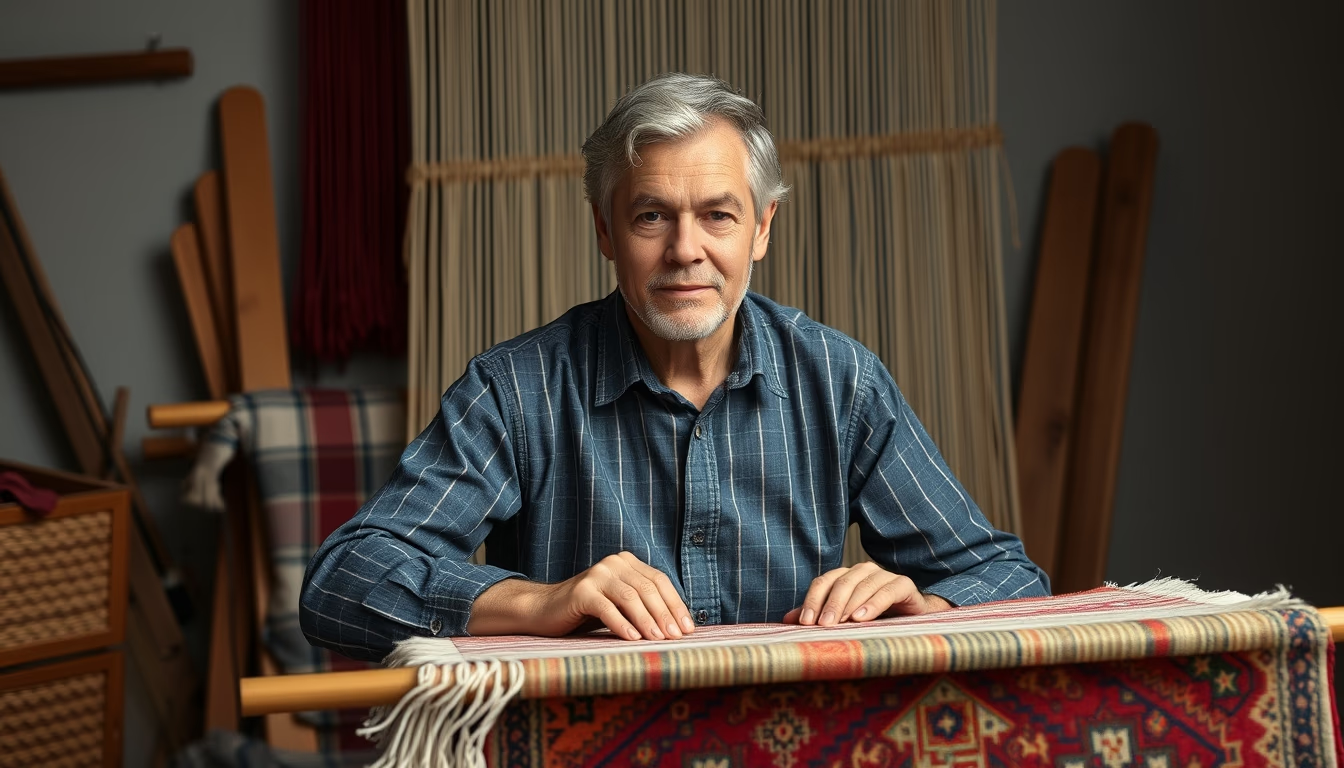
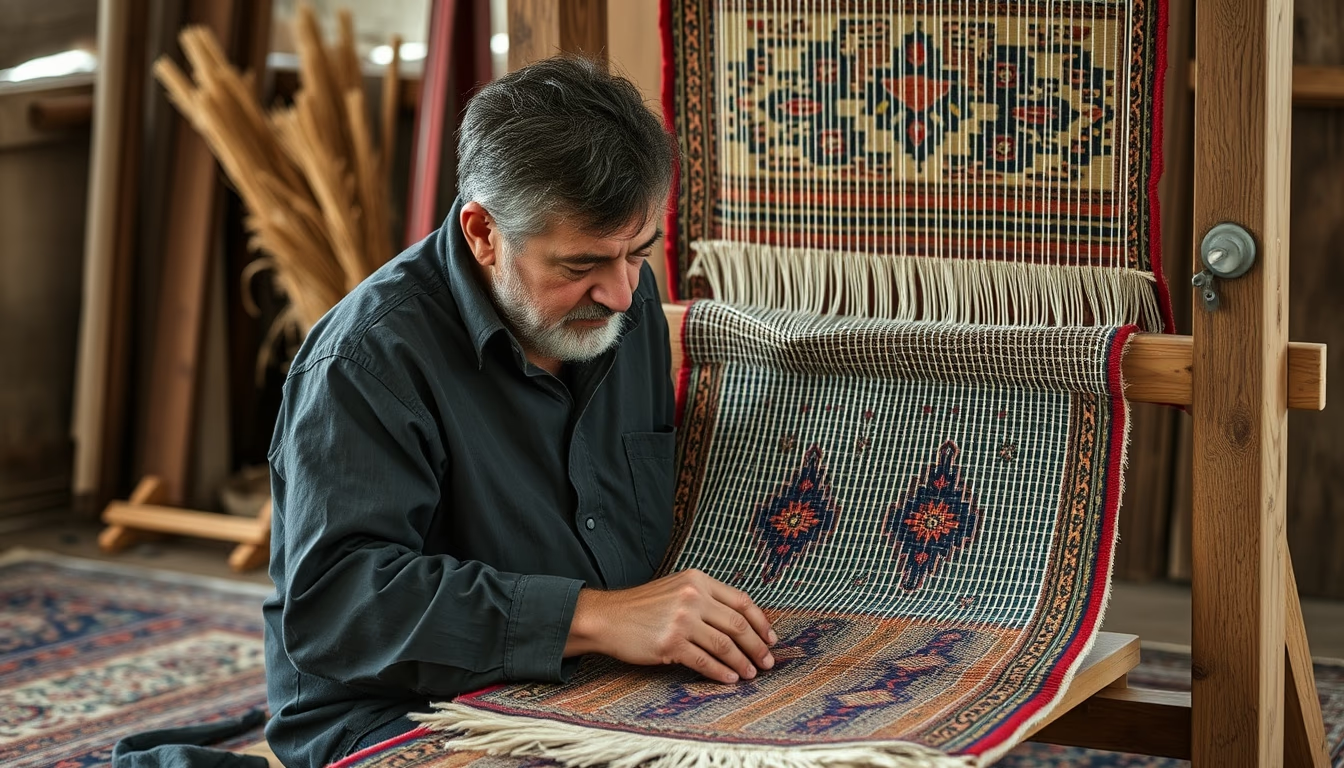
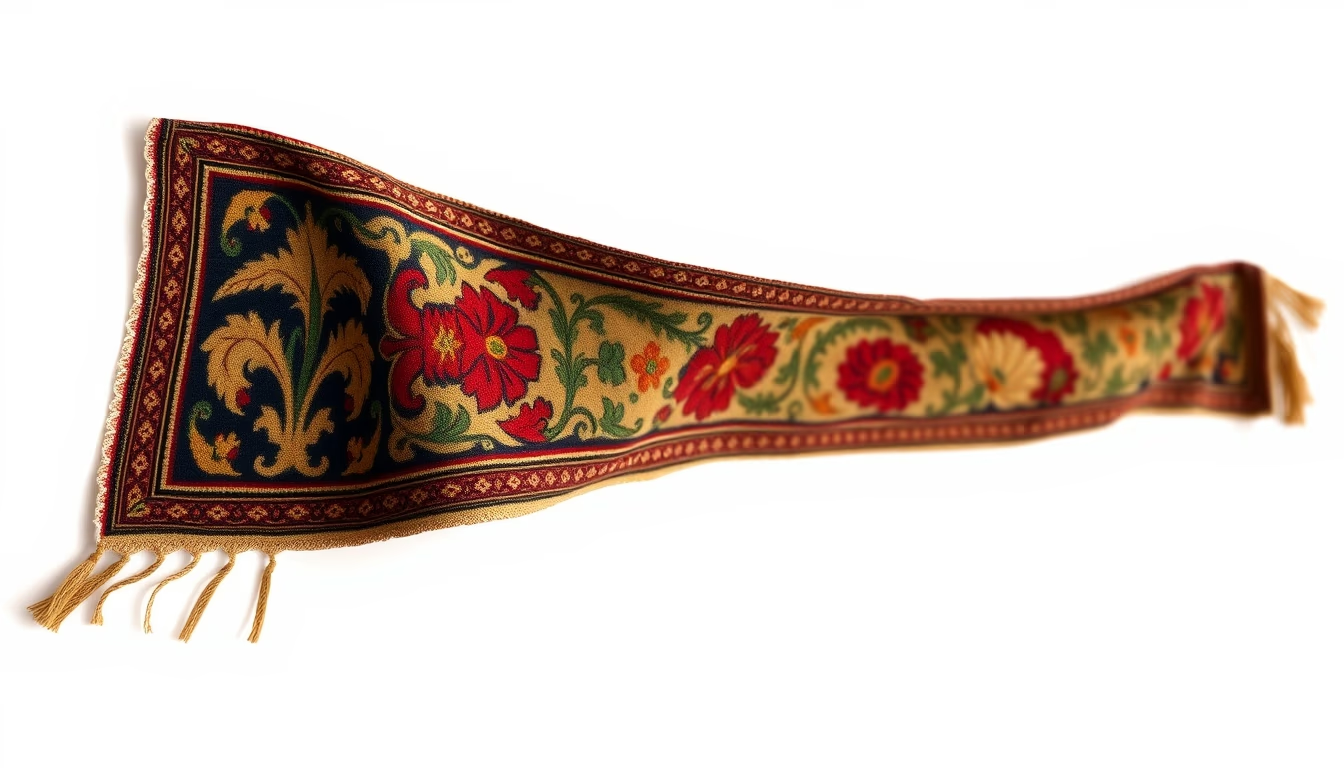
Persian rug weaving is an ancient art form combining ancestral techniques, cultural symbolism, and noble materials such as wool and silk.
About this subject
The tradition of Persian rug weaving dates back over 2,500 years, with archaeological evidence found on the Iranian plateau. These rugs are renowned worldwide for their intricate patterns, vibrant colors, and exceptional durability. Each piece is handcrafted on a vertical or horizontal loom using symmetrical (Turkish) or asymmetrical (Persian) knots, which determine the density and detail of the design. Cities like Tabriz, Isfahan, and Qom are famous for their distinct styles, ranging from floral and geometric motifs to hunting scenes and paradise gardens.
The primary raw material is sheep's wool, dyed with natural colorants extracted from plants, insects, and minerals. Silk is used in luxury pieces to add luster and definition. Natural dyes, such as cochineal for red and indigo for blue, ensure colors that withstand time. The dyeing process is knowledge passed down through generations, often within families of artisans. An average Persian rug takes six months to two years to complete, depending on size and complexity.
Beyond aesthetic value, Persian rugs carry symbolic meanings. Patterns often represent elements of nature, religious beliefs, or protection against the evil eye. The Persian knot, more open, allows for smooth curves and detailed floral designs, while the Turkish knot, tighter, is preferred for geometric shapes. UNESCO recognized the art of rug weaving in Iran as Intangible Cultural Heritage in 2010, highlighting its importance to national identity. Today, Iran is the largest exporter of handmade rugs, though it faces competition from mechanized production and industrial imitations.
Frequently Asked Questions
How long does it take to weave a Persian rug?
It typically takes six months to two years, depending on size, knot density, and pattern complexity. Larger and more detailed rugs may take even longer.
What is the difference between Persian and Turkish knots?
The Persian (asymmetrical) knot allows for smoother curves and intricate floral designs. The Turkish (symmetrical) knot is more robust and suited for geometric patterns. Both are used in Persian rugs, but the Persian knot is more common in Iran.
Do Persian rugs use natural dyes?
Yes, traditionally natural dyes such as cochineal (red), indigo (blue), and saffron (yellow) are used. This ensures long-lasting colors and adds to the rug's authenticity.
Direct URL
https://pub-c7d6a6ea828543ac903a74a341ccb2e1.r2.dev/imagens/persian-rug-weaving-studio-editorial-portrait-fresh11.avifHow to credit
Include a visible link back to UtilizAí. Copy one of the snippets below:
<a href="https://xn--utiliza-eza.com/en/midia/imagens/persian-rug-weaving-studio-editorial-portrait-fresh11">Persian rug weaving</a> by <a href="https://xn--utiliza-eza.com">UtilizAí</a>, licensed under <a href="https://creativecommons.org/licenses/by/4.0/">CC BY 4.0</a>.
[Persian rug weaving](https://xn--utiliza-eza.com/en/midia/imagens/persian-rug-weaving-studio-editorial-portrait-fresh11) by [UtilizAí](https://xn--utiliza-eza.com), CC BY 4.0
License: CC-BY-4.0