Persian rug weaving
1344×768 · AVIF · CC BY 4.0
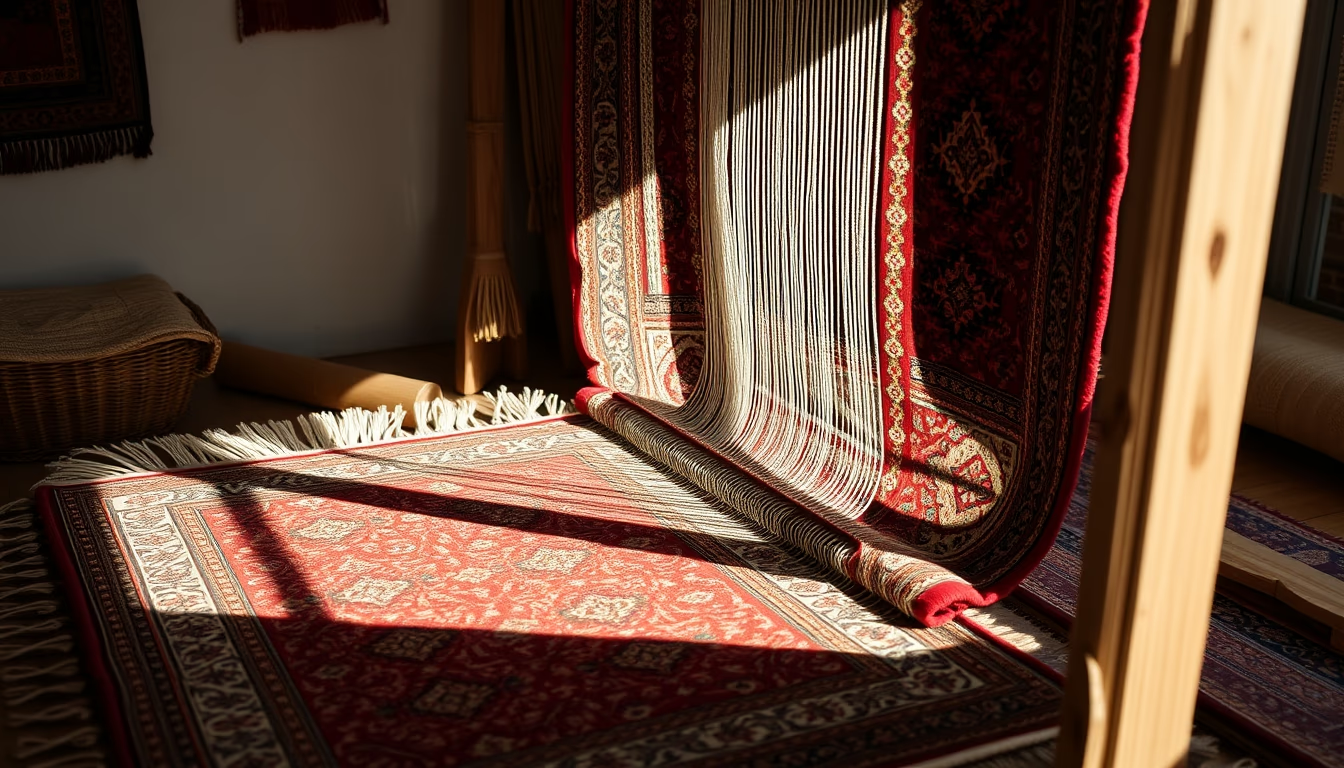
Persian rug weaving is a millennia-old craft recognized by UNESCO as an Intangible Cultural Heritage of Humanity.
About this subject
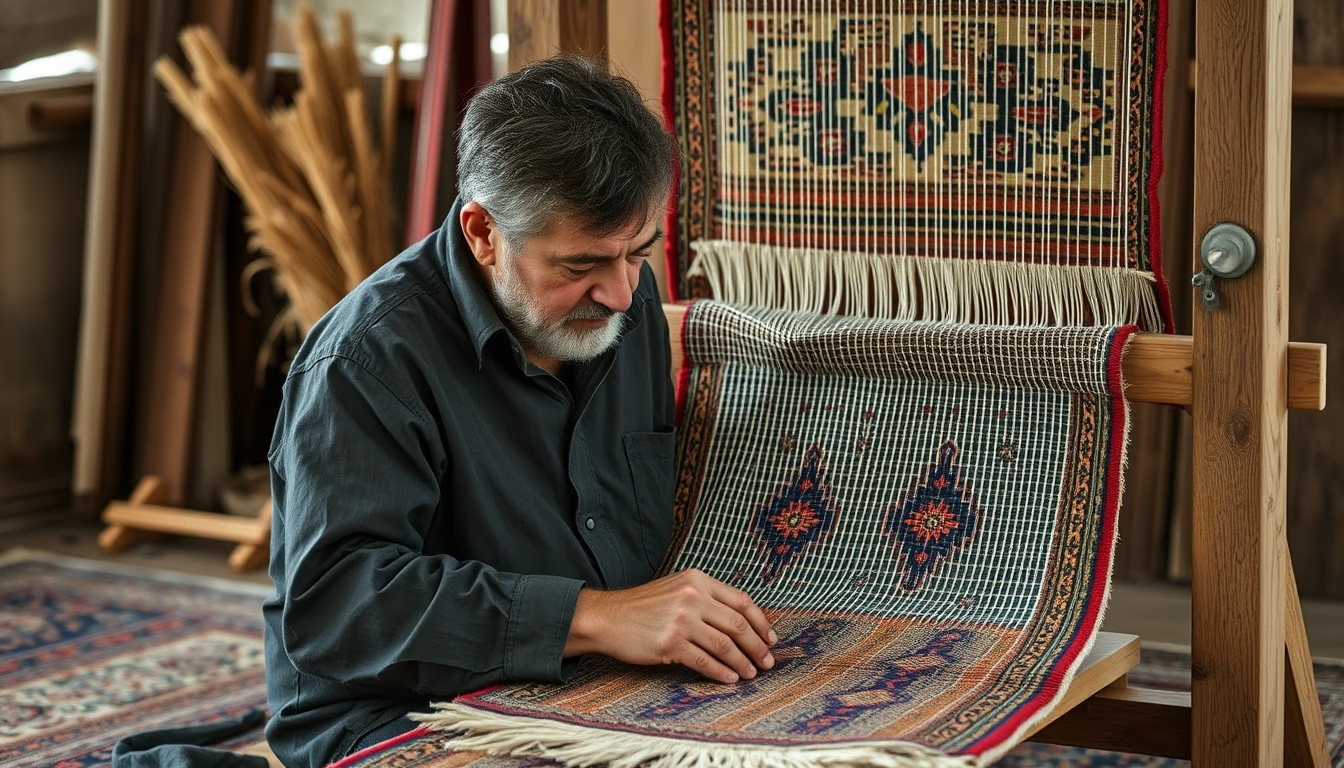
Persian rug weaving dates back over 2,500 years, originating among nomadic tribes of ancient Persia. Using local sheep wool, cotton, and silk, Persian artisans create pieces that blend utility with artistry. Each rug is hand-woven on a loom, often taking months or years to complete depending on the complexity of patterns and knot density.
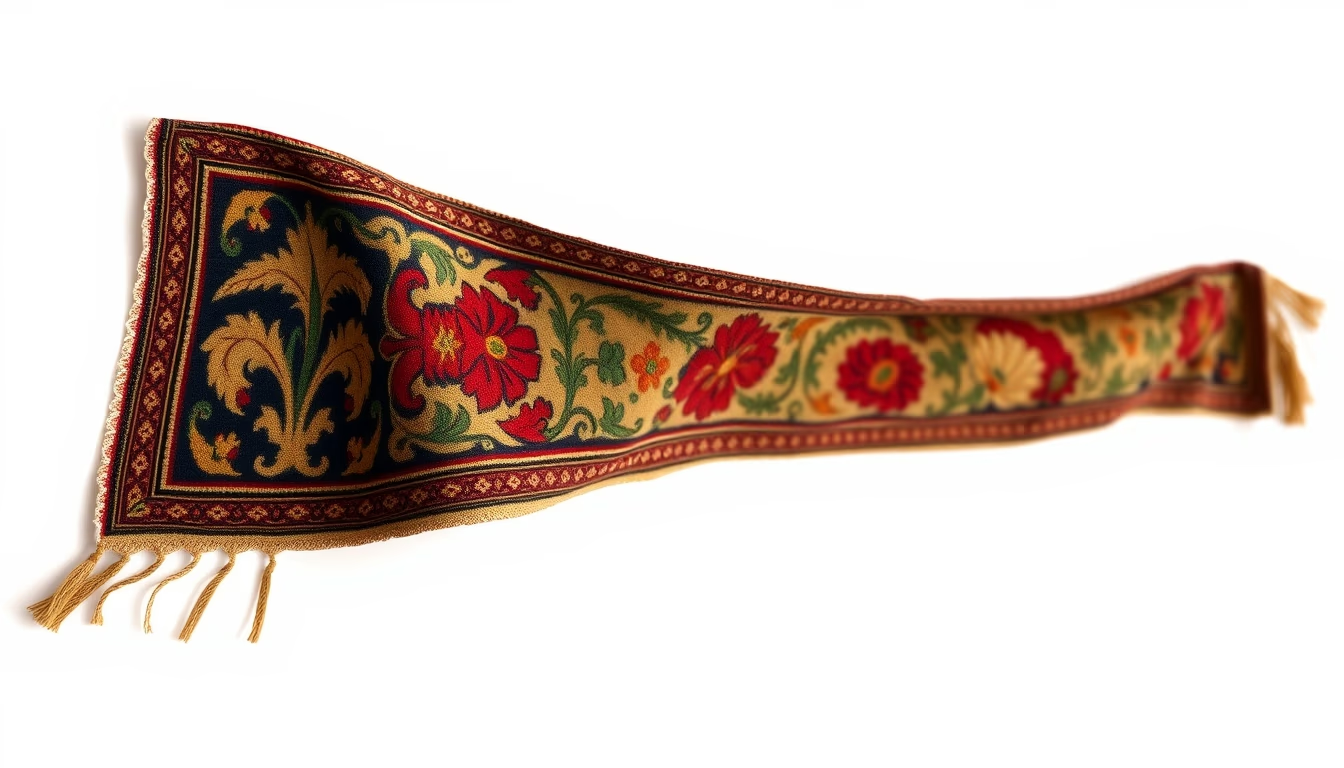
The designs of Persian rugs often reflect cultural and religious symbols, such as floral gardens, geometric motifs, and Islamic calligraphy. Colors are derived from natural dyes obtained from plants, insects, and minerals, providing vibrant hues and longevity. Cities like Tabriz, Isfahan, Kashan, and Kerman are renowned for their distinct weaving styles.
In 2010, UNESCO recognized traditional Persian rug weaving skills as Intangible Cultural Heritage, emphasizing their role in transmitting knowledge across generations. Despite competition from machine-made rugs, handcrafted Persian rugs remain highly valued globally, with antique pieces considered investments and collector's items.
Persian rug weaving is not merely an economic activity but an expression of identity that connects modern Iran to its past. Many families continue the tradition, teaching techniques to children from an early age, ensuring the survival of this art in an increasingly mechanized world.
Frequently Asked Questions
How long does it take to weave a handmade Persian rug?
It can take from a few months to several years, depending on size, pattern complexity, and knot density. Rugs with higher knots per square meter require more time.
What are the main production centers for Persian rugs?
Cities such as Tabriz, Isfahan, Kashan, Kerman, and Qom are famous for their distinct styles. Each region employs different traditional techniques and patterns.
How can one identify an authentic Persian rug?
Authentic rugs typically have asymmetric (Senna) or symmetric (Ghiordes) knots, natural dyes with slight color variations, and a silk or cotton foundation. A certification seal or documented origin also helps.
Direct URL
https://pub-c7d6a6ea828543ac903a74a341ccb2e1.r2.dev/imagens/persian-rug-weaving-magazine-editorial-fresh16.avifHow to credit
Include a visible link back to UtilizAí. Copy one of the snippets below:
<a href="https://xn--utiliza-eza.com/en/midia/imagens/persian-rug-weaving-magazine-editorial-fresh16">Persian rug weaving</a> by <a href="https://xn--utiliza-eza.com">UtilizAí</a>, licensed under <a href="https://creativecommons.org/licenses/by/4.0/">CC BY 4.0</a>.
[Persian rug weaving](https://xn--utiliza-eza.com/en/midia/imagens/persian-rug-weaving-magazine-editorial-fresh16) by [UtilizAí](https://xn--utiliza-eza.com), CC BY 4.0
License: CC-BY-4.0