Persian rug weaving
1344×768 · AVIF · CC BY 4.0
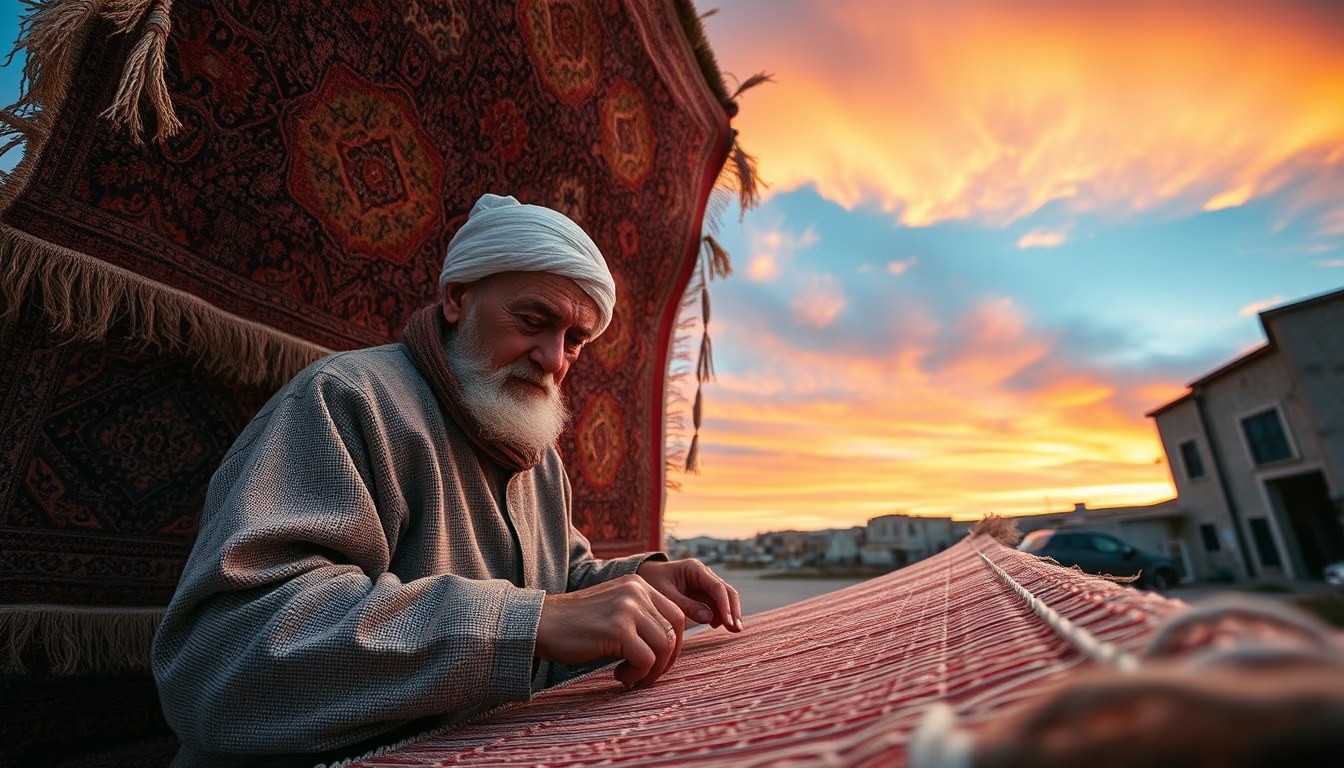
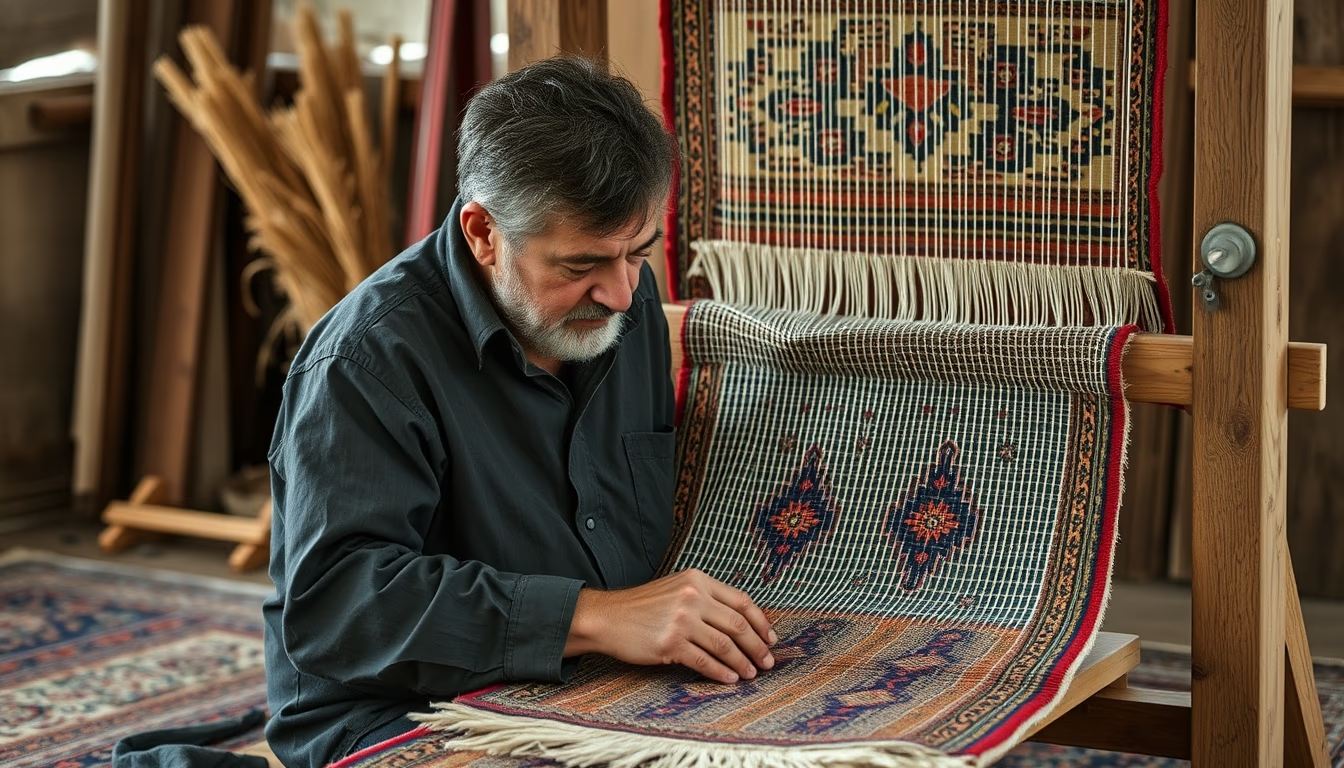
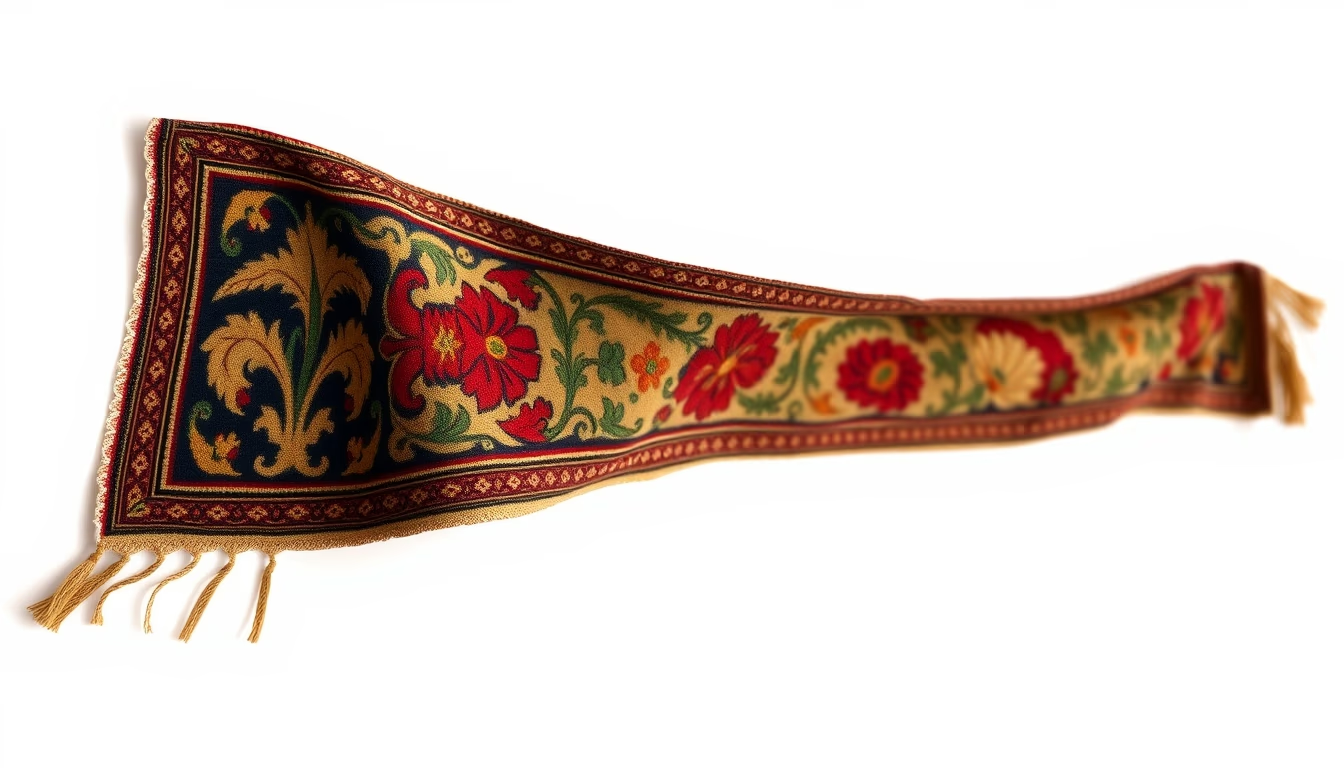
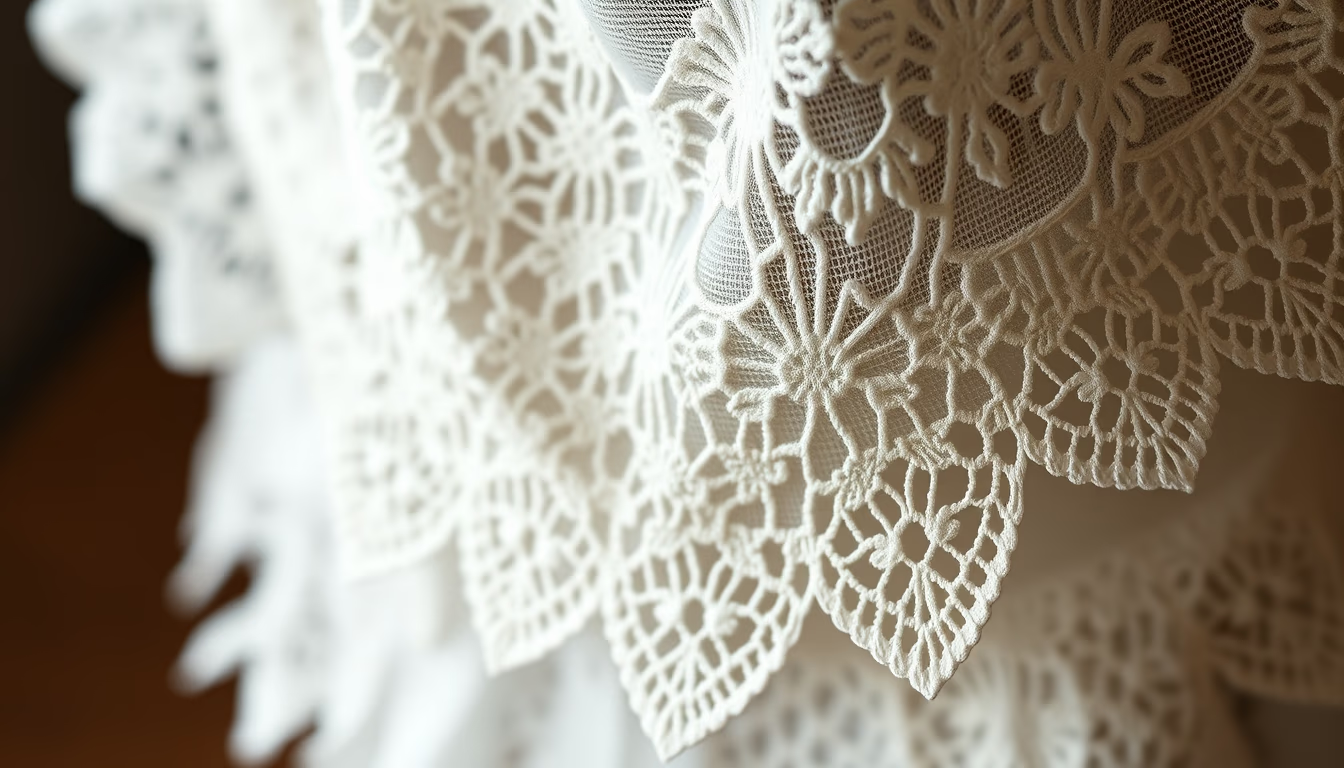
Persian rugs are hand-woven works of art, known for their intricate patterns and vibrant colors, representing centuries of cultural tradition from Iran.
About this subject
Persian rugs, also known as Iranian carpets, are among the oldest and most refined forms of textile art in the world. Their production dates back over 2,500 years, with historical evidence linking their origin to the nomads of ancient Persia. Each rug is hand-woven using techniques passed down through generations, and can take months or even years to complete, depending on size and design complexity.
The making of a Persian rug involves natural materials such as wool, silk, and cotton, dyed with vegetable and mineral pigments that produce long-lasting colors. The geometric, floral, or figurative patterns often carry symbolic meanings related to Persian culture, including depictions of paradise, gardens, and influences from Zoroastrian mythology. Each region of Iran developed distinct styles: for example, rugs from Tabriz are known for their classic designs and precision, while those from Isfahan feature more elaborate motifs and soft colors.
International recognition of Persian rugs culminated in their inclusion on the UNESCO Representative List of the Intangible Cultural Heritage of Humanity in 2010, highlighting the importance of these pieces not only as ornaments but as vehicles of cultural identity. The trade in Persian rugs generates billions of dollars annually, with Iran being the world's largest exporter. Despite competition from machine-made carpets, the authenticity and artistry of hand-woven rugs continue to be valued by collectors and decorators.
A curiosity: the Persian knot, also called the asymmetrical or Senneh knot, is the distinctive weaving technique that allows for greater density and detail. A high-quality rug can have over 500 knots per square inch. The longevity of Persian rugs is legendary, with examples surviving for centuries in museums and palaces, such as those at the Carpet Museum in Tehran.
Frequently Asked Questions
How to identify an authentic Persian rug?
An authentic Persian rug is hand-woven, typically with asymmetrical knots. The warp is usually cotton or silk, and the weft (wool threads) shows subtle irregularities. Colors are made from natural dyes, and the design is symmetrical or has distinct borders. A tag may indicate the region of origin.
How long does it take to weave a Persian rug?
The time varies depending on size and complexity. A small rug may take 3 to 6 months, while a large, detailed one can require 2 to 3 years or more.
What does the term 'Persian knot' mean?
The Persian knot, or asymmetrical knot, is a technique where the weft thread is wrapped around a warp thread, creating a denser knot and allowing for more detailed patterns. It is a hallmark of high-quality Persian rugs.
Direct URL
https://pub-c7d6a6ea828543ac903a74a341ccb2e1.r2.dev/imagens/persian-rug-weaving-long-exposure-fresh4.avifHow to credit
Include a visible link back to UtilizAí. Copy one of the snippets below:
<a href="https://xn--utiliza-eza.com/en/midia/imagens/persian-rug-weaving-long-exposure-fresh4">Persian rug weaving</a> by <a href="https://xn--utiliza-eza.com">UtilizAí</a>, licensed under <a href="https://creativecommons.org/licenses/by/4.0/">CC BY 4.0</a>.
[Persian rug weaving](https://xn--utiliza-eza.com/en/midia/imagens/persian-rug-weaving-long-exposure-fresh4) by [UtilizAí](https://xn--utiliza-eza.com), CC BY 4.0
License: CC-BY-4.0