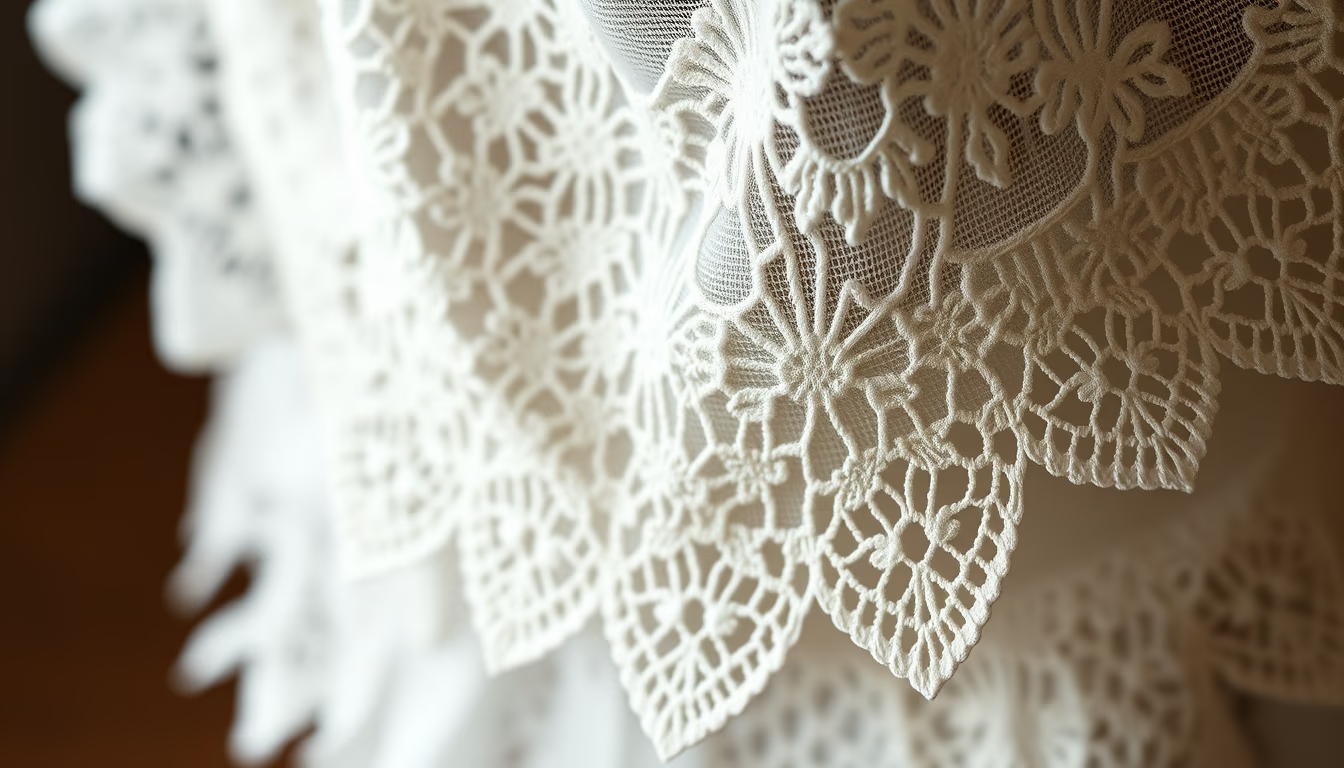
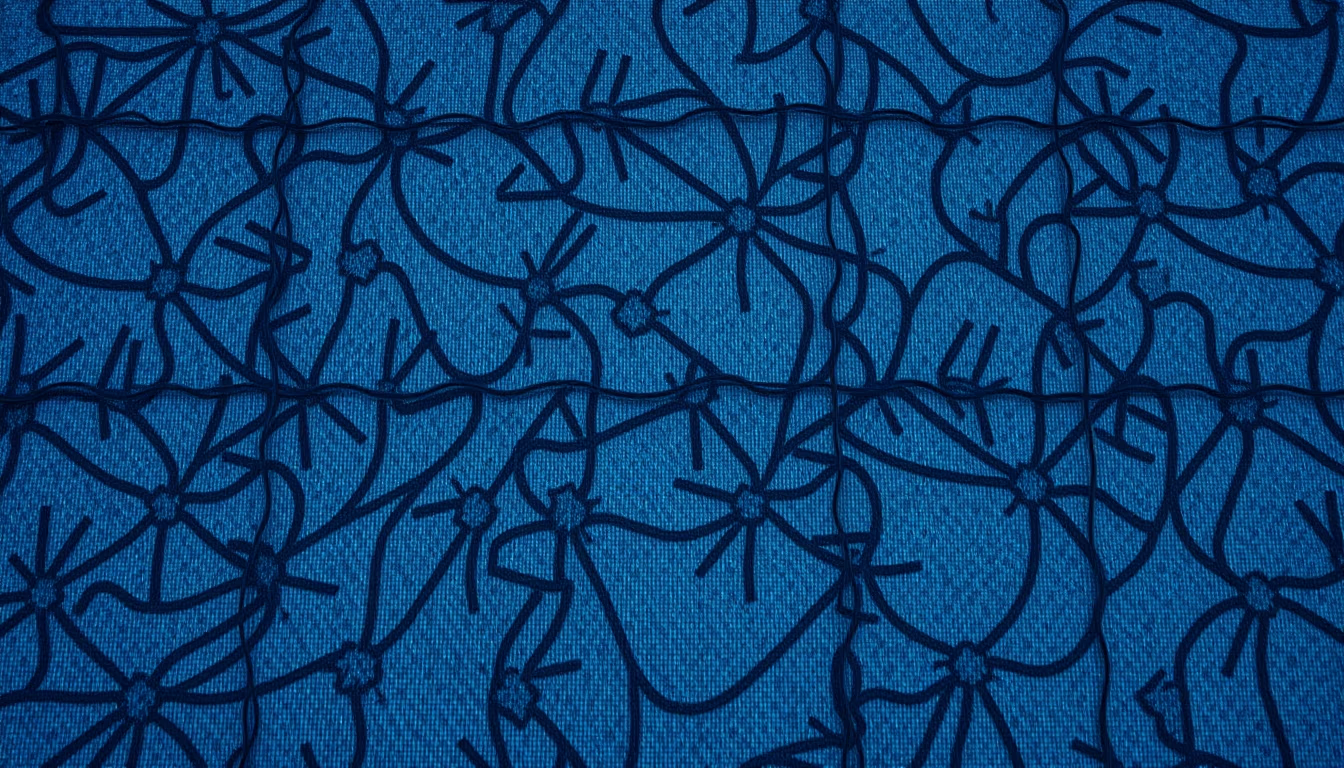
Persian rug weaving
1344×768 · AVIF · CC BY 4.0
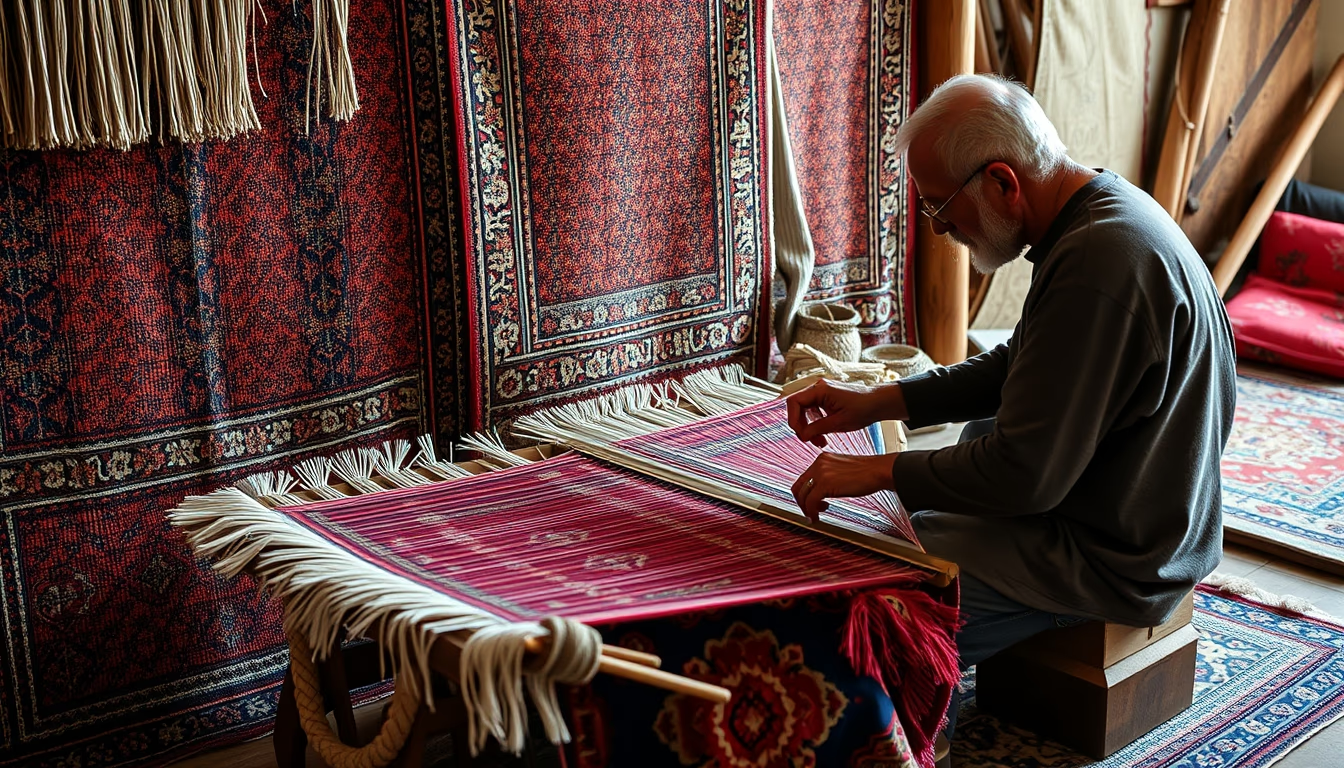
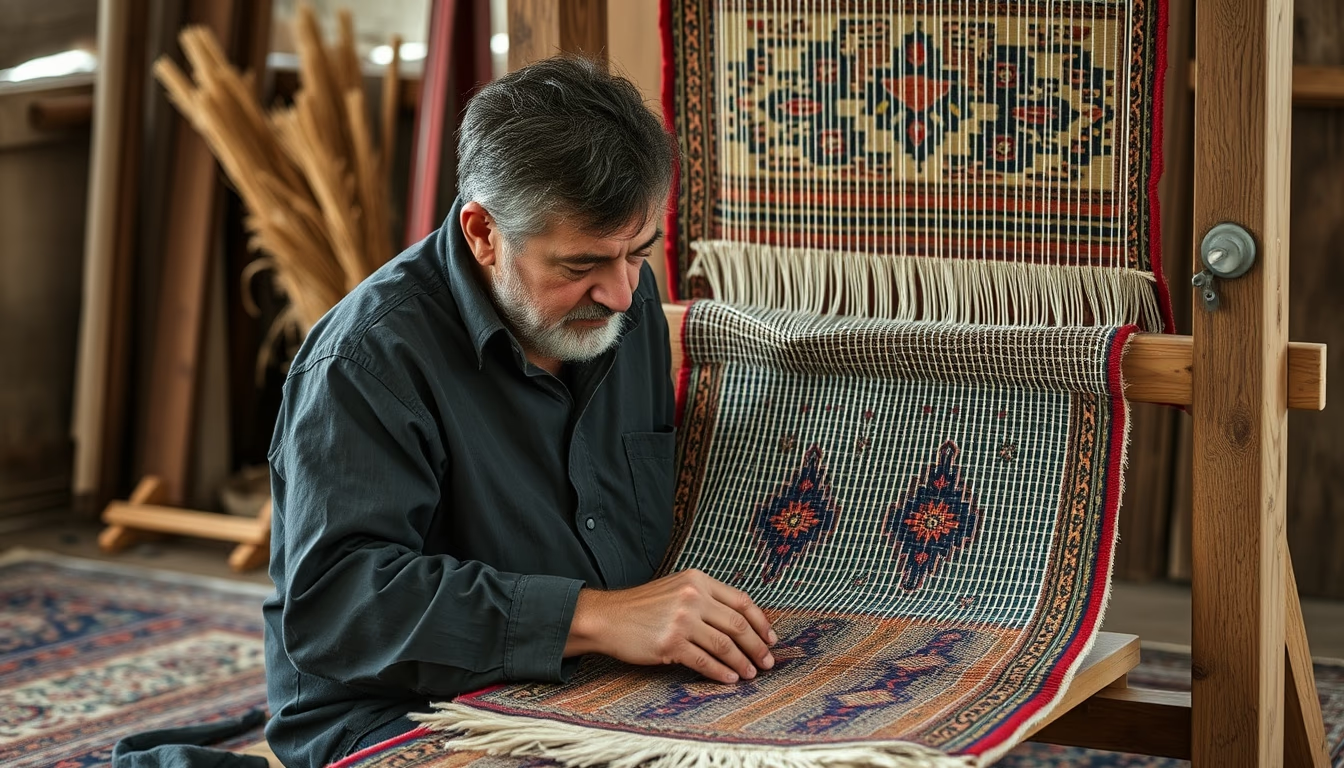
The ancient craft of Persian rug weaving combines tradition, symbolism, and handcrafted techniques dating back over 2,500 years.
About this subject
Persian rugs, also known as Iranian rugs, are handwoven textiles originating from Iran, formerly Persia. The oldest known example is the Pazyryk rug, dating to the 5th century BC, discovered in a Siberian tomb. The art flourished during the Safavid period (16th-18th centuries), when royal workshops in Tabriz, Isfahan, and Kashan produced masterpieces now housed in museums worldwide. Each region developed distinctive patterns: Tabriz rugs often feature central medallions, while Nain rugs display geometric designs in shades of blue and beige.
The weaving technique involves a vertical or horizontal loom. Warp threads are stretched, and knots are tied manually one by one. There are two main types of knot: the asymmetrical or Persian knot, which allows finer detail, and the symmetrical or Turkish knot. Knot density per square meter is a quality indicator: fine rugs can have over 1,000 knots per square inch. Traditional dyes are extracted from natural sources such as cochineal (red), indigo (blue), and walnut husk (brown), creating vibrant colors that age beautifully.
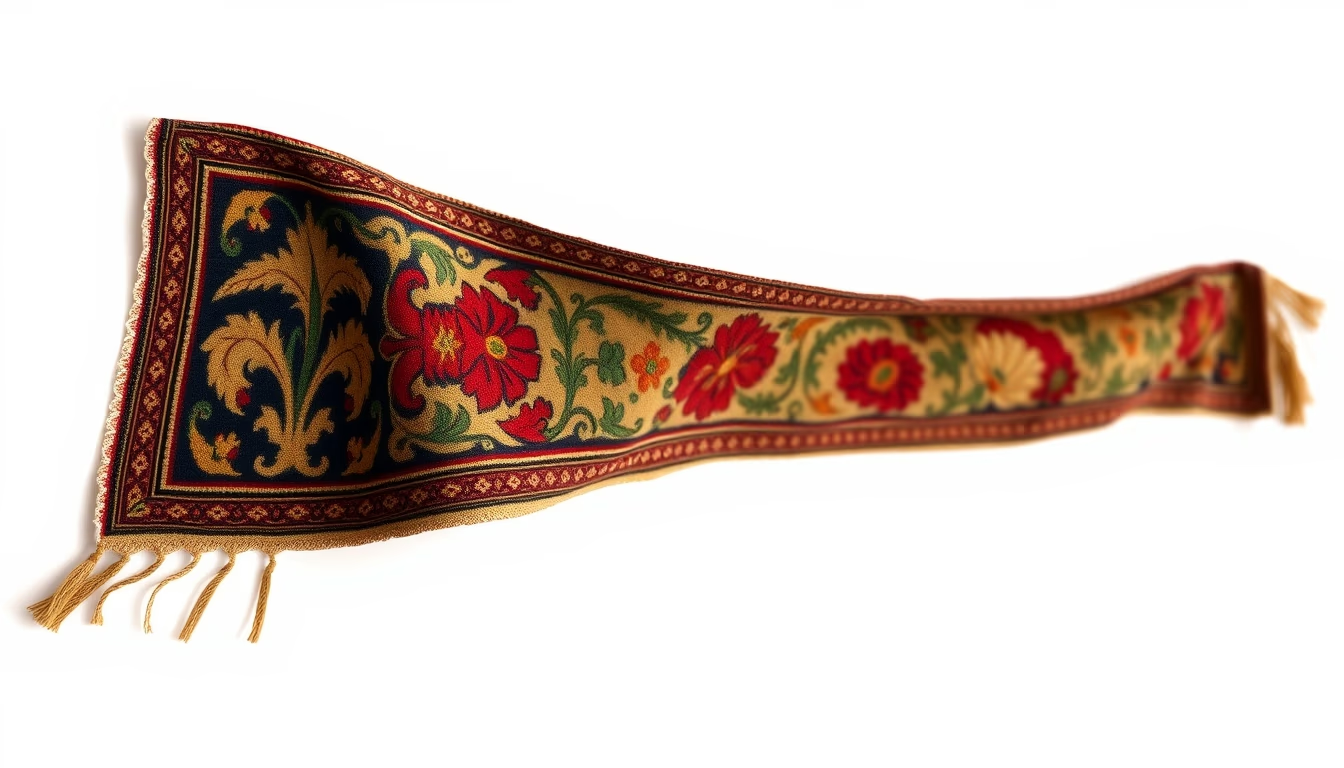
Culturally, the Persian rug is far more than a floor covering. It carries symbolism: the central medallion represents the universe, arabesques signify divine infinity, and flowers allude to the garden of paradise, a reference to the Persian word "pairidaēza," origin of the word "paradise." In many Iranian families, the rug weaving craft is passed down through generations, especially by women. In 2010, UNESCO inscribed Persian rug weaving on the Representative List of the Intangible Cultural Heritage of Humanity.
Economically, the sector faces challenges. Hand production is expensive and time-consuming, competing with low-cost industrial rugs. Iran exports hundreds of millions of dollars in rugs annually, but the number of weavers is declining. Nevertheless, the collector market and appreciation for antique pieces keep the technique alive. Contemporary artists also reinterpret traditional patterns, merging innovation with heritage.
Frequently Asked Questions
What is the difference between a Persian rug and an Oriental rug?
Persian rugs are a subset of Oriental rugs, originating from Iran (ancient Persia). They are characterized by specific knots (asymmetrical Persian knot) and regional patterns such as those from Tabriz, Isfahan, and Kashan, whereas Oriental rugs include productions from other countries like Turkey, India, and Pakistan.
How long does it take to weave a Persian rug?
The time depends on the size, design complexity, and knot density. A medium-sized rug of 2x3 meters can take from 6 months to 2 years with a weaver working daily. Large, highly detailed pieces may require several years.
How can I identify an authentic Persian rug?
Check for hand-tied knots on the back (slight irregularities are normal), look for natural dyes (less uniform colors), verify an Iranian origin label, and buy from reputable sellers. Authentic rugs come with a certificate of provenance.
Direct URL
https://pub-c7d6a6ea828543ac903a74a341ccb2e1.r2.dev/imagens/persian-rug-weaving-documentary-photography-fresh9.avifHow to credit
Include a visible link back to UtilizAí. Copy one of the snippets below:
<a href="https://xn--utiliza-eza.com/en/midia/imagens/persian-rug-weaving-documentary-photography-fresh9">Persian rug weaving</a> by <a href="https://xn--utiliza-eza.com">UtilizAí</a>, licensed under <a href="https://creativecommons.org/licenses/by/4.0/">CC BY 4.0</a>.
[Persian rug weaving](https://xn--utiliza-eza.com/en/midia/imagens/persian-rug-weaving-documentary-photography-fresh9) by [UtilizAí](https://xn--utiliza-eza.com), CC BY 4.0
License: CC-BY-4.0